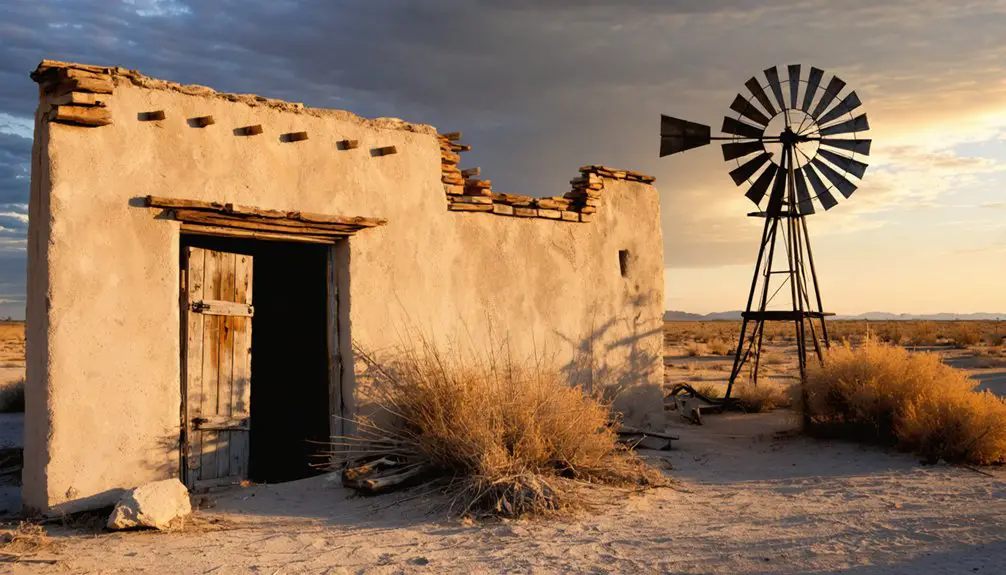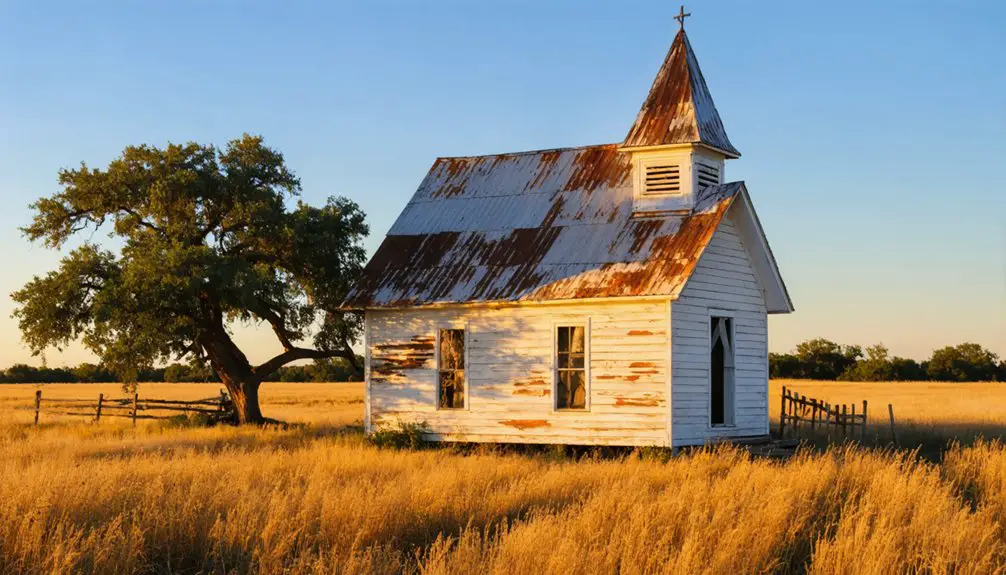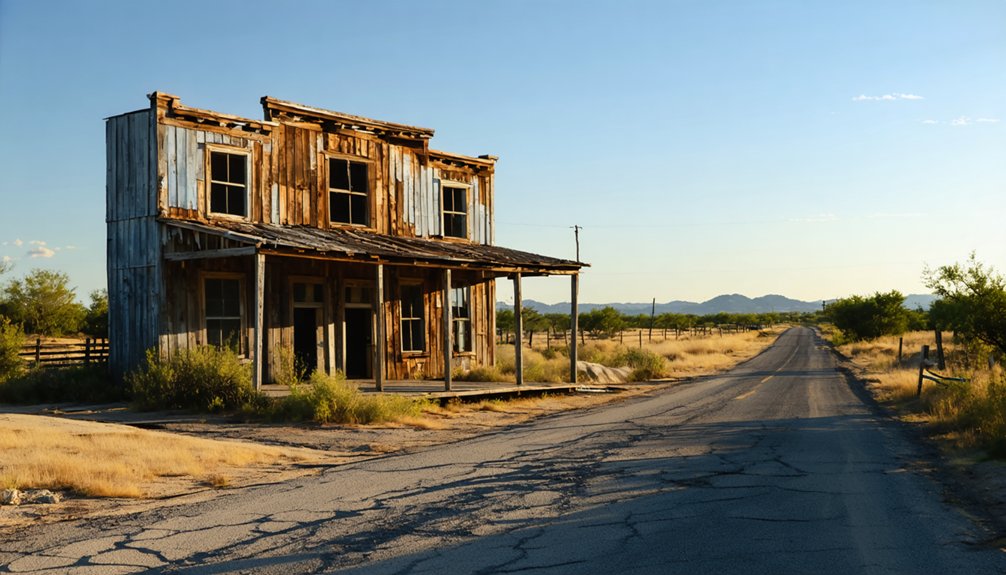
Planning a ghost town road trip to Camp Verde, Texas means stepping into one of Hill Country’s most quietly remarkable chapters. You’ll find a still-operating store and post office dating back to the 1850s, a weathered frontier cemetery, and cedar-covered creek bottomlands that haven’t changed much since the U.S. Army launched its famous camel experiment here in 1856. It’s an unhurried, atmospheric stop—and there’s far more layered into this forgotten outpost than first meets the eye.
Key Takeaways
- Camp Verde, Texas, sits along Highway 173, roughly 10 miles north of Bandera and 10 miles south of Kerrville.
- The operational store, post office, and nearby cemetery are the main accessible landmarks worth visiting at Camp Verde.
- Allocate 1-2 hours exploring Camp Verde, respecting site boundaries, as the old military post remains closed to the public.
- Camp Verde gained historical fame in 1856 as headquarters for Jefferson Davis’s experimental U.S. Army Camel Corps program.
- Incorporate Camp Verde into a broader Hill Country road trip, connecting Bandera, Kerrville, Center Point, and San Antonio.
Why Camp Verde Belongs on Your Texas Ghost Town List
Although Camp Verde never fully disappeared, it carries the quiet weight of a place that lost its reason for being—and that’s exactly what earns it a spot on any serious Texas ghost town list.
Although Camp Verde never fully disappeared, it carries the quiet weight of a place that lost its reason for being.
You’re not looking at a completely deserted settlement—you’re standing where the U.S. Army once headquartered a camel experiment that rewrote local legends and baffled the frontier.
Historical preservation efforts kept the old store and cemetery intact, giving you something real to see rather than just an empty field.
The military post closed in 1869, the population shrank to a handful of residents, and the original purpose vanished.
What remained became something rarer—a semi-abandoned community still breathing, still carrying its strange, forgotten history across the Texas Hill Country.
The Camel Corps Story Behind Camp Verde
Before the frontier had highways or railroads, Jefferson Davis’s War Department was betting on camels. In 1856, forty camels arrived at Camp Verde, making it headquarters for one of the military’s boldest experiments. You can almost picture soldiers and locals watching these animals navigate Hill Country terrain, sparking local legends that still echo through the region today.
The experiment ultimately proved impracticable, and the camels were eventually released into the wild, becoming unexpected wildlife encounters for frontier settlers who couldn’t quite believe what they were seeing.
When you visit Camp Verde, that strange, freedom-chasing chapter feels surprisingly close. The land remembers what history books barely mention — that for a brief moment, camels roamed Texas as seriously as any cavalry horse.
How Camp Verde Went From Army Post to Ghost Town
What started as a U.S. Army frontier post in 1855 quickly grew into something more than a military installation. Soldiers needed supplies, and a civilian store opened beside the post in 1857 to meet that demand.
A frontier post draws more than soldiers — it draws the living pulse of commerce and community.
By 1858, a post office followed, anchoring a small but stubborn community around the camp.
When the Army abandoned the post on April 1, 1869, the town didn’t disappear with it. People stayed, local legends took root, and the store kept its doors open.
Historical photographs from the era capture what little remained standing long after the soldiers left.
Today, Camp Verde sits somewhere between memory and reality — a semi-abandoned community that refused to fully vanish, carrying its frontier identity long after its original military purpose faded away.
What Still Stands at Camp Verde Today
Most of what Camp Verde once was has faded into the surrounding Hill Country landscape, but a few tangible remnants still anchor the site to its frontier past. The Camp Verde store and post office remain the community’s beating heart, operating continuously since 1858.
You’ll also find the cemetery nearby, where local legends linger over soldiers and settlers who shaped this remote outpost. Preservation efforts have kept these touchstones visible, though the old military post itself sits about a mile west on Verde Creek Road and is closed to the public.
If you crave that open-road freedom of exploring Texas history on your own terms, Camp Verde rewards a brief stop. Don’t expect a polished attraction — expect something more honest and weathered.
Can You Visit Old Camp Verde?
Old Camp Verde sits about a mile west of the store on Verde Creek Road, but you won’t be walking its grounds anytime soon — the site is closed to the public. What remains hidden behind that boundary carries real weight, though. Local legends tied to camel caravans and frontier soldiers still linger in the Hill Country air, making the drive out feel worthwhile even without access.
You can pull over near Verde Creek Road and photograph the surrounding landscape, capturing the cedar-covered hills and creek bottomland that soldiers once called home. For photography tips, shoot in the early morning when golden light cuts across the valley.
You’ll feel the absence of what stood here — and sometimes, that’s the most honest ghost town experience you’ll find.
The Store and Post Office Still Running Since 1857
While the fort crumbled and the camels disappeared, the Camp Verde store kept its doors open — and it still does today. Established in 1857 beside the military post, it originally served soldiers who couldn’t get a drink inside camp walls. That rebellious origin is one of the better local legends tied to this stretch of Hill Country.
The post office followed in 1858 and never closed. When you stop here, you’re standing inside historical architecture that has quietly outlasted a frontier army, a camel experiment, and generations of change.
It’s a rare kind of freedom — the ability to walk into a working piece of American history. Grab something from the store, take it in, and appreciate what survived.
What to Expect During Your Visit
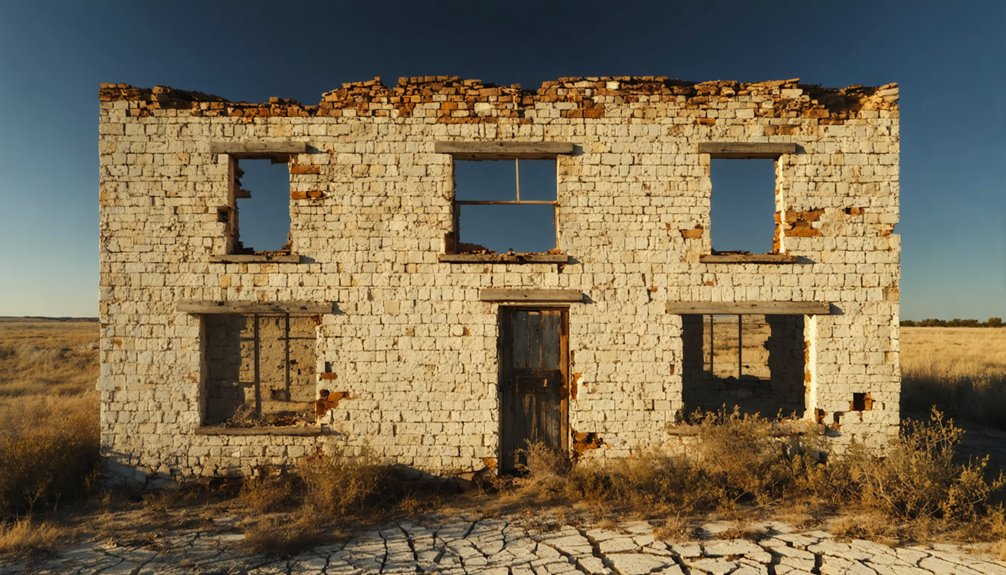
When you arrive at Camp Verde, you’ll find a handful of tangible remnants anchoring the site’s long history — the old store, the post office, and the cemetery are your clearest connections to the past.
Keep in mind that the original military post, sometimes called Old Camp Verde, sits about a mile west on Verde Creek Road and is closed to the public.
You can access the broader community by 2WD via SR 72, making it an easy heritage stop as long as you’re realistic about the limited scope of what’s open to explore.
What You’ll Find There
Camp Verde won’t overwhelm you with attractions, but what’s there carries a quiet, lasting weight. The historical architecture and local legends embedded in this place reward anyone willing to slow down and look closely.
Here’s what you’ll actually find:
- The Camp Verde Store – still operating, still anchoring the community, with a post office that’s run continuously since 1858
- The cemetery – weathered markers telling stories the history books barely touch
- Traces of the old military post – visible remnants about a mile west along Verde Creek Road
- The camel experiment legacy – the invisible but ever-present story of 40 camels that once changed how the Army thought about frontier transport
Keep your expectations grounded, and you’ll leave genuinely moved.
Navigating Site Closures
The most important thing to know before you pull off the highway is that the old camp site itself is closed to the public. Old Camp Verde, sitting roughly a mile west along Verde Creek Road, holds historical artifacts and echoes of local legends, but you won’t be walking those grounds freely.
What remains accessible tells its own story, though. The Camp Verde store, still operating after more than 160 years, and the nearby cemetery give you something tangible to stand beside and absorb.
You’re not touring a museum — you’re reading a living landscape. Respect the boundaries, focus on what’s open, and you’ll leave with a clearer sense of how this small Hill Country community quietly outlasted the fort that built it.
How Long You Actually Need at Camp Verde?
Since Camp Verde is a brief heritage stop rather than a sprawling attraction, you’ll realistically need no more than an hour or two to take in everything accessible. The surviving store, post office, and cemetery carry enough history for meaningful local storytelling and quiet reflection on historic preservation.
Spend your time wisely by focusing on:
- The Camp Verde Store – still operating, still anchoring the community’s identity
- The cemetery – weathered markers that connect you to 1800s frontier life
- Verde Creek Road – a slow drive past Old Camp Verde’s closed grounds
- The surrounding landscape – Hill Country scenery that frames the camel experiment’s unlikely backdrop
You’ll leave informed, unhurried, and ready to continue toward Kerrville, Bandera, or San Antonio.
How to Reach Camp Verde From Kerrville, Bandera, and San Antonio
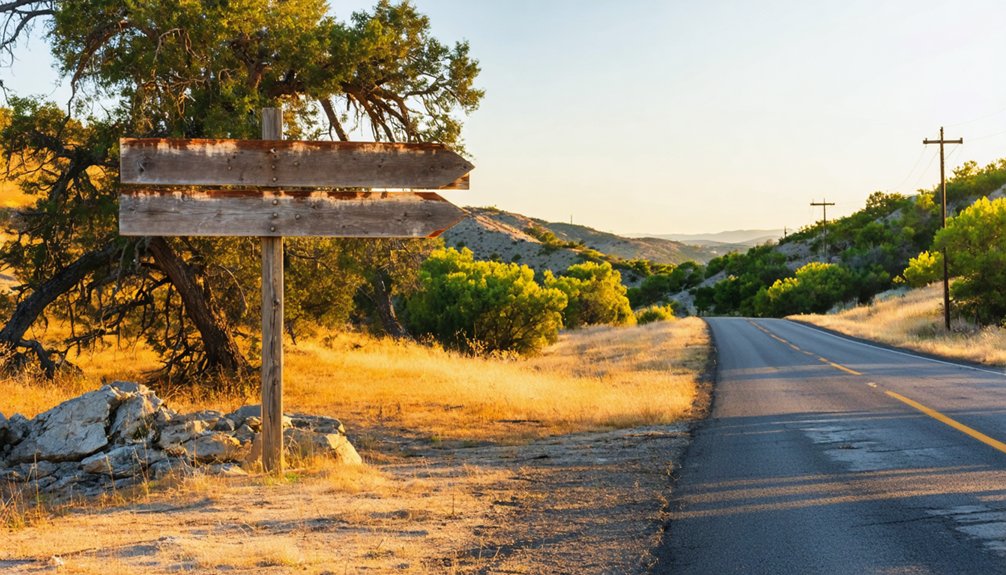
Tucked into the Hill Country along FM 480 and Highway 173, Camp Verde sits within easy reach of three natural starting points. From Kerrville, you’re only about 10 miles south, making it a quick drive through rolling terrain carrying its own local legends.
Camp Verde waits just 10 miles south of Kerrville, tucked where Hill Country roads carry their own quiet legends.
From Bandera, head roughly 10 miles north on Highway 173, passing Bandera Pass where historical artifacts of frontier conflict still echo through the landscape.
San Antonio travelers face the longest stretch at around 60 miles northwest, but the gradual shift from city sprawl into cedar-covered hills makes that drive feel earned.
Whichever direction you’re coming from, SR 72 connects you to the site without requiring anything beyond a standard 2WD vehicle, so the road itself never becomes an obstacle.
Pairing Camp Verde With a Hill Country Road Trip
Camp Verde pairs naturally with Kerrville, Center Point, Bandera, and San Antonio, giving you a route that traces Hill Country history from the Edwards Plateau down toward the San Antonio River basin.
You’ll find the drive most rewarding if you move from north to south, starting in Kerrville before dropping through Center Point, pausing at Camp Verde, and finishing in Bandera or pushing on to San Antonio.
Each stop adds context to the last, building a picture of the frontier Texas that once stretched across these cedar-covered hills.
Ideal Hill Country Stops
Because Camp Verde sits squarely between some of Texas Hill Country‘s most charming stops, you’d be doing yourself a disservice by not turning this into a fuller road trip. The open roads connecting these towns invite exploration, wildlife encounters, and local legends worth chasing down.
- Kerrville – About 10 miles north, offering riverfront parks, art galleries, and a genuine small-city energy.
- Center Point – A quiet, unhurried community just six miles northeast of Camp Verde.
- Bandera – The self-proclaimed “Cowboy Capital of the World,” roughly 10 miles south, loaded with Western heritage.
- San Antonio – Around 60 miles southeast, delivering world-class history and culture to close out your journey.
Each stop adds another layer to your Hill Country story.
Suggested Route Order
Whether you’re starting from San Antonio or looping down from Kerrville, the route practically draws itself. Head northwest on Highway 173 from San Antonio, covering roughly 60 miles before the Hill Country opens wide around you.
Stop in Bandera first, just 10 miles south of Camp Verde, where local legends of cowboy culture still linger on every dusty corner.
Then push north toward Camp Verde, keeping your eyes open for wildlife sightings along Verde Creek Road. After exploring the store and cemetery, continue another 10 miles north into Kerrville for a proper meal and a place to rest.
Center Point sits conveniently between stops, adding a quiet pause to the drive.
This loop rewards unhurried travelers who’d rather wander than race.
Frequently Asked Questions
Is There an Admission Fee to Visit Camp Verde?
You won’t find any admission costs or entry fees at Camp Verde. You’re free to explore the historic store and cemetery, though the old camp site’s closed to the public, keeping some frontier mysteries beautifully yours to imagine.
Are Pets Allowed When Visiting the Camp Verde Area?
Ready to bring your furry companion along? Pet policies aren’t officially documented for Camp Verde, but you’ll likely enjoy pet-friendly activities like exploring the open roads and cemetery grounds with your four-legged adventure buddy.
What Is the Best Season to Visit Camp Verde?
Spring and fall offer the best travel months, when seasonal weather stays mild and Hill Country blooms with wild beauty. You’ll feel free to roam Camp Verde’s historic grounds comfortably, soaking in its timeless, nostalgic charm.
Is Camp Verde Suitable for Young Children or Families?
You’ll find Camp Verde manageable for families, but keep child safety considerations in mind near restricted areas. Family friendly activities are limited, so embrace the nostalgic camel history, explore the store, and roam freely through Texas Hill Country.
Are There Restrooms or Facilities Available at Camp Verde?
Like a lone canteen in the desert, camping amenities here are scarce. You’ll find limited visitor guidelines and minimal facilities, so pack your own supplies. The Camp Verde store remains your best bet for basic needs nearby.
References
- https://www.tshaonline.org/handbook/entries/camp-verde-tx
- https://www.texasescapes.com/TexasHillCountryTowns/CampVerdeTexas/CampVerdeTx.htm
- https://www.ghosttowns.com/states/tx/campverde.html
- https://en.wikipedia.org/wiki/List_of_ghost_towns_in_Texas
- https://www.texasescapes.com/TOWNS/Texas-Ghost-Towns-3-Hill-Country.htm
- https://www.ghosttowns.com/states/tx/tx.html
- https://www.texasescapes.com/Texas-Ghost-Towns-A-to-Z.htm
- https://www.texasescapes.com/TOWNS/Texas_ghost_towns.htm