Planning a ghost town road trip to Clayton, Idaho means stepping into a silver rush story that boomed in the 1880s and collapsed when metal prices crashed in 1986. You’ll find stone foundations, slag deposits, smelter ruins, and weathered buildings frozen along the Salmon River. Roads are 2WD-friendly, and spring through fall offers the best access. Pair Clayton with nearby Bonanza and Custer for a full Idaho mining corridor experience—there’s far more to this haunting landscape than first meets the eye.
Key Takeaways
- Clayton is accessible via standard 2WD roads, making it easy to reach; visit between May and October for optimal weather and access.
- Key sights include smelter foundations, slag deposits, historic signage, scattered relics, and surviving industrial buildings showcasing Clayton’s century-long mining legacy.
- Clayton’s mines produced approximately 7 million troy ounces of silver, 86.8 million pounds of lead, and 28.2 million pounds of zinc.
- Combine Clayton with nearby ghost towns Bonanza and Custer to create a comprehensive Idaho mining history road trip corridor.
- Pack sturdy shoes, water, and a paper map; cell service is unreliable, and you should respect structures by leaving no trace.
What Turned Clayton, Idaho Into a Ghost Town?
Clayton, Idaho didn’t fade overnight — it followed the boom-and-bust arc that swallowed dozens of western mining towns. The smelter that built this place in the early 1880s drew workers, capital, and ambition into the Salmon River corridor.
Silver and lead kept Clayton alive for decades, with the Clayton Mine producing millions of troy ounces before the bottom fell out. The mining collapse came in 1986 when crashing metal prices forced the mine to shut down permanently.
Without the mine, there was no reason to stay. Population decline followed quickly, stripping the town down to a handful of residents and aging structures. What you’re left with today is a semi-ghost town — quiet, honest, and completely worth the detour.
Clayton’s Silver and Lead Mining History
Few mining operations in central Idaho matched the scale of what came out of Clayton’s hills. The Clayton Silver Mine pulled lead-silver ore from underground shafts using evolving mining technology that kept operations running for roughly 60 years before low metal prices shut it down in 1986.
Here’s what those decades of digging produced:
- ~7 million troy ounces of silver
- 86.8 million pounds of lead
- 28.2 million pounds of zinc
That output shaped the town’s identity and drove town preservation efforts that still stand today. You can see the evidence yourself — stone foundations and smelter slag line the riverbank where it all began.
Clayton’s mining past isn’t buried. It’s sitting right there, waiting for you to explore it.
The Industrial Ruins Still Standing in Clayton
Those production numbers didn’t just vanish when the mine closed in 1986 — they left a physical mark on the landscape you can still read today. Walk the site and you’ll find stone foundations marking where the original smelter once processed ore hauled down from Kinnikinic Creek.
Smelter slag still lines the riverbank, a raw industrial signature that no restoration crew has scrubbed away. The surviving buildings reflect the utilitarian industrial architecture typical of hard-rock mining operations — built to work, not to impress.
Several original structures remain standing, giving you a tangible sense of the scale this operation once reached. You won’t need a guided tour to feel the weight of the place. The ruins speak clearly enough on their own.
What You Can Actually See in Clayton Today
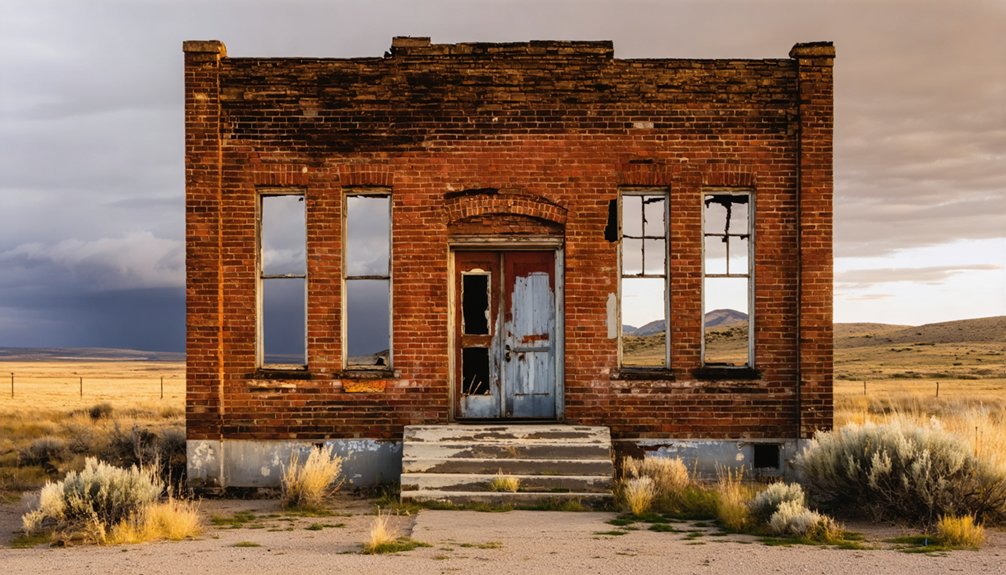
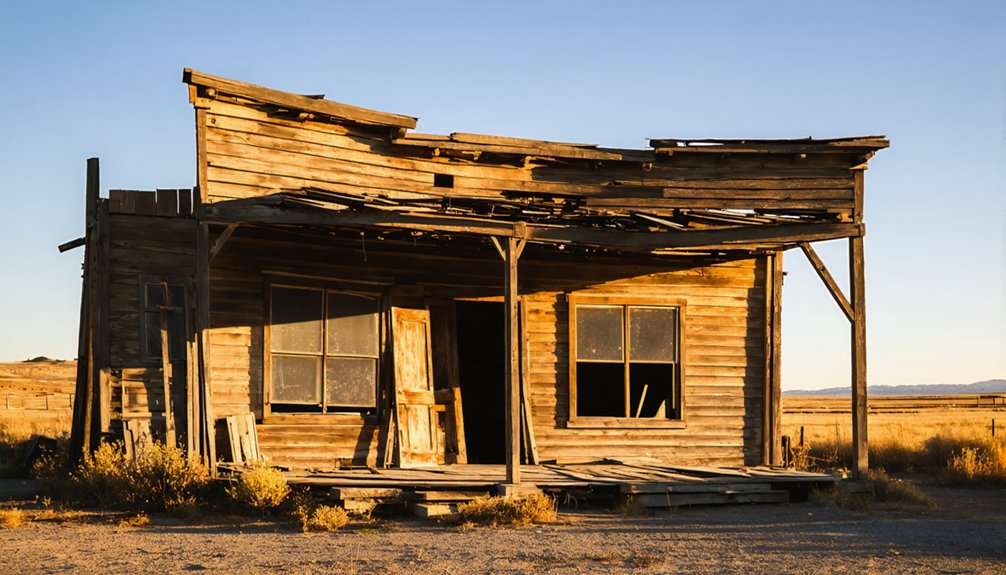
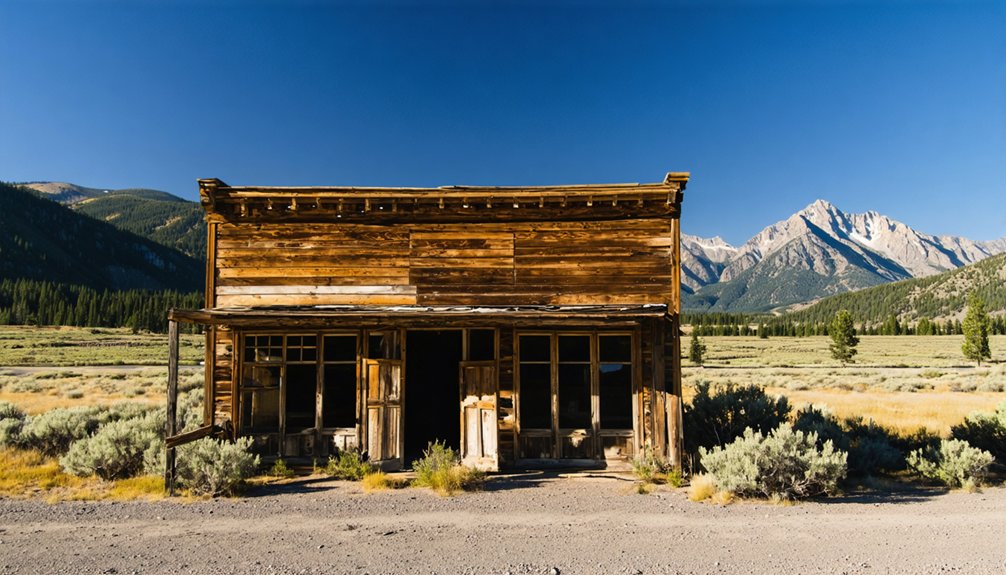
When you pull into Clayton today, you’re not staring at an empty lot and a historical marker — you’re looking at a town that never fully quit. A handful of buildings still stand, and the landscape holds real evidence of a century-long mining operation.
Here’s what you can expect to find:
- Smelter stone foundations and slag – Walk the riverbank and you’ll spot remnants of the original smelter, including visible slag deposits along the water’s edge.
- Historic signage – Interpretive markers give you context without overwhelming the experience, letting the landscape do most of the talking.
- Mining equipment and structural remains – Scattered relics connect you directly to the lead-silver operation that ran until 1986.
Clayton rewards curious, independent travelers who’d rather explore than just read about it.
How to Reach Clayton, Idaho and What Roads to Expect
Getting to Clayton is straightforward — no high-clearance vehicle, no white-knuckle switchbacks. Standard 2WD handles the roads fine, so you can focus on the drive instead of the terrain.
No rugged 4×4 required — standard 2WD gets you to Clayton without drama.
Clayton sits in Custer County along a central Idaho corridor that connects naturally to nearby ghost towns like Bonanza and Custer, making it an easy anchor point for a longer road trip.
Spring, summer, and fall offer the best conditions. Winter brings snow that can complicate your plans, so time your visit accordingly.
Along the route, you’ll pass scenic viewpoints that frame the surrounding mountains and river valley beautifully.
Local dining options are limited in the immediate area, so pack provisions or plan stops in larger nearby towns before heading into this remote but accessible stretch of Idaho’s mining country.
The Best Season to Visit Clayton
Spring through fall is your window for visiting Clayton — arrive outside that range and winter snow can quickly turn a straightforward drive into a complicated one. The roads are 2WD-friendly in warmer months, giving you open access to surviving buildings, smelter slag along the river, and stone foundations that echo the town’s mining technology legacy.
- Spring – Wildflowers frame the ruins; light crowds mean uninterrupted exploration.
- Summer – Long daylight hours let you absorb local legends and photograph industrial remnants thoroughly.
- Fall – Crisp air and changing foliage create dramatic contrast against the weathered structures.
Plan your visit between May and October to maximize what Clayton offers without weather cutting your trip short.
Pair Clayton With the Bonanza and Custer Ghost Towns
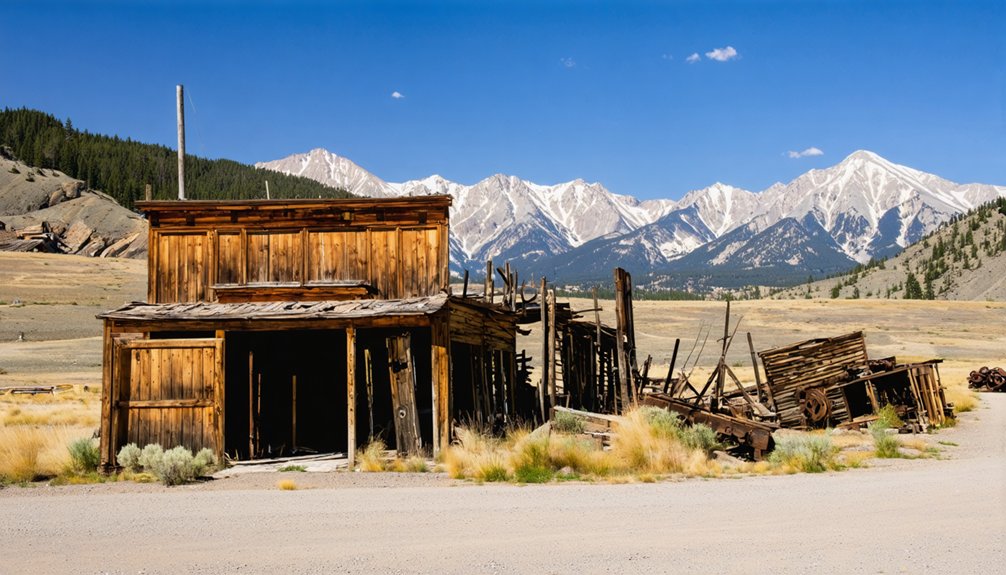
Clayton sits within a ghost-town corridor that makes combining stops easy and rewarding. Bonanza and Custer lie nearby, and together the three towns trace Idaho’s lead-silver mining history across a single road trip route.
You can cover all three in one day, giving you a fuller picture of how this region’s mining boom shaped the landscape and left its mark on dozens of surviving structures and ruins.
Nearby Ghost Town Corridor
Once you’ve explored Clayton, you’re already positioned perfectly to extend your road trip through one of central Idaho’s richest ghost-town corridors. Bonanza and Custer sit nearby, each offering distinct stories of mining techniques, town preservation, and boom-era ambition.
- Bonanza – Walk streets where gold-rush energy once defined daily life, with surviving structures that reflect careful town preservation efforts.
- Custer – Explore restored buildings and mining exhibits that reveal the hard-rock mining techniques driving Idaho’s silver economy.
- The Full Corridor Route – Connect all three towns in a single drive through the Bayhorse Mining District for maximum historic impact.
Together, these stops give you a complete picture of central Idaho’s mining legacy without backtracking or wasted miles.
Planning Your Combined Visit
Turning that corridor knowledge into a working itinerary makes the difference between a rushed stop and a genuinely satisfying road trip.
Start in Clayton, where you’ll examine smelter slag along the river and read historic signage that anchors the broader mining story.
Then push up the valley toward Custer, where surviving mining equipment gives you a hands-on look at hard-rock extraction methods.
Finish in Bonanza, where the atmosphere shifts toward quiet abandonment.
Plan for a full day minimum — each town rewards slow exploration.
Roads are 2WD-accessible in spring, summer, and fall, so timing is flexible.
Carry water, wear comfortable shoes, and keep a camera ready.
Moving through all three sites in sequence turns a casual drive into a coherent, memorable chapter of Idaho’s silver-mining history.
What to Pack and Plan Before Visiting Clayton
Before you head out to Clayton, a little preparation goes a long way toward making the most of your visit. The roads are 2WD-friendly, but conditions shift with the seasons, so timing matters.
- Pack sturdy footwear — you’ll walk uneven terrain near smelter ruins and remnants of mining equipment scattered across the site.
- Research local legends before arriving — Clayton’s silver-boom stories add depth to every weathered building and stone foundation you’ll encounter.
- Visit between spring and fall — winter snow can limit access and cut your exploration short.
Bring water, a camera, and a paper map as backup. Cell service is unreliable in this stretch of central Idaho, and you’ll want nothing slowing down your freedom to explore on your own terms.
Frequently Asked Questions
Is Clayton, Idaho Considered a Completely Abandoned Ghost Town?
Surprise — it’s not! Unlike fully abandoned mining towns, Clayton’s still got residents roaming its historical ghost town streets. You’ll find surviving buildings and smelter ruins, making it a semi-ghost town worth exploring.
How Many Residents Still Live in Clayton, Idaho Today?
You won’t find exact census numbers, but Clayton’s got just a handful of residents keeping its local history alive. Their presence makes ghost town preservation visible — you’re visiting a living, breathing semi-ghost town, not a fully abandoned site.
Was Clayton Ever Officially Recognized as an Incorporated Town?
The knowledge doesn’t confirm Clayton’s official incorporation, but you can still appreciate its town development and historical significance — it grew as a true mining settlement, leaving behind real structures and industrial ruins you’ll want to explore firsthand.
Are There Any Guided Tours Available at the Clayton Mine Site?
Don’t hold your breath — no official mine tours or historic guides are currently available at the Clayton Mine site. You’re free to explore the surrounding area and visible industrial remains on your own terms.
Is the Clayton Mine Site Considered an Environmental Hazard Today?
The site carries a toxic legacy you can’t ignore. Smelter slag still lines the river, and environmental cleanup efforts have addressed contamination left behind by decades of lead, zinc, and silver extraction operations.
References
- https://westernmininghistory.com/towns/idaho/clayton/
- https://abandonedidaho.com/2024/12/22/clayton-mine/
- https://www.youtube.com/watch?v=_LrsKd_2V6o
- https://cmxgoldandsilver.com/projects/history-of-clayton-silver-mine/
- https://www.ghosttowns.com/states/id/clayton.html