Planning a ghost town road trip to Clifton, Michigan means embracing the raw, unfiltered past of the Upper Peninsula’s copper boom era. You’ll navigate remote US-41, where cell service vanishes and unmarked turnoffs catch you off guard, so download offline maps and gas up in Calumet first. Once there, you’ll find stone church ruins, tilting cemetery markers, and scattered foundations reclaimed by dense woodland. There’s far more to uncover than you’d expect.
Key Takeaways
- Start your trip at Central Mine’s visitor center to gain historical context before exploring Clifton’s abandoned ruins and stone foundations.
- Fill up on gas in Calumet or Eagle Harbor, as US-41 has scarce services and limited signage between towns.
- Download offline maps before leaving, since cell reception disappears outside larger towns along the remote US-41 corridor.
- Wear sturdy boots and long pants, as Clifton’s overgrown terrain hides uneven ground, marshy patches, and wildlife hazards.
- Extend your day by combining Clifton with stops at Gay and nearby copper country ruins for a fuller experience.
What Makes Clifton Michigan Worth the Drive?
Though Michigan has nearly 100 ghost towns scattered across its Upper Peninsula, Clifton stands out as arguably the best-preserved of them all. Founded in 1845 to support the Cliff mine, this abandoned community once housed 700 residents, three churches, saloons, hotels, and a brewery.
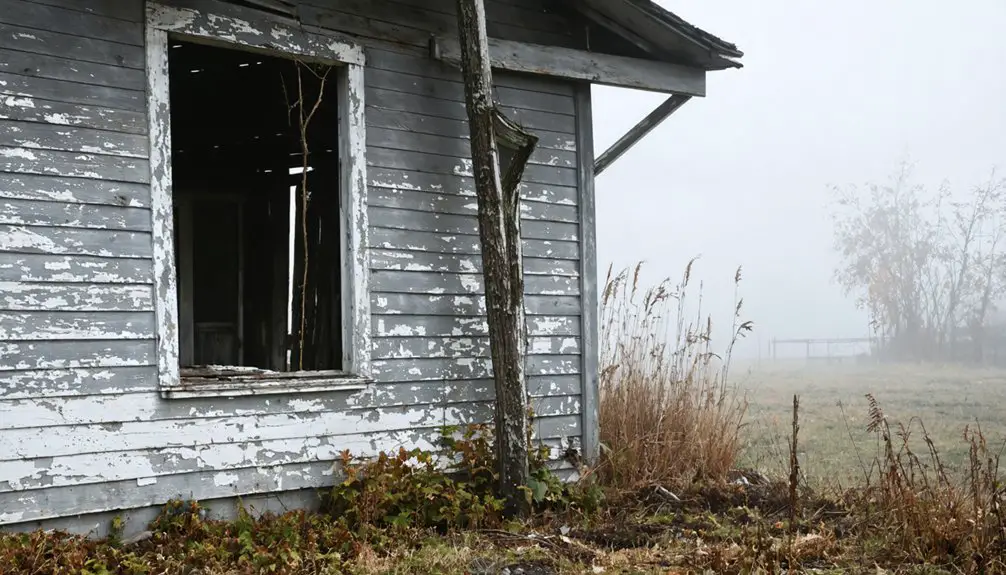
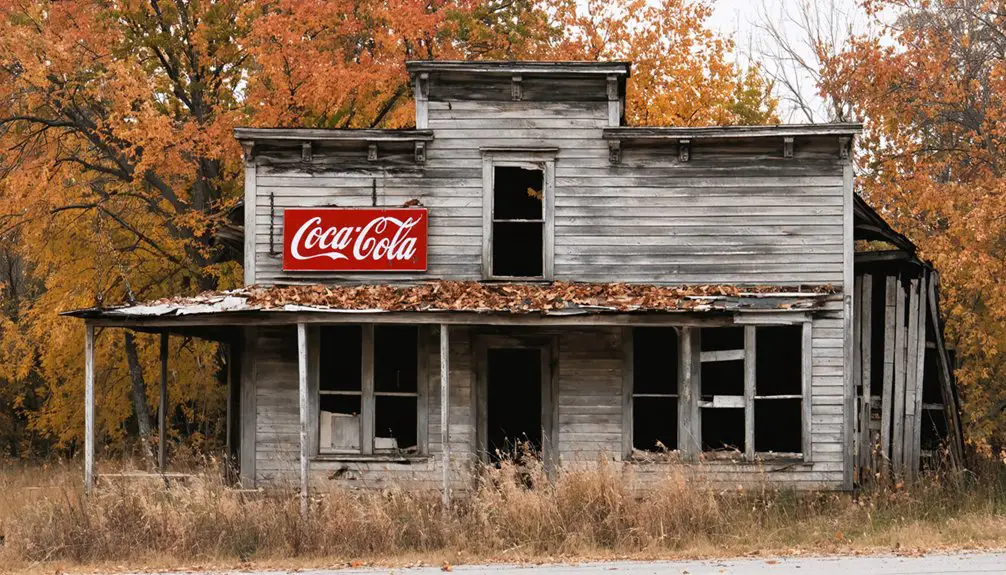
Today, you’ll find remarkable historical preservation in its stone walls, church foundations, and cemetery ruins hidden beneath a canopy of dense woodland.
What truly sets Clifton apart is the raw, unfiltered experience it offers. You’re not walking through a curated museum — you’re pushing through overgrown terrain, discovering remnants on your own terms.
Wildlife encounters are common among the heavy woods, adding an unpredictable, living dimension to your exploration. Clifton rewards the curious and the independent traveler equally.
Reaching Clifton means committing to the Keweenaw Peninsula’s remote, winding stretch of US-41, a two-lane highway threading between Calumet and Eagle Harbor with few services and even fewer signs pointing you in the right direction. Cell reception vanishes outside larger towns, so prepare before you leave.
The Keweenaw Peninsula doesn’t hold your hand — signal drops, signs disappear, and the road commits you before you do.
Historical preservation and local legends reward those who plan ahead.
- Download offline maps before departure
- Gas up in Calumet or Eagle Harbor — stations disappear fast
- Watch for unmarked turnoffs along US-41
- Combine stops at Central Mine’s visitors center and the lakeside town of Gay
- Expect marshy terrain and uneven ground once you arrive
You’re charting your own course out here, which is exactly the point. Freedom comes with preparation.
Is It Safe to Explore Clifton’s Overgrown Terrain?
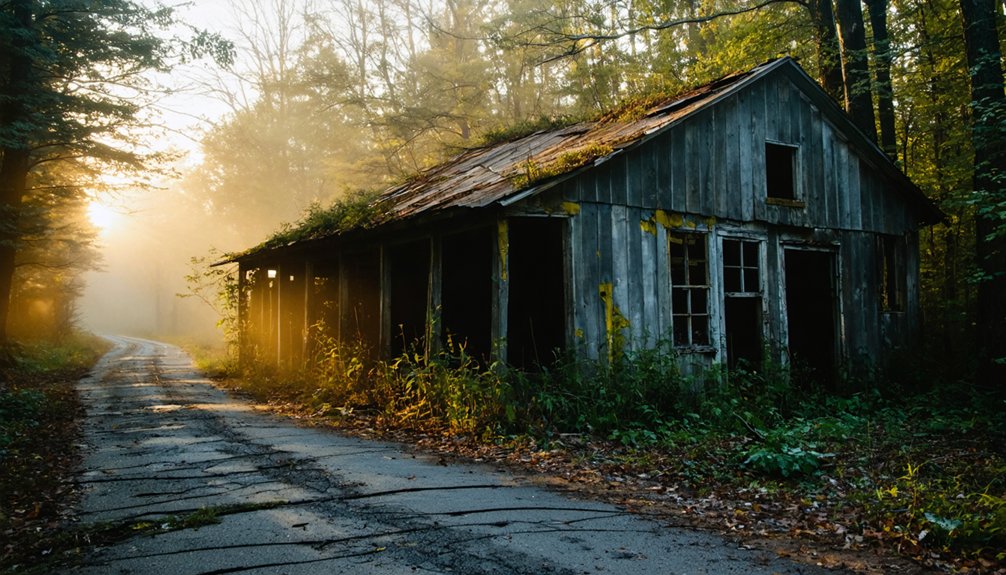
Exploring Clifton’s overgrown terrain is manageable, but you’ll need to respect what the landscape throws at you. Heavy woods conceal scattered ruins, and uneven terrain means twisted ankles are a real risk if you’re moving carelessly. Watch your footing constantly, especially near marshy patches that appear without warning.
Wildlife hazards are part of the deal here. You’re moving through dense Michigan forest, so stay alert and make noise as you push through overgrowth toward gravestones and crumbling foundations. Wear long pants and sturdy boots to protect against both rough brush and ticks.
Cell reception is unreliable, so don’t count on calling for help if something goes wrong. Go with a companion, carry water, and tell someone your plans before stepping off the trail.
The Churches, Cemeteries, and Copper Ruins Still Standing at Clifton
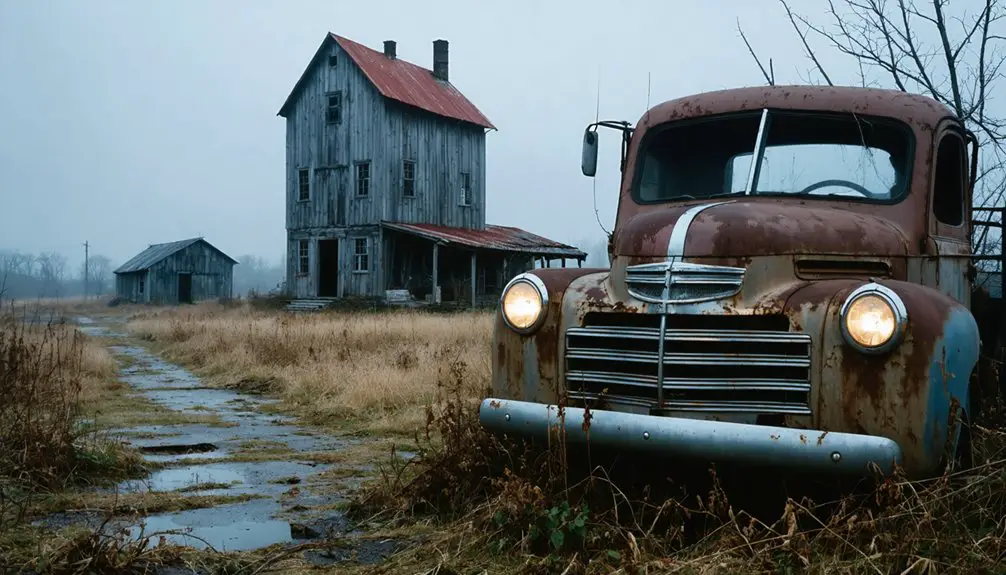
What’s left of Clifton rewards the effort it takes to reach it. You’ll find historic architecture frozen in time, wrapped in forest and silence.
What’s left of Clifton rewards the effort. Historic architecture, frozen in time, wrapped in forest and silence.
Cemetery preservation here tells the human story behind the copper boom. Explore these key remnants:
- Three church ruins hidden among dense woods, their stone foundations still intact
- Protestant Cemetery resting at the base of the cliff, anchoring the site’s history
- Catholic Cemetery sitting across the road, equally weathered and worth visiting
- Brewery and house remnants scattered throughout the overgrown landscape
- Cliff Mine ruins accessible via informal trails through the trees
Together, these surviving structures make Clifton arguably Michigan’s best-preserved ghost town. You’re not just walking through ruins — you’re moving through a community that copper built and silence reclaimed.
How to Build a Day Trip Around Clifton and Nearby Copper Country Ruins
Clifton is worth the effort, but you’ll get even more out of your drive by pairing it with the copper country ruins nearby. Start at Central Mine, where a visitors center provides solid historical preservation context before you head into wilder terrain.
From there, navigate US-41 toward Clifton, where unmarked turnoffs demand offline maps downloaded in advance. Gas up before leaving any larger town — services disappear fast out here.
After exploring Clifton’s overgrown ruins and cemeteries, push toward the lakeside town of Gay for a complete picture of copper country’s rise and fall.
Expect wildlife encounters along wooded stretches of road. This loop rewards curious, self-reliant travelers who come prepared and move deliberately through one of Michigan’s most hauntingly preserved landscapes.
Frequently Asked Questions
Who Originally Founded Clifton and What Company Discovered Copper There?
You’ll find that Allouez Township settlers founded Clifton in 1845, driving its town development after the Pittsburgh and Boston Mining Company discovered copper there — a pivotal mining history moment that shaped the entire Keweenaw Peninsula’s identity.
What Was Clifton’s Peak Population During Its Most Prosperous Years?
You’d have rubbed shoulders with 700 bustling residents at Clifton’s 1877 peak! This ghost town history reveals a thriving community before population decline stripped it bare, leaving only haunting ruins for your free-spirited exploration today.
How Many Pounds of Copper Did the Cliff Mine Produce Total?
You’ll find that the Cliff Mine’s copper production figures vary—it either produced 38 million or nearly 52 million pounds total. Either way, this mining history showcases an impressive copper production legacy you won’t forget.
When Did the Cliff Mine Officially Close Its Operations Permanently?
Closing completely in 1898, the Cliff Mine left lasting legacy for your ghost town exploration. You’ll find historic mining relics remaining, revealing a rich, rugged reality of copper country’s collapse after decades of declining deposits drained its viability.
How Many Ghost Towns Exist Across Michigan’s Upper Peninsula Today?
You’ll find nearly 100 ghost towns scattered across Michigan’s Upper Peninsula, each hiding abandoned structures wrapped in haunted legends. These forgotten copper boomtowns are yours to freely explore, uncovering Michigan’s raw, untamed industrial past at every overgrown turn.
References
- https://en.wikipedia.org/wiki/Clifton
- https://www.youtube.com/watch?v=gzGd0dY2CW4
- https://kids.kiddle.co/Clifton
- https://www.youtube.com/watch?v=7-vjuqiGWJU
- https://en.wikipedia.org/wiki/List_of_ghost_towns_in_Michigan