Planning a road trip to Eagle, Alaska means driving 160 miles of gravel along the Taylor Highway, which opens roughly from May through October. You’ll discover Interior Alaska’s first incorporated city, frozen in time since the gold rush era. Fort Egbert, Wickersham’s Courthouse, and preserved frontier architecture tell the story of a boomtown that once held 1,700 residents. Pack supplies, check road conditions, and keep your gas tank full—there’s far more to this remote time capsule than meets the eye.
Key Takeaways
- Eagle, Alaska, Interior Alaska’s first incorporated city (1901), offers an authentic ghost town atmosphere with largely intact boomtown architecture frozen in time.
- Access via the 160-mile Taylor Highway gravel road, open roughly May through October; carry extra fuel, spare tires, and check Alaska’s 511 system.
- Summer guided three-hour walking tours by the Eagle Historical Society cover gold rush history, Fort Egbert, Wickersham’s Courthouse, and local legends.
- Amenities are extremely limited; pack supplies, food, and arrange lodging or BLM campsite reservations near the Yukon River in advance.
- Shoulder seasons risk mud, early snow, and road closures, making summer the safest and most rewarding time to visit.
Eagle Alaska: A Preserved Gold Rush Boomtown on the Yukon River
Although it sits quietly on the south bank of the Yukon River today, Eagle once buzzed with over 1,500 gold-rush prospectors who flooded into the area between 1897 and 1898, drawn by the promise of riches on the American side of the border.
Over 1,500 gold-rush prospectors once flooded Eagle’s banks, chasing riches along the American side of the border.
Disillusioned Klondike miners founded the settlement, and it quickly grew into Interior Alaska’s first incorporated city by 1901.
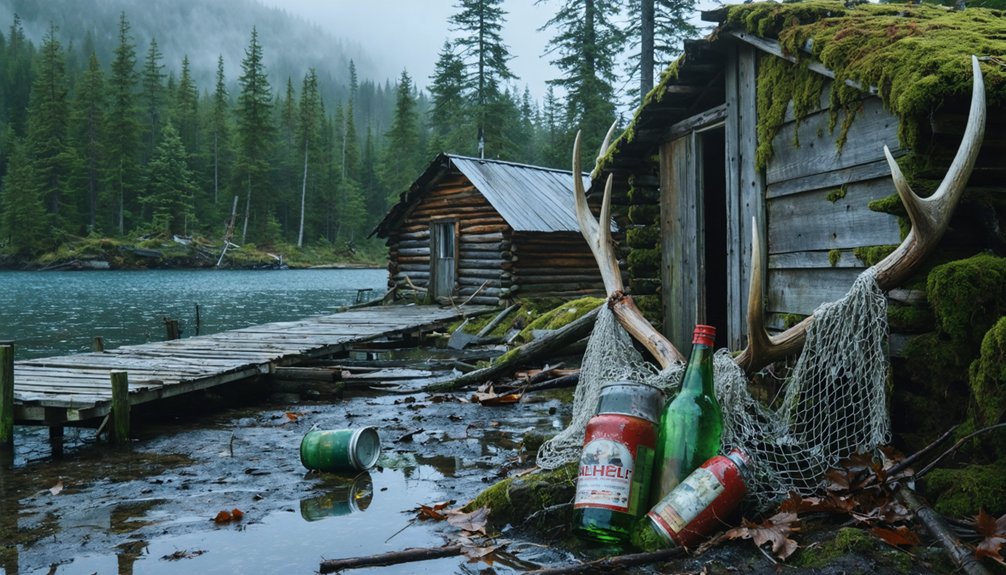
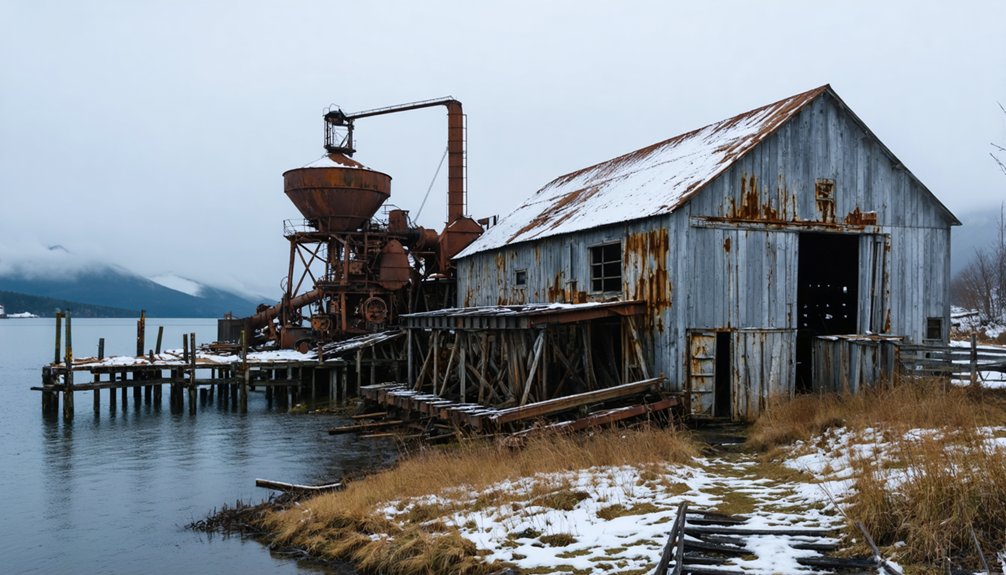
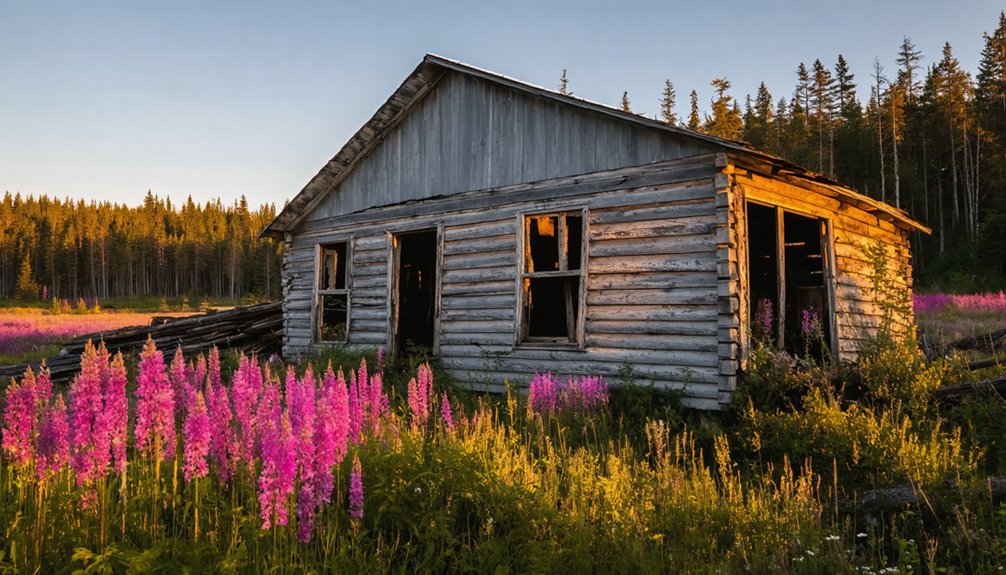
What you’ll find today is a rare preserved frontier town where historic architecture, local legends, and boomtown bones remain largely intact. Log cabins, clapboard buildings, and military ruins still define the landscape.
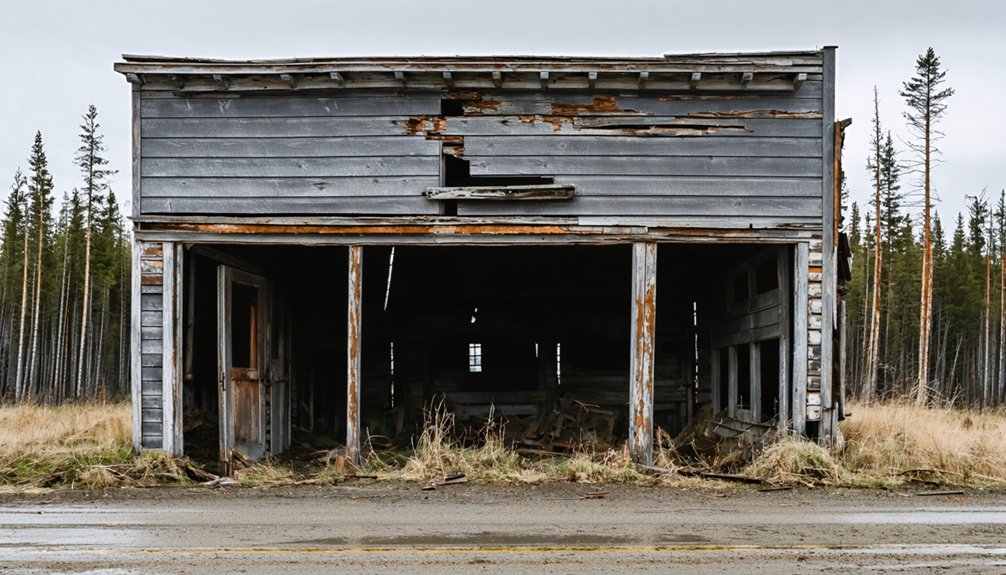
Eagle earned its boomtown status fast but declined just as quickly when gold migration shifted toward Nome and Fairbanks, leaving behind a semi-ghost town that’s remarkably well-preserved and genuinely worth the drive.
Eagle Alaska’s Gold Rush Rise and Sudden Decline
When gold-rush fever swept the Klondike in 1897–1898, disillusioned prospectors crossed into American territory and transformed Eagle from a modest trading post into a booming frontier city of more than 1,700 residents almost overnight.
Fort Egbert rose in 1899, a federal court arrived in 1900, and Eagle claimed the distinction of becoming Interior Alaska’s first incorporated city in 1901.
But the boom was short-lived — as gold seekers shifted their ambitions toward Nome and Fairbanks, Eagle’s population drained away, leaving behind the remarkably intact boomtown landscape you can still explore today.
Gold Rush Boomtown Growth
Once the Klondike Gold Rush ignited in the late 1890s, disillusioned prospectors who’d missed their fortune on the Canadian side crossed into American territory and staked their claim along the Yukon River. Eagle exploded almost overnight into a full-scale boomtown, swelling to over 1,700 residents by 1898.
You’ll still see the evidence today in:
- Mining relics scattered across the landscape, echoing the frantic ambition that built this town
- Frontier architecture — log cabins, clapboard structures, and military buildings frozen in the gold-rush era
- Strategic riverfront positioning that made Eagle a crucial Interior Alaska hub for supplies, governance, and travel
That raw, independent spirit of fortune-seekers who refused to quit defines Eagle’s character to this day.
Eagle’s Rapid Decline
Eagle’s boom burned bright but didn’t last long. By the early 1900s, gold discoveries in Nome and Fairbanks pulled prospectors away, draining Eagle’s population almost overnight.
The town that once bustled with over 1,500 residents shrank to a quiet fraction of that number, leaving buildings standing like frozen memories against the harsh seasonal weather.
You can still feel that abrupt abandonment when you walk Eagle’s streets today. The silence is broken only by local wildlife moving through the surrounding wilderness — a stark contrast to the frantic energy that once defined this frontier outpost.
What’s remarkable is how completely Eagle’s story shifted from boomtown chaos to near-stillness, preserving the raw, unfiltered atmosphere that draws freedom-seeking travelers to ghost towns in the first place.
When the Taylor Highway Opens and Why Timing Your Visit Matters
The Taylor Highway only opens for roughly half the year, so timing your visit to Eagle isn’t optional — it’s essential. Seasonal access typically runs from May through October, and smart travel planning around that window makes all the difference.
Here’s what to keep in mind:
- The road closes in winter — snowfall and ice make the 160-mile Taylor Highway impassable, cutting Eagle off entirely.
- Summer grants the full experience — the Eagle Historical Society’s three-hour walking tours only run during warmer months.
- Late spring and early fall carry risks — shoulder-season conditions can bring mud, closures, or early snowfall that strand unprepared travelers.
Check Alaska’s 511 road conditions system before you leave. Freedom loves preparation.
How to Drive the 160-Mile Taylor Highway to Eagle
Driving the Taylor Highway to Eagle isn’t a white-knuckle ordeal, but it demands respect — this is 160 miles of raw Alaskan interior where pavement thins, cell service vanishes, and the landscape swallows you whole.
The Taylor Highway demands respect — 160 miles where pavement thins, cell service dies, and Alaska consumes you.
Start from Tetlin Junction near Tok, where the highway heads north into boreal forest and open tundra. You’ll pass scenic viewpoints that stretch across ridgelines and river valleys, so keep your camera accessible.
Watch for local wildlife crossing the road — moose, bears, and caribou don’t yield. Drive with a full gas tank, carry spare tires, and bring water.
The road narrows and gravel sections demand slower speeds. Eventually, the highway terminates at the Yukon River’s south bank, and Eagle appears exactly as remote and rewarding as you hoped.
Fort Egbert, Wickersham’s Courthouse, and Eagle’s Six Historic Buildings
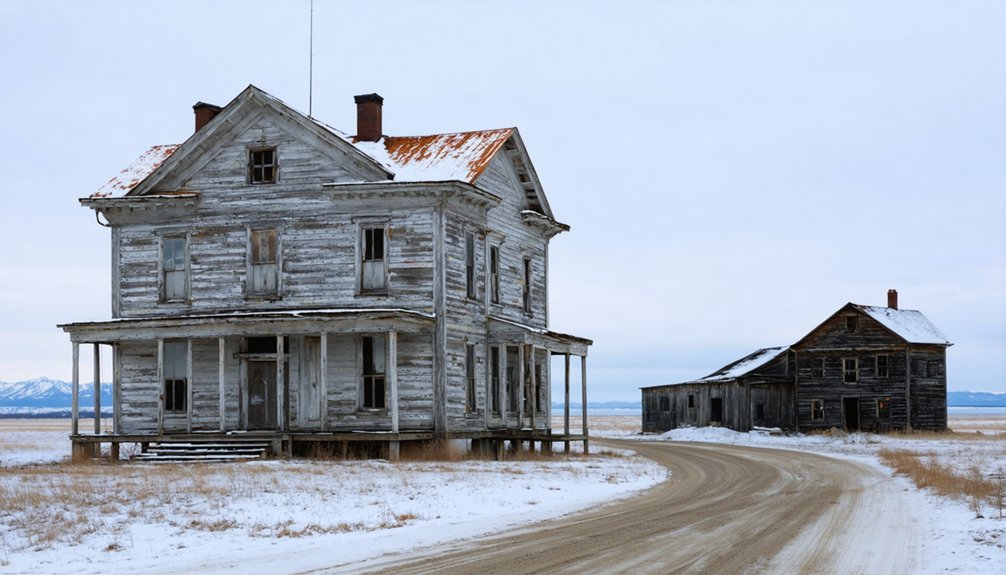
Once you arrive in Eagle, Fort Egbert anchors the historic district with the weight of its 1899 military origins, when the U.S. Army built the post to assert federal control over Alaska’s remote Interior.
A short walk from the fort, Wickersham’s Courthouse stands as a reminder that Eagle became the seat of the first federal court in Interior Alaska in 1900, cementing the town’s role as a frontier center of law and order.
The Eagle Historical Society ties these landmarks together through a network of six restored buildings that you can explore on a three-hour guided walking tour each summer.
Fort Egbert’s Military Legacy
Fort Egbert rose from the Alaskan wilderness in 1899, built to extend U.S. military control and communications deep into the Interior — and today it anchors Eagle’s most compelling historic landscape. Military strategy shaped every structure here, from supply depots to telegraph relay stations that connected isolated frontier settlements across thousands of miles.
Walk the grounds and you’ll encounter preservation techniques that keep this history tangible rather than buried:
- Restored warehouses reveal the scale of frontier military logistics
- Original telegraph equipment shows how Fort Egbert linked Eagle to the outside world
- Standing officer quarters put you directly inside 1899 military life
The Bureau of Land Management maintains these structures, so you’re not just imagining history — you’re standing inside it.
Wickersham’s Courthouse Significance
Just a year after Fort Egbert’s soldiers began wiring the Interior together, Judge James Wickersham rode into Eagle and set up the first federal court in Interior Alaska — and the courthouse he used still stands today. That 1900 milestone shaped the region’s judicial history by bringing federal law to a frontier that had largely governed itself by gold-rush custom and muscle.
When you walk through Eagle’s six restored historic buildings, the courthouse architecture stops you cold — its sturdy, no-nonsense construction reflects the same frontier pragmatism that defined the town. Eagle became Interior Alaska’s first incorporated city in 1901, and Wickersham’s courthouse anchored that legitimacy.
You’re not just looking at old wood and windows; you’re standing inside the moment Alaska’s Interior chose order over chaos.
Six Restored Historic Buildings
Wickersham’s courthouse is one piece of a larger puzzle that makes Eagle unlike almost any other ghost town on the map. The Eagle Historical Society manages six restored historic buildings, each preserving a different layer of frontier life. Together, they form Alaska’s most expansive museum system outside major cities.
Explore these standout stops:
- Fort Egbert – Walk through military ruins where soldiers maintained Interior communications in 1899.
- Eagle City Hall – Experience historic architecture that defined early frontier governance.
- Customs Building Museum – Discover Eagle’s role as a border checkpoint framed by stunning riverfront scenery.
You’ll find no roped-off exhibits here. You move freely through living history, connecting directly with the gold-rush era that shaped Alaska’s identity.
The Three-Hour Walking Tour That Covers Eagle’s Entire History
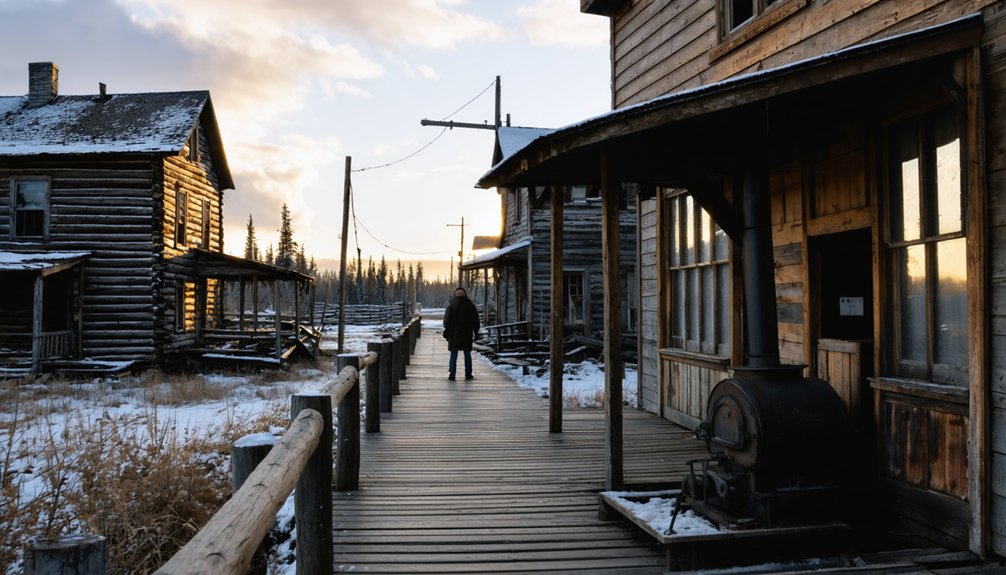
One of the best ways to take in Eagle’s layered history is through the Eagle Historical Society’s three-hour walking tour, which covers the town’s gold rush roots, military presence, and early frontier governance in a single outing.
Guides lead you past Fort Egbert, Wickersham’s Courthouse, the Log Church, and other landmark structures while weaving in local legends and ghost stories that bring the boomtown era to life.
You’ll hear how Eagle transformed from a prospectors’ camp into Interior Alaska’s first incorporated city, then quietly faded as fortune-seekers pushed on to Nome and Fairbanks.
The tour runs during summer months, so time your visit accordingly.
It’s the most efficient way to absorb Eagle’s full story without missing the details hidden inside its restored buildings.
Eagle Still Has Residents: What Visitors Should Know
Although Eagle carries the quiet atmosphere of a ghost town, it’s still home to a small permanent community, and that distinction shapes how you should approach your visit. Respect the local community by treating this place as a living town, not an abandoned relic.
Here’s what you need to know before arriving:
- Modern amenities are limited — fuel, food, and lodging options are scarce, so plan your supplies before driving the Taylor Highway.
- Private property exists throughout town — not every weathered cabin or historic-looking structure is open for exploration.
- Residents are your best resource — locals often share firsthand knowledge that no museum exhibit captures.
Eagle rewards travelers who arrive prepared and respectful of both its history and its people.
Where to Camp, Eat, and Overnight Near Eagle Alaska
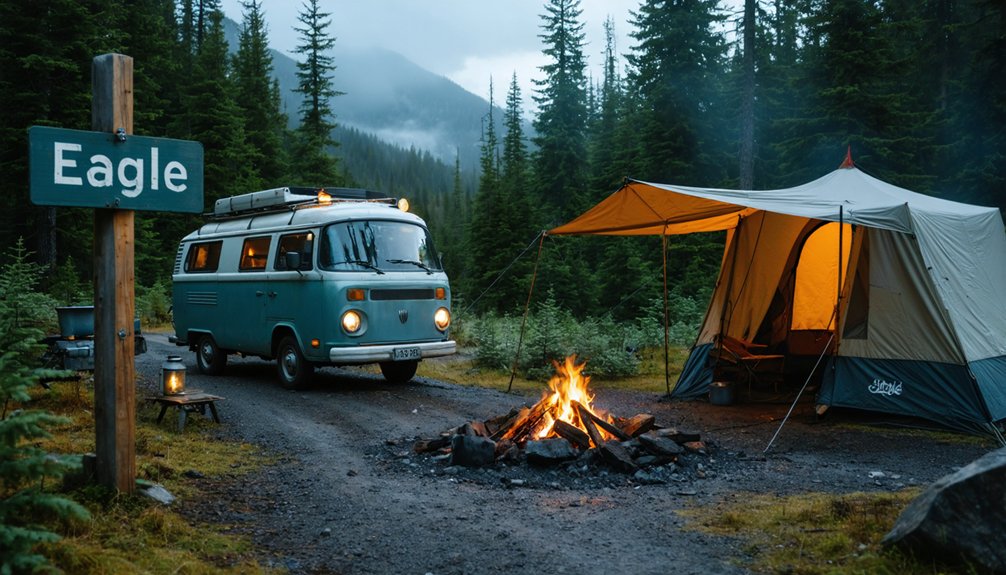
Knowing Eagle still has residents helps set your expectations, and so does knowing what to do when the day ends and you need a place to sleep or eat.
Local camping options include riverside spots near the Yukon where you can pitch a tent under long summer daylight. The Bureau of Land Management maintains access to some of these areas, so check current conditions before you arrive.
Local dining is limited, so pack enough food for your stay and treat any open café or roadside option as a bonus rather than a guarantee.
Eagle’s remote setting means self-sufficiency is your best travel strategy. Bring your own supplies, top off fuel before driving the Taylor Highway, and plan your overnight stop before the road puts you off the grid.
Frequently Asked Questions
Can Visitors Cross Into Canada From Eagle Along the Yukon River?
You can’t easily cross into Canada from Eagle via the Yukon River — cross border regulations restrict unofficial Yukon River crossings. You’ll need proper documentation and an official port of entry to chase that frontier freedom.
Is a Passport Required to Visit Eagle Near the Canadian Border?
Like a key opening adventure, your passport is essential. Travel document requirements and border crossing regulations mean you’ll need valid identification if you’re crossing into Canada from Eagle’s doorstep.
What Wildlife Might Travelers Encounter Driving the Taylor Highway to Eagle?
You’ll spot moose, bears, wolves, and caribou along the Taylor Highway. Wildlife sightings are common, and you’ll love the birdwatching opportunities as eagles, hawks, and ptarmigan soar freely through Alaska’s untamed wilderness.
Are There Guided River Trips Available for Visitors Arriving in Eagle?
You’ll find river adventure waiting at Eagle, where the Yukon River offers scenic views that’ll take your breath away. Check with the Yukon-Charley Rivers National Preserve headquarters locally, as guided trips vary seasonally.
Does Eagle Alaska Have Reliable Cell Service or Internet for Travelers?
Don’t count on cell service or internet connectivity in Eagle — and that’s honestly liberating. You’ll disconnect completely from the digital world, trading scrolling screens for raw Alaskan wilderness, historic frontier streets, and the mighty Yukon River.
References
- https://www.nps.gov/yuch/learn/historyculture/eagle-city.htm
- https://www.travelalaska.com/destinations/cities-towns/eagle
- https://www.thealaskalife.com/blogs/news/uncovering-amalga-a-ghost-town-in-southeast-alaska
- https://coloradosghosttowns.com/eagle alaska.html
- https://www.ghosttowns.com/states/ak/eagle.html
- https://en.wikipedia.org/wiki/Eagle
- https://thealaskafrontier.com/ghost-towns-in-alaska/
- https://en.wikipedia.org/wiki/List_of_ghost_towns_in_Alaska
- https://www.nps.gov/places/eagle-historic-district.htm