Planning a ghost town road trip to Ophir, Alaska means trading paved highways for bush planes and silence for history. You’ll fly into McGrath, charter a small aircraft, and land in a relic of Alaska’s 1906 gold rush — a town that once held nearly 1,000 ambitious souls and now offers only rusting dredges, weathered walls, and Iditarod sled teams passing through. Pack smart, stay self-sufficient, and let Ophir’s haunting wilderness pull you deeper into its story.
Key Takeaways
- Ophir, Alaska, is accessible only by bush plane from McGrath or via winter Iditarod trails—no paved roads lead there.
- Summer (June–August) is ideal for visiting, offering easier access, long daylight hours, and exploration of historic ruins.
- Key landmarks include a rusting gold dredge, weathered structures, and an overgrown abandoned airstrip from the gold-rush era.
- Pack navigation tools, emergency supplies, and food for at least two days, as no services or cell signal exist.
- Nearby ghost towns like Innoko, Flat, and Poorman offer additional abandoned mining sites worth including in your route.
What Makes Ophir, Alaska Worth the Road Trip?
Though it sits abandoned in the remote Alaskan interior, Ophir carries the full weight of gold-rush mythology — it’s a place where Bible-reading prospectors once struck it rich along the Innoko River drainage and named their boomtown after King Solomon’s legendary source of gold.
Abandoned yet mythic, Ophir echoes with gold-rush ambition — named after King Solomon’s legendary treasure by prospectors who actually struck it rich.
At its peak around 1907, nearly 1,000 souls chased fortune here. Now silence holds the ground.
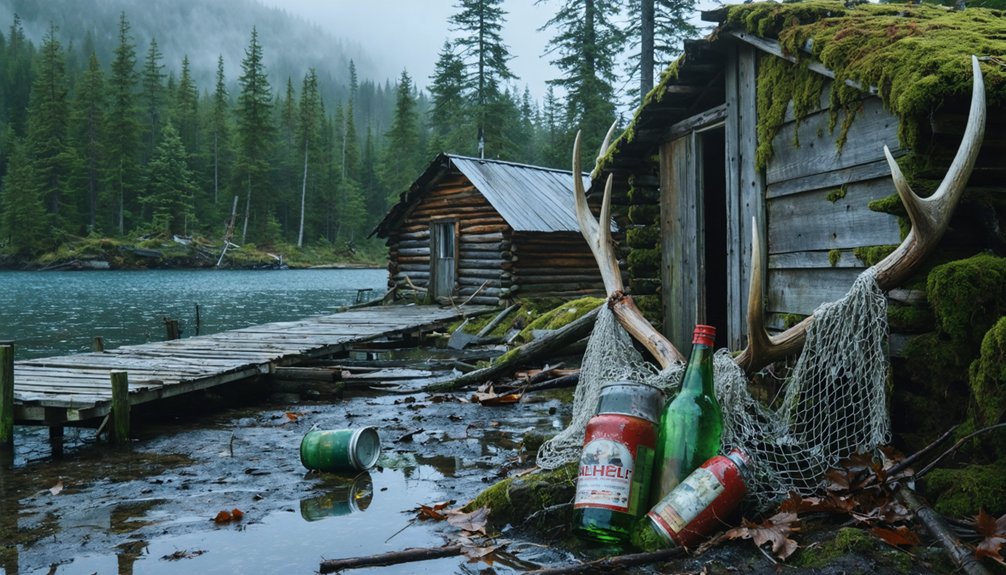
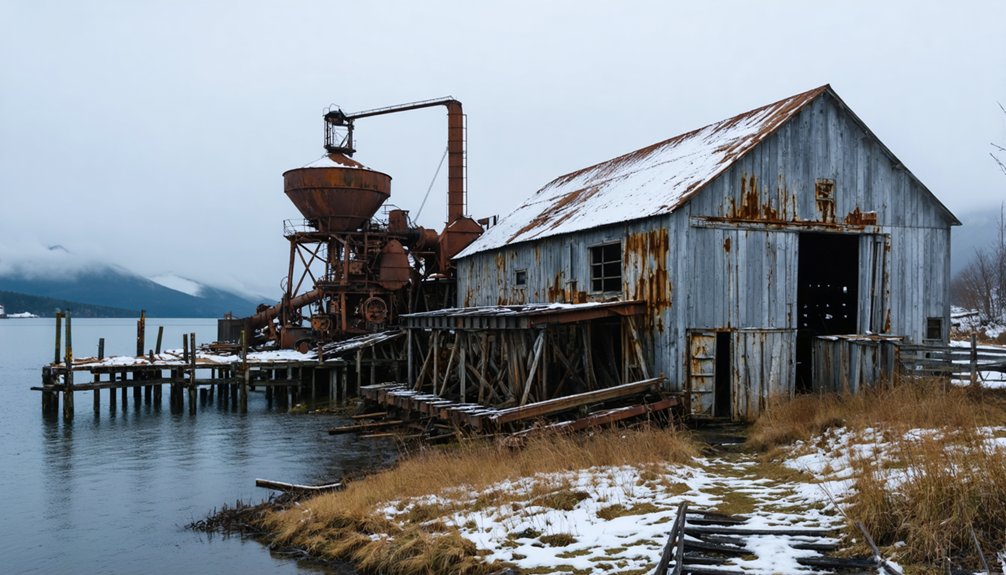
What you’ll find today are mining relics, a rusting gold dredge, weathered structures, and a dilapidated airstrip slowly surrendering to the wilderness. Local legends of boom-era ambition linger in every collapsed wall and overgrown creek bank.
Ophir also serves as an Iditarod checkpoint, adding frontier endurance to its already layered identity. If you crave unfiltered history off the beaten path, this ghost town delivers it raw.
How to Actually Get to Ophir, Alaska
Reaching Ophir demands the kind of commitment the original prospectors would’ve respected. There’s no paved highway delivering you to its doorstep. You’ll navigate remote bush Alaska, relying on small aircraft or winter trails to close the final miles.
Many travelers fly into McGrath, the nearest hub, then charter a bush plane into Ophir’s dilapidated airstrip.
Time your visit carefully. Weather conditions shift fast in interior Alaska, grounding flights and turning trails treacherous without warning. Winter travel follows the Iditarod corridor, offering a raw, historic approach across frozen terrain.
Summer opens bush plane access but demands flexibility.
Stay alert to local wildlife throughout the journey — moose, bears, and wolves patrol these corridors freely. This land doesn’t accommodate careless travelers.
Come prepared, stay adaptable, and you’ll earn the ghost town waiting at the end.
Ophir’s Gold Rush: How a Town of 1,000 Disappeared
When you trace Ophir’s origins, you’ll find that gold discovery in the late 1800s ignited a rush that sent miners flooding into the region by 1906, drawn by the promise of riches buried in the Innoko River drainage creeks.
By 1907–1908, the town had swelled to nearly 1,000 people—a raw, booming frontier community carved out of the Alaskan wilderness almost overnight.
But the gold didn’t last, and as the creeks ran lean, miners scattered, populations collapsed, and by 1955 Ophir’s era had effectively ended, leaving behind only silence and ruins.
Gold Rush Begins
Around 1906, word spread fast: gold had been found in the Alaskan interior, and prospectors flooded the Ophir creek drainage with picks, pans, and a fever that transformed raw wilderness into a boomtown almost overnight.
These weren’t reckless drifters — they were Bible-reading miners who named the town after King Solomon’s legendary land of gold, convinced they’d struck something biblical.
By 1907 and 1908, Ophir’s population had surged to nearly 1,000 people.
If you’d stood here then, you’d have seen a frontier community buzzing with ambition against a backdrop that still rewards landscape photography today.
Local wildlife moved through the same creek valleys where men once staked claims, indifferent to the rush unfolding below.
That contrast — wild nature meeting human hunger — defined Ophir from the start.
Peak Population Reached
By 1907 and 1908, Ophir had hit its ceiling — a raw, improbable peak of nearly 1,000 souls packed into a landscape that had been pure wilderness just years before. Saloons, supply stores, and mining camps carved order from the bush. You can almost hear the noise of it — picks striking gravel, men trading mining legends around open fires, the whole frontier humming with possibility.
That population spike wasn’t accidental. Gold had a way of pulling people toward risk, and Ophir rewarded the bold, at least briefly.
If you feel frontier nostalgia when you stand here today, you’re standing where ambition once ran at full volume. The silence you encounter now is the sharpest contrast imaginable to what this ground once held.
Town’s Rapid Decline
Gold towns don’t fade — they collapse. By the 1940s, Ophir’s veins had run dry, and the miners vanished almost overnight. The gold dredge fell silent, mining equipment rusted into the permafrost, and local legends of fortune gave way to quiet abandonment.
By 1955, the rush was officially over.
What you’ll find when you visit is a timeline of collapse told through decay:
- The dredge — once roaring, now frozen in place like a metal monument to broken dreams
- Crumbling structures — buildings that housed 1,000 souls, now holding only wind
- Silence — the most powerful artifact left behind
You’re standing where ambition peaked and disappeared. That contrast is exactly why you came.
Why Miners Named Ophir After King Solomon’s Gold
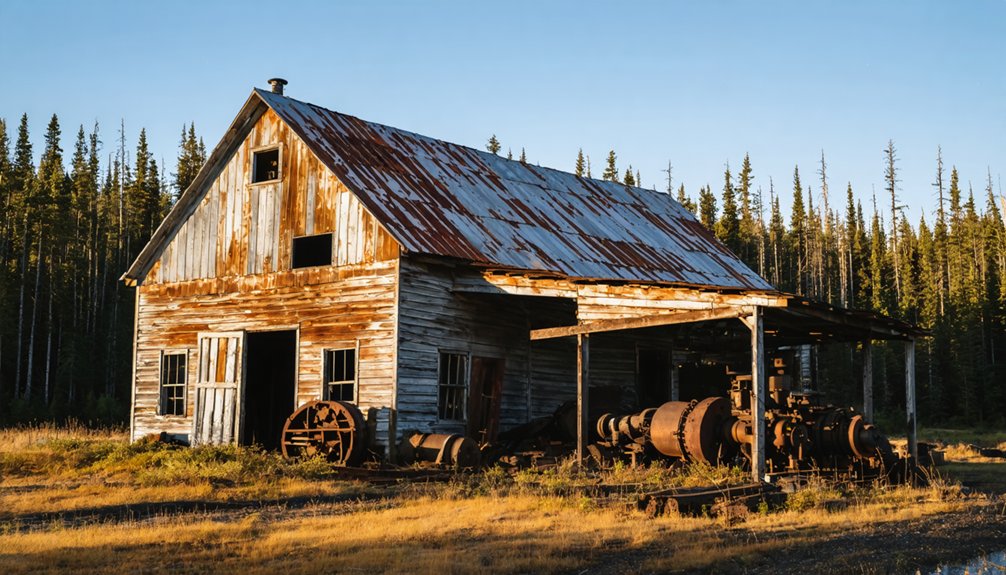
When you learn the town’s name, you uncover a deliberate act of biblical ambition — prospectors named Ophir after the legendary land of Ophir mentioned in the Old Testament, the mythical source of King Solomon’s gold.
These were Bible-reading miners who saw Alaska’s untapped creeks as their own promised wilderness, rich with the same fortune scripture described.
You’re standing in a place where frontier faith and gold-rush hunger fused into a single, telling sign.
Biblical Origins Of Ophir
These Bible-reading prospectors felt the connection deeply:
- Ophir in scripture represented the ultimate source of gold, precious stones, and rare timber.
- King Solomon’s ships traveled ancient trade routes to reach Ophir’s legendary shores.
- Naming their town Ophir transformed a frozen creek into something mythic — a modern echo of scripture.
You’re not just visiting a ghost town. You’re standing inside someone’s living dream.
Solomon’s Gold Inspires Miners
Somewhere in the Old Testament, a land called Ophir supplied King Solomon with staggering wealth — gold, almug timber, and precious stones carried across ancient trade routes by his fleet of ships.
When Bible-reading prospectors struck gold in Alaska’s remote interior around 1906, that ancient name carried real weight. They weren’t just naming a camp — they were writing themselves into mining legends stretching back thousands of years.
You can almost feel their ambition when you stand among the ruins today. These were frontier stories written by men who believed they’d found their own Ophir, their own legendary source of untold riches.
That biblical connection gave the gold rush a grander meaning, transforming a remote creek into something that felt almost mythic and destined.
What You’ll Still Find Standing in Ophir Today?
Though Ophir’s population long since dwindled to zero, the town hasn’t vanished entirely — a few stubborn remnants still anchor the site to its gold-rush past. When you arrive, you’re stepping into frozen history. Here’s what still greets you:
- A gold dredge — hulking mining equipment left exactly where ambition ran out, rusting beautifully against the wilderness.
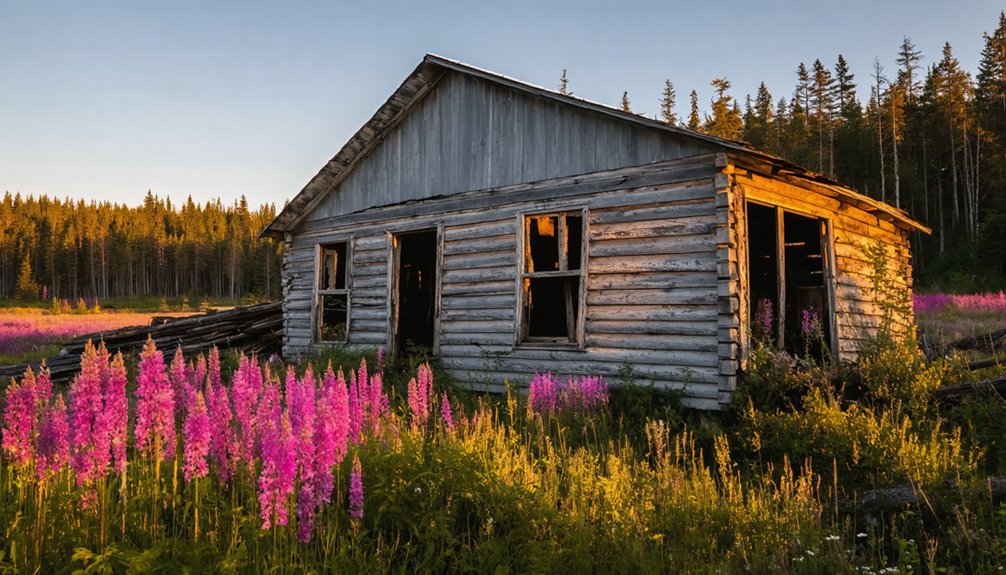
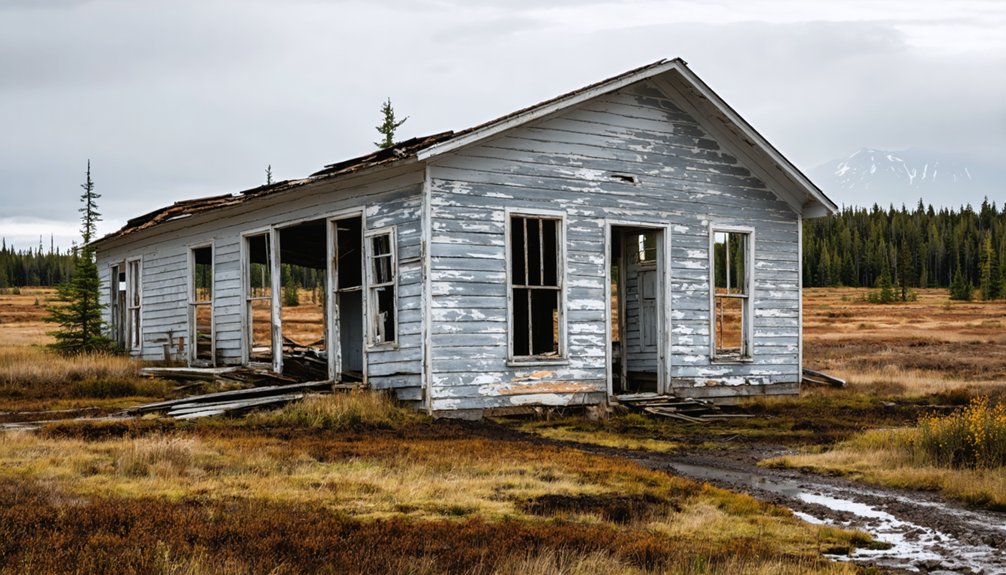
- Weathered boom-era buildings — skeletal structures that once housed a thousand restless souls chasing fortune at the edge of the known world.
- A dilapidated airstrip — your reminder that even isolation had escape routes.
You won’t find historical plaques polishing up the narrative here. Ophir tells its story raw, through broken timber and silence — precisely the kind of freedom most travelers never get to feel.
The Gold Dredge, Abandoned Runway, and Ruins Up Close
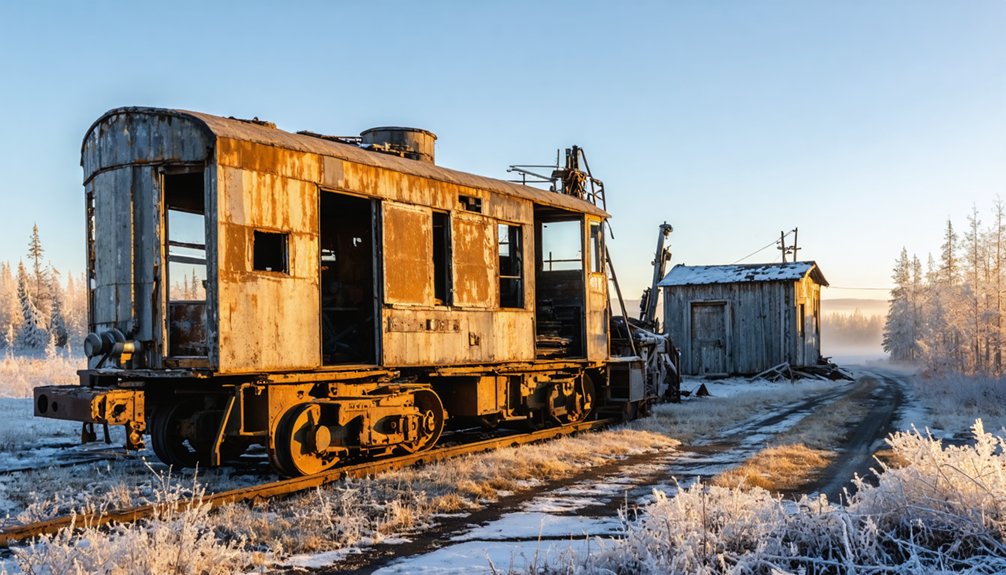
When you walk up to Ophir’s gold dredge, you’re standing beside the machine that effectively wrote the town’s obituary — a massive, rust-eaten hull that clawed gold from the creek beds until there was nothing left to take. This mining equipment once represented industrial ambition at its peak; now it’s a skeletal monument to exhaustion.
Nearby, the abandoned runway cuts through the brush like a faded scar — overgrown, cracked, and silent. It once connected Ophir to the outside world when the population still needed that lifeline.
The historic ruins scattered around the site complete the picture. Sagging walls, collapsed rooflines, and forgotten foundations tell you everything about what happens when a town’s singular purpose disappears. You’re not just sightseeing here — you’re reading a frontier eulogy written in timber and rust.
Ophir’s Role as an Iditarod Trail Checkpoint
Once a year, Ophir shakes off its silence. The Iditarod Trail sweeps mushers and sled dogs straight through this ghost town, turning abandoned ground into a living checkpoint charged with frontier atmosphere. You’ll feel the mining folklore beneath every frozen step — this trail once carried gold seekers, and now it carries racers chasing something equally relentless.
If you time your visit right, here’s what hits hardest:
- Dog teams ghosting past century-old ruins under arctic skies
- Volunteers operating where no permanent soul has lived in decades
- The raw contrast between human ambition then and human endurance now
Ophir doesn’t just remember its past here — it briefly resurrects it, giving you a rare window into Alaska’s untamed, unfiltered spirit.
When Is the Best Time to Visit Ophir, Alaska?
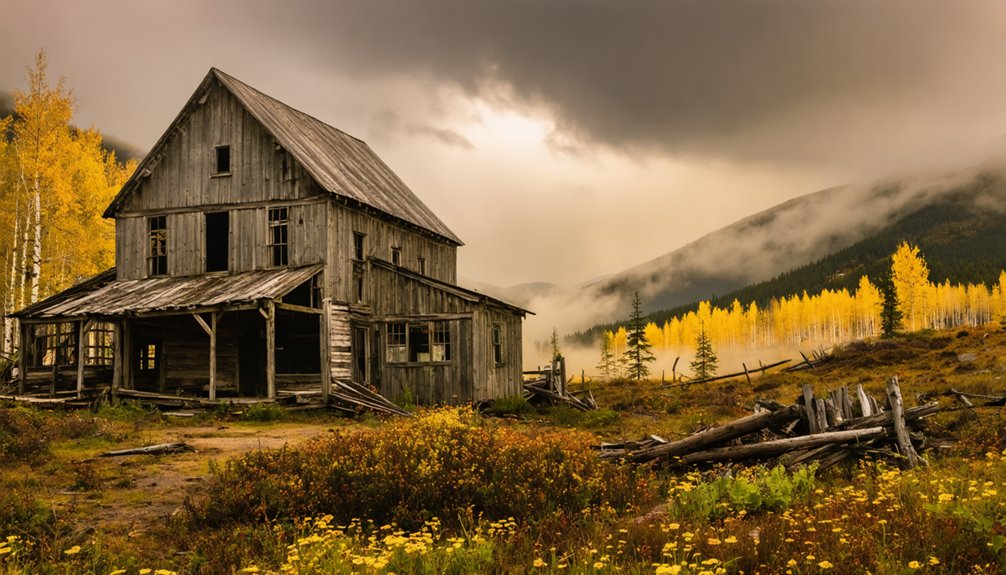
Timing your trip to Ophir means choosing between two very different Alaskas. Summer opens the land — long daylight hours let you study the historic architecture up close, trace dredge lines through overgrown creek beds, and absorb local legends about prospectors who named this place after Solomon’s gold.
June through August offers the most accessible conditions, though you’ll still face remote terrain and minimal services.
Winter transforms Ophir entirely. The Iditarod checkpoint briefly resurrects the ghost town each March, bringing sled teams and race energy to frozen silence. It’s raw and unforgettable, but harsh.
If you want freedom to wander, photograph, and explore without battling brutal cold, summer wins.
Either way, Ophir rewards travelers who come prepared and expect nothing handed to them.
What to Pack for Ophir’s Remote, No-Service Terrain
Packing for Ophir isn’t like prepping for a developed trailhead — there’s no ranger station, no convenience store, and no cell signal waiting to bail you out. You’re stepping into a ghost town where the last permanent resident is long gone, and the land doesn’t negotiate. Pack deliberately:
Ophir doesn’t forgive the unprepared. No ranger, no signal, no second chances — pack like the land means it.
- Navigation tools — physical maps and a GPS unit, because the historic landmarks won’t guide you home
- Emergency supplies — first aid, emergency shelter, and enough food for an extra two days minimum
- Documentation gear — a camera to capture the gold dredge and rusted mining equipment before weather swallows what’s left
You’re not visiting a museum. You’re entering raw frontier history, and it demands that you arrive fully self-sufficient and completely prepared.
Nearby Alaska Ghost Towns to Extend Your Road Trip
Ophir doesn’t have to be your only ghost town — Alaska’s interior is scattered with abandoned mining settlements that reward the traveler willing to push deeper into the backcountry. Nearby Innoko country holds forgotten camps where dredges rusted into the permafrost and creek-side cookhouses once served as the closest thing to local cuisine for exhausted prospectors.
Ghost towns like Flat and Poorman sit within striking distance, each carrying their own gold-rush scars and weathered bones. Traveling between them, you’ll move through boreal wilderness where wildlife observation becomes unavoidable — moose wade creek crossings, and ravens circle abandoned headframes.
Push your route deliberately, carry your own supplies, and let the silence of these emptied towns remind you exactly why you came this far north.
Frequently Asked Questions
Is a Permit Required to Visit Ophir’s Abandoned Mining Structures?
The knowledge doesn’t confirm a permit requirement, but you’ll want to check current historical preservation rules and safety regulations before exploring Ophir’s crumbling structures — they’re remote, unstable, and demand respectful, informed adventuring on your terms.
Are There Any Guided Ghost Town Tours Available Near Ophir?
With zero permanent residents, formal guided tours don’t exist, but you’ll uncover local legends and historical preservation efforts independently. Explore Ophir’s abandoned structures freely, letting the gold rush’s 1,000-person boom-era ghost town speak for itself.
Can You Legally Pan for Gold Around Ophir’s Historic Creek Sites?
You can try gold panning near Ophir, but you’ve got to respect historic regulations—always verify land ownership and mining claims first. Chase that frontier dream responsibly, and you’ll connect with Alaska’s legendary gold-rush spirit authentically.
Has Ophir Ever Appeared in Alaska-Themed Documentaries or Television Shows?
Ophir’s ghost town charm hasn’t starred in major documentaries, but you’ll find it featured in Iditarod coverage. Explore its historical preservation, chase wildlife observation moments, and you’re living your own adventurous, freedom-fueled Alaskan frontier story.
Are Drones Allowed for Photography Over Ophir’s Ghost Town Site?
Before you fire up your Instagram drone, check FAA drone regulations carefully — no specific photography permits exist for Ophir, but Alaska’s remote airspace rules still apply, so you’re responsible for flying legally over this haunted frontier.
References
- https://iditarod.com/zuma/virtual-trail-journey-ophir-at-mile-352/
- https://www.kennecott-groundbreakers.com/stories/ophir-tooele-county-utah
- https://michael-hankins.com/2025/08/09/ann-sanders-mystery-maiden-of-ophir-alaska/
- https://www.adn.com/iditarod-communities/slideshow/photos-ghost-town-ophir/2013/03/06/
- https://de.wikipedia.org/wiki/Ophir_(Alaska)
- https://fr.wikipedia.org/wiki/Ophir_(Alaska)
- https://ghosttownsbix.com/how-ophir-became-a-modern-alaskan-ghost-town/
- https://en.wikipedia.org/wiki/Ophir