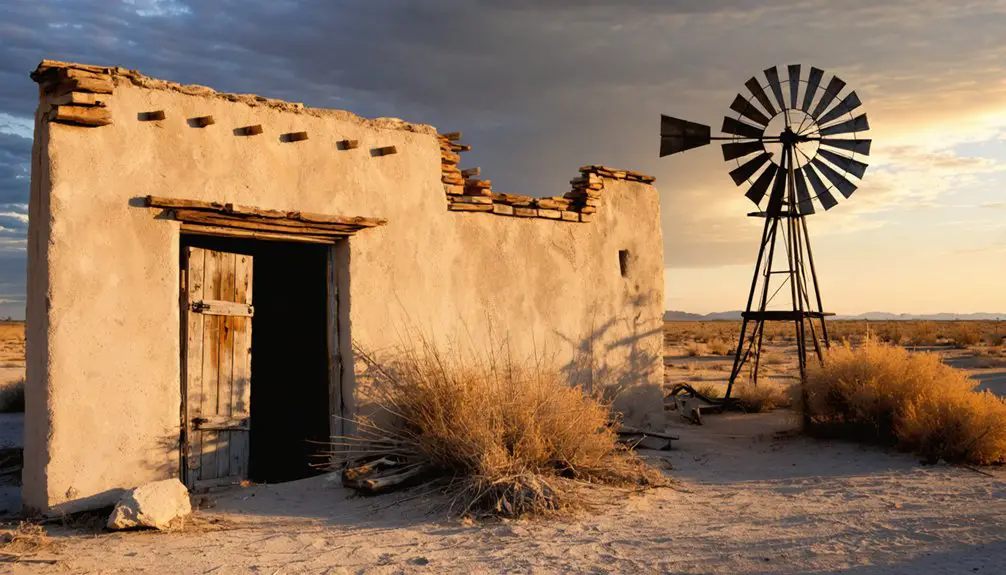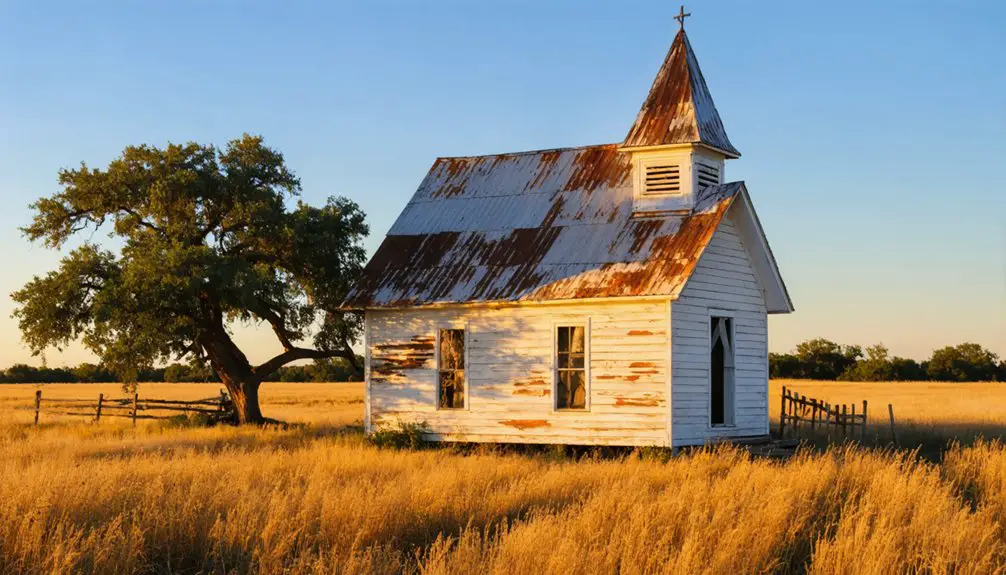
Planning a ghost town road trip to Owens, Texas starts with a straightforward 28-mile drive east of Lubbock on Farm Road 40 into Crosby County’s wide-open High Plains. You’ll find a town with roots stretching back to the 1870s, a resilient cotton farming legacy, and layers of local history that most overlooked rural stops can’t match. Bring your camera, time your arrival for golden hour, and keep exploring — there’s far more to this story than the landscape first reveals.
Key Takeaways
- Owens, Texas, sits 28 miles east of Lubbock in Crosby County, accessible via Farm Road 40 with navigation apps recommended.
- Spring and fall offer the best visiting conditions, with mild temperatures, clear skies, and optimal photography lighting.
- Arrive during golden hour to capture striking shadows across structural remnants and the flat West Texas landscape.
- The town’s history includes a brick schoolhouse, a massive cotton gin destroyed in a 1948 sandstorm, and resilient rebuilding efforts.
- Pair your visit with nearby Crosby County landmarks and small-town diners for a fuller, culturally rich day trip.
What Makes Owens, Texas Worth the Drive?
Though it may not appear on most road-trip radar, Owens, Texas carries a quiet historical weight that makes it worth seeking out. Settled in the early 1870s and once known as Clio, this Crosby County community evolved through cotton farming, a school built by Tom B. Owens, and one of the largest cotton gins in the region.
You won’t find crowds or curated tours here — just open land, local legends tied to the families who shaped this place, and the kind of atmosphere that rewards the curious. While historical artifacts are sparse, the layered story behind Owens’ survival and slow decline speaks volumes.
If you value authentic, off-the-beaten-path discovery, this small rural stop delivers exactly that.
Where Owens Is and How To Get There
You’ll find Owens tucked into Crosby County, roughly 28 miles east of Lubbock — close enough to make it a manageable day trip from the Hub City.
To get there, take Farm Road 40 east, where the flat West Texas landscape stretches out around you as the miles tick down. It’s a straightforward drive with no complicated navigation, just open road leading you toward a quiet piece of Texas history.
Owens’ Crosby County Location
Tucked away on Farm Road 40 in Crosby County, Owens sits about 28 miles east of Lubbock, making it a straightforward detour if you’re already exploring the South Plains region. The flat, open landscape gives you a clear sense of how isolated early settlers once were here, surviving on grit and local legends about cotton harvests and sandstorm seasons.
First settled in the early 1870s, this unincorporated community quietly held its ground long after many similar towns disappeared entirely. While preservation efforts remain minimal, the community’s history still lingers in the rural infrastructure surrounding it.
You won’t find highway signs celebrating Owens, so keep your navigation app ready and your eyes sharp — Farm Road 40 doesn’t announce this small piece of Texas history loudly.
Nearby Lubbock Proximity
Sitting just 28 miles east of Lubbock, Owens is one of the easier ghost town detours you can make on a South Plains road trip. Head out on Farm Road 40, and you’ll reach this quiet, unincorporated community without much trouble.
The open plains give you room to think, and the drive itself sets the mood for local legends and ghost stories that small Texas communities tend to carry.
- Farm Road 40 connects directly to Owens from Lubbock, making navigation straightforward
- The rural setting amplifies the atmosphere, perfect for anyone chasing ghost stories off the beaten path
- Lubbock serves as your base camp, offering fuel, food, and lodging before you venture out
You’re close enough to day-trip it without any complicated planning.
Farm Road 40 Access
Farm Road 40 is your direct line out to Owens, and it doesn’t ask much of you. Head east from Lubbock about 28 miles, and you’ll find yourself rolling through flat Crosby County terrain with wide skies pressing down on every side.
The road is straightforward, unhurried, and exactly the kind of drive that fits a ghost town excursion. You won’t need a four-wheel drive or special gear — just a reliable vehicle and a curious mindset.
Once you arrive, keep your eyes open for historic markers that anchor the community’s story to the land. Owens sits quietly off this rural corridor, easy to miss if you’re not watching for it, but absolutely worth the brief detour from the main highway.
The History Behind Owens, Crosby County
When you visit Owens, you’re stepping onto land that settlers first claimed in the early 1870s, though the post office didn’t open until 1878 under the name Clio.
The town took its current name from Tom B. Owens, who invested in the community by building a four-room brick school in 1924, sparking a brief period of growth that brought stores and one of Crosby County’s largest cotton gins.
That momentum didn’t last, though, as the population steadily shrank from 75 in 1980 to just 40 by 2000, leaving behind the quiet, sparse landscape you’ll find today.
Early Settlement Origins
Nestled on Farm Road 40 about 28 miles east of Lubbock, Owens has roots stretching back to the early 1870s, making it one of Crosby County‘s oldest settlements. Local legends tie the community’s identity to Tom B. Owens, whose 1924 four-room brick school reshaped the town’s future. Preservation efforts remain minimal, but understanding its origins deepens your appreciation of this quiet crossroads.
- The post office launched in 1878 under the name Clio, reflecting the settlement’s early independent identity.
- Tom B. Owens’ brick schoolhouse prompted the town’s official renaming, cementing his lasting legacy.
- First settlers arrived in the early 1870s, establishing roots decades before formal infrastructure appeared.
Knowing this backstory transforms your visit from a simple drive-through into a meaningful historical encounter.
Growth And Decline
Once the community planted its roots, growth followed quickly. By 1925, F. E. Watkins had opened a store that ran successfully for 20 years, and C. F. Dean built one of the largest cotton gins in Crosby County that same year. These developments gave Owens real economic momentum and added to its historical significance as a self-sustaining rural community.
But decline arrived just as decisively. A 1948 sandstorm destroyed the gin, and though it was rebuilt, the town’s population steadily dropped — from 75 residents in 1980 to just 40 by 2000.
Today, preservation efforts remain minimal, leaving little infrastructure behind. When you visit, you’re fundamentally reading the land itself, piecing together a community that once hustled but slowly faded into the Texas plains.
What You’ll Find on the Ground Today
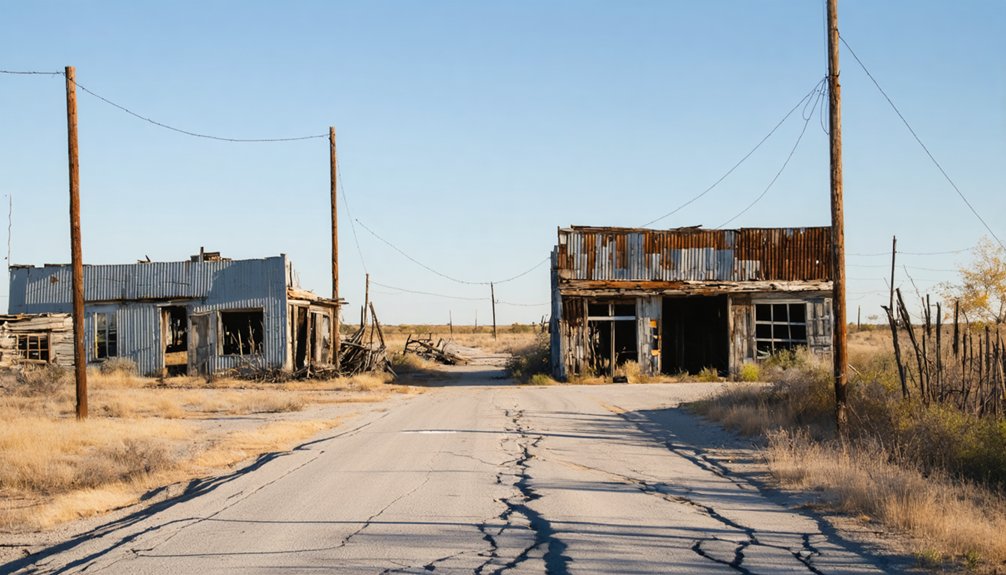
Though Owens has quietly outlasted many Texas ghost towns, you won’t find much waiting for you when you arrive. The open plains swallow most of what once stood here. Still, the drive out on Farm Road 40 carries its own reward — wide skies, raw land, and the freedom to imagine what life looked like when cotton gins ran and neighbors built schools brick by brick.
Watch for these grounding details as you explore:
- Historical artifacts are scarce, but the rural landscape itself tells the story
- Local legends around the 1948 gin fire still circulate among longtime residents
- The sparse community infrastructure hints at a people who stayed long after the boom faded
Come curious, not expecting a museum.
The Best Season To Visit Owens
When you make the drive out to Owens, the season you choose shapes everything about that experience. Spring delivers the most rewarding conditions — wildflower blooms stretch across the Crosby County flatlands, temperatures stay mild, and the open sky feels generous rather than punishing. You’ll move freely without fighting extreme heat or icy roads.
Summer’s seasonal weather turns brutal fast on the South Plains. Triple-digit heat and blowing dust make outdoor exploration genuinely uncomfortable, so skip it if you can.
Fall offers a solid alternative — cooler air, less wind, and clear visibility across the flat terrain.
Winter works only if you’re chasing solitude and don’t mind cold snaps.
Whatever month you pick, check local forecasts before heading out, since rural Crosby County offers zero shelter if conditions shift.
How To Build a Day Trip Around Owens
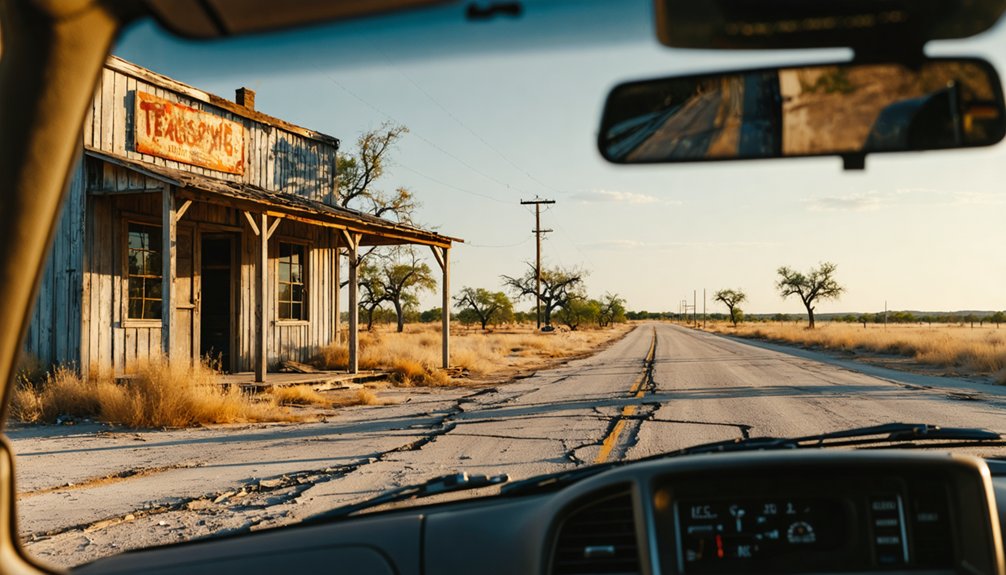
Building a day trip around Owens works best when you anchor it to nearby Lubbock, roughly 28 miles west on Farm Road 40. Start early, fuel up with local dining in Lubbock, then head east along the open plains.
The drive itself rewards you with classic West Texas scenery — wide skies, flat horizons, and cotton country stretching endlessly outward.
Once you’ve explored Owens, consider these stops to round out your route:
- Crosby County landmarks — Explore the county’s early settlement history beyond Owens itself.
- Scenic drives on Farm Road 40 — The road offers unfiltered High Plains beauty worth slowing down for.
- Small-town diners along the return route — Local dining options add authentic texture to your experience.
Why Owens Stands Apart From Other Crosby County Ghost Towns
Once your day trip wraps up and you’re heading back toward Lubbock, it’s worth pausing on what makes Owens different from the other forgotten communities scattered across Crosby County. Most ghost towns leave behind nothing but silence, but Owens carries a traceable story — a renamed post office, a brick schoolhouse, a gin that burned and got rebuilt. Those layers give local legends something real to anchor to.
You’re not just standing on empty land; you’re standing on documented stubbornness. For photography tips, arrive during golden hour when the flat West Texas light stretches long shadows across the landscape, sharpening whatever structural remnants remain. That quality of light transforms an overlooked rural stop into something genuinely striking and worth sharing.
Frequently Asked Questions
Is Owens, Crosby County the Same Place as Owensville, Texas?
Like two roads diverging, they’re not the same! Owens is Crosby County’s surviving rural community, while Owensville’s ghost town history and local legends belong to Robertson County — you’ll find them miles apart.
What Was the Original Name of Owens Before It Was Renamed?
You’ll find that Owens’ original name was Clio, established when the post office opened in 1878. Exploring this ghost town history reveals how it’s renamed landmarks like these that shape Texas’ rich, ever-evolving historic legacy.
Who Was Tom B. Owens, and Why Was the Town Named After Him?
You’ll find that Tom B. Owens earned his place in ghost town history among notable residents by building a four-room brick school in 1924, a generous act that inspired the community to rename itself in his honor.
Is There Any Lodging Near Owens for an Overnight Road Trip?
You won’t find hotel options directly in Owens, but Lubbock’s just 28 miles west, offering plenty of roadside accommodations. Stay there, then hit the open road early for your ghost town adventure!
Are There Any Entry Fees or Permits Required to Visit Owens?
Who needs red tape when history calls? You won’t encounter any entry fees or permits for your history exploration at Owens. It’s freely accessible, so chase those local legends and roam its rural roads unrestrained.
References
- https://en.wikipedia.org/wiki/List_of_ghost_towns_in_Texas
- https://kids.kiddle.co/Owensville
- https://en.wikipedia.org/wiki/Owens
- http://www.countygenweb.com/txrobertson/books/GhostTownsOwensville.htm
- https://roamze.com/ghost-towns/owensville-ghost-town-tx
- https://www.texasescapes.com/TOWNS/Texas_ghost_towns.htm
- https://www.tshaonline.org/handbook/entries/owens-tx-crosby-county
- https://authentictexas.com/texas-ghost-towns/
- https://www.tshaonline.org/handbook/entries/owens-tx-brown-county