Smithfield, Texas isn’t your typical ghost town — no crumbling ruins or rusted relics await you. North Richland Hills absorbed it in 1958, replacing everything with suburbs. Yet its story survives through the historic Smithfield Cemetery, a standing Methodist church, and roadside markers along Smithfield Road. You can explore the whole area in two to three hours, making it a perfect heritage stop on a Dallas–Fort Worth loop. Stick around to uncover everything this vanished town still has to offer.
Key Takeaways
- Smithfield, absorbed by North Richland Hills in 1958, is a ghost town with no ruins—just suburbs, landmarks, and historical markers.
- Begin exploring at Smithfield Cemetery, with graves predating 1870, offering a direct connection to the town’s earliest Zion-era roots.
- Follow Smithfield Road to discover historical markers covering Eli Smith’s land donation, Methodist origins, and the 1887 railway shift.
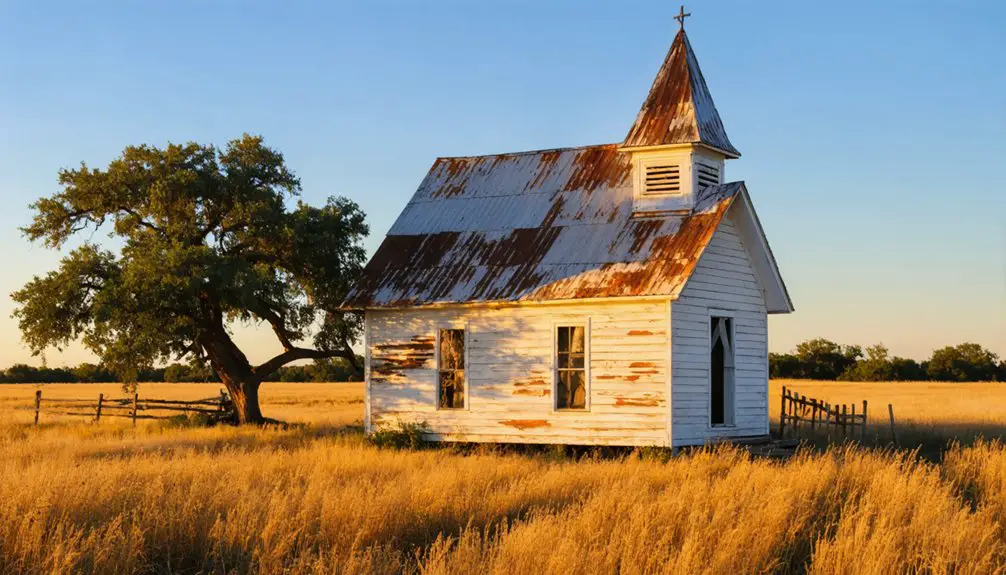
- Smithfield Methodist Church remains standing, serving as a tangible historical link to the community’s founding religious anchor.
- Plan a two-to-three-hour visit focused on walking the cemetery, reading markers, and driving Smithfield Road for full historical context.
Why Smithfield, Texas Qualifies as a Ghost Town
Most ghost towns bring to mind crumbling saloons and tumbleweeds, but Smithfield, Texas tells a quieter story — one where the town didn’t collapse but was absorbed.
North Richland Hills annexed it in 1958 after a contested election, erasing Smithfield’s independent identity without erasing its landmarks.
That distinction matters when you’re planning your road trip. You won’t find ruins here, but you’ll find a cemetery, historical markers, and a Methodist church that still anchor the community’s memory.
The local cuisine and community festivals of surrounding North Richland Hills have since replaced what Smithfield once offered on its own terms.
Sources officially classify Smithfield as a ghost town because municipal absorption ended its existence as a standalone place — and that’s exactly what makes it worth exploring.
How Smithfield Grew From a Church Settlement Into a Railroad Town
When you trace Smithfield’s roots, you find a church community called Zion that likely took shape before 1870, long before any railroad touched the area.
In 1887, the St. Louis and Southwestern Railway cut through roughly a quarter mile south of old Zion, pulling businesses and residents toward the tracks and reshaping the settlement around a new commercial center.
That railroad access transformed Smithfield into a working shipping point where local farmers and ranchers moved their products out to broader markets.
Zion’s Church Community Origins
Before Smithfield ever appeared on a map, a tight-knit church community called Zion had already taken root in north-central Tarrant County. Settlement likely began before 1870, anchored by the Zion Methodist Church and the people who gathered around it. You’re looking at a community built on agricultural evolution, where farming and ranching shaped daily life long before any formal town structure existed.
When the post office opened in 1878, Zion gained its first official recognition, but the community’s identity still centered on faith and land. That foundation reflects true community resilience — neighbors working together without the framework of incorporated town life.
The Zion name wouldn’t last forever, but the people who built it laid every stone that Smithfield would eventually stand on.
Railroad Reshapes Settlement Growth
The St. Louis and Southwestern Railway cut through in 1887, landing roughly a quarter mile south of Zion and permanently redirecting Smithfield’s future. That single transportation infrastructure decision pulled people, businesses, and commerce away from the original church community toward the tracks.
You can picture the shift happening in three clear stages:
- Relocation – Residents and merchants moved south to access rail shipping
- Economic expansion – Smithfield became an active shipping point for farm and ranch products
- Urban development – A new town core replaced the older Zion settlement
The railroad didn’t just connect Smithfield to outside markets — it restructured the entire community layout.
What began as a church-centered village transformed into a functioning commercial town built around freight movement and regional trade.
Farm Products Fuel Expansion
Once the railroad arrived, Smithfield’s agricultural economy had a direct outlet to outside markets, and farmers wasted no time taking advantage of it. The town quickly became a reliable shipping point for farm and ranch products, letting producers move goods beyond local boundaries and earn real income. That agricultural history shaped Smithfield’s identity far beyond its church-settlement roots.
Even after the 1890 fire damaged the town, the community bounced back, reaching 137 residents by 1900 with a thriving school enrolling 156 students. That kind of community resilience tells you something important about the people who built this place.
They weren’t simply surviving — they were building. If you appreciate towns that grew through honest work and practical determination, Smithfield’s expansion story gives you a compelling reason to make the drive.
What Killed Smithfield: The Fire, the Decline, and the Annexation
Smithfield never had one defining moment of collapse — it had several. Each blow weakened the town’s independence until nothing remained to hold it together.
Three events sealed its fate:
- The 1890 fire tore through the business district, destroying momentum the railroad had just helped build.
- Slow population stagnation kept Smithfield small through the 1930s, leaving it vulnerable while Fort Worth’s economy expanded around it.
- The 1958 annexation by North Richland Hills ended Smithfield’s existence as a standalone community after a contested election.
When you visit today, you won’t find ruins or abandoned local cuisine spots or wildlife observation trails marking its loss. You’ll find suburbs.
That erasure is exactly what makes Smithfield’s ghost town story worth understanding before you arrive.
What Survived: Cemeteries, Churches, and Historical Markers
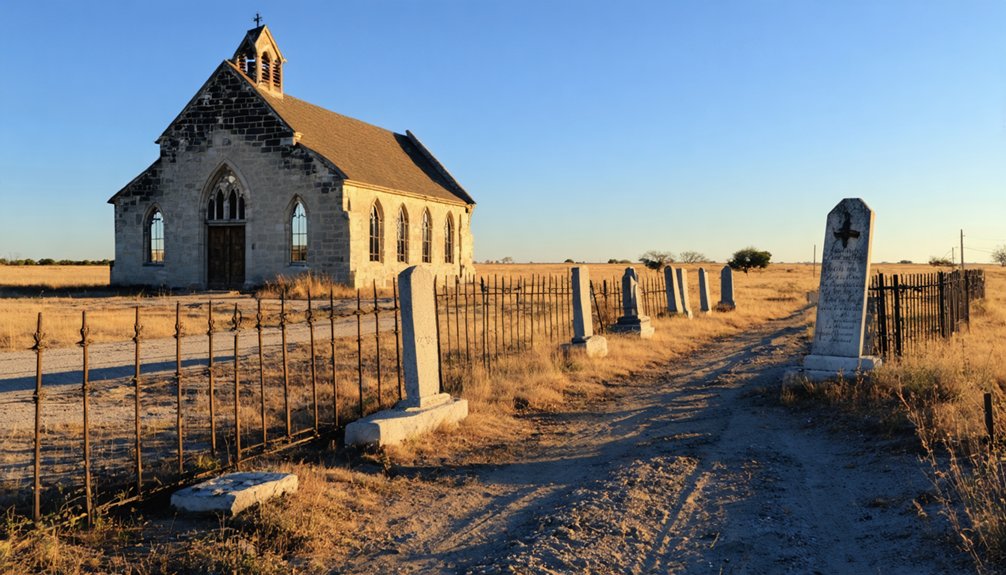
When you visit Smithfield today, you’ll find that the community’s soul lives on through a handful of enduring landmarks. Smithfield Cemetery connects you directly to the settlement’s earliest Zion-era roots.
While historic churches still standing nearby trace the congregation’s long evolution from frontier outpost to absorbed suburb.
Historical markers scattered along Smithfield Road pull the whole story together, giving you a clear, tangible record of a town that technically disappeared in 1958 but never fully vanished.
Smithfield Cemetery’s Enduring Legacy
Although suburbia has swallowed most of what Smithfield once was, a few anchors still hold the community’s story in place. Smithfield Cemetery stands as your clearest connection to the settlement’s Zion-era roots, where local folklore and architectural styles embedded in aging headstones reveal generations of early Texas life.
When you visit, here’s what you’ll notice:
- Pre-1870 graves mark the earliest settlers, predating the town’s official post office by nearly a decade.
- Headstone craftsmanship reflects shifting architectural styles across more than 150 years of burials.
- Family names carved in stone echo the same families who built Smithfield’s churches and schools.
You’re walking through living history here, not ruins, and that distinction makes this stop genuinely worth your time.
Historic Churches Still Standing
Beyond the cemetery gates, the historic churches of Smithfield tell the next chapter of this community’s survival. Smithfield Methodist Church stands as the most direct link to the Zion-era settlers who first shaped this land before 1870.
When you visit, you’re stepping into a space where faith, community festivals, and daily life once overlapped seamlessly. The congregation evolved alongside the town, adopting the Smithfield name as the railroad reshaped the settlement’s identity.
Historical markers near the church ground you in specific dates and decisions that transformed a rural crossroads into a shipping hub. Pair your visit with stops at nearby spots offering local cuisine, and you’ll experience the area as a living community rather than a forgotten footnote.
These walls survived annexation and still carry the story forward.
Markers Preserving Community Identity
Historical markers scattered along Smithfield Road pull together everything you’ve seen at the cemetery and churches into a documented record that outlasted annexation itself. These markers anchor community development to real geography, giving you precise context for what stood where and why it mattered.
Stop and read each one carefully. They connect local architecture, land donations, and railroad history into a coherent story you can follow on foot.
Three markers worth your attention:
- The Eli Smith land donation marker — identifies exactly how the town got its name and its first permanent footprint.
- The Zion-to-Smithfield progression marker — documents the community’s earliest Methodist roots.
- The 1887 railway marker — explains how the tracks pulled settlement southward and reshaped everything.
Together, they make Smithfield readable as a place, not just a memory.
The Best Sites to Visit on a Smithfield Ghost Town Road Trip
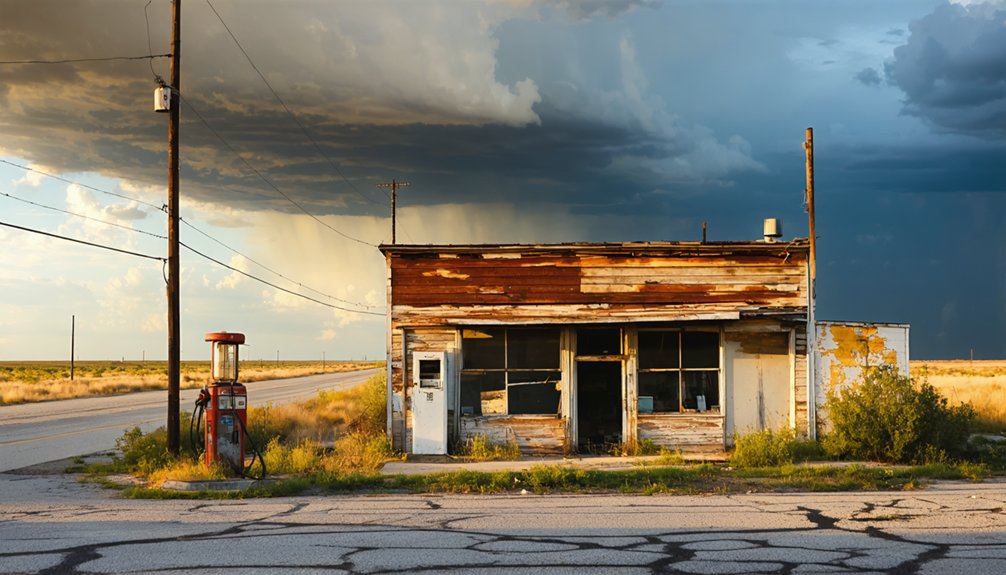
Since Smithfield’s ghost town status comes from municipal absorption rather than physical abandonment, you won’t find crumbling ruins here—but you’ll find a handful of surviving landmarks that tell the town’s story clearly.
Start at Smithfield Cemetery, where the oldest graves connect directly to the original Zion-era settlement. Then follow Smithfield Road to Smithfield Methodist Church, where historical markers document the community’s church-centered evolution.
While you’re exploring, check out local cuisine at nearby North Richland Hills spots to fuel the trip. If your timing aligns with community events in the area, you’ll catch a living glimpse of how residents still honor this absorbed town’s identity.
The entire route moves quickly, making Smithfield a rewarding half-day heritage stop rather than a demanding excursion.
How to Drive Smithfield Road and What to Look For
Smithfield Road itself is the thread that stitches the surviving landmarks together, so once you’ve walked the cemetery and churchyard, get back in the car and let the road guide the rest of the trip. Drive slowly and watch for historical markers that interrupt the suburban scenery with genuine story.
- Spot the markers — Small signs reveal where the original townsite once stood before annexation swallowed it.
- Seek local cuisine — Independent spots near the corridor let you eat like a neighbor rather than a tourist passing through.
- Time it right — Community festivals occasionally anchor the area’s identity, giving you a living connection to Smithfield’s church-centered past.
The road won’t take long, but what you notice along it makes the detour worth every mile.
Is Smithfield Worth a Full Day or Just a Quick Stop?
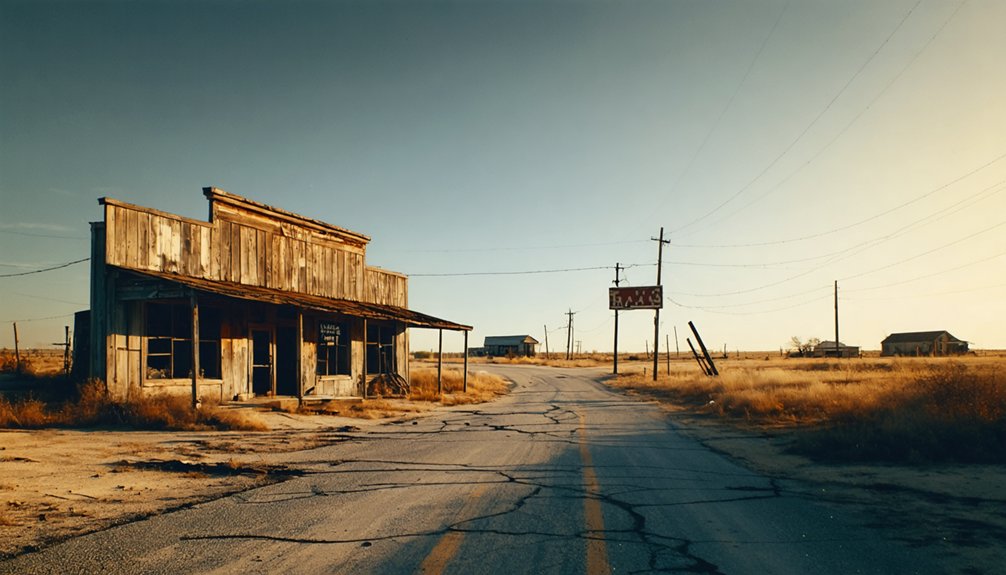
Because much of the original town has been absorbed into North Richland Hills suburbia, you won’t find the kind of sprawling ghost town that demands a full day. Smithfield rewards a focused two-to-three hour visit rather than an extended excursion. Walk Smithfield Cemetery, read the historical markers near the Methodist Church, and drive Smithfield Road to connect the surviving landmarks. That’s genuinely enough time to absorb what remains.
What makes the stop worthwhile isn’t scale — it’s depth. Historical preservation efforts here kept community memory alive through a school name, a cemetery, and church records rather than crumbling storefronts.
If you’re building a Dallas–Fort Worth heritage loop, Smithfield fits cleanly as one strong stop among several, giving you freedom to explore the broader region without sacrificing anything meaningful.
Frequently Asked Questions
Is There an Admission Fee to Visit Smithfield Cemetery?
You’ll enter Smithfield Cemetery free of charge, so you can explore its historical preservation and cemetery restoration efforts without spending a dime. Walk the grounds freely and connect deeply with Smithfield’s fascinating Zion-era origins anytime you visit.
Are There Restaurants or Restrooms Near the Smithfield Historic Sites?
🍽 You’ll find local dining options and restroom facilities availability nearby since Smithfield sits within North Richland Hills’ suburbs. Surrounding businesses, parks, and strip centers keep you comfortable throughout your heritage exploration without driving far.
What Is the Best Time of Year to Visit Smithfield?
Spring and fall offer you the best seasonal weather for exploring Smithfield’s historic sites. You’ll enjoy mild temperatures while discovering local festivals that celebrate the area’s rich heritage, making your ghost town road trip truly unforgettable.
Is Smithfield Road Safe to Walk or Only Suitable for Driving?
Over 60% of suburban Texas roads favor cars. Smithfield Road offers decent pedestrian accessibility, but urban safety varies — you’ll want to stay alert. It’s drivable and walkable, though driving lets you cover more historic ground efficiently.
Can Visitors Park Easily Near the Historical Markers on Smithfield Road?
You’ll find parking options along Smithfield Road fairly accessible, though visitor amenities remain minimal since the area’s suburban setting means you’re pulling off near church lots, cemetery entrances, or small roadside shoulders to explore the markers.
References
- https://www.tshaonline.org/handbook/entries/smithfield-tx
- https://www.texasescapes.com/CentralTexasTownsNorth/Smithfield-Texas.htm
- https://en.wikipedia.org/wiki/Smithfield
- https://www.stoppingpoints.com/texas/sights.cgi?marker=Site+of+Smithfield&cnty=polk
- https://www.txgenwebcounties.net/tarrant/places/smithfield1.htm
- https://www.texasalmanac.com/places/smithfield
- https://www.valleybreeze.com/lifestyle/smithfields-ghost-town-hanton-city-still-revealing-its-secrets-after-300-years/article_5b749dc2-37c2-11ed-b2d9-772023120737.html
- https://en.wikipedia.org/wiki/Category:Ghost_towns_in_Texas
- https://texashistoricalmarkers.weebly.com/smithfield-methodist-church.html
- https://smithfieldcemetery.net/about-us/