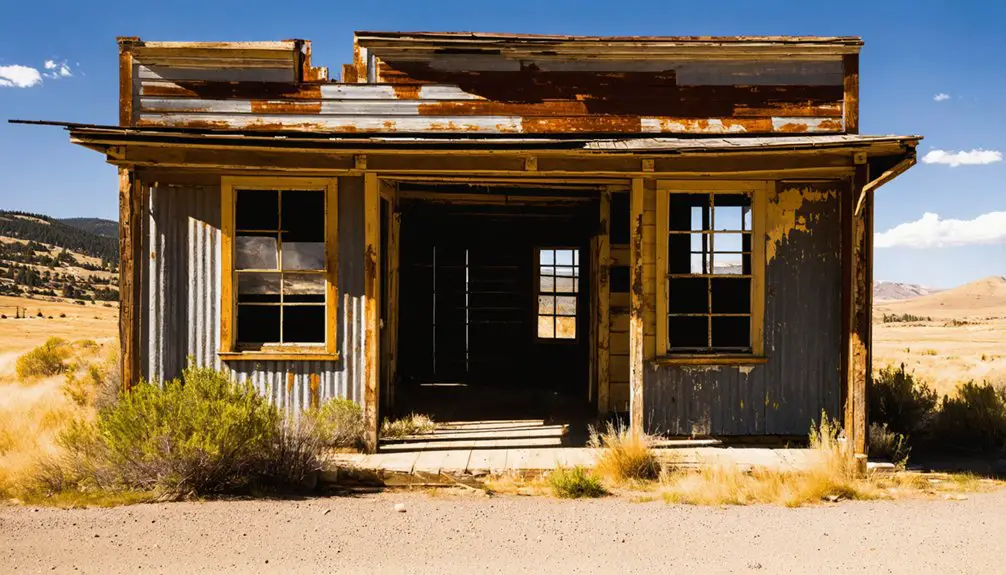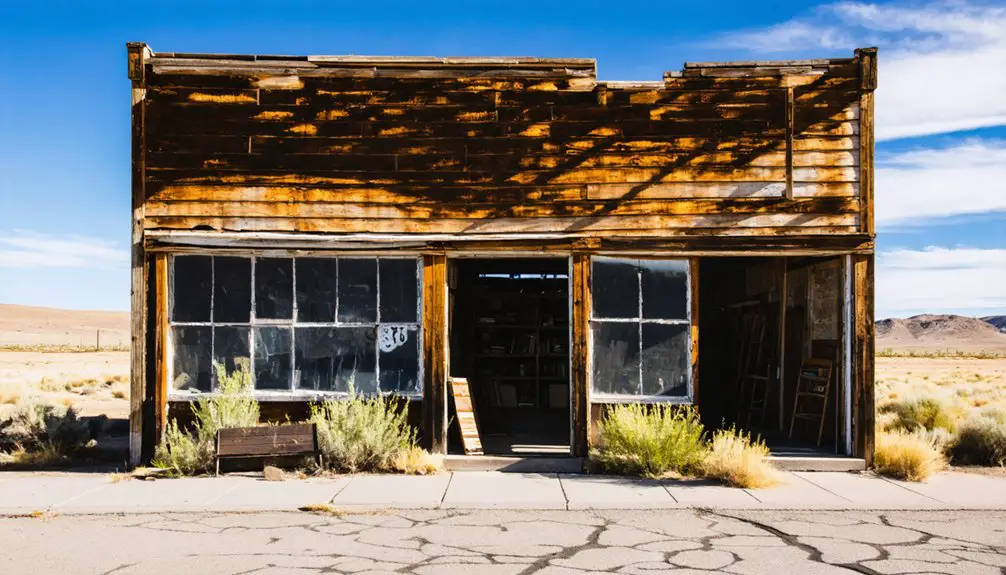
Planning a ghost town road trip to Condon, Oregon means exploring a quietly faded railroad hub where wheat-country history feels frozen in time. You’ll walk a compact Main Street lined with original storefronts, spot a windmill relic pumping water across open fields on Highway 206, and venture five miles east to Lonerock — a nearly deserted settlement abandoned since World War I. Keep your schedule flexible, because this stretch of eastern Oregon rewards every unhurried mile you’re willing to explore.
Key Takeaways
- Condon, Oregon, founded in the late 1800s as a Union Pacific railroad stop, serves as a living frontier time capsule with 650 residents at its peak.
- Main Street’s compact 3-4 block historic district features original storefront facades, antique stores, and railroad-era landmarks walkable within minutes.
- Ten miles east on Highway 206, a windmill relic pumping water across wheat fields offers a scenic overlook and quick photo stop.
- Lonerock, five miles further east, is a nearly deserted ghost town settled in 1881 that emptied by World War I, offering raw frontier history.
- Keep schedules flexible to explore side roads, scenic vistas, and hidden gems, as rural eastern Oregon rewards unhurried travelers seeking history without crowds.
Why Does Condon, Oregon Belong on a Ghost Town Road Trip?
Although Condon isn’t a ghost town in the traditional sense — no crumbling facades, no tumbleweeds rolling through an empty main street — it carries the quiet, faded character of a railroad-era agricultural community that time largely passed by.
Founded in the late 1800s as a Union Pacific stop, Condon once supported 650 residents through wheat farming and ranching. Today, you’ll find historic storefronts, old churches, a school, and a city hall that speak to that earlier era.
Between exploring the compact main street, sampling local cuisine at surviving small-town eateries, and launching outdoor activities like hiking at nearby Cottonwood Canyon State Park, Condon delivers a layered experience.
It’s a living time capsule — still breathing, but deeply rooted in Oregon’s frontier past.
How Condon Grew From a Railroad Stop Into a Wheat Country Hub
That living time capsule has roots worth tracing. Condon got its start in the late 1800s as a Union Pacific Railroad stop, and that single fact changed everything for north-central Oregon’s farming community.
Once the rails arrived, wheat farmers gained a reliable way to move their crops, and the town quickly built itself around that agricultural engine.
At its peak, Condon supported around 650 residents, and you can still see the ambition of that era reflected in the historic architecture lining its main street. Churches, storefronts, and civic buildings tell the story better than any textbook.
Local legends speak of a town that punched well above its weight for a rural outpost. That agricultural identity never really disappeared — it just quieted down, which is exactly what makes Condon worth visiting today.
What Can You Still See on Condon’s Historic Main Street?
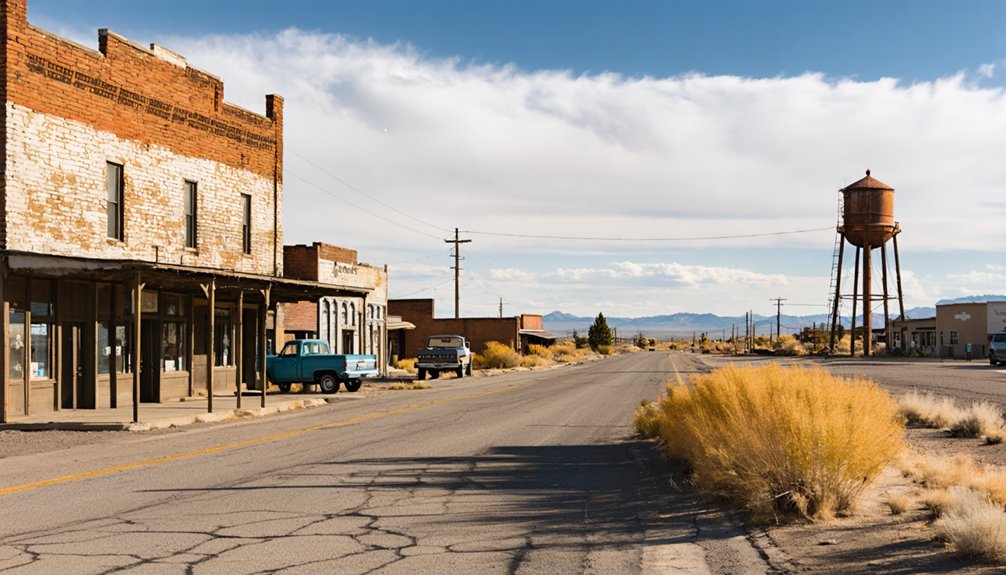
Walk Condon’s main street today and you’ll find a compact but surprisingly intact snapshot of railroad-era Oregon. The local architecture still tells the story of a wheat-country town that once hummed with commerce, and historic signage hints at businesses that shaped daily life here for generations.
You can cover the three-to-four-block district on foot in minutes, but there’s plenty worth slowing down for.
Keep your eyes open for:
- Old storefronts preserving their original facades and building lines
- Churches and a city hall reflecting the town’s civic ambitions
- Active local shops, restaurants, and antique stores mixed among historic structures
- Historic signage that connects modern visitors to Condon’s agricultural past
It’s a living streetscape, not a ruin, and that contrast makes it genuinely worth the stop.
The Highway 206 Windmill and Other Roadside Landmarks Near Condon
Once you leave Condon’s main street behind, Highway 206 opens up into the kind of wide, unhurried eastern Oregon landscape that makes roadside stops feel like discoveries.
About ten miles east, an iconic windmill rises against the sky, a working relic that once pumped water across this dry wheat country. It’s the kind of landmark that rewards travelers who slow down rather than rush through.
Five miles further east, Lonerock offers a glimpse of a settlement that nearly vanished by World War I.
Back in Condon, you can refuel with local cuisine at one of the small-town restaurants before checking whether community events are happening during your visit.
This stretch of Highway 206 delivers exactly the kind of unscripted, open-road freedom that makes eastern Oregon worth exploring.
Lonerock: The Ghost Town Five Miles From Condon Worth the Detour
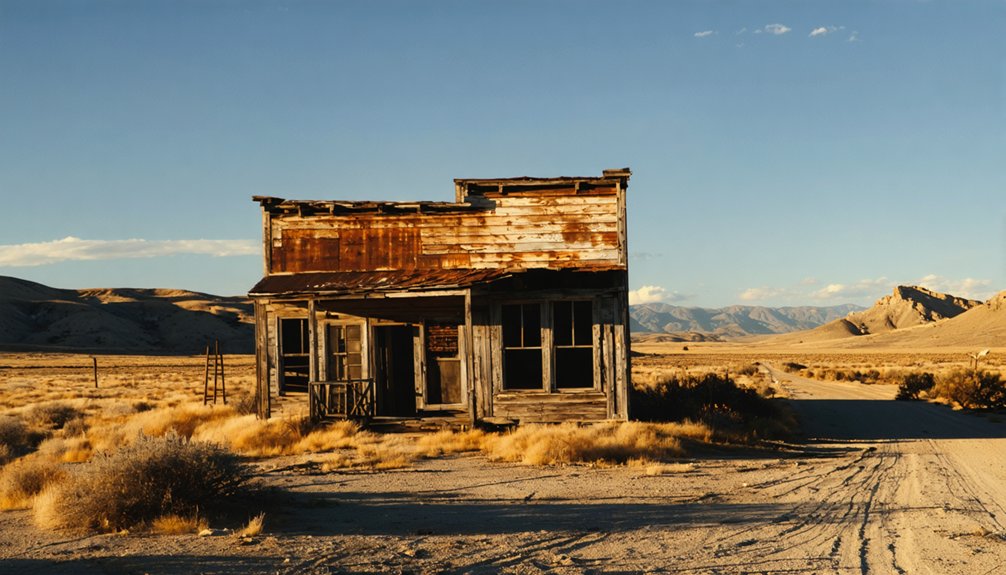
Just five miles east of Condon on Highway 206, Lonerock sits as one of Oregon’s most quietly haunting ghost towns. Settled in 1881 and nearly emptied by the time World War I ended.
You’ll find abandoned structures and an eerie stillness that makes Condon’s historic main street feel like a metropolis by comparison.
Getting there’s straightforward — head east out of Condon on Highway 206 and watch for the turnoff that leads you into what remains of this once-hopeful settlement.
Lonerock’s Abandoned History
Why drive five miles past Condon when Lonerock is sitting there, quietly telling one of eastern Oregon’s best ghost-town stories? Settled in 1881, Lonerock thrived briefly before nearly emptying out by World War I, leaving behind a frozen snapshot of frontier life.
Here’s what makes Lonerock worth your detour:
- Historic structures still standing from the settlement era
- A genuine ghost-town atmosphere free from tourist crowds
- No local cuisine or community events to distract from pure exploration
- A raw, unhurried connection to Oregon’s agricultural past
You’ll feel the contrast immediately after leaving Condon’s still-active main street. Lonerock strips away the noise. It’s just you, the high desert wind, and buildings that outlasted the people who built them.
Getting There From Condon
Getting to Lonerock from Condon couldn’t be simpler — head east on Highway 206, and you’ll reach the ghost town in under ten minutes. The five-mile drive delivers scenic vistas of rolling wheat fields and open sky that feel genuinely earned, even at that short distance.
Before you leave Condon, fuel up at one of the local dining spots on the main street. You’ll want energy for exploring Lonerock’s quiet, weathered streets.
Once you arrive, there’s no formal entrance or fee — just park and wander freely through what remains of a town that was nearly deserted by World War I.
The round trip takes less than an hour, making Lonerock an effortless detour that adds serious depth to your eastern Oregon road trip.
John Day Fossil Beds, Cottonwood Canyon, and What Else to Add to Your Route
Once you’ve explored Condon’s historic main street and made the short drive out to Lonerock, you’ll find the surrounding region rewards you with even more stops worth building into your route. This part of north-central Oregon packs serious variety into a manageable drive.
- John Day Fossil Beds – Ancient geology on full display, just a short drive from Condon.
- Cottonwood Canyon State Park – Rugged trails and the John Day River for outdoor activities.
- Local cuisine – Small-town diners and stops along Highway 206 worth sampling.
- Ghost-town clusters – Oregon’s 200-plus ghost towns mean you can keep extending your route eastward.
You’re free to mix history, landscape, and open road however suits your pace. This region lets you build the trip entirely on your own terms.
When to Drive the Condon Ghost Town Route

Timing your drive through Condon makes a real difference in what you’ll experience. Seasonal weather shapes everything here — winters turn cool and occasionally harsh, making the rural highways less forgiving for explorers chasing ghost-town stops like Lonerock.
Spring and early fall strike the best balance, offering mild temperatures and open roads without summer’s heat bearing down on you. Summer works well if you’re planning around local festivals, which give you a chance to see Condon’s active small-town side alongside its historic character.
You’ll find the business district more accessible and the windmill out on Highway 206 easier to reach when conditions cooperate. Whatever season you choose, checking road conditions before heading into north-central Oregon keeps your trip moving on your own terms.
How to Build a North-Central Oregon Ghost Town Road Trip Itinerary
Building a north-central Oregon ghost town itinerary around Condon means treating Highway 206 and Oregon Route 19 as your backbone, then layering stops outward from there. You’ll cover serious ground without backtracking if you plan intentionally.
Anchor your route around these stops:
- Condon’s historic main street for local cuisine, antique shops, and railroad-era storefronts
- The windmill on Highway 206, roughly ten miles east, for scenic overlooks and a quick photo stop
- Lonerock, five miles east, a nearly deserted settlement dating to 1881
- John Day Fossil Beds and Cottonwood Canyon State Park for natural history and river scenery
Keep your schedule loose enough to explore side roads. Rural eastern Oregon rewards the traveler who isn’t rushing toward a finish line.
Frequently Asked Questions
Is Condon, Oregon Actually a Ghost Town or Still Inhabited?
Like Brigadoon emerging from the mist, Condon’s very much alive! You’ll find historical landmarks and local legends thriving alongside active shops and restaurants—it’s a living ghost town where the past and present coexist beautifully.
How Far Is Condon From the Dalles Along Highway 206?
You’ll travel about seventy miles from The Dalles to Condon, passing breathtaking scenic viewpoints and historical landmarks that make every mile of this open-road adventure feel like true Oregon freedom.
Are There Gas Stations or Hotels Available in Condon Today?
Like a lone gas lamp still glowing on a frontier street, Condon’s kept its lights on — you’ll find gas stations and hotels ready to fuel your adventure, plus historical landmarks and local dining awaiting your arrival.
What Was Condon’s Population During Its Railroad-Era Peak Years?
During Condon’s railroad era peak, you’ll find its historical population reached around 650 residents. That’s a remarkably vibrant community that once thrived on wheat farming and Union Pacific Railroad commerce in north-central Oregon’s wide-open frontier landscape.
Can Visitors Access Lonerock Year-Round or Only Certain Seasons?
Like a secret waiting to be discovered, you can visit Lonerock year-round, but seasonal access shifts with road conditions — winter roads can turn rough, so you’ll want to plan your adventure during milder months.
References
- https://kids.kiddle.co/Condon
- https://www.oregonencyclopedia.org/articles/condon/pdf/
- https://en.wikipedia.org/wiki/List_of_ghost_towns_in_Oregon
- https://maps.apple.com/place?auid=6815368610989066798
- https://hu.wikipedia.org/wiki/Condon_(Oregon)
- https://traveloregon.com/things-to-do/culture-history/ghost-towns/lonerock/