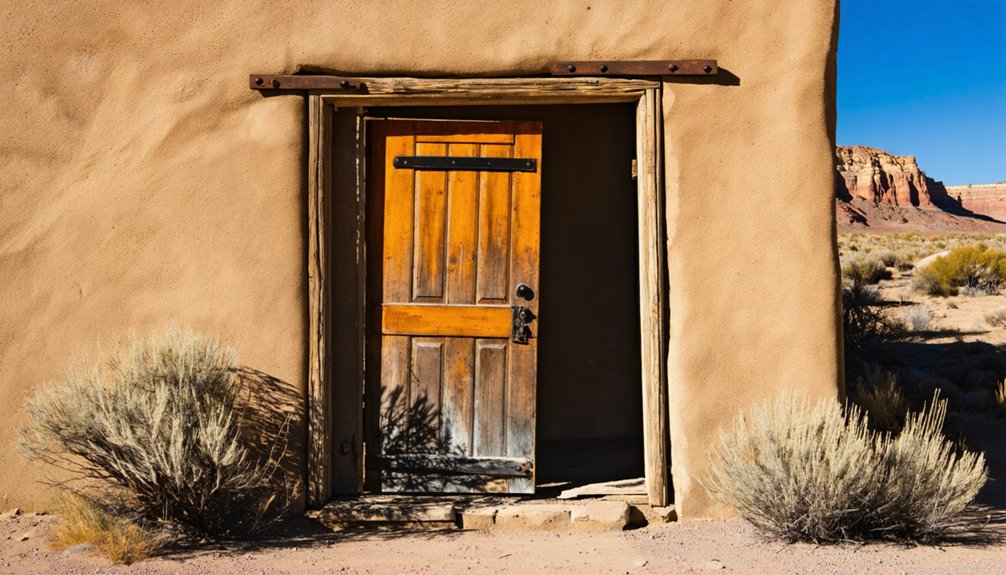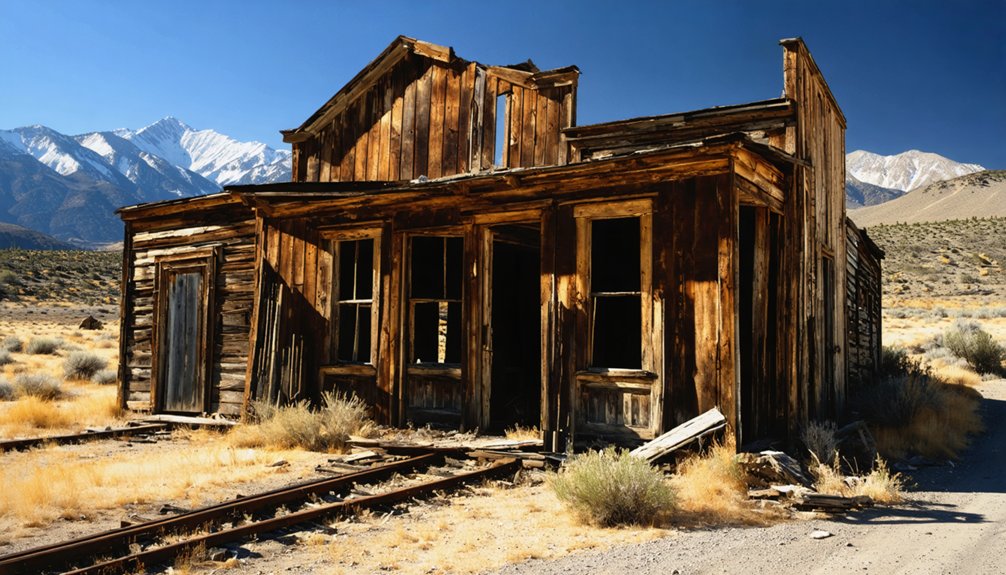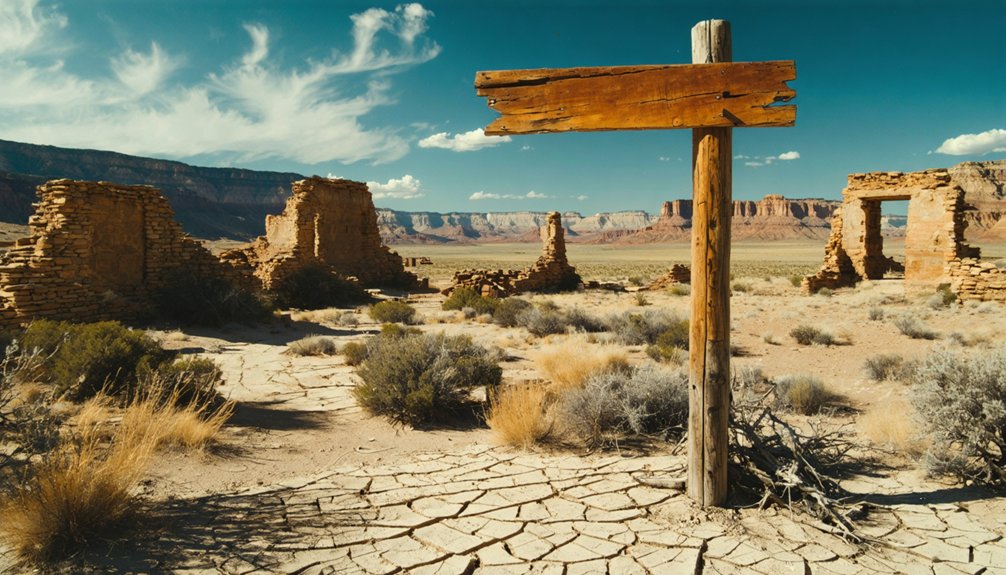
Planning a ghost town road trip to Dragon, Utah means heading into Uintah County’s remote canyon country, where a gilsonite mining boom once built a thriving community complete with saloons, a school, and a railroad that conquered a punishing 7.5% mountain grade. Today, only foundations, earth cuts, and scattered artifacts remain. You’ll want four-wheel drive, plenty of water, and offline maps before you go. Keep scrolling to get everything you need before you hit Dragon Road.
Key Takeaways
- Dragon Ghost Town, a gilsonite mining camp established in 1888, is located in Uintah County, Utah, roughly 60 miles from Vernal.
- No standing buildings remain; expect foundations, earth cuts, depressions, and scattered artifacts requiring imagination to interpret the site’s history.
- Access via Dragon Road requires four-wheel drive, as road surfaces become dangerously muddy and slick after rainfall.
- Visit during summer for dry roads, maximum daylight, mild mornings, and ideal canyon photography conditions.
- Pack water, a first-aid kit, offline maps, and recovery gear, as cell service drops sharply in canyon country.
What Is Dragon, Utah’s Ghost Town?
Tucked into the remote high-desert canyon country of Uintah County at Utah’s eastern edge, Dragon is a ghost town that once thrived as a gilsonite mining camp before fading into near-total abandonment.
The town grew around the Black Dragon Mine starting around 1888, eventually supporting a school, saloons, a hotel, and hundreds of residents.
When the Uintah Railway shut down in 1939, Dragon lost its lifeline, and people simply left.
Today, you’ll find little more than foundations and earth cuts where buildings once stood.
The isolation that swallowed Dragon whole now draws curious travelers hungry for raw, unfiltered history.
Local legends and ghost stories cling to the canyon walls here, giving the site an atmosphere that no polished tourist destination could ever replicate.
Dragon’s Gilsonite Mining and Railroad History
When you look into Dragon’s origins, you’ll find the town grew from a Gilsonite mining camp established around 1888, built around the Black Dragon Mine and its rich hydrocarbon deposits used in asphalt, inks, and paints.
By 1904, the Uintah Railway reached Dragon, transforming it into the line’s end-of-track hub and giving miners a direct shipping route for their haul.
The railroad and mine drove Dragon’s entire boom — and when both shut down in 1939, the town’s purpose vanished with them.
Gilsonite Mining Origins
Although Dragon may look like little more than windswept desert today, its story began in 1888 when miners discovered gilsonite — a rare, naturally occurring hydrocarbon — running through the earth in dark, vein-like formations. This remarkable substance fueled demand across industries, from asphalt and paints to inks and oil-drilling fluids.
Miners carved out the Black Dragon Mine, and a rugged camp took shape around it. The town’s name reportedly came from a dragon-like gilsonite vein or “Dragon Rock” formation visible in the landscape.
Understanding this mining history gives you a richer appreciation for what you’re walking through. Ghost town preservation efforts remind us that Dragon wasn’t just a remote outpost — it was a working community built entirely on what lay beneath the high-desert ground.
Uintah Railway Connection
By 1904, the Uintah Railway had punched through some of the West’s most punishing terrain to reach Dragon, transforming a remote mining camp into a functioning boom town. The rail line conquered a brutal 7.5% grade over Baxter Pass, hauling gilsonite out and supplies in, giving Dragon its economic heartbeat.
You can still read the town layout by studying earth cuts and foundations left behind — ghosts of a rail-driven grid that once supported warehouses, boarding houses, saloons, and homes.
Historical artifacts tied to the railway era occasionally surface along Dragon Road, offering tangible connections to that industrious past.
When the railroad shut down in 1939, Dragon lost its lifeline. Without the rail haul, the gilsonite operation collapsed, and the town quickly followed.
What’s Left to See at Dragon Ghost Town Today?
What remains at Dragon Ghost Town today is sparse, but that’s part of what makes the site so hauntingly atmospheric. You won’t find standing buildings or preserved storefronts here. Instead, you’ll walk among foundations, earth cuts, and scattered historical artifacts that hint at the community that once thrived around the Black Dragon Mine.
The landscape itself tells the story. Depressions in the ground mark where homes and abandoned structures once stood, and the remnants of railroad infrastructure quietly outline Dragon’s industrial past.
You’ll need to use your imagination, but that’s the reward of visiting a true ghost town rather than a curated tourist attraction. Bring water, sturdy boots, and a camera, because the canyon scenery surrounding the site makes the remote journey absolutely worth it.
How to Get to Dragon Ghost Town
If you’re heading to Dragon Ghost Town, you’ll want to start your journey from Vernal, Utah, about 60 miles north, which serves as your last reliable stop for fuel and supplies.
From there, Dragon Road is your only way in and out, cutting through remote high-desert canyons that make the drive as visually rewarding as the destination.
Plan your visit for summer when conditions are driest, since the soft dirt road turns mushy and dangerously slick after rain.
Starting Point From Vernal
Getting to Dragon Ghost Town starts with a single anchor point: Vernal, Utah, sitting about 60 miles north of the site. From Vernal, you’ll head south through open high-desert terrain, trading town comforts for raw remote desert scenery that grows more dramatic with every mile.
The route follows Dragon Road, the only way in and out of the ghost town, cutting through canyon landscapes that hint at the isolation ahead. As you close the distance, watch for faint traces of ghost town architecture — foundations and earth cuts quietly marking where a full community once stood.
Fill your tank, pack extra water, and check road conditions before you leave Vernal. Once you’re on Dragon Road, you’re committed to the journey on your own terms.
Navigating Dragon Road
Dragon Road is your only route into Dragon Ghost Town, and it doesn’t forgive poor preparation. The road cuts through remote high-desert canyon country, delivering rugged scenery alongside genuine isolation.
You’ll navigate soft dirt sections that turn mushy and dangerously slick after rain, so check conditions before you roll out.
Summer gives you the most reliable window for a safe drive. A capable vehicle with good clearance makes the difference between a memorable adventure and a frustrating setback.
Once you arrive, you’ll find foundations and earth cuts rather than standing structures, so treat every historical artifact you encounter with care.
Ghost town preservation depends on visitors like you leaving everything undisturbed. Explore freely, but take nothing except photographs and the satisfaction of reaching somewhere truly remote.
Best Travel Conditions
Summer gives you the best shot at reaching Dragon Ghost Town without incident. Dry, firm ground makes Dragon Road far more manageable, letting you focus on the canyon scenery rather than fighting slick terrain.
When rain hits, those soft dirt sections turn mushy fast, and you risk getting stuck miles from help.
Visitor safety depends on checking conditions before you leave. There’s no alternate route — Dragon Road is your only way in and out, so a bad situation compounds quickly.
Come prepared with water, a spare tire, and a communication plan.
Once you arrive, the historical artifacts scattered across the site — foundations, earth cuts, remnants of a town that once held over a thousand people — reward every careful mile you drove to get there.
What to Expect on Dragon Road
Reaching Dragon Ghost Town means committing to Dragon Road — the only route in and out of this remote high-desert site. You’ll navigate rugged high-desert terrain through scenic canyon passages, so expect a moderately challenging drive that rewards careful preparation.
The road surface shifts between packed dirt and soft sections that turn mushy and slick after rain, making dry-weather timing essential. Four-wheel drive is strongly recommended.
As you push deeper into the landscape, you’ll encounter foundations and earth cuts — historical artifacts left behind after Dragon’s abandonment in the late 1930s.
Local legends surrounding the dragon-shaped gilsonite formations that gave the town its name add atmosphere to every mile.
Come ready for solitude, raw scenery, and the unmistakable feeling of traveling somewhere most people never bother to find.
Best Time to Visit Dragon Ghost Town
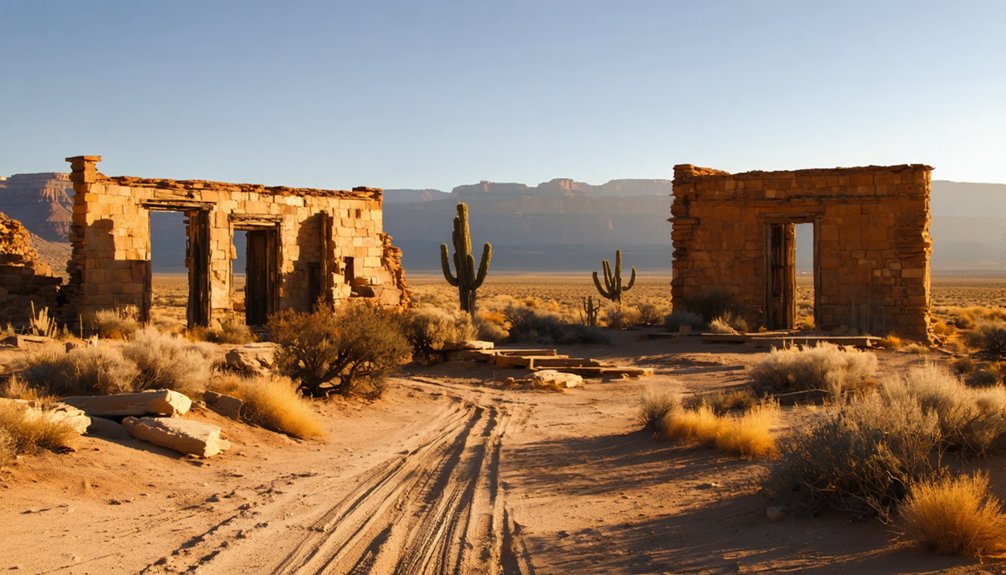
When you’re planning a trip to Dragon Ghost Town, timing can make or break your experience. Summer offers the most reliable conditions for historical preservation exploration and tourist photography.
Timing your visit to Dragon Ghost Town is everything — summer delivers the most dependable conditions for exploration and photography.
Best visiting conditions include:
- Dry weather keeps Dragon Road’s soft dirt firm and passable
- Summer daylight gives you maximum hours to explore foundations and earth cuts
- Clear skies produce sharp contrast for tourist photography of canyon scenery
- Mild mornings let you hike comfortably across the remote high-desert terrain
- Stable road surfaces reduce the risk of getting stranded miles from help
Avoid visiting after rainfall. Wet sections turn mushy and slick, potentially trapping your vehicle. You’re far from Vernal and any roadside assistance.
Come prepared, choose the right season, and Dragon rewards you with raw, unfiltered history.
What to Pack for the Dragon Ghost Town Drive
Packing smart before you leave for Dragon Ghost Town could save your trip. The road into Dragon is remote, so carry extra water, food, and a first-aid kit. Bring a spare tire and a tow strap since soft dirt sections turn slick fast. Cell service won’t save you out here, so pack a paper map or GPS device loaded offline.
Follow photography tips that work for high-desert light — a polarizing filter cuts glare off exposed foundations and canyon walls beautifully. Shoot during golden hour for dramatic shadows across the earth cuts and ruins.
Leave historical artifacts exactly where you find them. Removing anything is both illegal and disrespectful to Dragon’s story. Wear sturdy boots, pack layers for temperature swings, and you’re genuinely ready.
Nearby Ghost Towns Worth Adding to Your Route
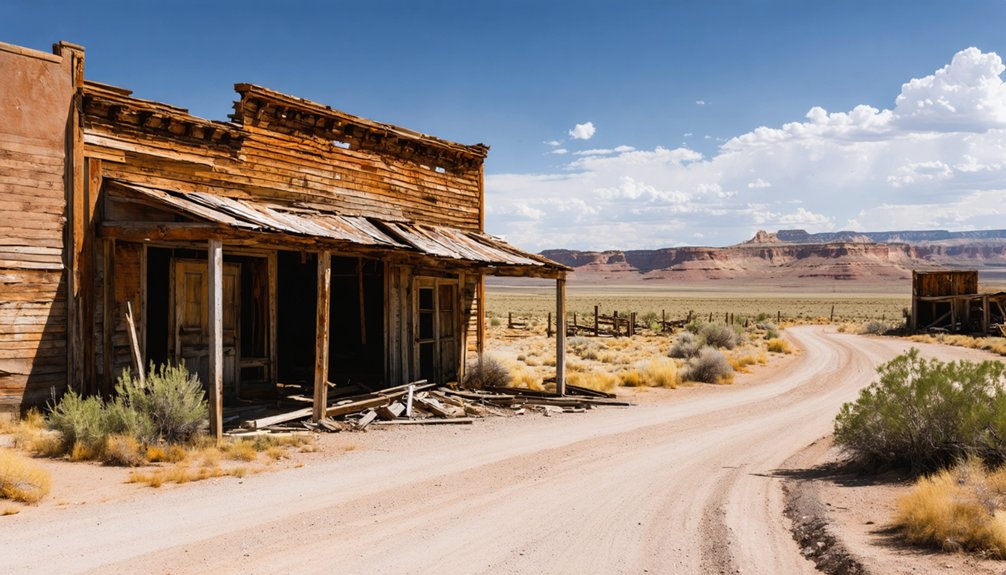
Once your gear’s loaded and Dragon Ghost Town is on the map, it’s worth stretching the route to include some of eastern Utah’s other abandoned settlements. Uintah County holds several forgotten sites where historical artifacts and local legends still pull curious travelers off the main road.
Eastern Utah’s forgotten settlements reward the curious traveler willing to stretch the route beyond the obvious destinations.
Consider adding these stops to your route:
- Ouray – A former agency town with deep Ute history along the Green River
- Rainbow – A small mining remnant tucked into canyon country
- Watson – Another gilsonite-era camp with scattered foundations
- Leota – A quiet agricultural ghost with crumbling homestead traces
- Cisco – A highway ghost town with striking desert decay along I-70
Each site adds texture to your trip without demanding major detours.
Fuel, Cell Service, and Safety Notes Before You Go
Before you turn onto Dragon Road, you’ll want to handle a few logistics that can make or break a remote desert trip. Fuel up in Vernal, roughly 60 miles north, because you won’t find a gas station closer to Dragon.
Cell service drops off sharply once you head into canyon country, so download offline maps and share your itinerary with someone you trust.
Carry extra water, a first-aid kit, and a recovery strap if your vehicle slides on soft dirt after rain. The road turns slick and unforgiving when wet.
Pack enough daylight hours to explore the foundations, chase ghost town photography in golden-hour light, and absorb whatever local legends still echo through those desert canyons before darkness settles in.
Frequently Asked Questions
Is There an Entrance Fee to Visit Dragon Ghost Town?
You’ll find no entrance fee to visit Dragon Ghost Town! You’re free to explore its historic preservation remnants and enjoy wildlife observation across this open high-desert landscape, embracing the boundless freedom this remote Utah ghost town offers.
Can You Camp Overnight at the Dragon Ghost Town Site?
No official camping regulations exist for Dragon Ghost Town, but you can camp freely in this remote desert. Follow overnight safety tips: bring extra water, tell someone your plans, and prepare for rugged, isolated terrain.
Are Guided Tours Available for Dragon Ghost Town Visits?
No Yelp reviews here — you’ll find no guided tours at Dragon Ghost Town. You’re on your own to explore its historical significance and haunted legends, so embrace the freedom and blaze your own trail!
Is Dragon Ghost Town on Public or Private Land?
The available sources don’t confirm whether Dragon’s land is public or private. You’ll want to verify ownership before visiting to guarantee tourist accessibility and respect historical preservation efforts protecting this remote Utah ghost town’s fascinating remnants.
What Is the GPS Coordinate Address for Dragon Ghost Town Navigation?
“X marks the spot!” Head to 39.7845° N, 109.0761° W for Dragon Ghost Town’s historical preservation and photography opportunities. You’ll navigate remote high-desert canyons, discovering Utah’s forgotten past waiting silently for your exploration.
References
- https://en.wikipedia.org/wiki/Dragon
- https://www.youtube.com/watch?v=44hBQkrORuU
- https://www.youtube.com/watch?v=UPMkv-aT7NQ
- https://ghost-towns.close-to-me.com/states/utah/dragon-ut/
- https://www.switchinggearsrvdiary.com/post/exploring-the-hidden-history-of-utah-s-gilsonite-mines-forgotten-ghost-towns
- https://mapcarta.com/23422340
- https://www.trailsoffroad.com/US/utah/scout-routes/4450-dragon-road