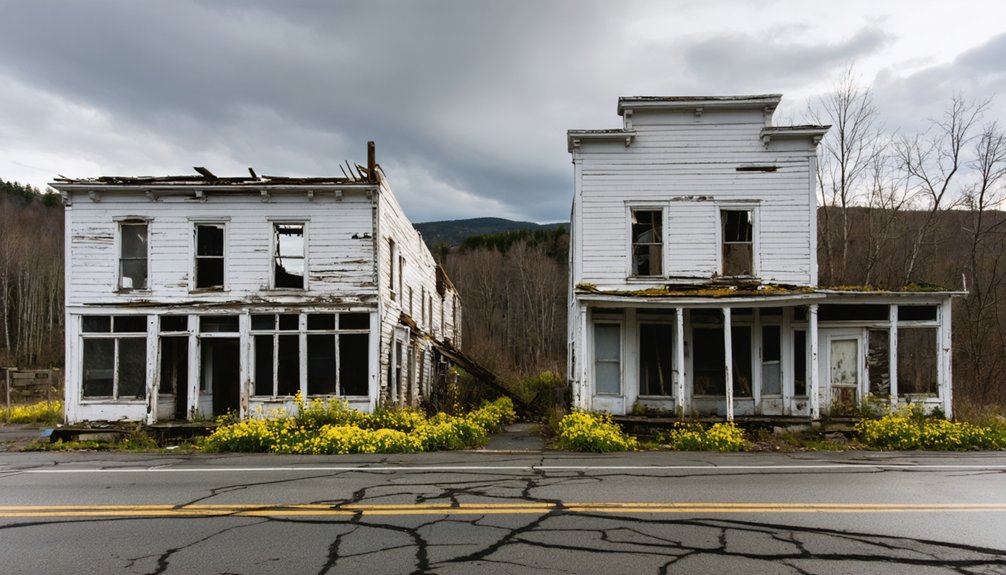
Windham, Vermont puts you within striking distance of some of southern Vermont’s most hauntingly quiet ghost towns, where cellar holes, stone walls, and overgrown cemeteries are all that remain of communities that time quietly erased. You’ll want to verify road conditions before heading out, pack offline maps, and bring everything you need since there are no services waiting at your destination. Keep exploring to uncover everything this forgotten corner of Vermont has to offer.
Key Takeaways
- Windham, Vermont serves as a rural base for exploring ghost towns like Somerset, Glastenbury, and Windsor across multiple southern Vermont counties.
- Somerset features cellar holes, stone walls, overgrown foundations, and weathered cemeteries representing Vermont’s pattern of thriving communities that faded over time.
- Expect narrow backroads, limited signage, and seasonal closures—verify road conditions before departure and carry offline maps or paper backups.
- No visitor facilities, restrooms, fuel, or food services exist at Somerset, so pack sufficient water and supplies before arriving.
- Plan ahead with careful route verification, a prepared vehicle, and a respectful approach to preserved, naturally reclaimed historical landscapes.
What Makes Windham, Vermont a Ghost Town Road Trip Base?
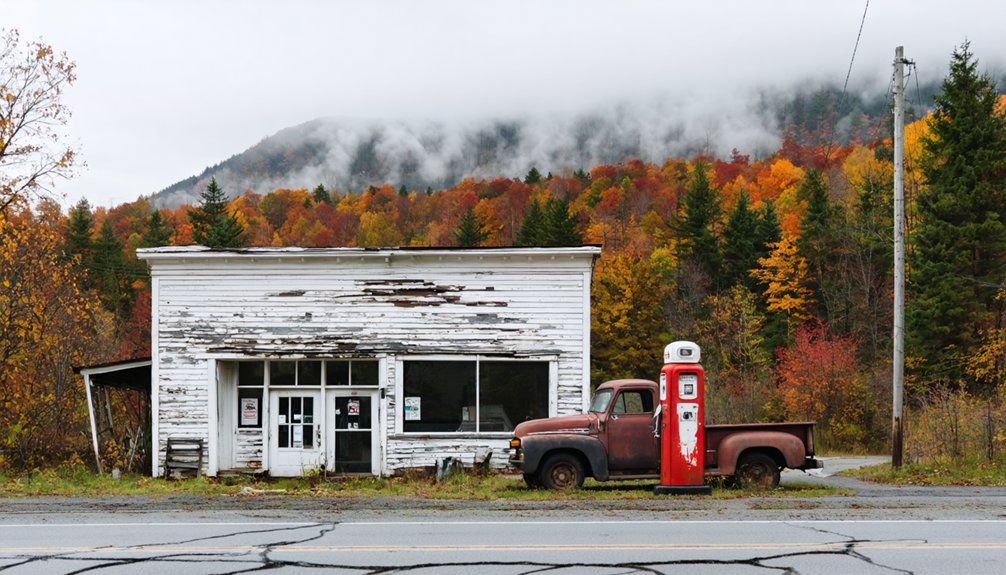
Tucked into the southwest corner of Windham County, Windham, Vermont gives you a quiet, rural foothold for exploring one of New England’s most historically layered corners. The town itself isn’t a ghost town, but it sits within reach of abandoned settlements that carry real historical significance.
Somerset, the county’s most notable ghost-town reference, stands as a testimony to Vermont’s pattern of communities that once thrived and then quietly disappeared. Preservation efforts across southern Vermont keep that history accessible for curious travelers willing to take backroads over interstates.
Windham works as your base because it anchors you in the right county without locking you into a tourist corridor. You get isolation, landscape, and history — the three things that make a ghost-town road trip worth taking.
Somerset: Windham County’s Ghost Town Road Trip Destination
Somerset sits in Windham County as the region’s most compelling ghost-town destination, and it earns that title through history, isolation, and landscape rather than roadside signage or visitor facilities. When you drive out here, you’re trading convenience for authenticity, and that’s exactly the point.
Somerset’s historical significance runs deep, rooted in a settlement that simply couldn’t sustain itself against Vermont’s harsh winters and shifting economies. What remains today reflects both abandonment and quiet preservation efforts that keep the land from being entirely reclaimed or overdeveloped.
You won’t find a welcome center or a gift shop. You’ll find backroads, dense forest, and the unmistakable feeling of a place that once held lives and let them go. That rawness is precisely what makes Somerset worth building your Windham County road trip around.
How to Get to Somerset From Windham
From Windham, you’ll head southwest through Windham County’s backroads to reach Somerset.
This journey trades highway convenience for winding rural lanes and dense Vermont forest.
Road conditions can shift dramatically depending on the season, so you’ll want to check current access reports before you load up the car.
Mud season, winter ice, and unpaved stretches make route verification essential rather than optional.
Route Overview
The drive from Windham to Somerset winds through some of southern Vermont’s quietest backroads, and you’ll want to plan your route carefully before heading out. Head south and west through Windham County, following rural state routes that trace the region’s local history and carry you past farms, forests, and the occasional scenic overlooks revealing southern Vermont’s layered ridgelines.
Somerset sits deep in the county, so expect narrow roads and limited signage as you get closer. Verify current road conditions before you leave, since seasonal closures and unpaved stretches can affect access. Download offline maps or carry a paper backup because cell service thins out quickly.
Give yourself extra time to explore at your own pace rather than rushing the journey.
Road Conditions Warning
Before you commit to this route, you’ll want to know that roads leading into Somerset aren’t forgiving of poor preparation. Narrow backroads cut through dense Vermont wilderness, and seasonal conditions can turn a straightforward drive into a genuine challenge.
Spring mud season and winter ice make certain stretches unreliable, so check current road conditions before you leave Windham.
Somerset’s historical significance makes the effort worthwhile, but that history comes without modern conveniences. No maintained visitor facilities await you, and preservation efforts here mean nature reclaims the landscape on its own terms.
You’re entering a place intentionally left raw.
Drive a capable vehicle, carry a paper map, and tell someone your plans. Freedom out here is real, but it rewards the prepared traveler, not the careless one.
What You’ll Actually See Along This Backroad Route
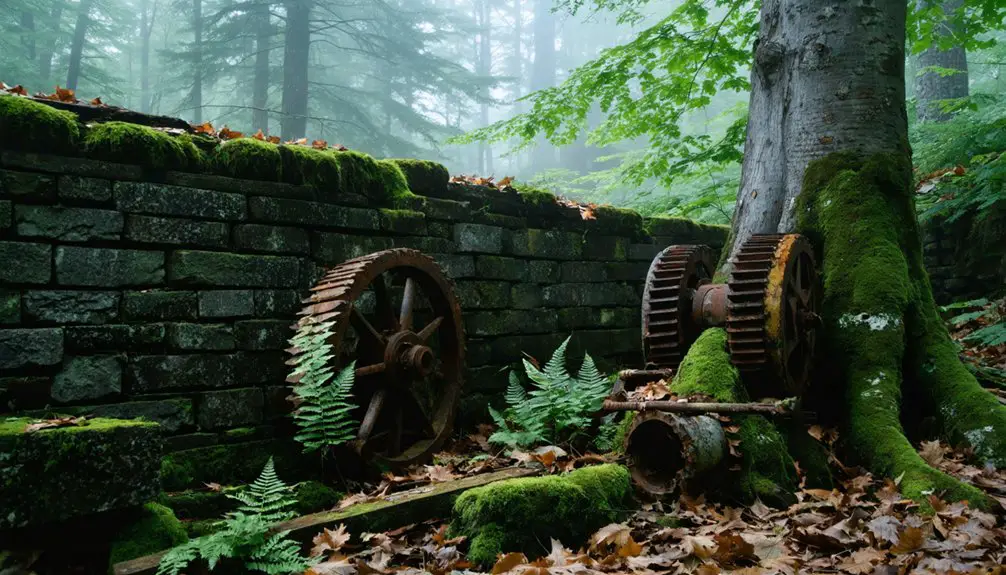
As you wind through Windham County’s backroads toward Somerset, you’ll pass dense stretches of second-growth forest, old stone walls marking long-abandoned farm boundaries, and weathered cellar holes half-swallowed by vegetation.
The landscape itself tells the story of a region that farming and commerce quietly left behind. Keep your eyes open for crumbling foundations and overgrown clearings that hint at the settlements Somerset once supported.
Backroad Scenery And Landmarks
Winding through southern Vermont’s backroads toward Somerset, you’ll pass dense hardwood forests, glacially carved hillsides, and the kind of quiet farmland that makes it easy to forget the rest of the world exists. The route rewards those chasing both scenic vistas and historical significance at every turn.
Watch for these landmarks along the way:
- Stone foundations half-hidden by brush, marking where homesteads once stood
- Narrow wooden bridges crossing cold, fast-moving streams
- Open ridge clearings offering unobstructed views across Windham County’s rolling terrain
- Weathered cemetery plots tucked just off the road, belonging to families who built this region
Each mile reveals a Vermont that development never touched, giving you the kind of raw, unfiltered freedom that no crowded tourist corridor can deliver.
Abandoned Sites En Route
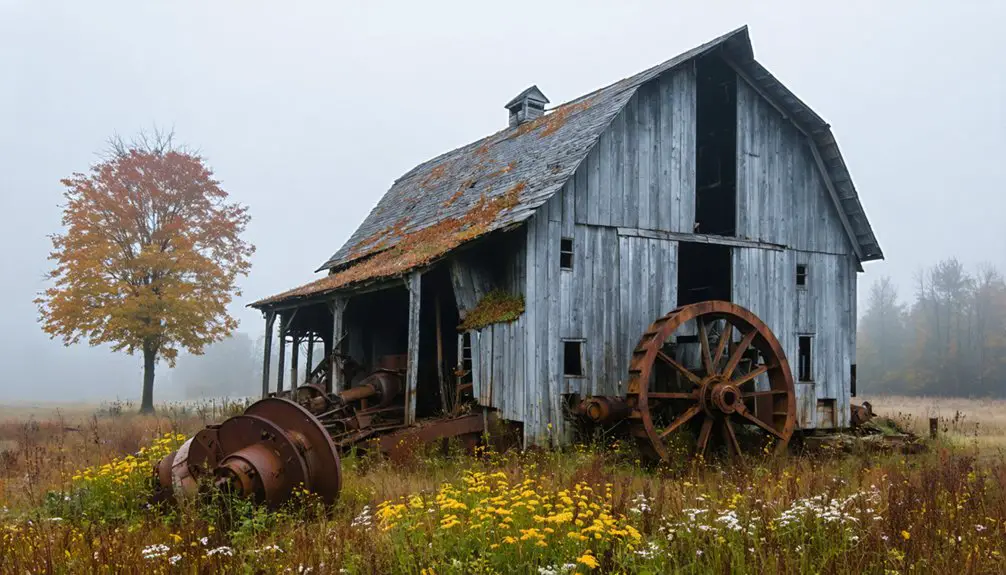
Once you’ve left the paved roads behind, the abandoned sites along this backroad route start revealing themselves in quiet, easy-to-miss ways. Somerset, Windham County’s most notable ghost town reference, offers remnants that carry real historical significance — cellar holes, overgrown foundations, and the kind of silence that tells a story without signage.
You’ll notice stone walls cutting through dense forest, marking boundaries of farms that haven’t operated in over a century. Local legends suggest some settlements emptied quickly, leaving structures mid-use. That eerie quality is exactly what draws independent travelers here.
Keep your eyes on the tree lines and low clearings. The landscape doesn’t announce these places — it conceals them. That’s part of the appeal. You’re not following a tour; you’re uncovering history at your own pace.
Other Southern Vermont Ghost Towns to Add Nearby
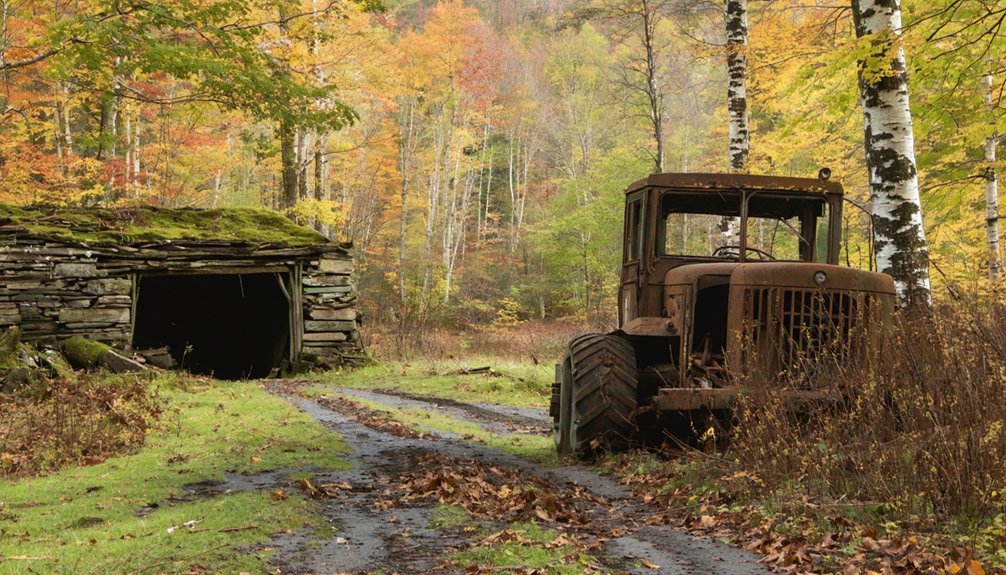
Southern Vermont doesn’t stop at Somerset—if you’re already making the drive, you can extend your itinerary to include Glastenbury, a ghost town in neighboring Bennington County that draws a different kind of explorer. Its historical significance runs deep, and local legends surrounding the area give it an eerie, unforgettable character.
Consider adding these stops to your southern Vermont ghost town loop:
- Glastenbury – accessible via a 22.3-mile, two-day hike through dense wilderness
- Bennington County backroads – connect scenic rural routes between abandoned settlements
- Windsor and Rutland County sites – expand your route north for a multi-county experience
- Washington County remnants – round out a statewide ghost-town perspective
Each destination rewards curiosity, independence, and a willingness to explore Vermont’s forgotten corners on your own terms.
Road Conditions, Access Rules, and What Somerset Won’t Have
Before you load the car and chase down any of those stops, you’ll want a clear-eyed look at what Somerset actually requires from you—and what it won’t offer once you get there.
Before you chase down Somerset, know what it demands—and what it refuses to give you in return.
Road conditions into this remote corner of Windham County can shift fast, especially after rain or winter frost, so verify current access before you commit to the drive.
Historical preservation efforts here prioritize the land over foot traffic, meaning you won’t find visitor amenities like restrooms, signage, fuel, or food. No gift shop marks the spot.
What you get instead is raw, unmediated landscape and the quiet weight of abandonment. Pack water, download offline maps, and treat the site with the respect that serious historical preservation demands.
Freedom here means self-sufficiency.
Frequently Asked Questions
Is Camping Allowed Overnight Near Somerset or Other Windham County Ghost Towns?
You’ll need to verify current camping regulations before you go, as rules vary by land type. Watch for wildlife encounters in these remote areas—Vermont’s wilderness demands respect, so check with local authorities first.
What Is the Best Time of Year to Visit Somerset?
You’ll find Somerset most rewarding in late summer or early fall, when clear skies reveal its haunting landscape. It’s the perfect season to chase local legends and honor historical preservation without battling mud or snow.
Are There Guided Ghost Town Tours Available in Southern Vermont?
You won’t find many formal guided tours, but you can explore southern Vermont’s ghost town myths independently. Seek out local historical preservation societies—they’ll often share fascinating stories that’ll fuel your adventurous, free-spirited journey through forgotten landscapes.
Can Children Safely Explore the Somerset Ghost Town Area?
Vermont hosts over 100 abandoned settlements! You can bring kids to Somerset’s ghost town area, but prioritize historical preservation by staying on trails and practice wildlife safety—black bears roam freely here, so supervise children closely throughout your adventure.
Is Cell Phone Service Available Along the Backroads Near Somerset?
Don’t count on cell service along Somerset’s remote backroads — backroad connectivity practically vanishes in these isolated Vermont hills. You’ll embrace true freedom out here, so download offline maps and inform someone of your route beforehand.
References
- https://happyvermont.com/2014/10/23/glastenbury-ghost-town/
- http://freepages.rootsweb.com/~gtusa/history/usa/vt.htm
- https://urbexunderground.com/ghost-towns-in-vermont/
- https://en.wikipedia.org/wiki/List_of_ghost_towns_in_Vermont
- http://www.primitivearcher.com/smf/index.php?topic=12708.0