Planning a ghost town road trip near National, Utah starts with Grafton, one of the Southwest’s most preserved and photogenic abandoned settlements. You’ll find sun-bleached adobe structures, a weathered church, and a pioneer cemetery sitting quietly in the Virgin River valley. It’s free, open daily, and takes about 30 minutes to explore. Pack water, sunscreen, and a camera, and bring a high-clearance vehicle if conditions are wet. There’s plenty more to uncover about making this drive unforgettable.
Key Takeaways
- Grafton Ghost Town, located in the Virgin River valley, is free, open daily, and requires no reservations for visits.
- From Zion National Park, take Bridge Road turnoff approximately five miles outside the park entrance to reach Grafton.
- A high-clearance vehicle is recommended, especially after rain, though standard cars can manage in dry conditions cautiously.
- Pack water, sunscreen, a map, and written coordinates, as cell reception is unreliable in the area.
- Nearby ghost towns like Harrisburg, Frisco, and Eureka offer additional history and photography opportunities for extended road trips.
What Grafton Ghost Town Actually Looks Like Up Close
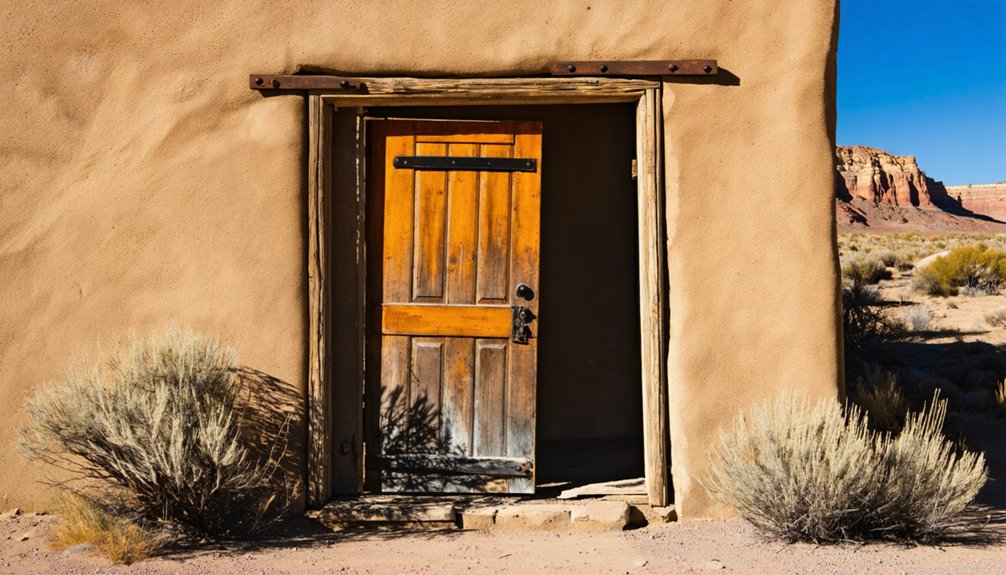
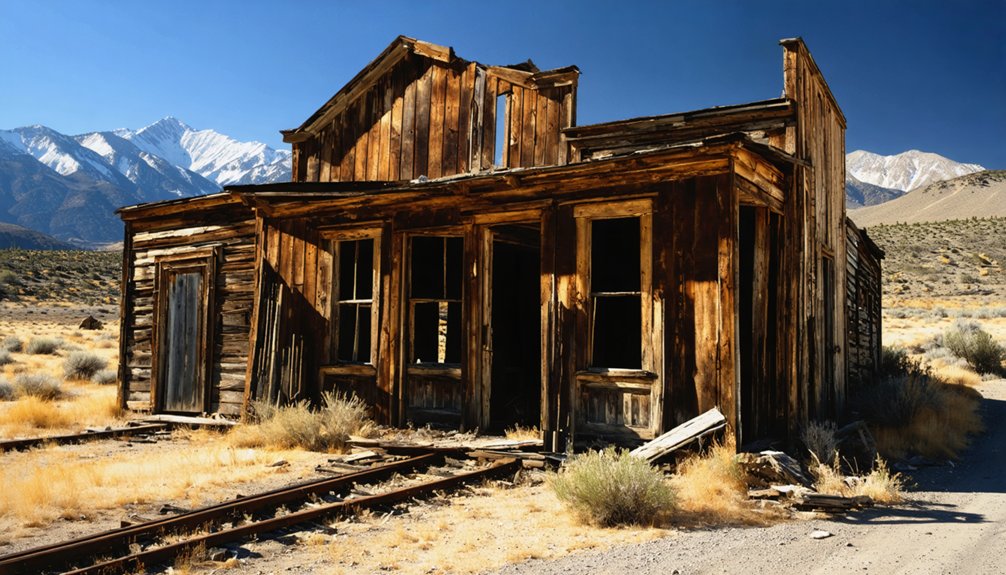
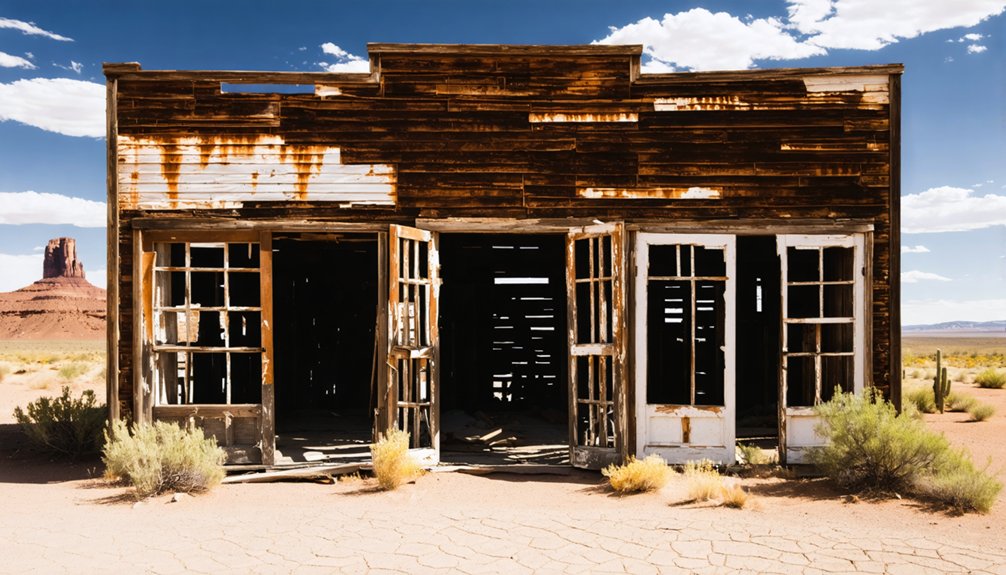
When you first pull up to Grafton Ghost Town, the landscape does most of the talking — sun-bleached adobe and weathered wood structures stand against the backdrop of the Virgin River valley, quiet and largely intact. You’ll find restored homes, outbuildings, a church, and a graveyard, each marked with signage that puts historical preservation front and center.
Nothing here feels staged or commercialized, which makes it genuinely compelling. The Grafton Cemetery draws most visitors in first, but every structure rewards a closer look.
Photography opportunities are exceptional — golden-hour light against crumbling walls and open sky creates compositions that are hard to replicate anywhere else. Walk the full site in about 30 minutes, and you’ll leave with a clear sense of what life once looked like here.
How to Get to Grafton From Hurricane or Zion
Knowing what waits for you at Grafton makes getting there feel worth the extra planning. From Hurricane, take UT-9 toward La Verkin, then turn onto Bridge Road in Rockville. From Zion National Park, the Bridge Road turnoff sits roughly five miles outside the park entrance.
Getting to Grafton takes planning, but the route through Rockville makes every turn worthwhile.
Either way, you’ll hit a dirt road section, so slow down and drive carefully. The historic 1924 Rockville Bridge marks your approach and offers one of the best scenic viewpoints along the route.
Once you arrive, you’re stepping into a site where historical preservation shows through restored homes, a church, and a cemetery, all backed by the stunning Virgin River valley.
No need for reservations — Grafton is free, open daily, and ready whenever you are.
Do You Need a High-Clearance Vehicle to Get There?
Getting to Grafton doesn’t require a heavy-duty 4×4, but a high-clearance vehicle does make the dirt road section more comfortable, especially after rain. Most standard cars can handle the approach in dry conditions, though you’ll want to drive slowly and watch for ruts.
Vehicle requirements become more important if you’re planning to extend your trip along routes like the Smithsonian Butte National Backcountry Byway, where rougher terrain demands more clearance. Your vehicle choice directly affects how freely you can explore.
Grafton’s historical preservation depends on respectful, cautious visitors, and that starts before you even park. Avoid driving off the designated path, protect the surrounding landscape, and check road conditions ahead of time—particularly during summer monsoon season when dirt roads can shift quickly.
What to Pack for a Ghost Town With No Amenities
Choosing the right vehicle gets you to Grafton, but what you bring along determines how comfortable and safe the visit actually is. The site offers zero amenities, so pack water generously since the heat hits hard with no shade nearby. Wear a hat and sunscreen to stay protected while you explore the restored buildings and cemetery.
Carry a camera because photographic opportunities are outstanding here — the Virgin River backdrop and weathered structures make every shot compelling. Support historical preservation by bringing nothing but curiosity and leaving nothing behind.
Since cell reception is unreliable, pack a map, compass, and written coordinates. A flashlight and portable phone charger round out your kit. Fill your gas tank before the turnoff, and you’re genuinely set for a smooth, rewarding visit.
The Restored Buildings and Cemetery Worth Slowing Down For
Once you step onto the grounds at Grafton, the restored homes, outbuildings, and church-hall pull you into a genuinely vivid piece of Utah’s pioneer past. Signage throughout the site explains the local history behind each structure, giving you real context rather than guesswork.
You’ll notice preservation efforts have kept the buildings structurally sound while maintaining their authentic, weathered character — nothing feels over-restored or sanitized.
Don’t rush past the Grafton Cemetery. It sits quietly on the property and carries significant weight, marking the lives of settlers who built this community along the Virgin River valley. Reading the headstones connects you directly to the people behind the history.
Slow your pace here, take everything in, and let the landscape remind you why places like this deserve protecting.
Ghost Towns Near Grafton Worth Combining on the Same Drive
Grafton’s worth the stop, but southern Utah rewards you further if you keep moving. Harrisburg, located near Leeds off I-15, pairs naturally with a Grafton visit as another Virgin River valley ghost town with remaining stone foundations and a cemetery. Both sites share a commitment to historical preservation, and together they tell a fuller story of early settler life in the region.
If you’re building a longer loop, Frisco and Modena extend your drive westward with rich mining history and strong photography opportunities among weathered structures against open desert backdrops.
Eureka, north along State Route 6, adds another layer if you’re heading toward Salt Lake City. Plan your fuel stops carefully, carry water, and you’ll move between these sites efficiently without doubling back unnecessarily.
Before You Go: Safety at Abandoned Sites
Ghost town structures have stood without maintenance for decades. Floors, stairs and roof timbers fail without warning, and a building that looks solid from outside may not hold your weight. Stay out of standing structures unless the site is actively maintained and open to visitors.
Mine workings are the more serious hazard. Vertical shafts can be hundreds of feet deep, are often unfenced, and may be hidden by brush or capped with rotted boards. Never enter an adit, tunnel or shaft: abandoned workings can hold oxygen-poor or toxic air that gives no warning before you lose consciousness.
Enclosed spaces with rodent droppings carry a risk of hantavirus, which is contracted by breathing contaminated dust. Do not sweep or stir up dust inside old cabins and outbuildings.
Cell coverage at these sites is usually poor or absent. Tell someone your route and expected return time, and carry more water than you think you need.
Frequently Asked Questions
Is Grafton Ghost Town Free to Visit or Does It Cost Money?
You’ll visit Grafton Ghost Town completely free! It’s open 24/7, offering incredible photography opportunities among historically preserved homes, a church, and cemetery. Embrace your freedom to explore this stunning Virgin River valley site anytime you’d like.
What Are the Operating Hours for Grafton Ghost Town?
Open 24/7, 365 days a year—you’ll never miss Grafton’s stunning historical preservation! You can explore its weathered structures and seize incredible photography opportunities anytime freedom calls, whether you’re chasing golden-hour light or an early morning adventure.
How Long Does a Typical Visit to Grafton Ghost Town Take?
You’ll spend about 30 minutes exploring Grafton’s remarkable historical preservation. Don’t rush — you’ll want to soak in the photography opportunities among restored buildings, the old church, and the hauntingly beautiful cemetery that’s waiting to be discovered.
Should Flash-Flood Risks Be Checked Before Driving to Grafton?
Flash floods cause 90% of weather deaths in Utah. You should absolutely check flash-flood preparedness before driving to Grafton, as canyon routes flood fast. Follow emergency safety tips and monitor forecasts, so you’re free to explore safely.
Can Grafton Ghost Town Be Combined Into a Multi-Day Utah Road Trip?
You can absolutely fold Grafton’s historical preservation and stunning photography opportunities into a multi-day Utah road trip, pairing it with Frisco, Eureka, and Zion National Park for an adventurous, freedom-filled southern Utah experience.
References
- https://www.visitutah.com/things-to-do/history-culture/ghost-towns
- https://www.onlyinyourstate.com/trip-ideas/utah/road-trip-ut-ghost-towns
- https://www.deseret.com/utah/2023/1/21/23549285/utah-ghost-towns-mormon-history/
- https://www.hannahhendersontravel.com/grafton-ghost-town-utah/
- https://x.com/i/grok/share/ABEvnMY8NC4da16h0ndNJqylY
- https://www.travelmag.com/utah-road-trip-takes-you-to-ghost-towns-ancient-ruins-and-otherworldly-landscapes/
- https://www.youtube.com/watch?v=JDIhYM_i-vU
- https://www.youtube.com/watch?v=05MpUor2KC8
- https://www.youtube.com/watch?v=1Sdkf0XJZd4