Planning a ghost town road trip to Boones Ferry, Oregon means stepping into over a century of Pacific Northwest history. You’ll trace a route that’s older than Oregon itself, following trails once walked by indigenous peoples and later traveled by wagons, livestock, and early automobiles. Established in 1847 by Alphonso Boone, this Willamette River crossing served for 107 years before fading into legend. Stick around to uncover everything this forgotten landmark has to offer.
Key Takeaways
- Boones Ferry, near Wilsonville, is accessible via Interstate 5 from Portland in approximately 30 minutes, making it an easy road trip destination.
- The ghost town has no visitor center or formal parking, so plan for a self-guided, unstructured outdoor exploration experience.
- Nearby attractions like Champoeg State Heritage Area and Butteville complement the visit, creating a full-day Oregon frontier history itinerary.
- Bring water and comfortable shoes, as the open landscape site offers minimal amenities for visitors.
- Historical markers, Boones Ferry Road, and Boone Bridge provide tangible connections to the ferry’s 107-year operating legacy.
What Was Boones Ferry, Oregon?
Where the Willamette River once divided pioneer Oregon, a simple rope-and-timber ferry carried travelers, livestock, and wagons from one bank to the other. That crossing was Boones Ferry, a crucial link along the route connecting Portland to Salem.
Established in 1847 by Alphonso Boone, a grandson of Daniel Boone, the ferry served the region for 107 years before the Boone Bridge replaced it in 1954.
The surrounding settlement, Boones Landing, eventually grew into modern Wilsonville.
Its cultural significance runs deep. The crossing shaped how early settlers moved through the Willamette Valley, and the road Jesse Boone cleared still traces through multiple Oregon counties today.
Thanks to historical preservation efforts, you can still visit the area and feel the weight of that pioneer-era freedom firsthand.
How a Daniel Boone Grandson Built the Willamette Crossing
When Alphonso Boone arrived in Oregon in 1846 with ten children in tow, he carried more than frontier ambition — he carried a name already synonymous with blazing trails.
His grandfather, Daniel Boone, had carved paths through untamed wilderness, and Alphonso wasn’t about to break that tradition.
How Boones Ferry Shaped Early Oregon Travel
Once Alphonso and Jesse Boone planted their roots along the Willamette, the ferry they built didn’t just serve the family — it stitched together an entire region. Travelers moving between Portland and Salem depended on this crossing to keep commerce and community alive.
Jesse’s cleared road cut through Marion, Washington, Clackamas, and Multnomah Counties, following an ancient indigenous trail that predated every settler’s boot print.
You’ll find river legends woven into nearly every account of this corridor — late-night crossings, 300 trips a day, horses and Model Ts sharing the same deck.
Strip away the historical myths, and what remains is still remarkable: a family-built ferry that ran 107 years, shaping how an entire generation of Oregonians moved, traded, and settled across this rugged landscape.
107 Years of Service: The Ferry’s Rise and Final Run
Few ferry operations anywhere in the American West matched what the Boones built along the Willamette — a crossing that ran from 1847 all the way to 1954, outlasting the pioneer era, two world wars, and the rise of the automobile.
You’re looking at 107 years of river crossings that carried horses, buggies, cattle, and eventually twelve cars per trip. By its final years, the ferry logged as many as 300 daily crossings.
Historical artifacts tied to the landing still anchor the area’s identity today. When the Boone Bridge opened and the ferry was decommissioned in 1954, fewer than 100 people showed up for the final run — a quiet ending for a crossing that had once been the lifeline connecting Portland to Salem through the Oregon wilderness.
What’s Left to See at the Boones Ferry Site Today?
The quiet sendoff in 1954 didn’t erase what the Boones left behind. You can still drive Boones Ferry Road and feel the weight of that pioneer corridor beneath your wheels. The Boone Bridge on Interstate 5 marks nearly the same crossing point where the ferry once hauled horses, buggies, and early automobiles across the Willamette.
Pull over near Wilsonville and look for the historical marker identifying the Boone family homesteads between Oregon City and Butteville. Local legends connect the landscape to Alphonso and Jesse Boone in ways that maps can’t fully capture.
Historical artifacts tied to the family and the settlement remain embedded in the region’s identity. It’s a working road trip stop where the past hasn’t completely faded — just shifted into the background.
How to Get to Boones Ferry in Wilsonville?
To reach the Boones Ferry site, you’ll want to head to Wilsonville, Oregon, just off Interstate 5 near the Boone Bridge, where the old crossing once carried pioneers, horses, and eventually automobiles across the Willamette.
If you’re driving from Portland, the trip takes roughly 30 minutes south on I-5, and you can spot the bridge corridor that replaced the ferry back in 1954.
While you’re there, you’ll find the surrounding Wilsonville–Butteville area rich with historical markers and pioneer-era landmarks that pair naturally with the ferry’s story.
Getting There By Car
Reaching Boones Ferry is straightforward if you’re traveling along the I-5 corridor between Portland and Salem. Take the Wilsonville Road exit and head toward the Boone Bridge area, where the Willamette River still shapes the landscape just as it did for early travelers.
You’re fundamentally tracing the same route that Jesse Boone cleared through multiple counties for pioneers hauling wagons and livestock.
Pull off near the bridge and take a moment. The river crossing techniques used here evolved from simple flatboats to a cable-drawn ferry carrying 12 cars per trip. Historical anecdotes about 300 daily crossings remind you how crucial this corridor once was.
Boones Ferry Road runs parallel, offering a slower, more deliberate path if you’d rather feel the history beneath your wheels.
Nearby Landmarks To Note
Once you’ve parked near the Boone Bridge, you’ll find that several landmarks within the Wilsonville–Butteville corridor reward a short detour. The historical marker identifying the Boone family’s original homesteads tells a story rich in historical anecdotes, connecting Daniel Boone’s grandson to this stretch of the Willamette River.
Nearby Champoeg State Heritage Area marks where early settlers voted to form Oregon’s first provisional government, adding real political weight to your stop.
Boones Ferry Road itself traces transportation evolution from an ancient indigenous trail to a pioneer corridor threading through Marion, Washington, Clackamas, and Multnomah Counties.
Butteville, just south, preserves a small cluster of pioneer-era buildings worth a slow walk.
Together, these stops turn a single bridge pullout into a full afternoon of Oregon frontier history.
Nearby Pioneer Sites Worth Adding to the Drive
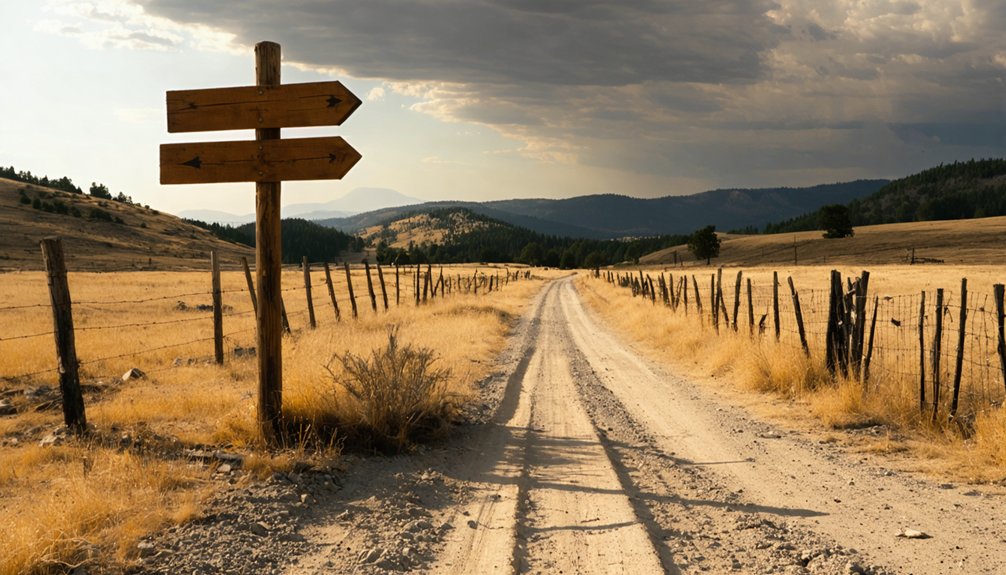
While you’re already tracing pioneer history along the Willamette, it’s worth pushing the drive a little further to take in the broader corridor that once connected Oregon’s earliest settlements. Champoeg State Heritage Area sits nearby and marks the 1843 vote that established American provisional government in the Pacific Northwest. It’s a quiet but powerful stop.
Butteville, just south, retains its original general store and offers a rare glimpse into river navigation and early trade along the Willamette. The ferry construction era shaped this entire stretch, turning rough landings into functioning communities.
Oregon City anchors the northern end of the route as the official end of the Oregon Trail. Together, these stops transform a single roadside visit into a full-day journey through Oregon’s founding chapter.
Parking, Hours, and What to Expect at the Site
The Boones Ferry site doesn’t have a formal visitor center or dedicated parking lot, so you’ll approach it the way most roadside history gets discovered—by pulling over near the Boone Bridge corridor along Interstate 5 near Wilsonville and reading what the landscape quietly offers.
No visitor center, no parking lot—just a pull-off, a landscape, and whatever history it’s willing to share.
The historical marker near the area identifies the Boone family’s homesteads and gives you enough context to piece together the local legends surrounding this 107-year ferry crossing.
You’ll find scenic views of the Willamette River that still echo the pioneer-era crossings once made here.
There are no posted hours because the site exists as open landscape rather than a managed attraction.
Wear comfortable shoes, bring your own water, and treat the stop as a slow, self-guided pause between destinations.
Frequently Asked Questions
Was Boones Ferry Road Ever a Toll Road for Travelers?
The available records don’t confirm Boones Ferry Road was ever a toll road. You’ll still find it’s one of Oregon’s most storied scenic routes, rich with historical landmarks tracing pioneer freedom across the Willamette Valley.
Did the Boone Family Charge Fees for Ferry Crossings?
Yes, the Boone family charged fees for ferry crossings. Pioneers paid passage along the peaceful, productive Willamette, weaving their way westward. This historical ferry operation remained central to the Boone family legacy for over a century of river travel.
Are There Any Boone Family Descendants Still Living in Oregon?
The knowledge base doesn’t confirm living descendants, but genealogy research may connect you to Boone family heritage. You’ll find Oregon historical societies can help trace this pioneering lineage that helped shape the region’s early freedom-seeking settlers.
What Happened to the Original Ferry Boat After Decommissioning?
Unfortunately, the records don’t tell you what became of the original ferry boat — it likely didn’t survive as a historical preservation trophy or maritime artifact. Sometimes history’s workhorses just quietly disappear, uncelebrated and unarchived.
Is Boones Ferry Suitable for Visiting With Young Children?
You’ll find Boones Ferry wonderfully suited for young children! Explore historical landmarks tied to pioneer life, and enjoy family-friendly activities like tracing Jesse Boone’s ancient road corridor, where history breathes through every scenic, open stretch of Oregon landscape.
References
- https://oregontic.com/oregon-historical-markers/boones-ferry/
- https://en.wikipedia.org/wiki/Boones_Ferry
- https://newcollinsview.blog/history/BoonesFerryRoad/
- https://oregon.com/attractions/historical-marker-boones-ferry
- https://www.youtube.com/watch?v=2oSBNiICcBk
- https://www.oregonhikers.org/field_guide/Boones_Ferry_Landing
- https://www.oregonlive.com/history/2015/10/history_of_portlands_ferry_roa.html
- https://en.wikipedia.org/wiki/Alphonso_Boone