Planning a ghost town road trip to Big Creek, Idaho means trading convenience for something far more rewarding. You’ll need a high-clearance vehicle, supplies from McCall or Yellow Pine, and a flexible schedule since roads don’t open until late June. The 22-mile stretch from Yellow Pine gets rough, but ruins of gold rush mines, rugged Frank Church Wilderness trails, and serious solitude await. Stick around—there’s plenty more to uncover before you go.
Key Takeaways
- Big Creek, Idaho, is best visited from late June to early November, with access from Boise (~5 hours) or McCall (~3 hours).
- The final 22-mile stretch from Yellow Pine to Big Creek is narrow and rough, requiring a high-clearance vehicle.
- The area’s gold rush history dates to the 1880s, featuring mines, ruins, and artifacts scattered across an untouched landscape.
- A larger loop connecting Yellow Pine, Warren, and Burgdorf adds ghost towns, hot springs, and historic sites to your road trip.
- Services are extremely limited; refuel in McCall or Yellow Pine and carry extra water and essential supplies for self-sufficiency.
What Makes Big Creek Worth the Drive?
Big Creek sits deep in Valley County, Idaho, surrounded by Payette National Forest and the Frank Church-River of No Return Wilderness — and that remoteness is exactly what makes it compelling. You’re not driving out here for cultural festivals or local cuisine. You’re coming for raw backcountry terrain, scattered mine ruins, and the kind of silence that only exists miles from pavement.
The area holds dozens of historic mines dating back to 1884, with the Sunday Mine ruins and a mountaintop mill still accessible by foot. It connects naturally into a larger road trip loop through Yellow Pine, Warren, and Burgdorf.
If you value open roads, honest history, and landscapes that haven’t been polished for tourists, Big Creek earns every mile of the drive.
Big Creek’s Gold Rush History and the Mines Behind It
When you trace Big Creek’s origins back to the 1880s, you’ll find a district shaped by competing gold and silver strikes — with some accounts crediting James Reardon and L.M. Johnson for major discoveries in 1884, while others point to 1885 as the spark that lit the rush.
That early frenzy gave rise to dozens of mines scattered across the surrounding ridges and drainages, including well-known operations like the Cleveland Mine, the Snowshoe Mine, and the Golden Hand.
You’re not looking at a single boom-and-bust story here — you’re looking at a layered mining district tied directly to the broader Thunder Mountain gold rush that drew prospectors deep into central Idaho’s backcountry.
Gold Discovery Origins
Tucked deep in the mountains of Valley County, Idaho, gold’s lure first drew prospectors to Big Creek in 1885—though some accounts place the district’s major silver and gold discoveries a year earlier, credited to James Reardon and L.M. Johnson.
Whichever date holds true, early gold prospecting here demanded serious grit. These men pushed through remote backcountry terrain without modern tools or reliable roads, relying on rudimentary mining techniques like placer panning and hard-rock excavation to chase down ore-rich veins.
What they found sparked a broader rush that eventually seeded dozens of active mines across the district.
If you’re drawn to places where raw ambition carved history into mountainsides, Big Creek’s origins deliver exactly that kind of story—unfiltered, rugged, and worth chasing down yourself.
Notable Mines And Claims
Once the rush took hold, dozens of mines spread across Big Creek’s rugged terrain, each chasing the same dream of silver and gold buried in the mountainsides. Names like the Cleveland, Red Metals, Wilson, Werdendorff, Independence, Golden Hand, Copper Camp, and Snowshoe Mine defined the district’s ambitious era.
You’re walking ground where miners hauled heavy mining equipment up narrow mountain paths, driven purely by what lay beneath the rock. Today, most of that equipment is gone or deteriorated, but historical artifacts and structural remnants still surface across the landscape if you know where to look.
The Sunday Mine ruins stand out as a notable stop, and a short hike from there leads you to a historic mountainside mill worth exploring on foot.
When Big Creek Is Actually Accessible by Season
Getting to Big Creek isn’t just a matter of pointing your rig toward the backcountry and heading out — the season you choose determines whether you’ll make it at all. Snow delays and seasonal closures can block access well into summer, so plan accordingly.
Here’s what each window looks like:
- Late June through July — Snow finally clears most years, but the campground may not open until July.
- Summer through Fall — Prime travel window; Big Creek Lodge runs through early November.
- Winter and early spring — Roads become impassable; snow delays turn back even prepared rigs.
Your best bet is targeting late summer or early fall, when conditions are stable and the backcountry fully opens up.
How to Reach Big Creek From Boise and Mccall
Knowing when the road opens is only half the equation — you also need to know how to get there. From Boise, budget roughly five hours of driving through mountain terrain where wildlife sightings of elk and deer are common along the way.
From McCall, you’re looking at closer to three hours. Both routes funnel through Yellow Pine, a small community worth a stop for local cuisine and fuel before you push deeper into the backcountry.
Past Yellow Pine, the road runs smooth toward the mouth of Smith Creek, then turns rough and narrow for the remaining stretch into Big Creek. Keep your speed down, watch for loose gravel, and stay alert — this final leg demands full attention and rewards you with serious wilderness payoff.
What the Road From Yellow Pine to Big Creek Actually Looks Like?
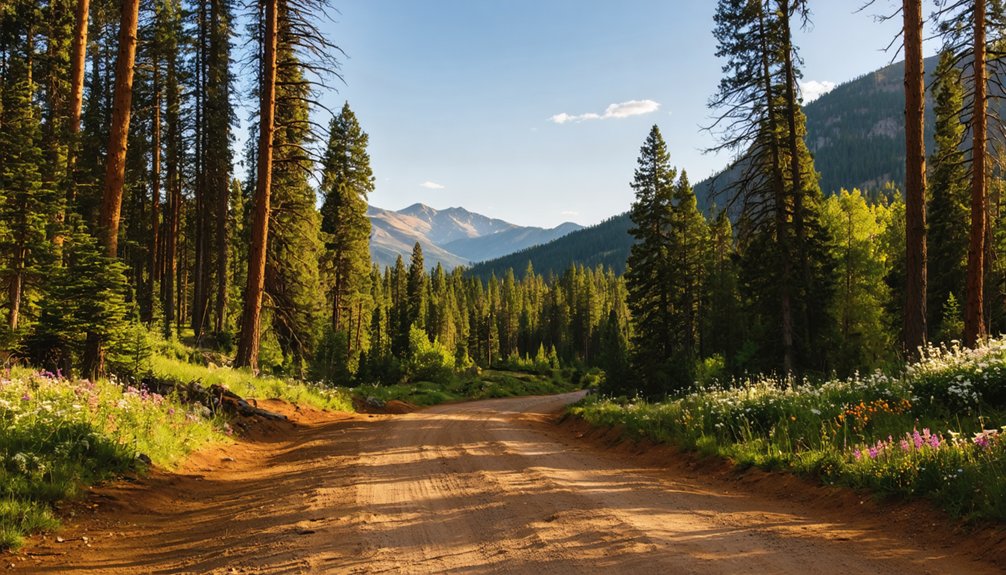
The 22-mile drive from Yellow Pine to Big Creek splits into two very different experiences. The first stretch runs smooth and manageable, giving you time to absorb the local flora — dense conifers, wildflower meadows, and riparian brush lining the corridor.
Past the mouth of Smith Creek, everything changes:
- The road narrows markedly, demanding focused steering and patience.
- Rough surfaces slow your pace and test your vehicle’s clearance.
- Wildlife sightings become more frequent as development thins out — watch for deer, elk, and the occasional black bear.
You’re entering true backcountry at that point. Expect no guardrails, limited pullouts, and zero services. A high-clearance vehicle isn’t optional — it’s essential. The reward is unfiltered Idaho wilderness waiting at the end.
Big Creek Mine Ruins and Historic Sites Worth Finding
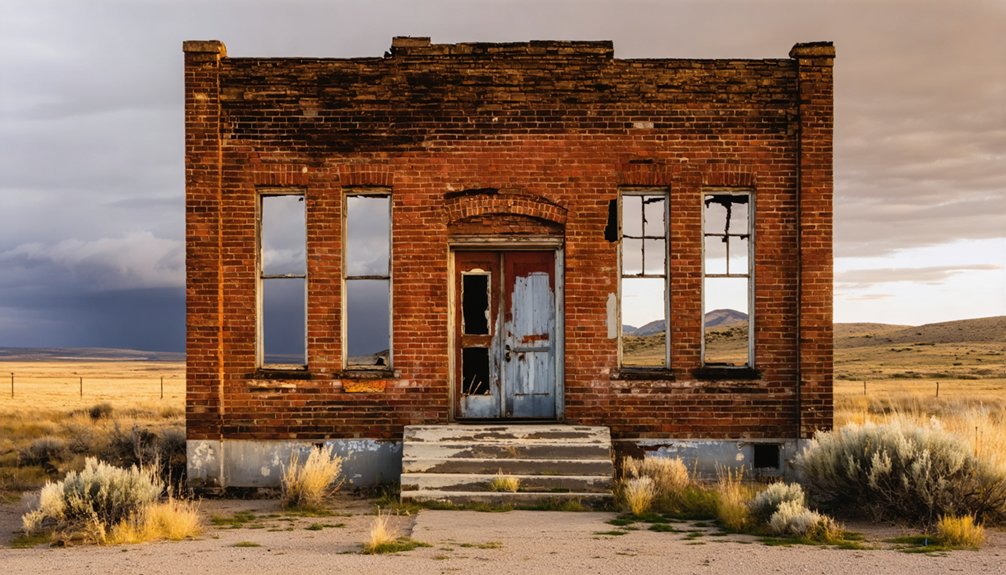
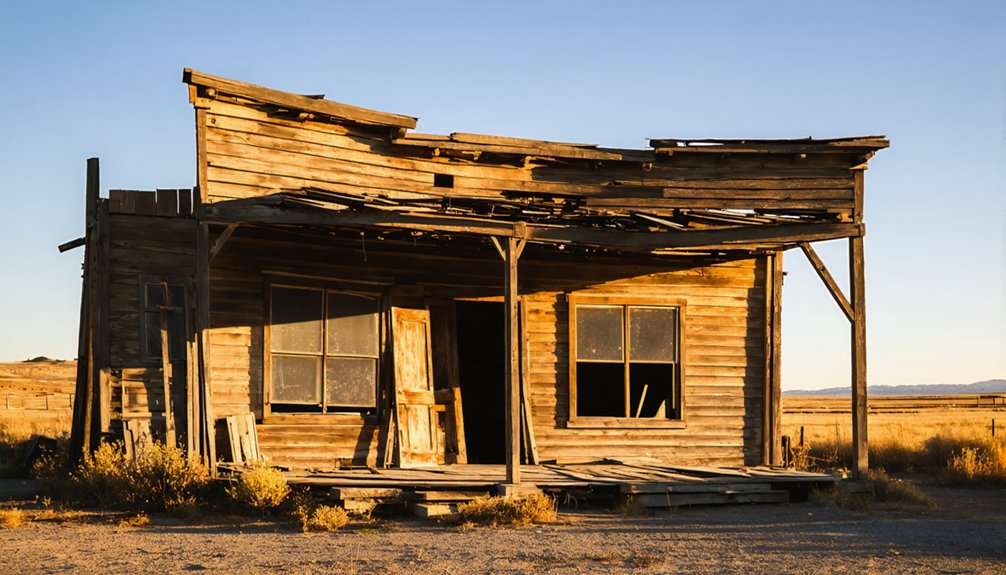
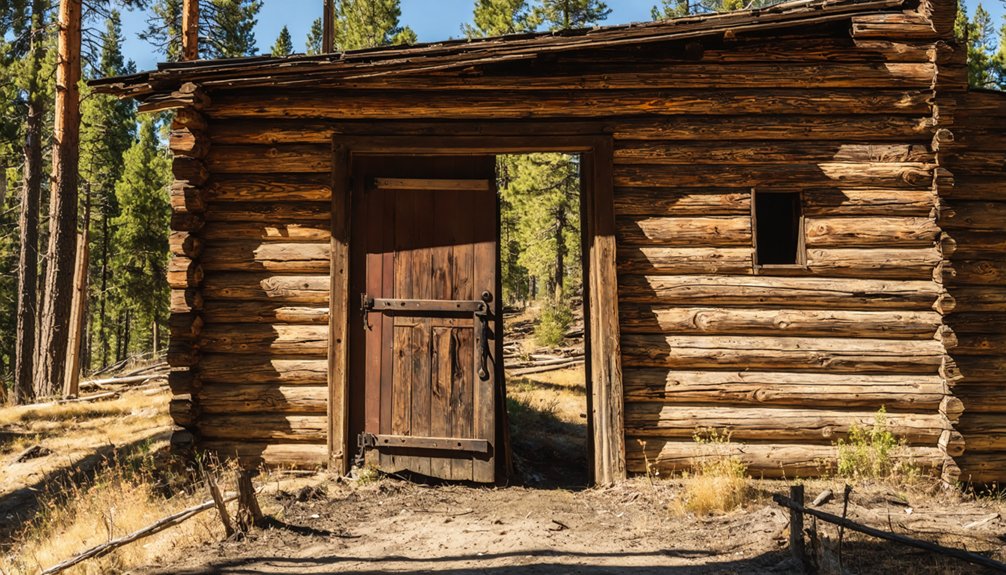
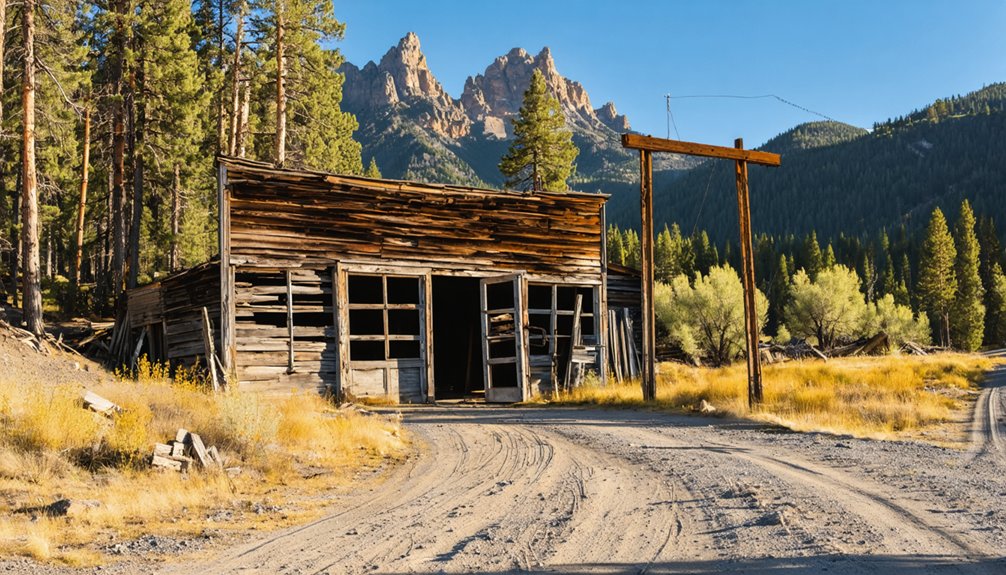
Once you pull into Big Creek, you’ll find the real draw isn’t a single preserved main street — it’s scattered across the surrounding terrain in the form of mine ruins, collapsed structures, and remnants from a district that once ran dozens of active operations.
Named mines like the Cleveland, Snowshoe, and Golden Hand reflect the full range of mining techniques used across the late 1800s and early 1900s.
Your best focused stop is the Sunday Mine ruins, where a short hike leads to a mountainside mill still standing against the slope.
Historical preservation here is minimal and intentional — nature has reclaimed most of it.
Don’t expect interpretive signs. Expect raw landscape, rusted remnants, and a district that rewards curious travelers willing to explore beyond the airstrip.
Camping Options Near the Big Creek Airstrip
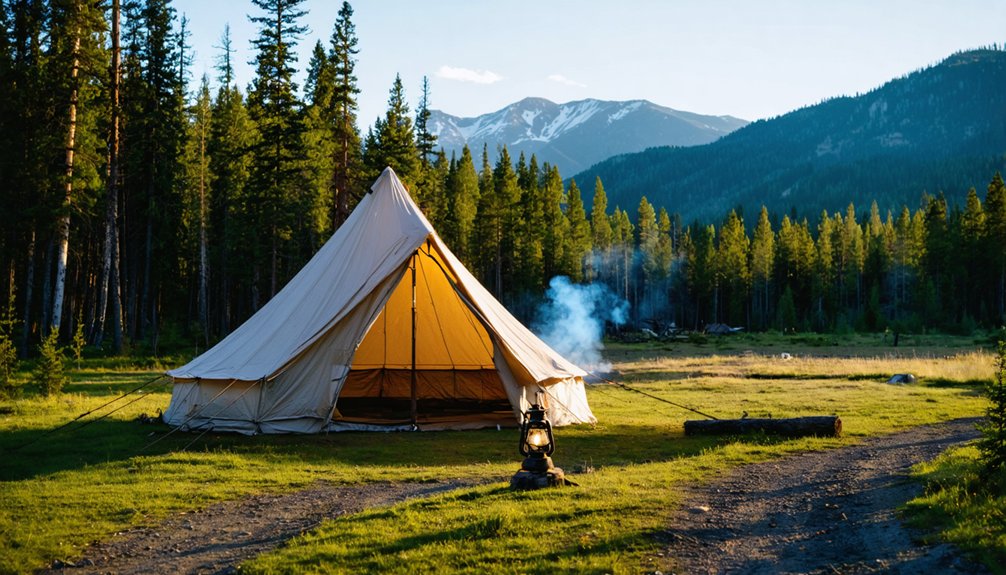
If you’re staying the night near Big Creek, the campground at the south end of the airstrip is your primary option — a four-unit setup that’s simple, functional, and positioned well for exploring the surrounding terrain. Plan around these key details:
- Opening timing — The campground may not open until July, so confirm access before committing to early-season dates.
- Wildlife habitats — You’re deep in Frank Church wilderness country, meaning elk, deer, and black bear share this landscape with you.
- Local legends — Miners’ stories still echo through these hills, and evenings at camp feel heavier with that history around you.
The airstrip sits at 5,743 feet, so nights run cold. Pack accordingly, keep your camp clean, and embrace the raw self-sufficiency this place demands.
The Bigger Loop: Yellow Pine, Warren, and Burgdorf
Big Creek doesn’t have to be a dead end — fold it into a longer backcountry loop and you’ll cover some of Idaho’s most rewarding ghost town country in a single trip.
From Big Creek, push west toward Yellow Pine, then swing north to Warren and Burgdorf to trace the same corridors that once moved miners, supplies, and early mining technology through this wilderness.
Warren’s gold rush history runs deep, and Burgdorf’s hot springs offer a well-earned soak after miles of rough road.
Forest management has shaped these routes over decades, keeping some stretches passable while leaving others raw and remote.
Plan your fuel stops, carry extra water, and give yourself flexibility — this loop rewards travelers who move on their own schedule.
What to Know Before You Go to Big Creek
Whether you’re running the full loop or making Big Creek your primary destination, a little preparation goes a long way out here. Seasonal weather closes roads well into late June or early July, so check conditions before you commit to a departure date.
A little preparation goes a long way — check road conditions before you commit to a departure date.
- Fuel and supplies: Services are extremely limited — load up in McCall or Yellow Pine before heading in.
- Seasonal weather: Snow delays are common, and afternoon storms can roll in fast during summer months.
- Local wildlife: Bears, elk, and mountain lions share this backcountry — store food properly and stay aware on trails.
The Big Creek airstrip campground may not open until July, so confirm availability ahead of time and build flexibility into your itinerary.
Big Creek as a Trailhead Into the Frank Church Wilderness
Sitting at the edge of one of the largest protected wilderness areas in the lower 48, Big Creek gives you direct trail access into the Frank Church-River of No Return Wilderness — no long approach drive required.
From the airstrip and campground, trails push deeper into raw backcountry where wildlife encounters with elk, deer, and black bear are genuinely common.
You’re moving through terrain that rewards the self-sufficient traveler — rugged, quiet, and largely unchanged.
Scenic viewpoints along the ridgelines open up sweeping views of the Salmon River Mountains that most people never see.
Whether you’re day hiking or staging a multi-day wilderness trip, Big Creek puts you on the edge of something vast.
Pack smart, check trail conditions, and go.
Frequently Asked Questions
Is the Big Creek Airstrip Open to Private Pilots Year-Round?
The knowledge doesn’t confirm year-round access, but you’ll want to check airstrip regulations and pilot requirements before flying in—snow and seasonal conditions often limit access until late June or July, so plan your adventure accordingly!
Are There Any Guided Tours Available at the Big Creek Mining Sites?
Guided tours aren’t available, but you don’t need them! Big Creek’s mining history is yours to explore freely. Wander the Sunday Mine ruins and mountainside mill on your own terms — raw, unscripted adventure awaits.
Can You Access Big Creek by Motorcycle or Is Four-Wheel Drive Required?
You can tackle Big Creek via motorcycle, but don’t underestimate the rough, narrow stretches beyond Smith Creek. Four-wheel drive isn’t required, yet solid riding skills and an adventure-ready bike will make your journey far more enjoyable.
Is There Cell Service or Emergency Communication Available Near Big Creek?
Deep in Big Creek’s rugged mountain silence, you won’t find cell coverage — it’s wilderness isolation at its finest. Plan ahead, bring a satellite communicator, and know that emergency services are hours away.
Are Pets Allowed on the Trails Near the Big Creek Wilderness Area?
The knowledge base doesn’t specify pet policies or trail restrictions near Big Creek. You’ll want to contact the Payette National Forest directly before visiting, as wilderness area rules can vary and change seasonally.
References
- https://www.ghosttowns.com/states/id/bigcreek.html
- https://objects.lib.uidaho.edu/taylorarchive/b4-HistoricalAccounts-007.pdf
- https://swansondigital.com/2023/04/14/idaho-off-pavement/
- https://wild-trails.weebly.com/blog-home/weeks-5-6-big-creek-to-the-big-horn-crags
- https://www.bigcreeklodgeidaho.com/getting-here/
- https://assets.locomotive.works/sites/5862ce0774c4835c4d227239/assets/5a0b4c44a2f422291ce3ee02/2006-7_Pilot_Getaways_Big_Creek_Article.pdf
- https://yellowpinetimes.wordpress.com/2017/10/29/idaho-history-oct-29/
- https://idahotrailsassociation.org/2024/07/trail-spotlight-big-creek/
- https://darkskybikepacking.com/payette-national-forest-loop/