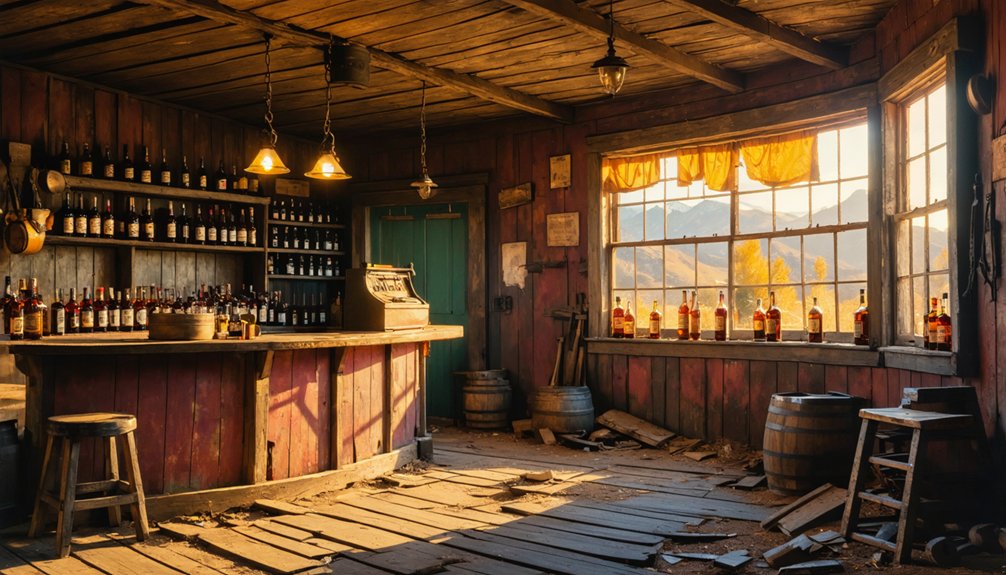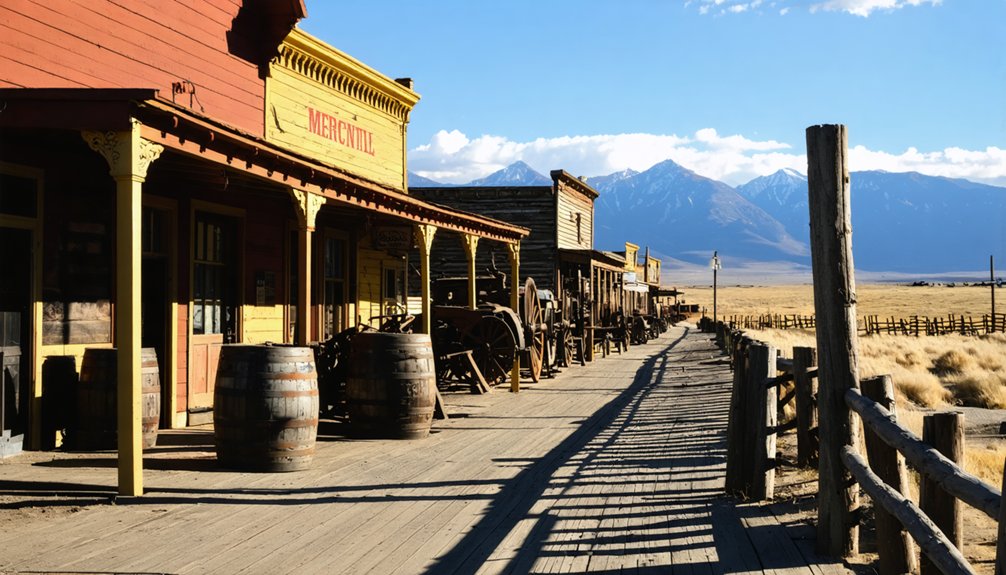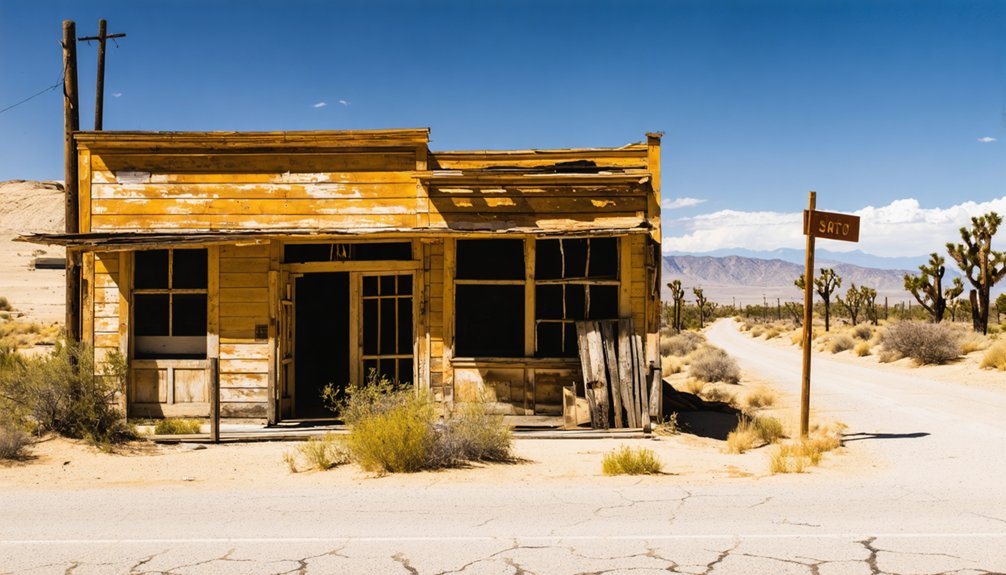
You’ll cover nearly 770 miles of California’s shattered boomtowns, tracing gold-fever trails that built entire civilizations overnight — then broke them just as fast. Starting near Redding and ending at Calico Ghost Town in Yermo, the route hits nine unforgettable stops, including haunted Bodie and the living ghost town of Randsburg. Plan for three to six days, a 4×4 vehicle, and offline maps. There’s far more to unpack about every mile ahead.
Key Takeaways
- Chichi, California does not appear on the ghost town road trip route, which spans from Shasta State Historic Park to Calico Ghost Town.
- The 770-mile route features nine notable stops, including Bodie, Randsburg, and Calico, but excludes any location named Chichi.
- Plan at least 3–6 days for the full route, averaging roughly 128 miles daily across northern, eastern Sierra, and southern desert segments.
- Best travel timing is late summer to early fall (August–September), avoiding snow-blocked passes, early October storms, and dangerous winter conditions.
- Pack safety gear, offline navigation tools, extra water, and snacks, as cell service and fuel stations are scarce in remote stretches.
The 9 California Ghost Towns You’ll Actually Drive Through
Before you pack the car and point it toward the California desert, know that this road trip strings together nine stops across roughly 770 miles, running from Shasta State Historic Park near Redding all the way south to Calico Ghost Town in Yermo — each one a chapter in California’s gold-and-silver boom-and-bust story.
Nine stops, 770 miles, one gold-and-silver story stretching from Redding to the California desert.
You’ll move through crumbling brick courthouses, hydraulic mining scars, and wind-scoured saloon fronts that mining history left standing.
Stops like Bodie — once home to 10,000 residents and nearly 50 saloons — show what ghost town preservation actually looks like when a place freezes in time rather than disappears.
Randsburg still breathes as a living ghost town, while Calico wraps the route with tours, a mining museum, and open trails.
Every stop earns its place.
Why These Ghost Towns Reveal California’s Boom-and-Bust Mining History
When gold fever hit California in 1848, entire towns erupted overnight — then collapsed just as fast once the ore ran out. That cycle of ambition and abandonment is exactly what you’ll feel walking through these stops.
Shasta once ruled the northern mining district. Bodie swelled to 10,000 residents and nearly 50 saloons before silence swallowed it whole. Each site tells the same brutal story: strike it rich, build fast, leave faster.
The mining relics scattered across these towns aren’t just curiosities — they’re evidence of unchecked human hunger for wealth. Ghost town preservation keeps that raw history intact so you can read it firsthand.
This road trip doesn’t sanitize California’s past. It hands it to you unfiltered, mile by mile.
How Long the Full 770-Mile Route Realistically Takes
The full 770-mile route stretches from Shasta State Historic Park down to Calico Ghost Town, and you’ll need at least three days to cover it without feeling rushed—six if you want to do it justice.
You’re looking at some long driving stretches, including a 165-mile haul between the first two stops alone, so planning your daily mileage around the terrain keeps you from burning out before you hit the best sites.
Backcountry stops like Bodie demand extra buffer time for rough roads, no cell service, and the kind of unhurried wandering these abandoned places deserve.
Daily Mileage Breakdown
Stretching 770 miles across California’s layered mining past, this road trip asks more of you than a casual weekend spin. Spread across six days, you’re averaging roughly 128 miles daily, but uneven stop spacing changes everything.
Consider how the miles actually fall:
- Day 1–2: The northern stretch from Shasta to Malakoff Diggins alone covers 165 miles, rewarding you with historic architecture and mining artifacts at every pause.
- Day 3–4: The eastern Sierra push toward Bodie demands focus, but the payoff is California’s most haunting unrestored ghost town.
- Day 5–6: The southern desert run closes near Calico, where silver history and visitor amenities give you a strong finish.
Plan buffer time. Remote segments punish rigid schedules.
Recommended Minimum Days
Visit California officially lists this route as a 3-to-6-day trip, but that lower end assumes you’re treating ghost towns like highway billboards—glancing and moving on.
Three days won’t give you enough time to wander Bodie’s deserted streets, study its historic architecture, or linger over mining artifacts rusting in place since the 1880s.
Four days is a realistic minimum if you’re driving efficiently and skipping deep detours.
Five days lets you breathe, explore Calico properly, and absorb Randsburg without rushing.
Six days is ideal if you want genuine freedom—time to photograph crumbling courthouse walls, duck into mining museums, and sit with the silence these towns actually deserve.
Choose your pace deliberately. The road doesn’t pressure you.
History rewards those who slow down.
Pacing For Backcountry Stops
Seven hundred and seventy miles sounds manageable until you remember that a meaningful stretch of this route cuts through remote eastern Sierra backcountry where dirt roads demand slow speeds, cell service disappears, and a single wrong turn can cost you an hour.
Backcountry pacing isn’t just practical—it honors historical preservation by giving you time to actually absorb what these abandoned places once were.
Build your schedule around these realities:
- Scenic viewpoints appear without warning and deserve unscheduled stops
- Bodie and similar sites reward slower walkthroughs, not rushed photo grabs
- Navigation errors, fuel gaps, and rough terrain regularly consume extra hours
Treat every backcountry segment as unpredictable. The freedom this route offers only pays off when you’re not racing against a tight clock.
Road Conditions, Fuel Stops, and Cell Service Gaps To Plan Around
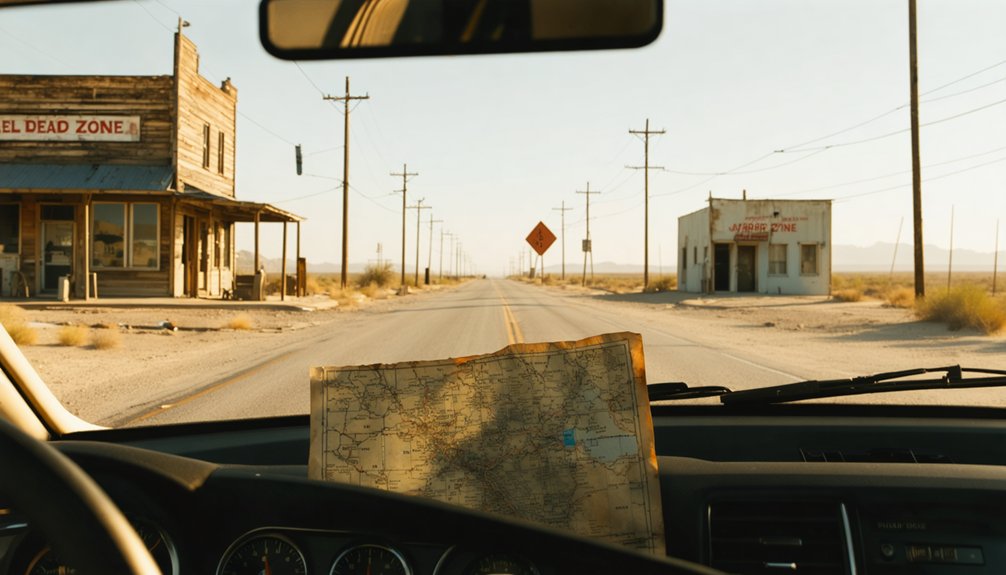
Before you load up the car and head into California’s backcountry ghost-town corridors, know that some of these roads demand more than just a full tank. High-clearance 4×4 vehicles handle remote segments far better than standard cars, and off road restrictions can shift without warning after storms roll through.
Weather considerations are serious here — snow lingers past June in higher elevations, and October can bring sudden closures.
Bridgeport marks your last reliable fuel stop before pushing deeper into the eastern Sierra backcountry, so don’t gamble on fumes.
Cell service disappears fast once you leave main highways, making offline maps essential rather than optional. Download your routes before you leave town.
These ghost towns survived isolation for over a century — respect it, and prepare accordingly.
Best Time of Year To Drive the California Ghost Towns Route
Timing your drive matters just as much as mapping your fuel stops. Seasonal weather can shut down entire segments of this route, so check travel advisories before you commit to dates.
Timing your drive is as critical as mapping your fuel stops — bad weather can shut the whole route down.
Late summer through early fall is your window — roads are clear, days are long, and the high desert rewards explorers who show up ready.
Avoid these timing mistakes:
- Spring visits risk snow-blocked passes near Bodie, which sits above 8,000 feet.
- October trips can surprise you with early storms that turn dirt roads into mud traps.
- Winter driving through the eastern Sierra backcountry is dangerous without chains or 4×4 capability.
Plan your departure between August and September, and you’ll catch these ghost towns exactly as history left them — raw, quiet, and wide open.
What To Bring for Backcountry Ghost Town Roads
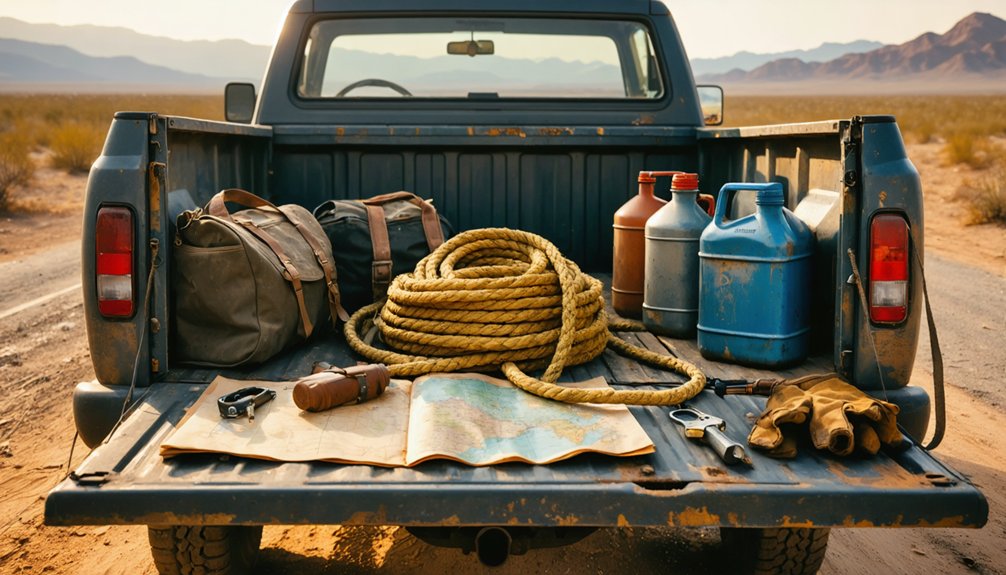
Packing light won’t work here — backcountry ghost town roads demand gear that keeps you moving when the pavement ends and cell service disappears. Download offline maps before you leave Bridgeport, your last reliable fuel stop heading into the eastern Sierra backcountry.
Carry essential safety gear: a first-aid kit, jumper cables, a tire repair kit, and extra water for both you and your radiator. A high-clearance 4×4 isn’t optional on rougher segments — it’s your lifeline.
Stock travel snacks that sustain real energy: nuts, jerky, dried fruit. These roads once carried miners chasing silver and gold through brutal terrain. You’re following their trail, so respect the isolation.
The freedom out here is real, but it rewards preparation over impulse.
Where To Sleep Along the 770-Mile Ghost Town Corridor
Sleeping arrangements shift dramatically as you move through 770 miles of California’s boom-and-bust corridor, from the timber towns near Redding down to the Mojave desert flats outside Barstow.
Sleeping arrangements shift as dramatically as the landscape across 770 miles of California’s boom-and-bust corridor.
You’ll find historic lodging tucked into Gold Rush-era buildings near Empire Mine, and campsite options that drop you directly into the silence those old miners once knew.
Plan around these anchor stops:
- Bridgeport – your last reliable fuel and lodging buffer before Bodie’s backcountry stretch
- Malakoff Diggins area – primitive campsite options inside the state park put you inside hydraulic mining history
- Barstow – budget motels serve as your desert basecamp before Calico’s final act
Don’t over-book. The freedom this route promises depends on leaving room to linger where the ghost towns demand it.
Frequently Asked Questions
Is There an Entrance Fee to Visit Bodie State Historic Park?
The knowledge doesn’t confirm Bodie’s entrance fee, so check ahead before you go. You’ll find historical preservation at its rawest here, with visitor amenities kept minimal — perfectly suited for your free-spirited, adventurous soul.
Can Children Safely Explore the Ghost Town Ruins Along the Route?
Like stepping into a living history book, yes! You’ll find children can explore these ruins safely by following child safety and exploration guidelines—stay on marked paths, supervise closely, and let curiosity roam freely through California’s mesmerizing ghost town legacy.
Are Pets Allowed at California’s Ghost Town State Historic Parks?
You can bring pets to many California ghost town state historic parks, but you’ll need to follow visitor regulations carefully. Pet policies typically require leashes, so pack your adventurous spirit and your pup’s freedom responsibly!
Is Photography Permitted Inside the Buildings at Bodie Ghost Town?
The knowledge doesn’t confirm interior photography rules, but you can explore Bodie’s dozens of deserted structures. When building access opens those weathered doors, capture your interior photography and let history’s raw, untamed spirit speak through every abandoned frame.
Do Any Ghost Towns Along the Route Offer Guided Walking Tours?
You’ll find guided walking tours at Calico Ghost Town, where you can uncover local legends and explore historic landmarks firsthand. Bodie’s open buildings also let you roam freely, soaking up raw, unfiltered history at every turn.
References
- https://www.visitcalifornia.com/road-trips/ghost-towns/
- https://www.visitcalifornia.com/now/california-ghost-towns-road-trip/
- https://www.visitcalifornia.com/kr/road-trips/goseuteu-taun/
- https://www.youtube.com/watch?v=j5KV_Lz1kek
- https://www.visitcalifornia.com/de/road-trips/geisterstaedte/
- https://www.hertz.com/p/american-road-trip-planner/west-coast/ghost-towns-of-the-west
- https://www.onxmaps.com/offroad/trips/rugged-adventures/ghost-towns-and-mines
- https://en.wikipedia.org/wiki/List_of_ghost_towns_in_California