Planning a ghost town road trip to Graball, Texas means heading to extreme northeastern Washington County, roughly 20 miles northeast of Brenham near Rocky Creek. You won’t find it on modern maps, so bring detailed county maps since GPS isn’t reliable here. The Graball Cemetery is your primary landmark, where weathered stones and a Texas historical marker quietly hold decades of stories. There’s much more to this vanished community’s past than you’d expect.
Key Takeaways
- Graball is located in extreme northeastern Washington County, about 20 miles northeast of Brenham, near Rocky Creek and the Navasota River.
- GPS may be unreliable; bring detailed county maps to navigate to the primary landmark, Graball Cemetery.
- No commercial infrastructure exists, so pack water, supplies, and expect open land, native grasses, and quiet surroundings.
- The cemetery contains weathered stones and a Texas historical marker honoring Amos Gates, an Austin’s Old Three Hundred original colonist.
- Graball’s 1886 ballot box destruction by the KKK triggered a congressional investigation, making this site historically and politically significant.
What Was Graball, Texas?
Once a small but lively Washington County settlement, Graball, Texas, stood in the extreme northeastern corner of the county, roughly 20 miles northeast of Brenham near Rocky Creek and just 2 miles from the Navasota River.
Its historical context stretches from an 1876 post office opening through a peak population of around 100 residents by 1892.
You’ll find the cultural significance of Graball runs deeper than its modest size suggests. By the 1880s, Black residents made up roughly 80% of the population, shaping a politically active community that drew outside hostility, including the Ku Klux Klan’s destruction of its ballot box in 1886.
That event later triggered a congressional investigation. Graball wasn’t just a dot on a map — it was a community worth remembering.
Where Exactly Is the Graball Ghost Town?
Though Graball no longer appears on modern maps, you can anchor your search in extreme northeastern Washington County, Texas — near Rocky Creek and within 2 miles of the Navasota River.
The site sits roughly 20 miles northeast of Brenham, tucked into a landscape where local legends still echo through the timber and creek bottoms.
Don’t expect abandoned structures or marked streets — Graball vanished in the early twentieth century, leaving almost no physical footprint.
Your best landmark is the Graball Cemetery, which remains accessible via county roads and serves as the primary reference point for the former settlement.
Bring a detailed county map, since GPS alone won’t guide you reliably here.
This is raw, unglamorous Texas history, and reaching it takes deliberate navigation.
From 40 Residents to Ghost Town: Graball’s 19th-Century Arc
When you trace Graball’s history, you find a community that built itself up quickly and then lost its footing just as fast. By 1884, the town supported three general stores, a drugstore, and around 40 residents — a respectable footprint for a rural Washington County settlement.
Its population climbed to nearly 100 by 1892. But as rail lines pushed through Washington and neighboring Grimes counties, trade shifted toward communities with direct shipping access.
Graball couldn’t compete, leaving its post office to close in 1908 and the town to vanish not long after.
Graball’s Early Growth
By 1884, Graball had quietly built itself into a functioning rural hub, supporting three general stores, a drugstore, and roughly 40 residents tucked into the northeastern corner of Washington County. That’s a meaningful footprint for a community sitting two miles from the Navasota River, far from any rail line.
By 1892, the population had climbed to around 100, signaling real momentum. You won’t find urban legends about overnight boomtowns here — Graball’s growth was steady, practical, and community-driven.
Modern preservation efforts haven’t left much standing, but the numbers tell a clear story: this was a place people chose to build their lives. Understanding that early energy makes its eventual disappearance feel more significant, and it gives your road trip genuine historical weight before you ever reach the cemetery.
Railroad-Driven Decline
Graball’s momentum didn’t collapse overnight — it got quietly outpaced. As railroad lines pushed through Washington and Grimes counties, trade shifted toward communities with direct access to shipping centers.
Graball, sitting two miles from the Navasota River with no rail connection, simply couldn’t compete. Merchants lost customers. Residents followed opportunity elsewhere.
Understanding that historical context helps you see Graball not as a failure, but as a casualty of forces reshaping the entire region. The post office closed in 1908, marking the community’s official fade.
By the early twentieth century, the town had vanished entirely.
That community legacy lives on through the Graball Cemetery and its historical markers — the last physical evidence of a place that once held a hundred people and a complicated, significant story.
How the KKK Destroyed Graball’s Ballot Box in 1886
The 1886 elections in Graball carried real stakes. Black residents made up roughly 80% of the community, and most voted Republican. Two Black officials sat on the local electoral board — a fact that carried both cultural significance and political weight in post-Reconstruction Texas.
That representation threatened those who wanted to suppress it. The Ku Klux Klan responded by destroying the community’s ballot box, erasing votes and silencing the precinct entirely. The act wasn’t random intimidation — it was targeted erasure.
The violence drew enough attention to trigger a congressional investigation, making Graball’s story part of the broader national record. When you visit today, historical preservation efforts like the cemetery marker quietly honor a community that refused to disappear without leaving its mark on history.
How the Railroad Killed Graball’s Future
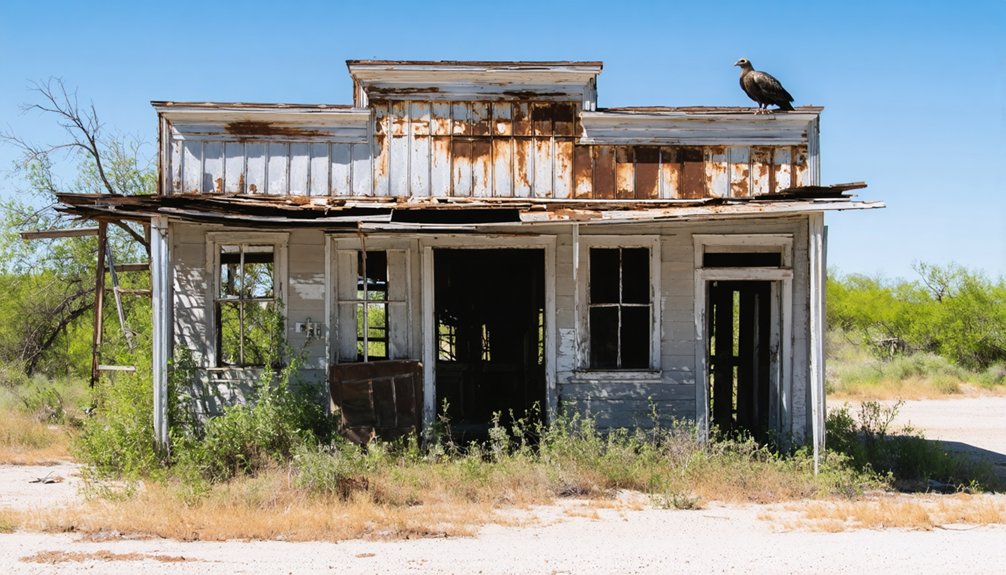
When rail lines pushed through Washington and neighboring Grimes counties, Graball’s economic footing crumbled fast. Towns with direct rail access controlled shipping, supply chains, and commerce.
Graball, sitting roughly two miles from the Navasota River with no rail connection, simply couldn’t compete.
You might hear local legends about overnight collapses or dramatic endings, but the truth is quieter and harder. Trade drifted toward communities closer to shipping centers, one season at a time. Stores lost customers. Residents followed opportunity elsewhere.
By 1908, the post office closed — the final official acknowledgment that Graball had stopped functioning as a community.
Urban legends romanticize ghost towns, but Graball’s disappearance reflects a straightforward economic reality: infrastructure determines survival, and the railroad passed Graball by entirely.
What You’ll Find at the Graball Ghost Town Cemetery Today
When you visit the Graball site today, the cemetery stands as the most tangible remnant of the community that once thrived here.
You’ll find a Texas historical marker honoring Amos Gates, one of Stephen F. Austin’s original Old Three Hundred colonists, anchoring the site with a sense of deep historical weight.
Find a Grave listings point to five small cemeteries in the surrounding area, so you can plan a broader sweep of the landscape if you’re tracing the full footprint of this vanished community.
The Amos Gates Marker
Although little remains of Graball itself, you’ll find one tangible anchor to its past at the Graball Cemetery: a Texas historical marker honoring Amos Gates, one of Stephen F. Austin’s Old Three Hundred colonists. This marker connects you directly to Texas’s earliest Anglo settlement era and the local legends that shaped this region long before Graball existed.
Stop here and take in what the marker represents:
- A direct link to Texas’s founding colonial history
- Physical evidence where historical architecture once stood nearby
- A quiet tribute to settlers who built Washington County
- A reminder that ordinary ground holds extraordinary stories
The cemetery grounds themselves aren’t manicured or crowded. They’re raw and honest — exactly the kind of place that rewards travelers who seek genuine history over polished tourism.
Nearby Cemetery Listings
Beyond the Amos Gates marker, the land around Graball holds more than a single cemetery. Find a Grave listings identify five small burial grounds scattered across this corner of Washington County, each one a quiet fragment of a vanished world.
You won’t find historical architecture here — no preserved storefronts or courthouse squares survive. What remains are weathered stones, overgrown plots, and the kind of silence that invites local legends to take root.
These cemeteries serve as your most honest map to where Graball once stood. When you visit, you’re reading the landscape itself — piecing together a community that housed hundreds, weathered racial violence, and quietly disappeared.
Bring patience, a paper map, and respect for the ground beneath your feet.
Visiting The Cemetery Site
Of those five small burial grounds, the Graball Cemetery stands as the clearest anchor for your visit. You won’t find historic architecture or a preserved townsite here — just open land, local flora, and the quiet weight of what once existed. That honesty makes it worth the drive.
Expect to discover:
- The Amos Gates marker, honoring one of Austin’s Old Three Hundred colonists
- Modest headstones scattered across a rural landscape reclaimed by native grasses and brush
- No commercial infrastructure — bring water, a map, and your own curiosity
- Undisturbed atmosphere that rewards visitors who appreciate raw, unpolished history
You’re standing where a community of roughly 100 people once voted, traded, and resisted intimidation. The cemetery doesn’t dramatize that story — it simply holds it.
Visiting the Graball Cemetery: Washington County Road Trip Guide
When you’re planning a ghost-town road trip through Washington County, the Graball Cemetery stands as the most tangible landmark connecting you to a community that vanished in the early twentieth century.
You’ll find a Texas historical marker honoring Amos Gates, one of Stephen F. Austin’s Old Three Hundred colonists, making this stop essential for historical preservation enthusiasts tracing early Texas settlement.
A Texas historical marker honors Amos Gates, one of Stephen F. Austin’s legendary Old Three Hundred colonists.
Five small cemeteries dot the surrounding landscape, each offering quiet cultural storytelling about the people who built and lost Graball.
Bring a detailed county map, since no commercial services remain in the area. You’re exploring a historical landscape rather than a marked townsite.
The cemetery grounds reward visitors who value raw, unpolished history over curated attractions, delivering a genuinely independent travel experience across Washington County’s rural terrain.
Frequently Asked Questions
Are There Any Guided Ghost Town Tours Available in Washington County?
No formal guided tours exist, but you’ll uncover Graball’s historical significance independently through cemetery markers and county roads. Your self-guided exploration actively supports preservation efforts while embracing the freedom of discovering Washington County’s haunting, forgotten landscapes on your own terms.
What Is the Best Time of Year to Visit Graball Cemetery?
You’ll find spring and fall offer the best visits—mild temps let you explore comfortably while honoring cemetery etiquette and absorbing Graball’s historical preservation story without summer’s brutal Texas heat slowing you down.
Is the Graball Cemetery Area Safe to Visit Alone?
You’ll find Graball Cemetery generally safe to visit alone. Take standard safety precautions, tell someone your plans, and respect this historical preservation site. Wear sturdy boots, bring water, and embrace the quiet, untamed freedom of Texas ghost-town exploration.
Are Pets Allowed When Visiting the Graball Cemetery Site?
Like a trusted trail companion, your pet’s welcome here! You’ll want to practice good cemetery etiquette—keep them leashed and calm. Prioritize pet safety by cleaning up after them, respecting this sacred, historically significant ground.
Can Visitors Make Rubbings of Headstones at Graball Cemetery?
No confirmed policy exists, but you’ll want to skip headstone rubbings—they damage cemetery history and hurt headstone preservation. Instead, photograph these weathered markers and let Graball’s quiet, freedom-filled landscape speak for itself.
References
- https://www.navasotaexaminer.com/article/community-columns/graball-washington-county-ghost-town
- https://en.wikipedia.org/wiki/List_of_ghost_towns_in_Texas
- https://www.tshaonline.org/handbook/entries/graball-tx
- https://www.texasescapes.com/CentralTexasTownsSouth/Graball-Texas.htm
- https://authentictexas.com/texas-ghost-towns/
- https://www.texasescapes.com/TOWNS/Texas_ghost_towns.htm
- https://texashistory.unt.edu/ark:/67531/metapth61101/m1/153/
- https://www.ghostsandgetaways.com/blog-1/27-fascinating-ghost-towns-in-texas
- https://content.govdelivery.com/accounts/TXPWD/bulletins/1dcdee4
- https://www.youtube.com/watch?v=phjUE19A8HM