Planning a ghost town road trip to Hump Town, Idaho means tackling rough 4WD roads deep in the Clearwater Mountains, so you’ll want to go between July and September when snow clears the passes. Start your journey in Elk City, fuel up, and prepare for rocky, rutted miles ahead. You’ll find crumbling foundations, rusted mining equipment, and echoes of a short-lived gold rush that never quite delivered its promise. There’s much more to uncover before you hit the trail.
Key Takeaways
- Start your trip from Elk City, the last fuel and supply stop, using a 4WD vehicle for the rugged terrain ahead.
- Visit between July and September, as heavy snow makes roads impassable from November through late June.
- Bring navigation tools, layered clothing, sturdy boots, extra water, snacks, and a camera for documentation.
- Explore nearby ghost towns like Orogrande, Concord, and Callender to enrich your gold rush history experience.
- Never remove artifacts, stay on established paths, respect active mining claims, and pack out all trash.
What’s Left to See at Hump Town Today?
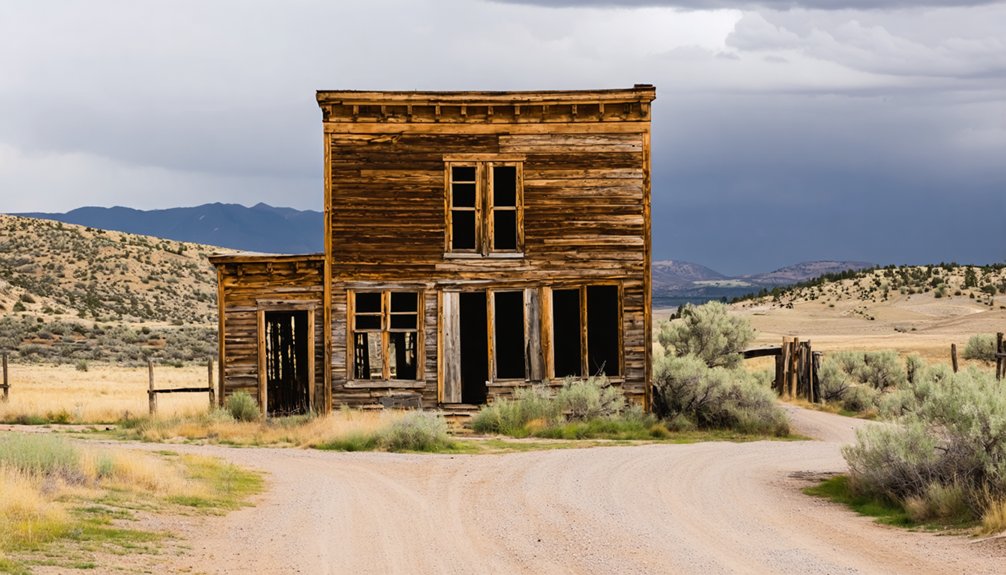
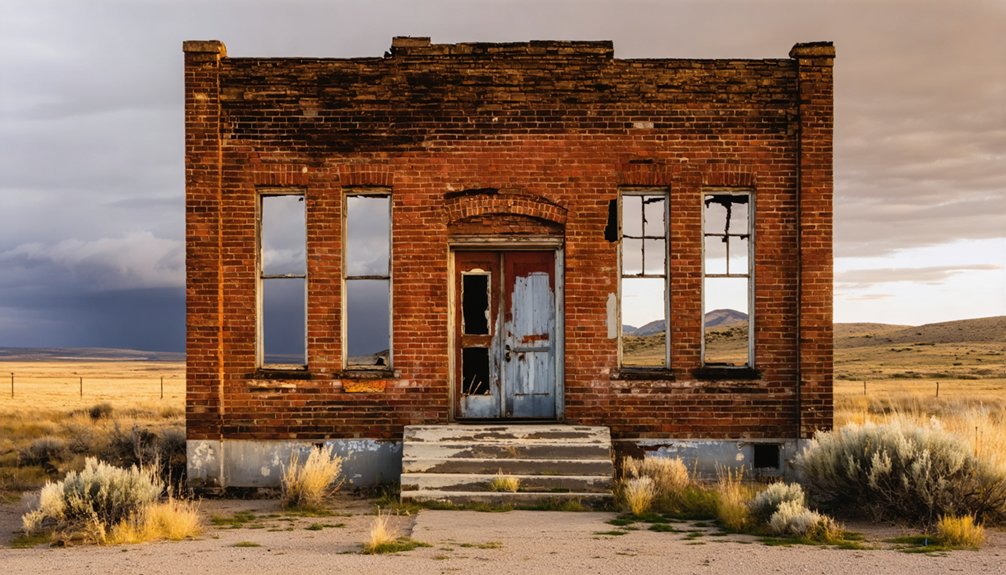
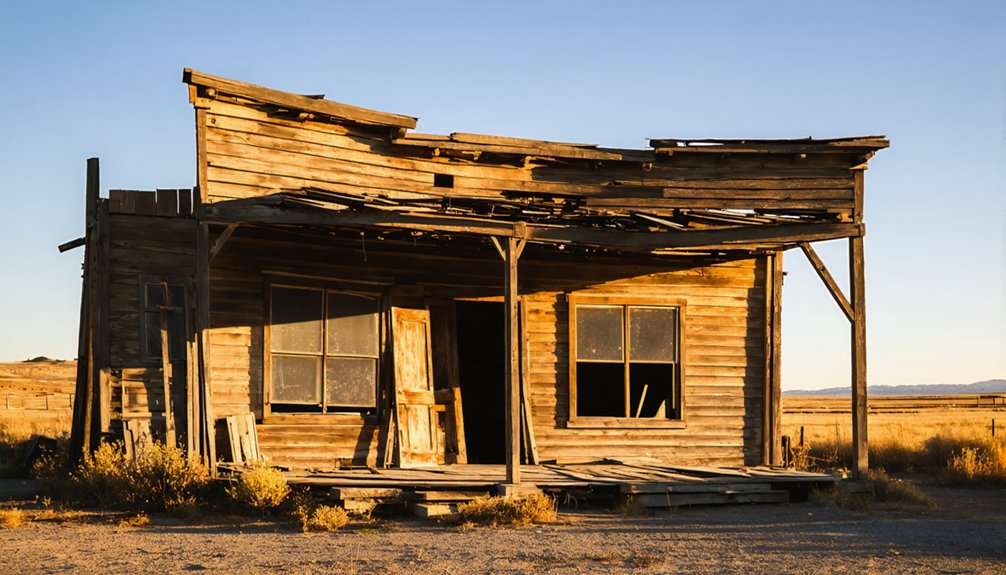
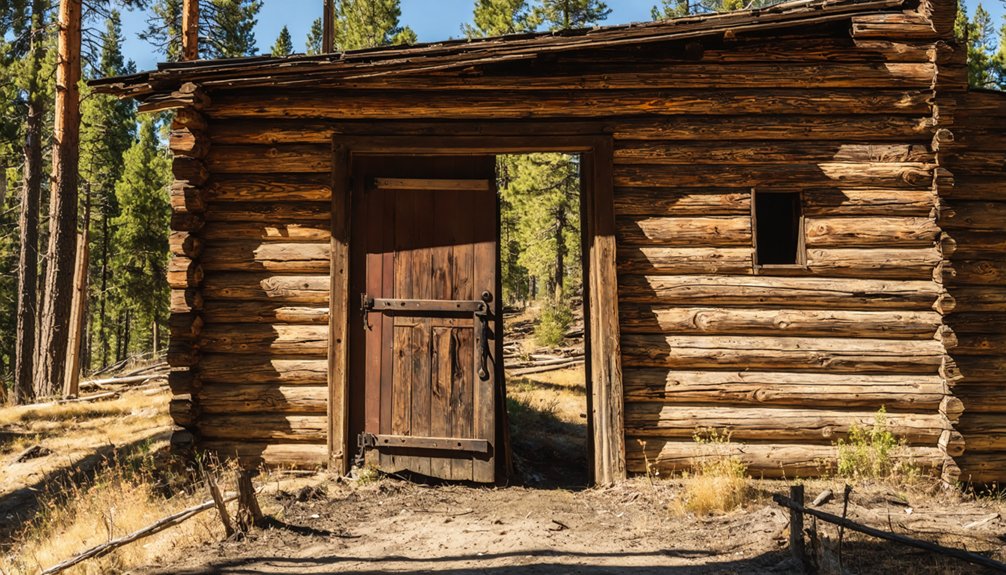
Although Hump Town was once a bustling gold mining boomtown, what’s left today is a sparse collection of isolated foundations and rusted equipment scattered across the site. You’ll find only a few remains, but don’t underestimate their impact. These historical artifacts tell a vivid story of Idaho’s gold rush era, when miners flooded the Buffalo Hump Mining District seeking fortune around the turn of the 20th century.
You can explore the physical remains of abandoned gold mines as a dayhiker, getting an authentic feel for what this wild boomtown once was. Preservation efforts keep the site meaningful, so you’ll want to observe without disturbing anything.
The surrounding wilderness on three sides makes the experience feel genuinely remote and remarkably untouched.
The Gold Rush Era That Built and Buried Hump Town
When gold fever swept through the Buffalo Hump Mining District around the turn of the 20th century, it built Hump Town almost overnight. Prospectors flooded in, drawn by promises of rich strikes near mines like the Jumbo and Big Buffalo.
Gold fever built Hump Town almost overnight, as prospectors flooded in chasing rich strikes near the Jumbo and Big Buffalo mines.
Yet the district’s production never matched its ambitions, and the boom faded as quickly as it arrived.
What the rush left behind tells the real story. You’ll find rusted mining equipment scattered across the site, silent witnesses to the labor and hope that once defined this place.
Though historical markers are absent, the foundations and remnants speak clearly enough. Hump Town rose on dreams of gold, collapsed under hard reality, and now stands as one of Idaho’s most compelling ghost towns waiting for you to explore.
How to Drive to Hump Town From Elk City
Your road trip to Hump Town begins in Elk City, where you’ll head out toward the small community of Orogrande as your key navigational waypoint.
You’ll need a 4WD vehicle for most of the journey, as the terrain quickly shifts from manageable roads to demanding backcountry conditions.
The final few miles are especially rough, so brace yourself for a slow, rugged crawl before you reach the site.
Starting Point: Elk City
If you’re planning a trip to Hump Town, Elk City serves as your launching point for the journey into Idaho’s Buffalo Hump Mining District. From here, you’ll head toward the small settlement of Orogrande, following a route that winds deeper into rugged Idaho wilderness. The road demands a 4WD vehicle, so make sure yours is ready before you leave town.
Elk City gives you a final chance to fuel up, grab supplies, and confirm weather conditions before committing to the trek.
Once you push past Orogrande, civilization fades quickly. What awaits you at the end of this rough road are scattered historical artifacts, rusted mining equipment, and isolated foundations that tell the story of a once-thriving gold rush boomtown. The freedom out here is absolute.
Once you’ve stocked up in Elk City, the route to Hump Town runs directly through Orogrande, a small settlement that marks your shift from civilization into genuine backcountry. As you pass through, notice how the local flora thickens — dense conifers and wildflowers line the road, signaling that you’re entering wilder terrain.
Keep your eyes open for wildlife sightings; deer, elk, and other animals frequently cross these mountain roads. Beyond Orogrande, the road demands a 4WD vehicle, and the final few miles turn genuinely rough, so reduce your speed and stay alert.
The landscape grows increasingly remote, surrounded on three sides by wilderness. Plan your drive between July and September, when snow clears and the roads become passable for safe, uninterrupted exploration.
Final Miles Road Conditions
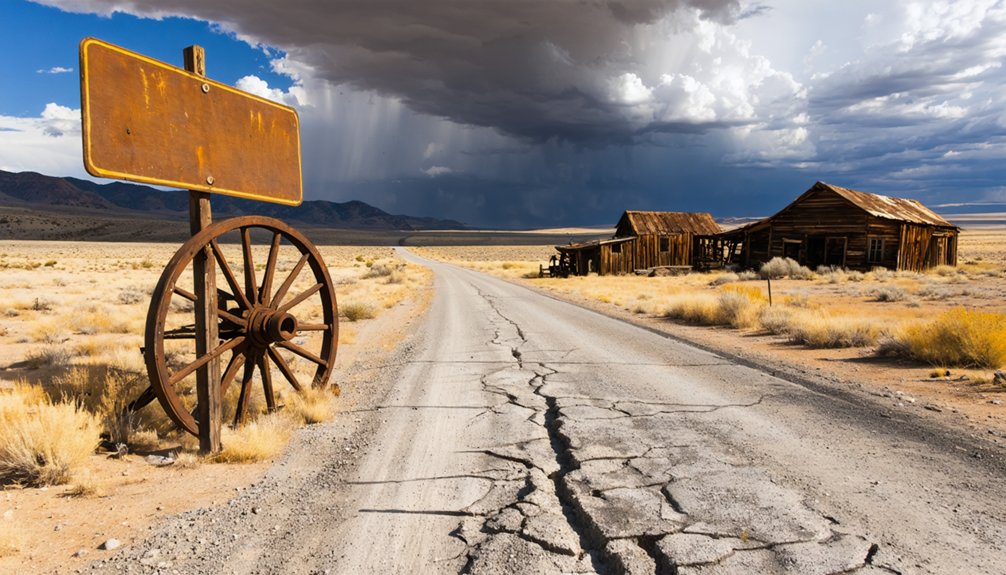
As the road beyond Orogrande narrows and the pavement disappears entirely, you’ll feel the terrain shift beneath your wheels — this is where your 4WD earns its keep. The final few miles into Hump Town are genuinely rough, demanding your full attention and a capable vehicle.
Rocks, ruts, and uneven ground define this stretch, but the surrounding wilderness scenery makes every jarring mile worthwhile. Dense forest opens into dramatic mountain views that remind you exactly why you came out here.
Take your time traversing this section — rushing risks damage to your vehicle or worse. Once you arrive, mining relics scattered across the site reward your persistence.
The difficult road isn’t a barrier; it’s simply the price of reaching one of Idaho’s most authentically remote ghost towns.
The Best Time of Year to Make the Hump Town Trip
Planning your visit around the right season can make or break a trip to Hump Town. Heavy snow blankets the area from November through late June, making the already rugged roads impassable. Your window for exploration runs from July through September, when conditions are at their most forgiving.
During these summer months, you’ll move freely through the site, taking in the historical artifacts scattered across the landscape without battling brutal weather. Preservation challenges are real here — the harsh Idaho winters accelerate deterioration of what little remains, so visiting during the dry season means you’re seeing the site at its best.
Pack for shifting mountain weather regardless, since afternoon storms can roll in fast. Time it right, and Hump Town rewards you with an unforgettable slice of Wild West history.
Gear You Need for the Road and the Ghost Town Trail
Before you hit the road to Hump Town, you’ll want to pack a detailed map since GPS signals can be unreliable in Idaho’s remote backcountry.
Sturdy hiking boots are non-negotiable once you reach the ghost town trail, where uneven terrain and scattered equipment demand solid ankle support and grip.
Round out your kit with extra water, energy snacks, and a camera to document the rusted relics and foundation remnants that tell this boomtown’s story.
Getting to Hump Town isn’t as simple as punching an address into your phone’s GPS — you’ll need a detailed paper map or a downloaded offline map before you hit the road. Cell service disappears fast once you leave Elk City, and the route through Orogrande demands real navigational confidence.
Study your map before departing so you recognize key landmarks along the way. The terrain shifts quickly, and wrong turns cost you time and fuel.
Understanding the landscape also deepens your appreciation for the cultural heritage embedded in these remote Idaho hills, where preservation efforts depend partly on informed, responsible visitors who know exactly where they’re going.
Carry both a physical map and a GPS device as backup. Redundancy isn’t paranoia out here — it’s smart freedom.
Footwear and Clothing Essentials
Once your maps are sorted and your route is locked in, your feet and body need the same level of preparation. Sturdy hiking boots are non-negotiable here. The terrain around Hump Town is uneven, rocky, and unforgiving on unprepared feet.
Layer your clothing thoughtfully. Mountain weather shifts fast between July and September, so pack moisture-wicking base layers, a windbreaker, and something warm for cooler elevations. Breathable fabrics keep you comfortable during trail exploration.
Dress practically so you can move freely around historical artifacts without stumbling or losing balance. Preservation efforts depend partly on visitor awareness, and wearing proper footwear helps you stay on established paths rather than accidentally disturbing fragile foundations or scattered equipment.
Check weather forecasts before departure and adjust your clothing choices accordingly.
Food, Water, and Camera
Fueling your body and documenting the experience are just as critical as the boots on your feet. Pack more water than you think you’ll need — the remote terrain offers no resupply points.
Complement your water supply with high-energy snacks, though consider grabbing local cuisine in Elk City before heading out, since options disappear once you’re deep on that rough 4WD road.
The surrounding wilderness actually offers stunning picnic spots where you can rest and refuel while taking in the landscape. Don’t forget your camera — the rusted equipment, scattered foundations, and wild Idaho backcountry deserve serious documentation.
Whether you’re shooting wide landscapes or close-up historical details, you’ll want every memory captured. Freedom tastes better when you’re prepared.
Nearby Ghost Towns Worth Adding to Your Hump Town Route
While you’re exploring the rugged roads of the Buffalo Hump Mining District, it’s worth extending your route to take in a few nearby ghost towns that add serious depth to the experience. Orogrande sits conveniently along your access route from Elk City and delivers a compelling glimpse into ghost town architecture that survived the era’s boom-and-bust cycle.
Push further into the district and you’ll encounter Concord and Callender, two additional mining settlements that round out the region’s vintage mining story. Each stop layers your understanding of how intensely this remote Idaho wilderness was once worked for gold.
Together, these towns transform a single-destination trip into a rich corridor of Wild West history that rewards every mile of rough road you endure.
What You’re Not Allowed to Do at Hump Town
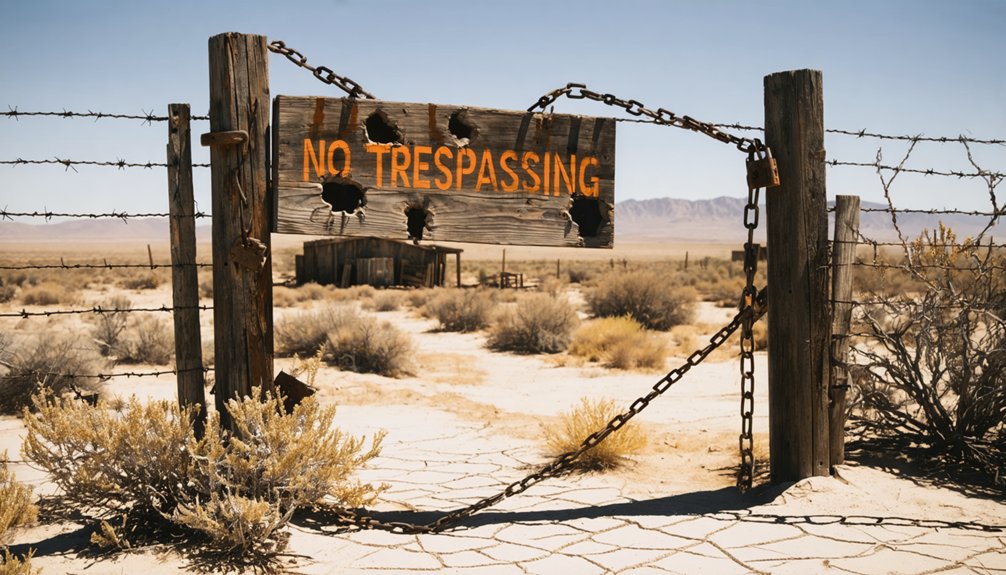
Exploring ghost towns along your route is genuinely rewarding, but knowing the rules before you arrive at Hump Town keeps the site intact for every explorer who follows you. Artifact removal is strictly off-limits, so leave every rusted piece of equipment and every fragment of foundation exactly where you find it.
Unauthorized access onto active mining claims carries serious legal consequences, so check posted signs carefully before wandering beyond marked areas. Stay on established paths to prevent erosion and protect the surrounding wilderness.
Pack out everything you bring in, leaving no trace behind. Yield to fellow hikers on narrow trails and keep noise respectful. These rules aren’t bureaucratic obstacles — they’re what preserves Hump Town’s raw, authentic character for the next adventurer heading down that rough road.
Staying Safe When Exploring Hump Town’s Remote Backcountry
Because Hump Town sits deep in Idaho’s backcountry—surrounded on three sides by wilderness and reachable only after miles of rough, 4WD terrain—preparation isn’t optional, it’s survival strategy. You’re stepping into genuinely wild country, and that demands respect.
Hump Town doesn’t meet you halfway—you earn it, mile by rough mile, deep in Idaho’s unforgiving backcountry.
Weather awareness is non-negotiable. Conditions shift fast at elevation, so check forecasts before you leave and pack layers accordingly. Snow can linger through late June, and surprise storms don’t care about your schedule.
Wildlife dangers are equally real. You’re moving through active habitat, so make noise on trails, store food properly, and stay alert. Carry extra water and snacks since there’s nothing out there if you run short.
A detailed map is essential—cell service won’t save you when you’re this far off the grid.
Frequently Asked Questions
Is There a Fee to Visit Hump Town or the Surrounding Wilderness Area?
The provided knowledge doesn’t mention a fee. You’re free to explore Hump Town’s historical significance and enjoy wildlife viewing in the surrounding wilderness. Always check current land management guidelines before your visit for any updates.
Are Dogs Allowed on the Trails Leading to Hump Town?
The available knowledge doesn’t specify dog leash rules for Hump Town’s trails. For pet safety tips, you’d want to contact Idaho County directly—they’ll confirm whether your four-legged trailblazer can roam freely beside you.
Is Camping Permitted Near Hump Town Overnight?
The knowledge doesn’t confirm camping details, but you’ll find freedom exploring historical landmarks and local legends nearby. Check with Idaho County authorities before pitching your tent to guarantee you’re respecting wilderness regulations surrounding Hump Town’s sacred grounds.
Does Hump Town Have Cell Service or Emergency Communication Access?
Don’t expect your phone to save you out here — you’re in true wilderness! Given Hump Town’s historical significance and local legends, you’ll want a satellite communicator; cell service doesn’t exist in this remote Idaho ghost town.
Are Guided Tours of Hump Town Available for Booking?
No guided tours are currently available, but you’ll uncover historical landmarks and local legends on your own terms, exploring Hump Town’s rusted remnants and abandoned gold mines freely, creating your own unforgettable wild adventure.
References
- https://www.facebook.com/NPClwNFs/posts/ghosts-of-the-forest-hump-town-ghost-townthis-spooky-season-we-are-sharing-some-/961971119304646/
- https://www.youtube.com/watch?v=84TgcOoREK8
- https://visitidaho.org/things-to-do/ghost-towns-mining-history/
- https://foodtravelfamily.com/northern-idaho-ghost-towns/
- https://www.ghosttowns.com/states/id/callender.html
- https://en.wikipedia.org/wiki/List_of_ghost_towns_in_Idaho
- https://www.youtube.com/watch?v=bijPI1s7ilI