Planning a ghost town road trip to Ritta Island means trading tourist comforts for raw, untouched history on Florida’s Lake Okeechobee. You’ll need a boat to reach this forgotten agricultural community, abandoned after devastating floods and hurricanes nearly wiped it from existence. Visit between November and March for the best conditions. No docks, no markers, and no maintained trails await you — just overgrown silence where a thriving settlement once stood, and there’s far more to this story than you’d expect.
Key Takeaways
- Ritta Island, located five miles east of Clewiston on Lake Okeechobee’s southern shore, is only accessible by boat with no maintained docks.
- Visit during the dry season, November through March, for milder weather, lower rainfall, and safer exploration conditions.
- No developed attractions, trails, or marked historical artifacts remain; vegetation has overtaken all former structures and farmland.
- Pack essentials including water, sturdy footwear, GPS, and a camera, and always inform someone of your plans before visiting.
- Nearby ghost towns Belle Glade and Pahokee, plus the Herbert Hoover Dike, offer additional historical context for your road trip.
What Was Ritta Island Before It Became a Ghost Town?
Before it became a ghost town, Ritta Island was a thriving agricultural settlement tucked within Lake Okeechobee’s southern shore in Palm Beach County, Florida. Early settlers like John Windham, Mays Thomas, and Captain Ed Forbes carved farmland from dense custard apple trees, transforming raw wilderness into productive fields.
Historical agriculture here meant growing corn, onions, and green beans on some of Florida’s most fertile soil. Settlers relied on a single mule for plowing and a mail boat connecting them to the outside world.
Developer Richard J. Bolles sparked modern settlement around 1908, purchasing vast Everglades land and opening the region to homesteaders. You can picture a self-sufficient community thriving on hard work and open land — completely free from urban constraints, answering only to the seasons.
How the 1922 Floods Started Ritta Island’s Decline
When the rains came hard in 1922, Ritta Island didn’t stand a chance. The floodwaters rose more than a foot over the island, drowning every crop the settlers had carefully planted. Corn, onions, green beans — all of it lost. Without proper flood management infrastructure, residents had no defense against the lake’s fury.
The environmental impact went beyond ruined harvests. Water moccasins moved in with the floodwaters, turning the island into a dangerous place to simply exist. That combination — financial ruin and physical threat — pushed most residents to pack up and leave for good.
You can imagine the weight of that decision: abandoning land you’d cleared, farmed, and called home. The 1922 floods didn’t finish Ritta Island, but they started the unraveling that the 1928 hurricane would complete.
How the 1928 Hurricane Finished What the Floods Began
Six years after the floods thinned the population and broke the spirit of Ritta Island’s settlers, the 1928 Okeechobee Hurricane arrived on September 16th and erased what little remained.
The storm surge rolled over the lake’s southern rim, demolishing Hotel Bolles, the packing houses, and every private home standing on the island. Nothing survived.
The cultural significance of this once-thriving agricultural community vanished almost overnight, swallowed by wind and water.
Residents who hadn’t already left after 1922 now had nothing to return to.
Nature quickly reclaimed the land, transforming the settlement into a wildlife habitat where vegetation replaced buildings and silence replaced community life.
Today, you’re visiting a place where the hurricane quite literally had the final word.
What’s Left on Ritta Island: Ruins, Foundations, or Nothing?
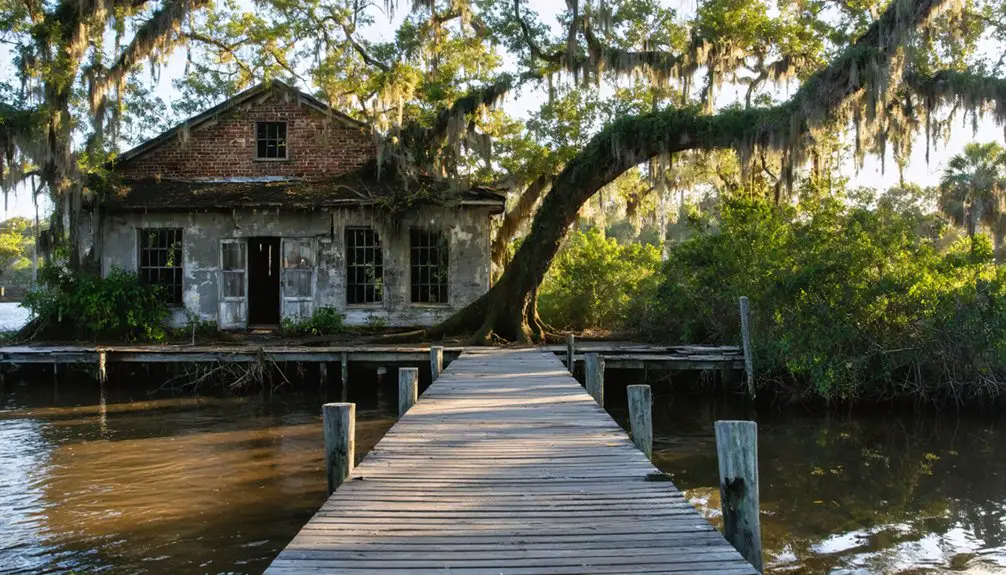
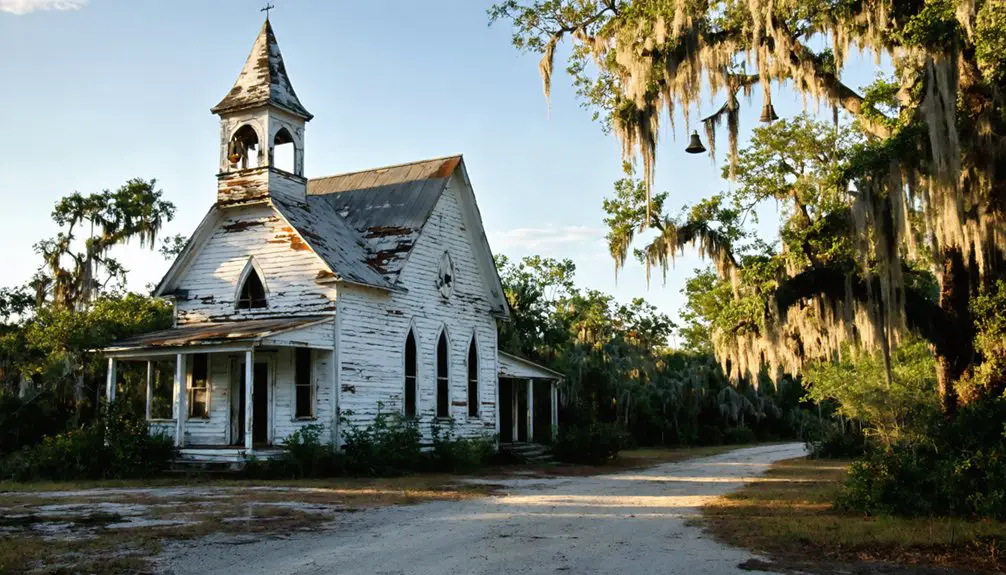
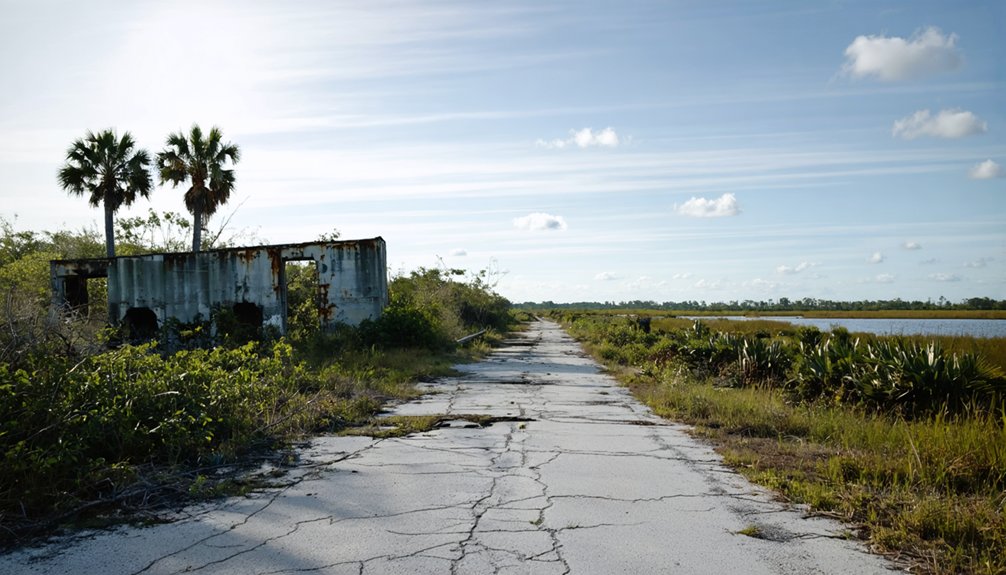
After the 1928 hurricane swept through, it left behind almost nothing recognizable as a town. Today, Ritta Island offers no developed attractions, no docks, and no guaranteed historic artifacts waiting for discovery. Nature has reclaimed most of what settlers built.
Here’s what you might realistically encounter:
- Overgrown vegetation covering any remaining structural traces
- Possible building foundations buried beneath decades of environmental impact
- No marked trails or official preservation efforts guiding your exploration
- Wildlife and wetland conditions replacing what was once farmland and community life
You’re essentially walking into a blank slate where a town once stood. That raw, unfiltered emptiness is exactly what makes Ritta Island compelling — it rewards curiosity and respects your freedom to interpret history on your own terms.
When Should You Actually Visit Ritta Island?
Timing your visit to Ritta Island matters more than it might for a typical road trip stop. Seasonal weather here swings hard between extremes. Florida’s summer months bring brutal heat, heavy rain, and aggressive insects that make outdoor exploration genuinely miserable. Visitor safety becomes a real concern when you’re orienteering open water and isolated terrain in those conditions.
Your best window runs from November through March, when temperatures ease, rainfall drops, and the air becomes manageable. Winter months offer milder conditions that make the journey across Lake Okeechobee far more tolerable.
You’ll also encounter fewer water moccasins during cooler stretches. Since there are no docks or established facilities waiting for you, arrive prepared, arrive during daylight, and let someone know your plans before you head out.
How to Get to Ritta Island Today
Reaching Ritta Island isn’t a straightforward drive-and-park situation—it’s a genuine logistical puzzle. There are no docks, no maintained access roads, and no visitor infrastructure waiting for you. The island sits roughly five miles east of Clewiston, surrounded by Lake Okeechobee’s wildlife habitats and layered cultural significance.
Before you go, plan around these realities:
- Water access only — you’ll need a boat to reach the island
- No docks exist — expect a wet or improvised landing
- 2WD conditions apply on nearby mainland approach roads
- Hot climate dominates most of the year, so pack accordingly
Freedom-seekers drawn here earn the experience. This isn’t a curated destination — it’s raw, unfiltered history reclaimed by nature, demanding preparation and rewarding genuine curiosity.
Other Ghost Towns and Lake Okeechobee Stops Near Ritta Island
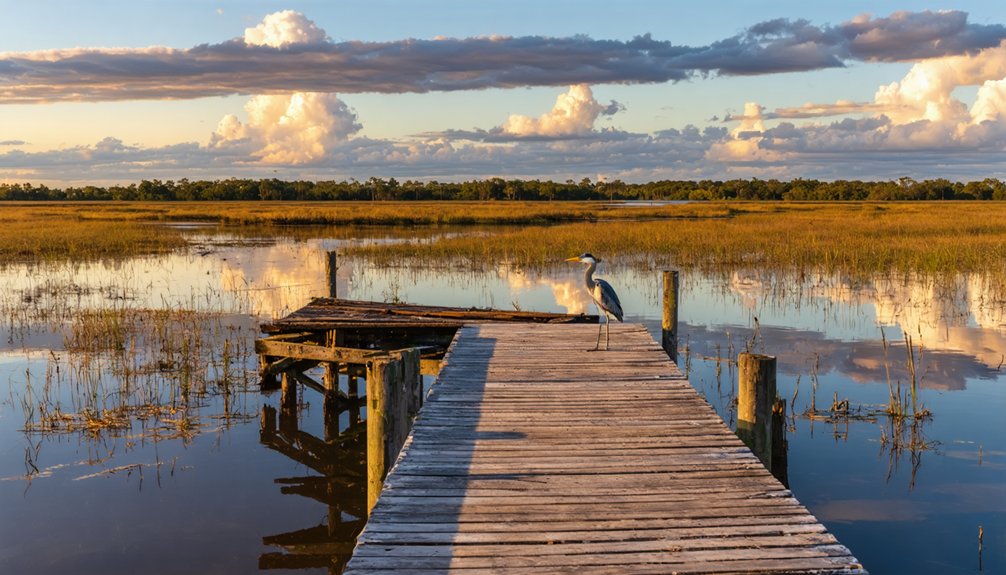
While you’re in the Lake Okeechobee area, you’ll find that Ritta Island fits naturally into a broader ghost-town circuit along Florida’s southern lake shore.
Belle Glade and Pahokee, both rebuilt after the 1928 hurricane, offer historical context for understanding just how completely the storm erased communities like Ritta.
You can also trace the Herbert Hoover Dike‘s massive earthen rim around the lake, a structure that reshaped the region’s geography and stands as a lasting reminder of why towns like Ritta never came back.
Nearby Ghost Town Stops
Lake Okeechobee’s southern shore hides more than one forgotten settlement, so you can stretch your ghost-town road trip well beyond Ritta Island. The region’s historical land use—ranging from Everglades farming to hurricane-battered communities—gives each stop real cultural significance.
Pair your Ritta Island visit with these nearby points of interest:
- Belle Glade – rebuilt after 1928 but carries deep storm history worth exploring
- Pahokee – a lakeside town where agricultural heritage still echoes through its older districts
- Clewiston area backroads – quiet routes revealing remnants of Everglades drainage and farming settlements
- Herbert Hoover Dike overlooks – structural landmarks reshaping the lake’s geography after catastrophic flooding
Together, these stops paint a fuller picture of how ambition, water, and weather permanently shaped South Florida’s forgotten communities.
Lake Okeechobee Points Of Interest
Stretching along the southern rim of Lake Okeechobee, a handful of small towns and overlooked landmarks reward curious travelers willing to slow down and look closely.
Belle Glade and Pahokee both carry deep roots in historical agriculture, where settler stories of hard-won harvests and devastating floods shaped entire communities. You’ll find roadside markers, small museums, and lakefront views that put Ritta Island’s rise and fall into sharper context.
The Herbert Hoover Dike trail offers direct sightlines across the water toward where the island settlement once stood.
Driving the lake’s perimeter, you sense the raw scale of what early homesteaders faced — fertile land promising everything, violent storms taking it back.
These stops don’t just complement your ghost town visit; they complete it.
Frequently Asked Questions
Is Ritta Island Legally Accessible to the Public Today?
Want true freedom? You’ll find no confirmed public access to Ritta Island today. It’s reclaimed by nature, where wildlife conservation and historical preservation reign — so you’d better research local regulations before venturing out.
Are There Guided Ghost Town Tours Available for Ritta Island?
You won’t find organized guided tours offering haunted legends or historical ruins experiences at Ritta Island. It’s a raw, independent adventure — you’ll chart your own course to this remote, untamed ghost town on your own terms.
Can You Camp Overnight Near Ritta Island’s Location?
You can camp near Ritta Island’s remote shores, but you’ll need camping permits first. Expect thrilling wildlife encounters among Florida’s wild wetlands — freedom-seekers like you will love sleeping under vast, star-drenched skies beside Okeechobee’s untamed waters.
What County Jurisdiction Currently Oversees Ritta Island?
Like a forgotten relic, Ritta Island falls under Palm Beach County’s jurisdiction. You’ll find it oversees this historical preservation site, where wildlife habitat thrives freely, reclaiming land once farmed by pioneering settlers chasing their own freedom.
Is Boat Rental the Only Way to Reach Ritta Island?
Boat rental isn’t your only option, but it’s likely necessary since Ritta Island has no docks. You’ll navigate wild waters, discovering historical landmarks and incredible wildlife observation opportunities as you reclaim your freedom on this remote, untamed ghost island.
References
- https://en.wikipedia.org/wiki/Ritta_Island
- https://www.ghosttowns.com/states/fl/rittaisland.html
- https://www.palmbeachpost.com/story/news/local/2025/10/08/florida-history-on-ghost-lost-towns-of-palm-beach-county/86572230007/
- https://www.facebook.com/groups/okeechobee/posts/27164955589786490/
- https://en.wikipedia.org/wiki/List_of_ghost_towns_in_Florida
- https://myfamilytravels.com/deserted-islands-in-florida-that-feel-haunted/
- https://de.abcdef.wiki/wiki/Ritta_Island
- https://es.abcdef.wiki/wiki/Ritta_Island