Planning a ghost town road trip to Washunga, Oklahoma means visiting a town that’s literally underwater. Kaw Lake swallowed Washunga in the 1970s, leaving no ruins or standing structures behind. You’ll find the site one mile northeast of New Kaw City, where only water marks its existence. Your best bet for experiencing its history is the Kaw Museum, housed in a relocated railroad station. Stick around — there’s more to this submerged story than you’d expect.
Key Takeaways
- Washunga, now submerged beneath Kaw Lake, sits one mile northeast of New Kaw City with no visible ruins remaining at the original site.
- Visit the Kaw Museum, housed in a relocated historic railroad station, to explore artifacts, tribal records, and Chief Washunga’s photograph.
- Plan your visit during spring or fall to avoid Oklahoma’s extreme summer heat and winter cold for the best experience.
- Incorporate Washunga into a broader Oklahoma ghost town itinerary, combining scenic lake views with meaningful cultural and historical exploration.
- The Kaw Museum serves as a tangible connection to Washunga’s submerged history, symbolizing the resilience and legacy of the Kaw tribe.
What Is Washunga, Oklahoma’s Most Submerged Ghost Town?
Tucked beneath the waters of Kaw Lake in Kay County, Oklahoma, Washunga is one of the state’s most hauntingly submerged ghost towns. Once established in 1903 at the former Kaw Agency headquarters, this thriving community carried a powerful name — “bird” in the Kaw language — honoring the last Chief of the Kaw Indians.
When reservoir development flooded the area in the 1970s, Washunga disappeared beneath the surface, spawning local legends that still draw curious travelers today. Urban legends surrounding the submerged townsite fuel road trip itineraries for those chasing history off the beaten path.
You won’t find standing structures or ruins here — just water, memory, and the quiet weight of a culture deliberately displaced. That mystery alone makes Washunga worth exploring.
The Kaw Tribe Origins That Shaped Washunga
Before you can fully appreciate what Washunga was, you’ve got to understand who built it. The Kaw tribe, also known as the Kanza people, established their agency headquarters at this exact location, giving Washunga its foundation and purpose.
The Kaw tribe didn’t just inhabit Washunga — they built it, shaped it, and gave it meaning.
The town’s very name reflects their cultural traditions — “Washunga” translates to “bird” in the Kaw language, honoring their last chief who led the tribe through the late 19th and early 20th centuries.
Tribal governance shaped every aspect of this community, from its physical layout to its daily operations.
When you visit the Kaw Museum at New Kaw City today, you’ll find the chief’s picture preserved inside a relocated railroad station — a small but powerful reminder of the people who called Washunga home.
How Kaw Lake Swallowed the Town in the 1970s
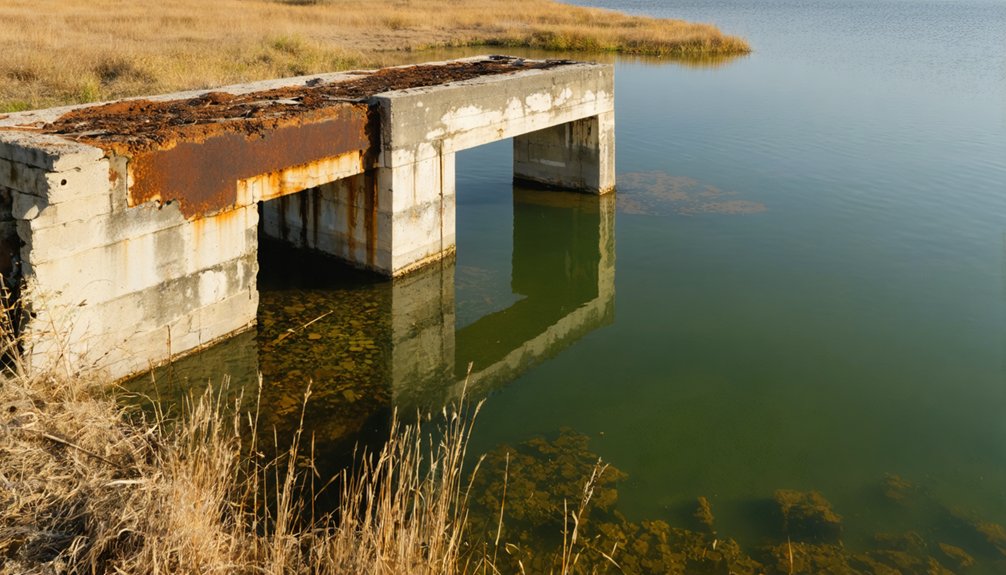
What the Army Corps of Engineers built in the 1970s effectively erased Washunga from the map. When Kaw Lake’s rising waters consumed the land, they didn’t just flood a town — they buried an entire cultural identity beneath the surface.
You won’t find crumbling storefronts or weathered foundations here. The reservoir swallowed everything, leaving locals with ghost stories about a submerged world few people remember existed.
Unlike ghost towns where you can walk through ruins, Washunga offers something more haunting — invisible history. The urban legends surrounding flooded Oklahoma communities often romanticize what’s lost, but the reality is straightforward: government infrastructure decisions permanently displaced the Kaw people again.
Standing at Kaw Lake’s edge today, you’re literally looking at erasure, which makes this road trip stop unlike anything else in Oklahoma.
How to Find Washunga Near New Kaw City Today
Finding Washunga today means traveling to New Kaw City in Kay County, Oklahoma, then heading one mile northeast — that’s fundamentally all the physical guidance you’ll need, because there’s nothing left to see. Kaw Lake swallowed what remained, and the land offers no ruins, no markers, no standing structures to reward your curiosity.
What you *can* find is nearby. The Kaw Museum at New Kaw City holds historical artifacts connected to Chief Washunga, including his picture displayed inside the old railroad station relocated from original Kaw City.
Local legends surrounding the Kaw people’s deep connection to this land breathe life into an otherwise invisible place.
Come in spring or fall — winters run cold, summers brutal. You’re chasing history here, not scenery.
Best Time of Year to Road Trip to Washunga
Spring and fall own this road trip. You’ll want to avoid Washunga’s brutal summers, where the humid heat makes outdoor exploration miserable.
Winter cold can turn a scenic drive into an uncomfortable experience. Instead, plan your visit between March and May or September and November, when mild temperatures let you move freely across the landscape.
During these shoulder seasons, you can comb the area around Kaw Lake without sweating through your clothes or freezing.
While historical artifacts from the original town now rest beneath the reservoir’s surface, the surrounding region still offers compelling tourist attractions, including the Kaw Museum at New Kaw City.
That’s where you’ll find Chief Washunga’s picture and tribal history preserved inside the relocated railroad station.
Time it right, and this road trip rewards you fully.
What’s Actually Left at the Washunga Ghost Town Site?
Honestly, there’s almost nothing left to find. Washunga doesn’t offer urban decay frozen in time or archaeological remains you can photograph and share. The town was flooded in the 1970s when Kaw Lake was created, swallowing what little existed. Today, you’re practically standing over submerged history.
What you’ll encounter is open land and water. Only real old-timers might read the lay of the land and recognize where the town once breathed. There are no standing structures, no fenced cemeteries, no crumbling foundations to explore.
Your best bet for tangible connection is the Kaw Museum at New Kaw City, just one mile southwest. There, you’ll find Chief Washunga’s picture and historical records housed in a relocated railroad station worth your time.
The Kaw Museum: Where Washunga’s History Is Preserved
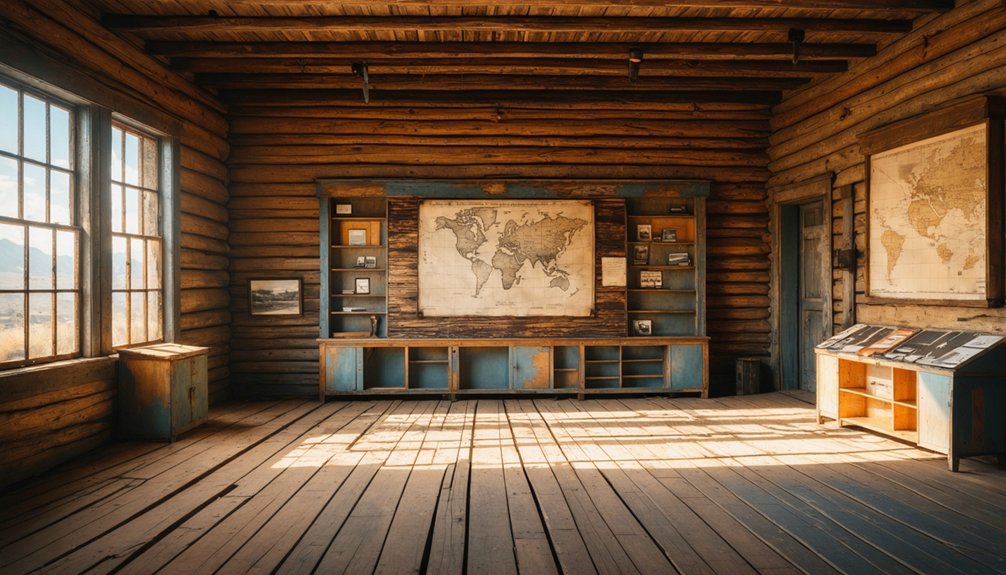
If you want to connect with Washunga’s surviving history, head to the Kaw Museum in New Kaw City, where you’ll find Chief Washunga’s picture and preserved information honoring the last leader of the Kaw Indians.
The museum’s collection is housed in a relocated railroad station moved from the original Kaw City, giving the space its own layer of historical significance.
You won’t find much at the ghost town site itself, but the museum fills that gap by keeping the community’s legacy tangible and accessible.
Museum Location And Access
Though Washunga itself lies beneath the waters of Kaw Lake, its history hasn’t vanished entirely — you can find it preserved at the Kaw Museum in New Kaw City, Oklahoma. The museum occupies a relocated railroad station from the original Kaw City, giving you an authentic connection to the past.
When you visit, here’s what to expect:
- Chief Washunga’s photograph and historical information are on display inside the station.
- Scenic viewpoints near New Kaw City offer striking views of Kaw Lake — the very water covering the town.
- Local cuisine options nearby let you refuel before or after exploring the area.
Spring and fall deliver the most comfortable conditions for your visit, so plan your road trip accordingly.
Chief Washunga’s Preserved Legacy
Once you’re inside the Kaw Museum, the story of Chief Washunga comes into focus through the photographs and historical records housed in that relocated railroad station. You’ll encounter historical artifacts that connect directly to the man whose name — meaning “bird” in the Kaw language — defines this lost community.
Chief Washunga led the Kaw Indians during a transformative and difficult period in the late 19th and early 20th centuries. The cultural significance of his leadership echoes through every preserved image and document you’ll find here.
He wasn’t just a figurehead; he was the last Chief of the Kaw Indians, making his legacy both final and foundational.
The museum gives you direct access to history that Kaw Lake swallowed — history that deserves your full attention.
The Relocated Railroad Station
The Kaw Museum itself carries a layer of history before you even step inside — the building is a relocated railroad station, physically moved from the original Kaw City site. Unlike structures lost to urban decay or submersion beneath Kaw Lake, this station survived relocation and now anchors Washunga’s story as one of Oklahoma’s most meaningful historical landmarks.
Inside, you’ll find:
- Chief Washunga’s photograph, preserving his face for future generations
- Documented information about the Kaw tribe’s leadership and displacement
- Artifacts connecting visitors to the original Kaw Agency headquarters
You’re walking through a building that physically escaped erasure. That’s rare. The relocated station transforms your visit into something tangible — not just reading history, but standing inside a structure that refused to disappear alongside the town it represents.
Before You Go: Safety at Abandoned Sites
Ghost town structures have stood without maintenance for decades. Floors, stairs and roof timbers fail without warning, and a building that looks solid from outside may not hold your weight. Stay out of standing structures unless the site is actively maintained and open to visitors.
Mine workings are the more serious hazard. Vertical shafts can be hundreds of feet deep, are often unfenced, and may be hidden by brush or capped with rotted boards. Never enter an adit, tunnel or shaft: abandoned workings can hold oxygen-poor or toxic air that gives no warning before you lose consciousness.
Enclosed spaces with rodent droppings carry a risk of hantavirus, which is contracted by breathing contaminated dust. Do not sweep or stir up dust inside old cabins and outbuildings.
Cell coverage at these sites is usually poor or absent. Tell someone your route and expected return time, and carry more water than you think you need.
Frequently Asked Questions
What Does the Kaw Word “Washunga” Translate to in English?
Soaring through open skies, “Washunga” translates to “bird” in the Kaw language translation. You’ll find Washunga’s cultural significance deeply rooted in honoring the last great Chief of the Kaw Indians.
When Was the Washunga Post Office Officially Established and Discontinued?
You’ll find that Washunga’s post office officially opened on November 15, 1902, and discontinued on November 25, 1906. This brief four-year window of historical architecture and ghost town preservation captures a fleeting, freedom-filled era worth exploring.
Were Any Human Remains Ever Discovered at the Washunga Ghost Town Site?
While burial site mysteries may seem unsettling, you’ll find the historical excavation records reveal remains were indeed discovered at Washunga in 1996. They weren’t left disturbed — researchers respectfully reburied them by 2000, honoring Kaw heritage.
Is There a Film Documenting Washunga’s History and Kanza People’s Connection?
You’ll find “The History of Washunga: Water and Connection to the Land for Kanza People,” a short film capturing the cultural significance and historical preservation of the Kanza people’s profound, enduring bond with their ancestral homeland.
How Many Ghost Towns Has Oklahoma Had Throughout Its History?
Oklahoma’s got an endless sea of lost towns — roughly two thousand ghost towns, according to John W. Morris! You’ll find their historical preservation and cultural significance stretching across the state, each whispering stories of freedom’s past.
References
- https://en.wikipedia.org/wiki/Washunga
- https://www.ghosttowns.com/states/ok/washunga.html
- https://www.okhistory.org/publications/enc/entry?entry=GH002
- https://en.wikipedia.org/wiki/List_of_ghost_towns_in_Oklahoma
- https://www.youtube.com/watch?v=H9tE51RMKNA
- https://www.travelok.com/articles/oklahomaghosttowns