To plan your ghost town road trip to Livermore, New Hampshire, drive along U.S. Route 302 and turn onto Sawyer River Road in the White Mountain National Forest. You’ll find cellar holes, crumbling sawmill ruins, and a skeletal iron railroad bridge reclaimed by nature. Bring sturdy footwear, water, and a map since the site is overgrown. Visit in late September through mid-October for the best conditions, and there’s plenty more to discover about this haunting destination ahead.
Key Takeaways
- Drive U.S. Route 302, turn onto Sawyer River Road, and follow 1.5 miles into White Mountain National Forest to reach Livermore.
- If the gate is closed, park at the entrance and hike the 1.5-mile Sawyer River Trail to access the ghost town.
- Visit late September to mid-October when crowds thin, undergrowth recedes, and fall foliage enhances the abandoned landscape.
- Explore key landmarks including the skeletal iron railroad bridge, crumbled sawmill foundations, and overgrown cellar holes of former homes.
- Pack sturdy footwear, water, and a map, as the overgrown site hides cellar holes and stone walls beneath dense brush.
What Livermore, New Hampshire Looks Like Today
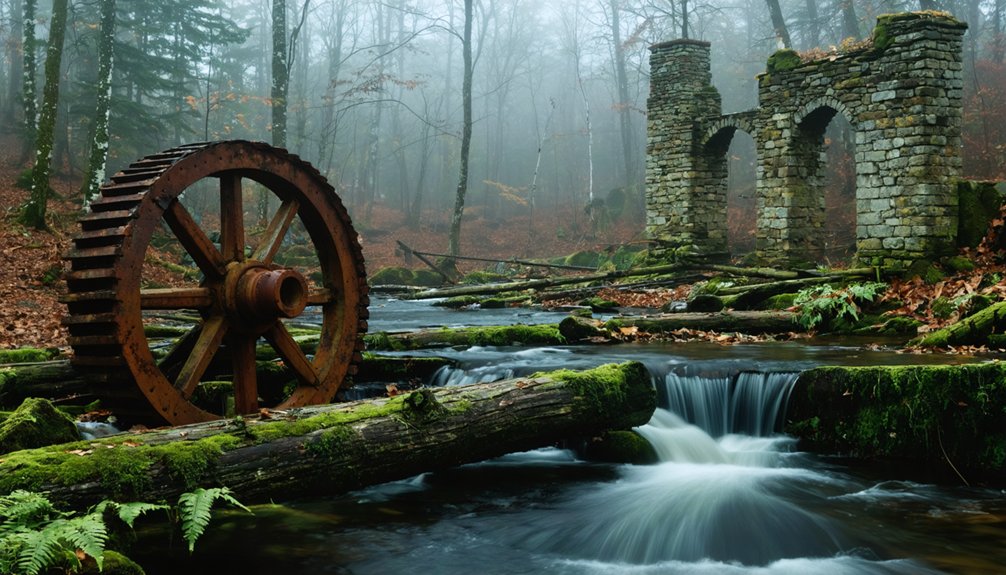
Walking through Livermore today feels like stepping into a world the forest is slowly reclaiming. The Livermore landscape is a hauntingly beautiful mix of nature and history, where trees push through crumbling foundations and vines crawl over stone walls.
The forest is slowly reclaiming Livermore — a hauntingly beautiful collision of nature and history.
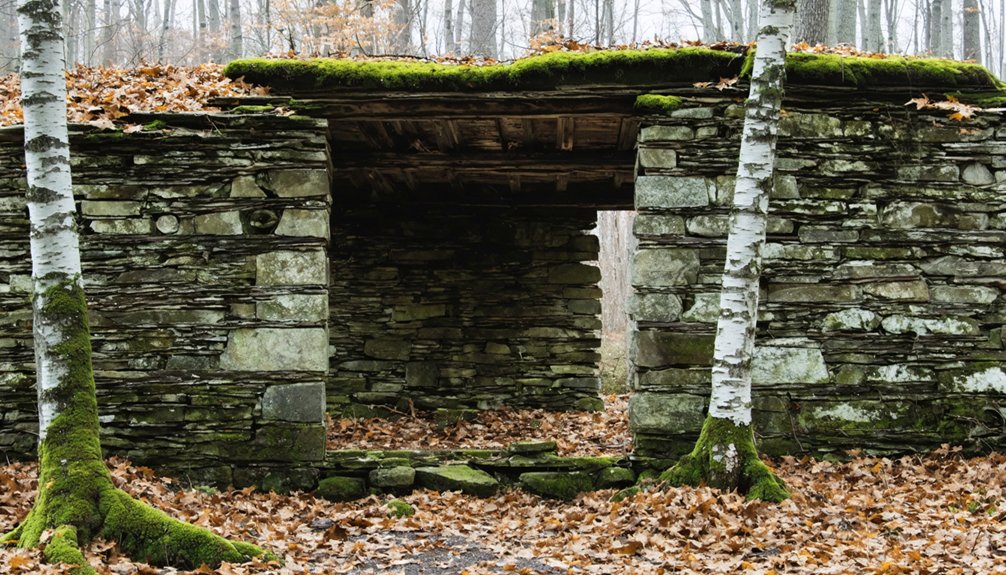
You’ll find historical remnants scattered throughout the overgrown terrain — cellar holes, brick edifices, and skeletal building foundations marking where homes and businesses once stood.
The old sawmill ruins and powerhouse remains still rise from the earth, giving you a tangible sense of the industry that once drove this community. Artifacts left behind by former residents hide beneath the underbrush, waiting to be discovered.
It’s raw, unfiltered history that you can actually walk through, touch, and experience on your own terms.
How to Get to Livermore on Sawyer River Road
Getting to Livermore takes just a few simple steps, starting with a drive along U.S. Route 302, also known as the Crawford Notch Highway.
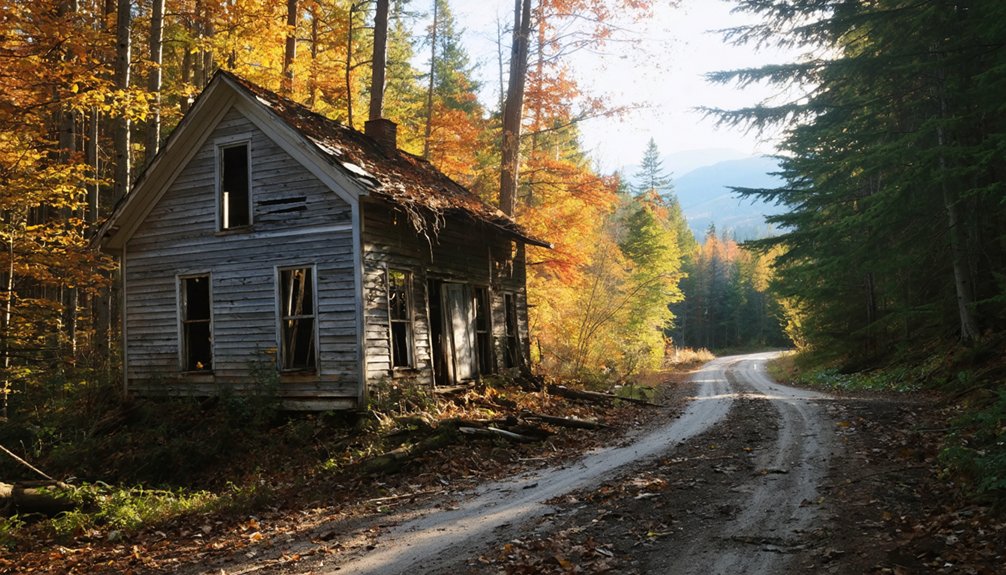
Watch for Sawyer River Road branching off the highway and follow it about 1.5 miles into the White Mountain National Forest.
Here are a few directions tips before you head out: road conditions on Sawyer River Road can get rough, so check whether the gate is open before you commit to driving in.
If it’s closed, park at the entrance and lace up your boots — you’ll hike the Sawyer River Trail, a moderate 1.5-mile walk one way to the ruins.
Either way, you’ll arrive at one of New Hampshire’s most hauntingly beautiful forgotten places.
What to Know Before You Walk Into the Ghost Town
Before you set foot in Livermore, it helps to know what you’re walking into — literally. The entire site is overgrown, and nature has aggressively reclaimed what loggers once built.
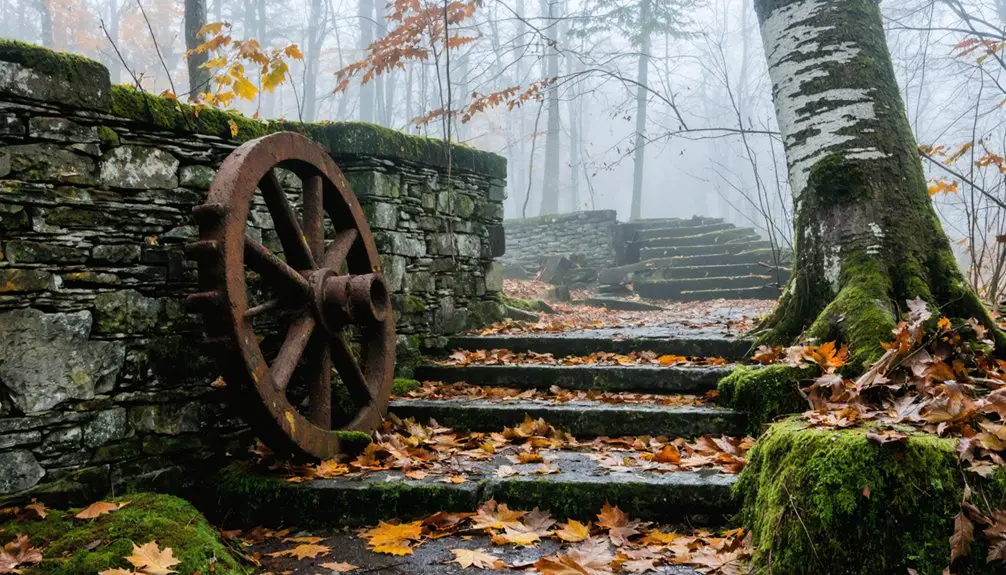
Cellar holes hide beneath brush, stone walls emerge unexpectedly, and brick foundations crumble underfoot. Watch every step.
The area carries real historical significance — this wasn’t just a mill town; it was a self-contained community that thrived, collapsed, and vanished within a single lifetime.
Local legends surrounding the town’s rapid abandonment add an eerie layer to your exploration.
Bring sturdy footwear, water, and a map. The Sawyer River Trail runs 1.5 miles one way, and once you’re in, the ruins spread out without clear signage.
You’ll navigate this place on your own terms — exactly how it should be.
The Railroad Bridge, Sawmill Ruins, and Cellar Holes to Find
The Sawyer River Railroad bridge is your first real landmark — a skeletal iron structure that once carried timber out of the mountains and now stands half-consumed by forest.
Study the railroad history embedded in its rusted framework, and you’ll understand how completely this town once operated.
Push further in and you’ll find the sawmill architecture still readable in the ruins — crumbled foundations, collapsed walls, and brick remnants that outline where workers once processed entire hillsides of timber.
Scattered cellar holes mark where families actually lived, small depressions swallowed by vegetation that you’ll nearly miss if you’re moving too fast.
Slow down. Each foundation tells you something specific about who was here, how they worked, and why they ultimately left everything behind.
Best Time of Year to Visit Livermore’s Ghost Town
Late September through mid-October gives you the clearest shot at Livermore — the crowds thin out, the undergrowth starts to pull back, and the White Mountains light up in the kind of foliage that makes overgrown ruins look almost cinematic.
These seasonal highlights make fall the undisputed sweet spot for exploration.
These seasonal highlights converge to make fall the undisputed sweet spot for exploring Livermore’s forgotten ruins.
Summer works if you don’t mind dense vegetation obscuring foundations and cellar holes.
Spring brings mud and unpredictable road conditions on Sawyer River Road, so check conditions before you commit.
Winter opens the site dramatically — snow strips the trees bare, exposing structural outlines you’d miss otherwise — but the road access becomes genuinely challenging.
Fall also rewards your wildlife observations, with deer and other animals moving actively through the forest before temperatures drop hard.
Frequently Asked Questions
Who Founded Livermore and Why Was It Established in New Hampshire?
You might think it’s just another old town, but Livermore’s Historical Significance runs deep. The Saunders family, Early Settlers from Massachusetts, founded it in 1876 to fuel their logging operation, naming it after Senator Samuel Livermore.
How Many People Lived in Livermore at Its Population Peak?
At its peak around 1900, you’d have found roughly 200 residents thriving in Livermore! Understanding population decline and ghost town dynamics helps you appreciate how quickly this once-bustling logging community transformed into the hauntingly beautiful ruins you’ll explore today.
Why Did Livermore’s Mills Stop Operating and When Did That Happen?
You’ll discover that Livermore’s mills stopped operating in 1928, when deforestation, devastating floods, and fires triggered rapid economic decline. Mill competition wasn’t the culprit—nature’s wrath and vanishing timber sealed the town’s fate forever.
What Is the Closest Major Airport to Livermore Ghost Town?
You’ll find Portland International Jetport in Maine is your closest major airport, sitting roughly 80 miles away. For smooth airport accessibility and seamless travel logistics, it’s your best launching point for this adventure!
When Was Livermore Officially Dissolved as a Town?
Like a forgotten chapter closing, Livermore’s ghost town history ended when its town dissolution became official in 1951. You’ll find that after the last residents departed in 1946, the town simply ceased to exist legally.
References
- https://outdoorodyssey.net/2022/11/03/the-haunted-ghost-town-of-livermore-nh/
- https://outdoorodyssey.net/2022/11/05/a-haunted-road-trip-around-crawford-notch-new-hampshire/
- https://www.youtube.com/watch?v=zz1RlLCXqzc
- https://www.visitwhitemountains.com/blog/post/spooky-stories-ghost-towns-and-historic-haunted-spots/
- https://ournewenglandlegends.com/podcast-439-the-ghost-town-of-livermore/
- https://www.youtube.com/watch?v=mFBYIdURBvQ
- https://www.nhmagazine.com/livermore-is-a-strange-name-for-a-ghost-town/
- https://www.islands.com/2148635/livermore-new-hampshire-once-thriving-ghost-town-now-abandoned-relic/
- https://www.onlyinyourstate.com/trip-ideas/new-hampshire/abandoned-livermore-nh
- https://www.youtube.com/watch?v=KChpmWeIthc