Planning a ghost town road trip to Burkeville, California means embracing history wrapped in legend. You’ll head into Kern County’s rugged landscape, where the Big Blue Mine supposedly sparked a settlement that left no official records behind. During low water at Lake Isabella, you might spot exposed foundations locals attribute to Burkeville. Pair it with verified stops like Bodie and Calico for a balanced route. Stick around to uncover everything you’ll need to plan this unforgettable journey into California’s mythic past.
Key Takeaways
- Burkeville, linked to the Big Blue Mine and Edwin Burke, remains a legendary Kern County ghost town with no official historical documentation confirming its existence.
- During low water levels at Lake Isabella, exposed foundations and ruins become visible, offering the best opportunity to explore Burkeville’s alleged remnants.
- Pair Burkeville with verified ghost towns like Bodie and Calico to balance confirmed history with mysterious, contested stops along your route.
- Drive scenic Highway 178 through Kern River Canyon during low water seasons for the most rewarding and atmospheric ghost town experience.
- Prepare printed research and offline maps in advance, as remote areas around Burkeville have unreliable cell service and no official signage.
What Was Burkeville, California?
Although the name Burkeville appears on few official maps, it carries a surprisingly layered history tied to Kern County’s rugged mining era. You’ll find competing stories when you dig into its past.
Some accounts link it to a mining camp named after Edwin Burke, owner of the Big Blue Mine. Others suggest it was later renamed Whiskey Flats, then Kernville.
A few historians dismiss it entirely, attributing its presence in local lore to historical myths and cartographic errors that blurred boundaries between nearby settlements like Quartzburg.
Census records, land grants, and postal archives offer no clear confirmation. That absence is exactly what makes Burkeville compelling.
You’re not chasing a polished historic site — you’re following a thread of frontier ambiguity that most travelers never bother to pull.
The Mine That May Have Started It All
If Burkeville existed, it likely grew up around one central pull: the Big Blue Mine. Some accounts attribute the settlement’s name directly to Edwin Burke, the man reportedly behind the mine’s operation.
You’re looking at a classic California pattern here — a single strike drawing workers, then families, then a rough cluster of buildings that someone eventually called a town.
Edwin Burke’s Big Blue
Where did Burkeville begin? Many historians point to Edwin Burke and his Big Blue Mine as the origin story, though even that’s wrapped in cultural myths that blur fact from legend. Burke reportedly staked his claim in Kern County during California’s mining boom, and a settlement allegedly grew around his operation.
Workers arrived, structures went up, and a community formed — or so the story goes.
But you’ll quickly discover that historical myths often carry more weight than documentation in these hills. No census record, land grant, or postal record firmly places Burkeville on the map.
What you’re left with is a compelling narrative tied to one man’s mine and the frontier ambition surrounding it. That ambiguity is exactly what makes this stop worth your time.
Mining Camp Origins
When a single mine anchors an entire town’s origin story, you expect the records to back it up — but Burkeville doesn’t play by those rules. The Big Blue Mine allegedly pulled enough activity into Kern County to birth a settlement around it, yet official documentation stays silent. No census entries. No land grants. No postal records confirming Burkeville ever formally existed.
What you’re left with are mining legends and settlement myths that refuse to die quietly. Some historians believe the camp gradually morphed into what became Kernville. Others think Burkeville was simply absorbed into neighboring settlements, its identity dissolved by time and administrative indifference.
Either way, you’re standing at the edge of a story where the mine may have been real, but the town remains beautifully, stubbornly unverifiable.
Why Burkeville’s Documented Gaps Make It Worth the Detour
When you search for Burkeville in census records, land grants, or postal archives, you’ll come up empty — and that absence is exactly what makes the stop compelling.
The missing documentation doesn’t discredit the story; it deepens it, rewarding travelers who appreciate history as much for its gaps as for its certainties.
If you’re drawn to places that raise more questions than they answer, Burkeville’s contested past earns every mile of the detour.
Missing Records, Real Mystery
Unlike most ghost towns that leave behind at least a deed, a census entry, or a faded postal record, Burkeville seems to have vanished before anyone thought to write it down. No land grants confirm it. No census taker recorded it. No postmaster ever stamped its name on an envelope.
What you’re left with are urban legends, folklore tales, and competing accounts that contradict each other at nearly every turn. Some researchers tie it to Edwin Burke and the Big Blue Mine. Others suggest it was simply absorbed into Kernville or Quartzburg over time. A few question whether it existed at all.
That uncertainty is exactly what makes it compelling. You’re not chasing a verified landmark — you’re chasing a question. And sometimes, that’s the better road trip.
Gaps Fuel Ghost Town Appeal
Most ghost towns earn their reputation with something you can photograph — a crumbling jail, a rusted headframe, a sign marking where Main Street once stood. Burkeville gives you none of that. What it offers instead is rarer: a place built almost entirely from historical myths, town legends, and the stubborn absence of proof.
That absence is the attraction. You’re not retracing documented footsteps — you’re standing inside a question nobody’s fully answered. Did Edwin Burke’s mining camp actually grow into a settlement? Was it swallowed by Kernville, or did it vanish before anyone thought to record it?
For travelers who value the freedom to interpret a place rather than consume it, Burkeville’s gaps don’t disqualify it from the itinerary. They’re exactly why it deserves a spot.
Uncertainty Rewards Curious Travelers
Travelers who seek out places with clean answers and tidy historical markers will find Burkeville frustrating — and that’s precisely what makes it worth your time.
Historical legends don’t always come packaged with verified coordinates and census records. Sometimes the most compelling stops on a road trip are mythical towns that exist somewhere between documented fact and frontier storytelling.
Burkeville rewards travelers who ask questions rather than expect conclusions. You’ll drive through Kern County’s open landscape, piece together conflicting accounts, and decide for yourself what’s real.
That kind of intellectual freedom is rare. Most destinations tell you what to think. Burkeville hands you fragments and steps back.
If you’re drawn to places where history feels alive and unfinished, Burkeville delivers something no polished tourist attraction can.
What Visitors Actually Find at Burkeville’s Site Today
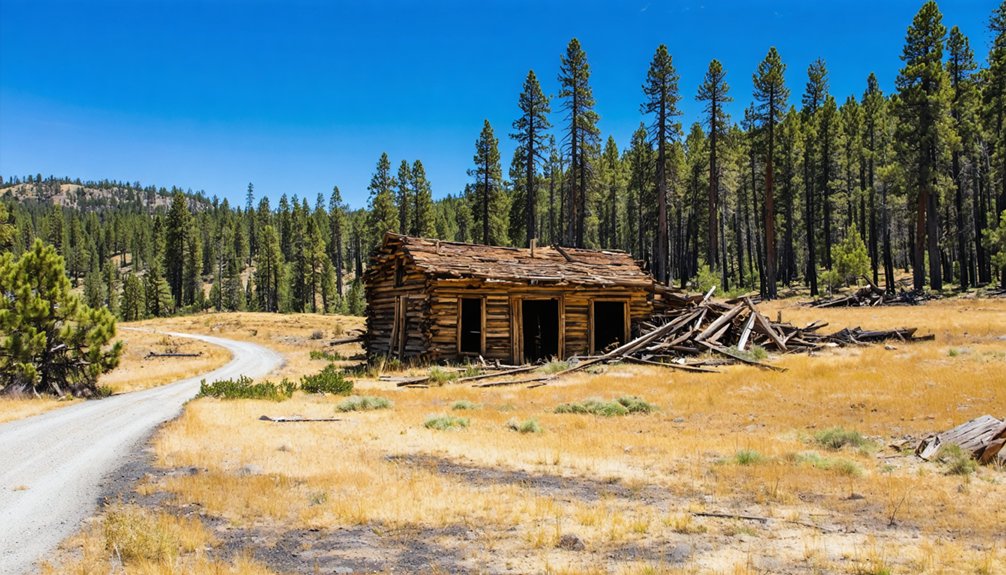
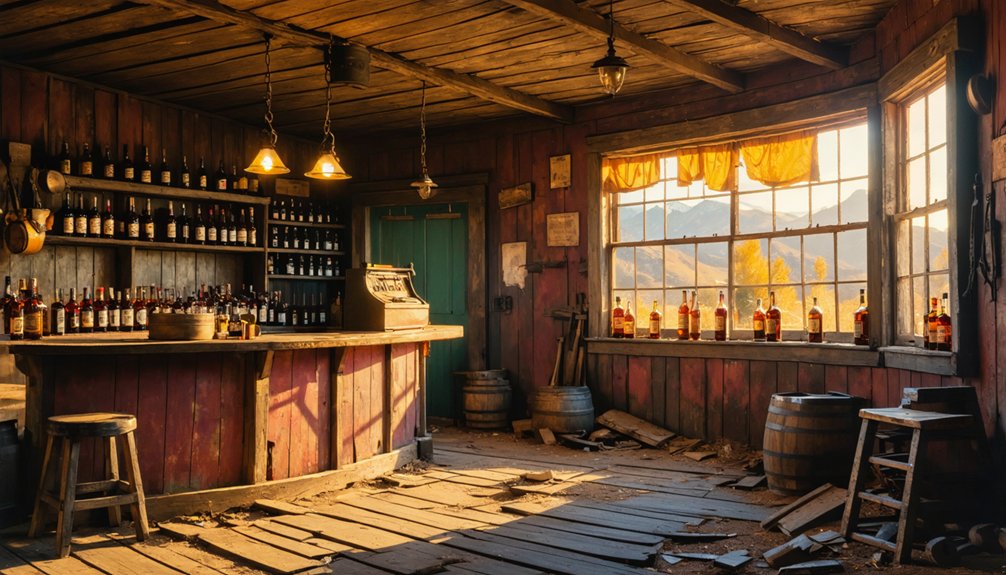
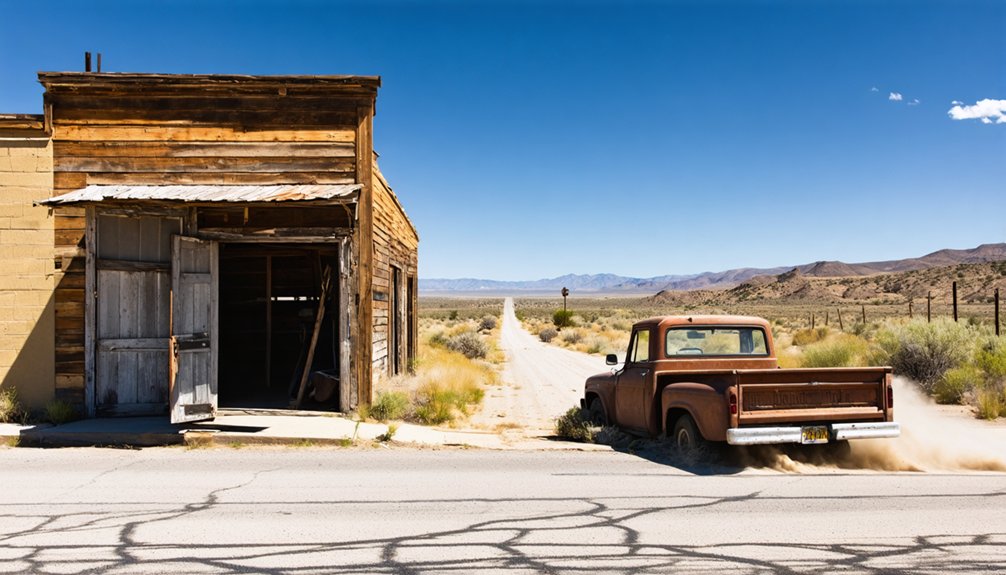
When you arrive at the site associated with Burkeville today, you won’t find a preserved townsite, interpretive signs, or any official acknowledgment that a settlement ever existed here. Local legends and abandoned ruins define the experience instead. What you discover depends largely on the season and your willingness to explore.
During low water periods at Lake Isabella, some visitors report spotting:
- Exposed stone foundations beneath the waterline
- Scattered debris suggesting past human activity
- Crumbling structural remnants along eroded banks
- Unmarked land features locals attribute to the settlement
- Rock formations consistent with mining-era construction
No authority confirms these belong to Burkeville. That ambiguity is exactly the point. You’re standing in a place history either forgot or never fully recorded — and that freedom to interpret makes the stop unforgettable.
How to Find Burkeville in Kern County
Unlike polished tourist attractions, Burkeville rewards curiosity and patience rather than convenience.
Treat the search itself as part of the experience, because the mystery is genuinely the destination here.
Verified Ghost Towns to Anchor Your Route Beyond Burkeville
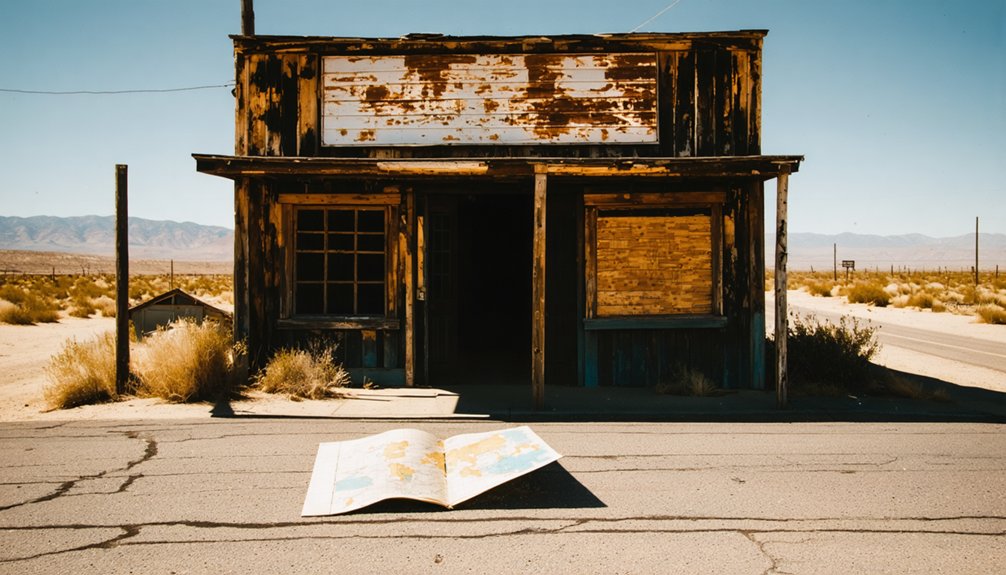
Burkeville’s uncertain history makes it a thrilling stop, but you’ll want a few verified anchors to build a reliable road trip around it. Pair its mining legends and historic rumors with towns that offer documented proof of boom-and-bust life:
Burkeville thrills precisely because its history resists certainty — pair it with towns that can hold the story steady.
- Calico, San Bernardino County – Born in 1880, it produced $20 million in silver across 60-plus mines
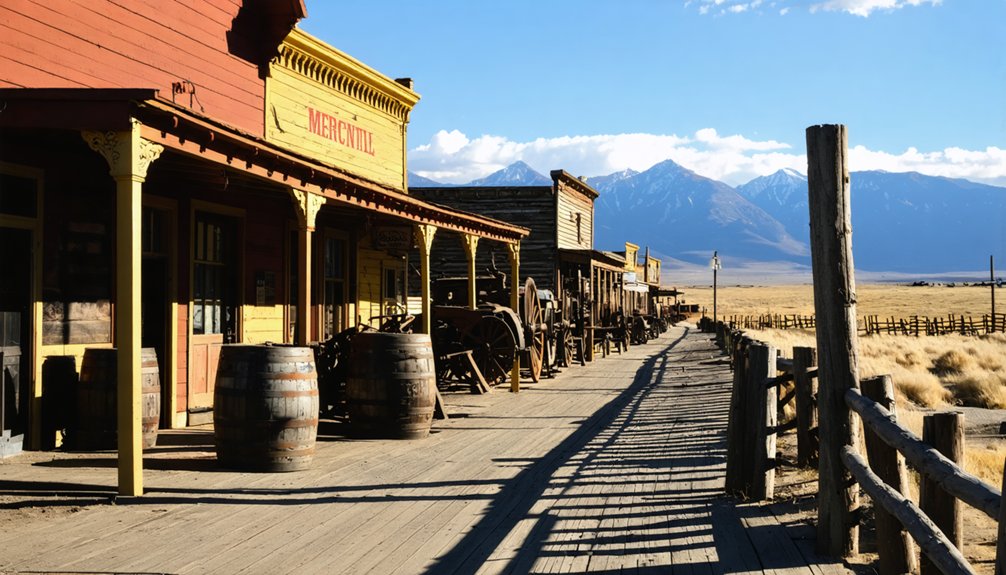
- Bodie, Mono County – Hit 8,000 residents by 1879 and now stands preserved in arrested decay
- Kernville – Shares overlapping Kern County records with Burkeville’s contested history
- Quartzburg – Another Kern County site tangled in the same murky documentation
- Lake Isabella area – Seasonal low water reportedly exposes foundations tied to Burkeville itself
These stops give your route credibility while keeping the mystery alive.
How to Build Your Kern County Ghost Town Itinerary
Building a Kern County ghost town itinerary means balancing verified history with deliberate mystery. Start with anchors like Calico or Bodie, where preservation challenges have shaped what survives, and then layer in contested stops like Burkeville to keep the route intellectually alive.
You’ll want to drive Highway 178 through the Kern River Canyon, watching the landscape shift from high desert to rugged gorge. Plan a stop near Lake Isabella during low water season, when exposed foundations fuel the historical myths surrounding Burkeville’s claimed location.
Give yourself flexibility. Ghost town travel rewards spontaneous detours and unhurried exploration. Carry printed research alongside your phone, since cell service gets unreliable fast.
The strongest itineraries treat uncertainty not as a problem but as the destination itself.
Frequently Asked Questions
Is Burkeville Safe to Visit for Solo Travelers at Night?
You’ll want to take serious safety precautions if visiting solo at night. Nighttime visibility is extremely poor in this remote area, so bring strong lighting, inform someone of your plans, and trust your instincts always.
Are There Guided Ghost Town Tours Available in Kern County?
Like a key opening forgotten doors, guided tour options let you explore ghost town history hands-on. You’ll find several Kern County operators offering immersive experiences, so check local visitor centers for current schedules and availability.
What Is the Best Time of Year to Visit Burkeville?
Visit in late spring or early fall for ideal seasonal weather. You’ll dodge summer’s scorching heat, catch local festivals celebrating Kern County’s mining heritage, and potentially spot exposed foundations when Lake Isabella’s water levels drop.
Can You Camp Near the Reported Burkeville Site Overnight?
Like a true frontier explorer, you can camp near the reported Burkeville site. Always check campsite regulations for the Lake Isabella area first, and prioritize outdoor safety when sleeping beneath California’s wild, star-filled desert sky.
Are There Entry Fees or Permits Required to Access the Area?
You’ll likely need no entry fees to explore the reported Burkeville site, but check local Kern County land access rules first. Respect historical landmarks, and for photography tips, bring permits if shooting commercially.
References
- https://thevelvetrocket.com/2012/01/25/california-ghost-towns-st-louis/
- https://theweek.com/culture-life/travel/ghost-towns-usa-calico-bodie-burke-garnet-rhyolite
- https://capitolmuseum.ca.gov/state-symbols/silver-rush-ghost-town-calico/
- https://en.wikipedia.org/wiki/List_of_ghost_towns_in_California
- https://kids.kiddle.co/Burkeville
- https://en.wikipedia.org/wiki/Burke-Canyon
- https://en.wikipedia.org/wiki/Bodie