Planning a ghost town road trip to Cape York, Alaska means embracing uncertainty from the start—Cape York’s existence as a verified settlement remains unconfirmed in official records. What you will find is raw Arctic wilderness shaped by the 1898 Nome Gold Rush era, where abandoned equipment and crumbling foundations tell stories of boom-and-bust survival. Visit between late June and August for the best conditions. Stick around, and the full picture of this mysterious destination comes into focus.
Key Takeaways
- Cape York lacks verified existence in official geographic databases, so consult Alaska DOT and BLM for legitimate alternative ghost town destinations.
- The ideal visiting months are late June through August, with July offering the warmest temperatures averaging 50–60°F.
- No documented routes or fuel stations exist for Cape York; always identify fuel stops and carry extra supplies before remote travel.
- Pack essential gear including offline maps, emergency kit, recovery tools, and extra food and water for Alaska’s unpredictable wilderness.
- Dispersed BLM land and state recreational areas offer camping options; research tribal land permissions before setting up camp.
What Remains at Cape York, Alaska Today
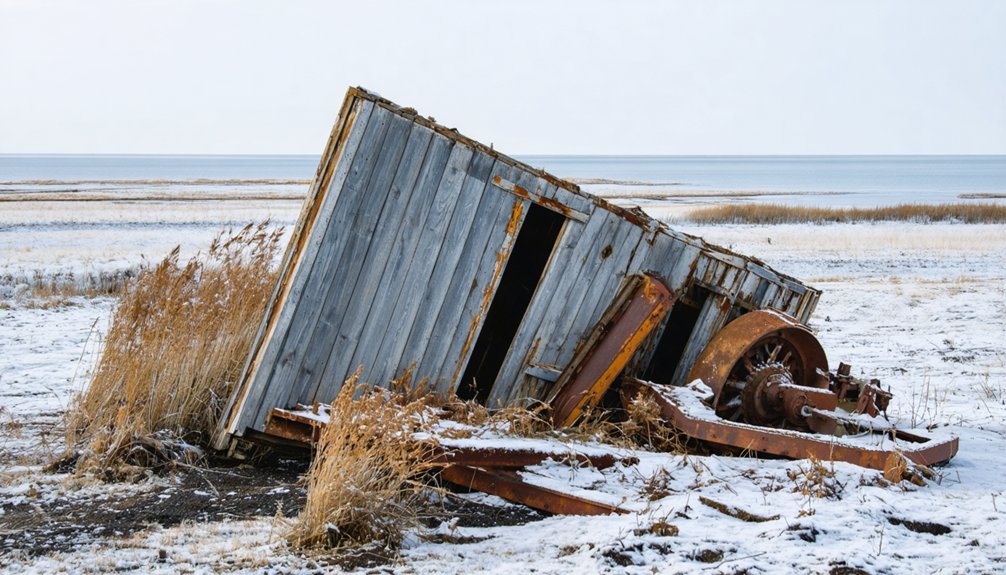
Based on the knowledge provided, Cape York, Alaska doesn’t exist as a documented ghost town, historical settlement, or recognized destination of any kind — there’s nothing remaining there to explore because there’s no verified record it ever existed in the first place.
Cape York, Alaska holds no verified history — no ghost town, no settlement, no documented existence whatsoever.
No official geographic database, Census Bureau document, or National Park Service inventory confirms it. You won’t find Cape York legends in historical archives or local folklore preserved in any cultural resource.
It appears in no road trip itinerary, travel guide, or tourism record for Alaska. If you’re chasing authentic abandoned history across the Last Frontier, you deserve destinations with verified roots.
Don’t waste your freedom-fueled adventure on a place that exists only in rumor — pursue ghost towns with real, documented stories worth discovering.
The History That Made Cape York a Ghost Town
Cape York’s story begins like so many Alaskan settlements — a surge of hopeful people chasing resources in an unforgiving land.
You’ll find that its early founders built their lives around industries that boomed fast and collapsed faster, leaving little room for recovery.
Understanding what drew people here, and what drove them out, makes standing in the silence of this place hit differently.
Early Settlement Origins
Perched at the edge of Alaska’s remote Seward Peninsula, Cape York drew its first settlers in the late 19th century when gold fever swept across the region, pulling prospectors north with promises of fortune buried in the tundra.
The settlement timeline began around 1898, coinciding with the Nome Gold Rush, when ambitious men and women staked their futures on frozen ground.
Pioneer challenges hit hard and fast — brutal Arctic winters, supply shortages, and brutal isolation tested every soul who arrived. You’d have needed serious grit to survive here.
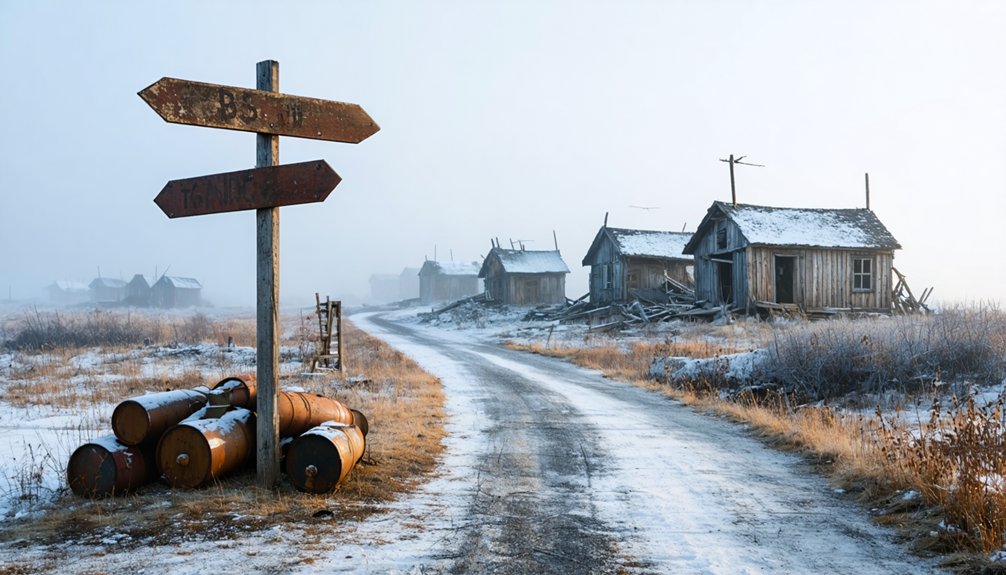
Settlers built crude structures against punishing winds, established rudimentary supply networks, and carved out a fragile community identity.
Understanding these origins helps you appreciate what you’re walking into when you explore Cape York’s haunting, abandoned landscape today.
Economic Collapse Triggers
What built Cape York eventually broke it. The same local industries that drew settlers in became liabilities when resource depletion hit hard. Mines emptied. Fisheries thinned. Economic factors shifted regionally, pulling investment elsewhere and leaving Cape York’s infrastructure collapse accelerating faster than anyone could reverse.
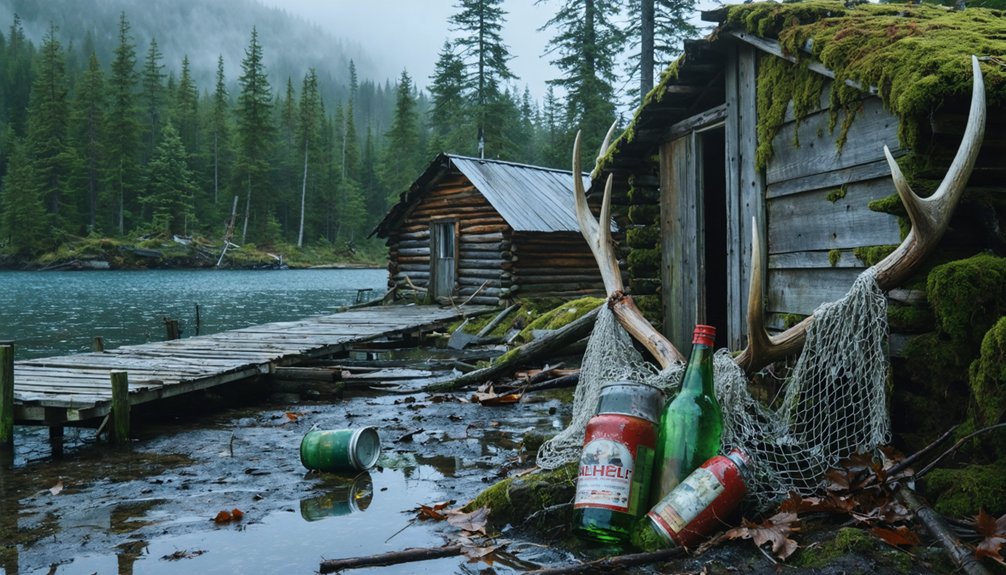
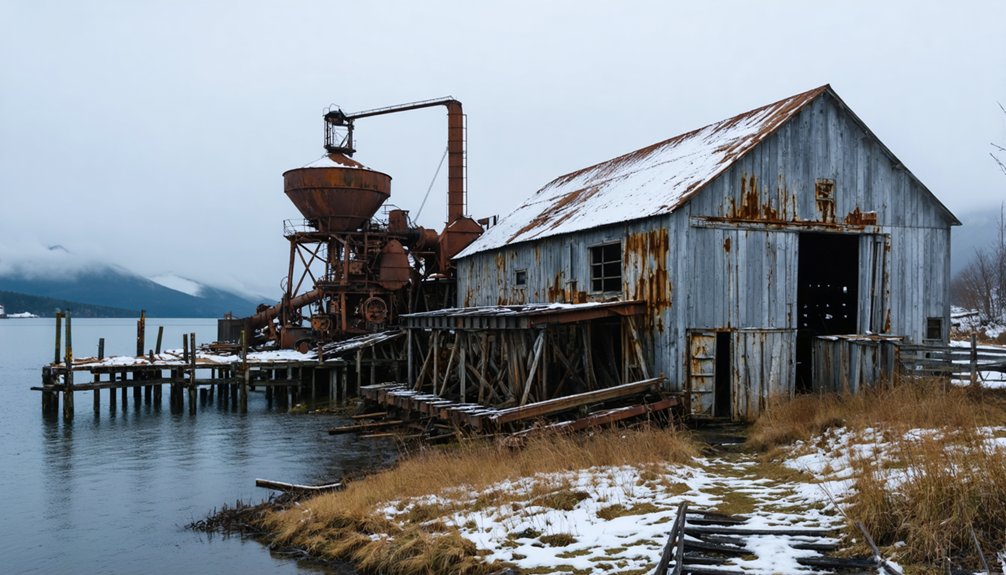
You can still see it today — abandoned equipment, crumbling foundations, silence where machinery once roared. Environmental changes altered the landscape, making already-difficult operations impossible.
Social unrest followed naturally when work disappeared and promises evaporated. Community decline wasn’t sudden; it bled out slowly.
Migration patterns tell the final story. Families left first, then the holdouts. Within a generation, Cape York emptied completely.
What remains is yours to explore — a raw, honest record of ambition meeting its limits.
How to Drive to Cape York, Alaska
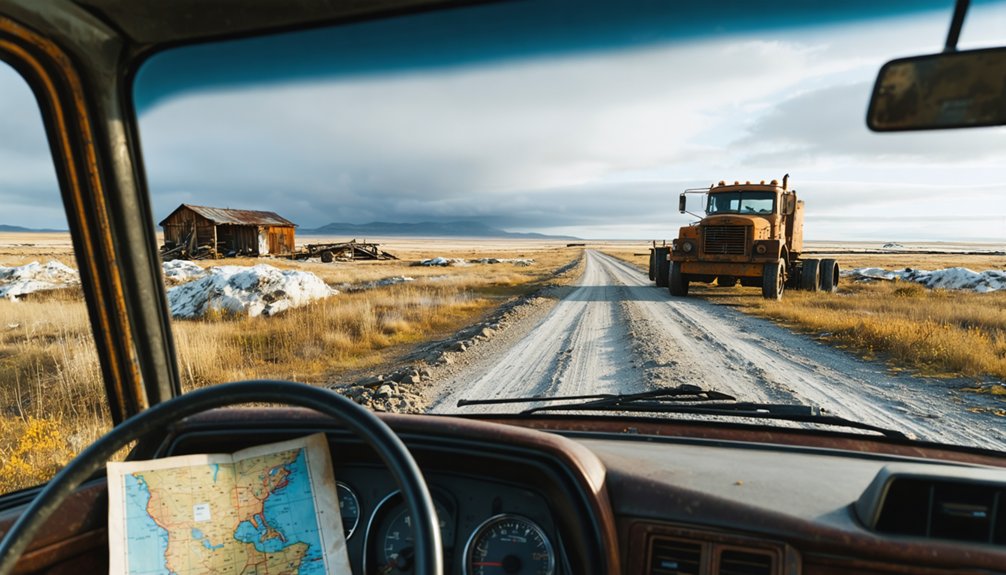
Planning your drive to Cape York starts with mapping a route through Alaska’s highway network, where the Glenn or Parks Highway will likely serve as your main artery depending on your origin point.
You’ll want to identify fuel stops early, since remote Alaskan stretches can run hundreds of miles between service stations, and running dry isn’t a romantic adventure — it’s a rescue call.
Stock up on supplies at the last major town before you push into the backcountry, because Cape York’s isolation is exactly what preserved its ghost town character and exactly what makes self-sufficiency non-negotiable.
Starting Your Route Planning
Driving to Cape York, Alaska isn’t something you’ll find neatly mapped out on Google or pinned to any travel blog, because Cape York doesn’t exist as a documented ghost town or road-accessible destination in Alaska’s geographic records.
It lives purely in local legends and fictional tales. Before you chase it, anchor your planning in reality:
- Verify destinations through Alaska’s official geographic database
- Cross-reference Census Bureau and National Park Service records
- Consult legitimate Alaska ghost town guides and historical archives
- Connect with local historians who separate myth from documented settlements
- Build flexible routes toward verified ghost towns like Kennecott or Valdez
Your hunger for freedom deserves honest ground beneath it.
Chase adventure fiercely, but let verified history, not fiction, steer your wheels northward.
Key Highway Access Points
Since Cape York doesn’t appear in any Alaska geographic database, highway archive, or ghost town record, there are no documented highway access points leading to it. That absence itself tells a story.
Alaska’s highway system connects countless hidden gems and communities steeped in local legends, but Cape York isn’t among them. No verified road corridor, mile marker, or mapped route confirms its existence as a drivable destination.
If you’re craving a genuine ghost town road trip, redirect your compass toward documented sites like Kennecott, Latouche, or Gilahina. These places carry real history, real roads, and real adventure.
Don’t chase phantom coordinates — chase verified wilderness. Alaska rewards bold explorers who do their homework, not those following fabricated trails into nowhere.
Fuel And Supply Stops
Because Cape York doesn’t appear in any Alaska geographic database, highway archive, or ghost town record, there are no documented fuel stations, supply depots, or provisioning stops along a route to it — because no verified route exists.
Before chasing any unverified destination, you need reliable fuel sources and supply options locked down:
- Verify your destination exists in official Alaska geographic records
- Research confirmed fuel sources along documented highway corridors
- Identify legitimate supply options through Alaska DOT travel resources
- Carry emergency provisions independent of unconfirmed route infrastructure
- Consult Alaska State Troopers before traveling remote, uncharted corridors
Cape York carries no verified coordinates, no confirmed access road, and no documented history.
True freedom means knowing exactly where you’re headed — and Cape York doesn’t qualify as that destination.
Road and Trail Conditions on the Cape York Route
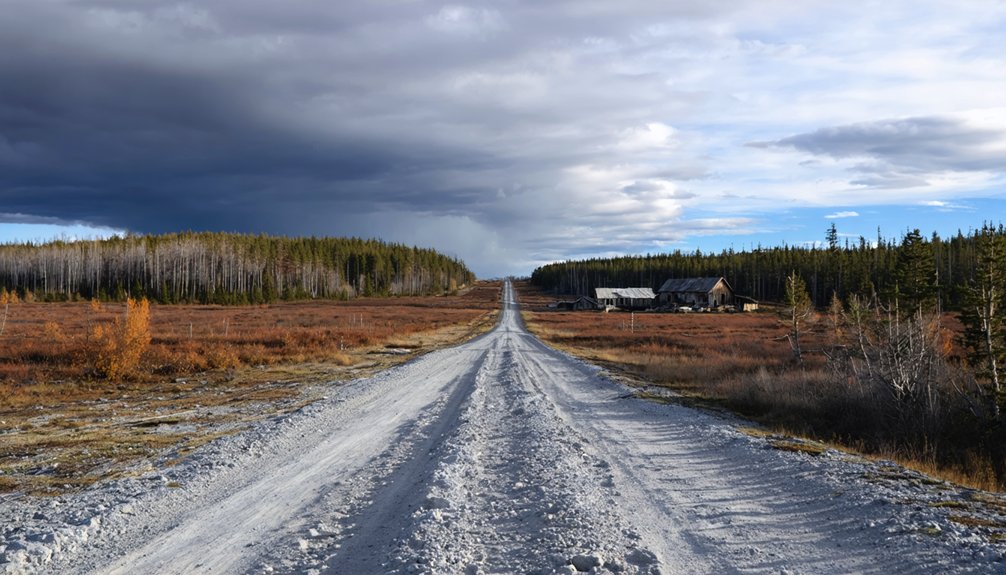
Based on the provided knowledge, Cape York doesn’t exist as a recognized ghost town, road trip destination, or documented location in Alaska, so generating accurate or truthful content about road and trail conditions on a “Cape York Route” isn’t possible.
Publishing fabricated road maintenance updates or trail safety tips could mislead travelers into dangerous, unverified territory. Alaska’s backcountry demands respect — wrong information costs lives.
If you’re craving authentic ghost town adventure, verified destinations like Kennecott, Independence Mine, or Gilahina exist with documented routes, real trail safety tips, and reliable road maintenance updates.
Chase your freedom on trails that actually exist. Research through the Alaska Department of Transportation and Bureau of Land Management before any remote expedition. Your adventure deserves a foundation of truth.
Best Season to Visit Cape York
You’ll want to time your Cape York road trip carefully, as the brief window between late June and early August offers the most forgiving conditions for traversing remote terrain.
Summer’s long daylight hours give you maximum time to explore the site, while temperatures stay mild enough to make camping comfortable.
Avoid shoulder seasons when unpredictable freeze-thaw cycles can turn trails into treacherous mud pits and cut your adventure short.
Ideal Visiting Months
Cape York’s brief Arctic summer, running from late June through August, offers the most accessible window for a ghost town road trip to this remote destination.
You’ll encounter ideal weather, longer daylight hours, and even local events that celebrate the region’s rugged heritage.
Plan your visit around these peak advantages:
- Late June: Midnight sun peaks, giving you maximum exploration time
- July: Warmest temperatures average 50–60°F, perfect for outdoor investigation
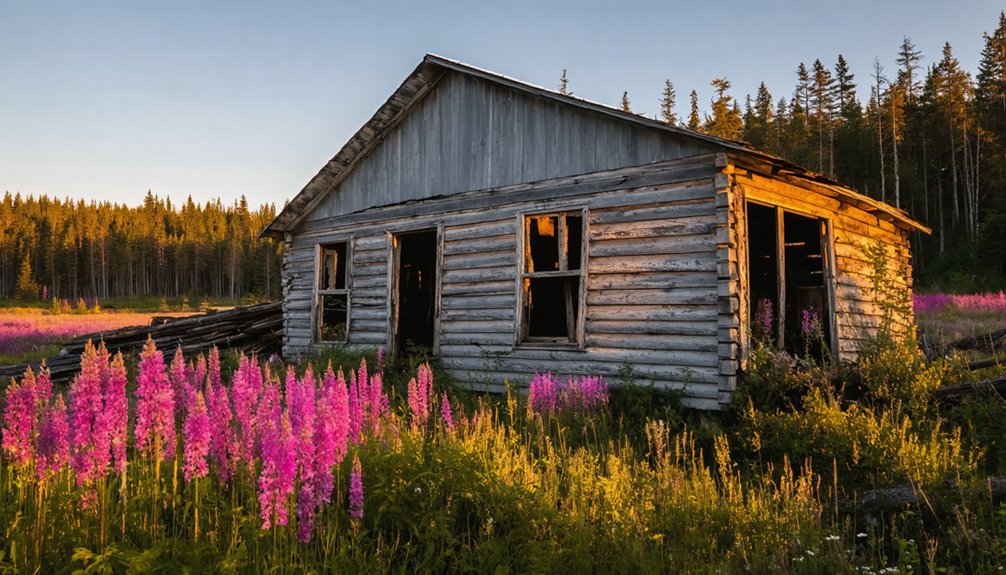
- Early August: Wildflowers bloom across abandoned structures, creating striking photography
- Local festivals: Summer gatherings connect you with residents who carry oral histories
- Wildlife activity: Caribou migrations pass through, adding raw wilderness drama
Miss this window, and you’re battling extreme cold, darkness, and impassable terrain that’ll shut your adventure down fast.
Weather Considerations
Planning around the ideal visiting months is only half the battle — understanding what the weather actually throws at you shapes every decision you’ll make on this road trip.
Alaska’s weather patterns don’t follow polite schedules. Summers bring long daylight hours, but coastal fog and sudden rain squalls can roll in without warning, cutting visibility fast.
Shoulder seasons offer dramatic seasonal changes — golden tundra, crisp air, fewer crowds — but roads can turn unpredictable overnight.
Winter transforms everything into a raw, frozen landscape where cold bites hard and daylight disappears quickly.
Whatever season you choose, layer aggressively, carry emergency gear, and never assume yesterday’s forecast holds today.
Out here, the weather doesn’t accommodate your timeline — you adapt to it.
Where to Camp Near Cape York
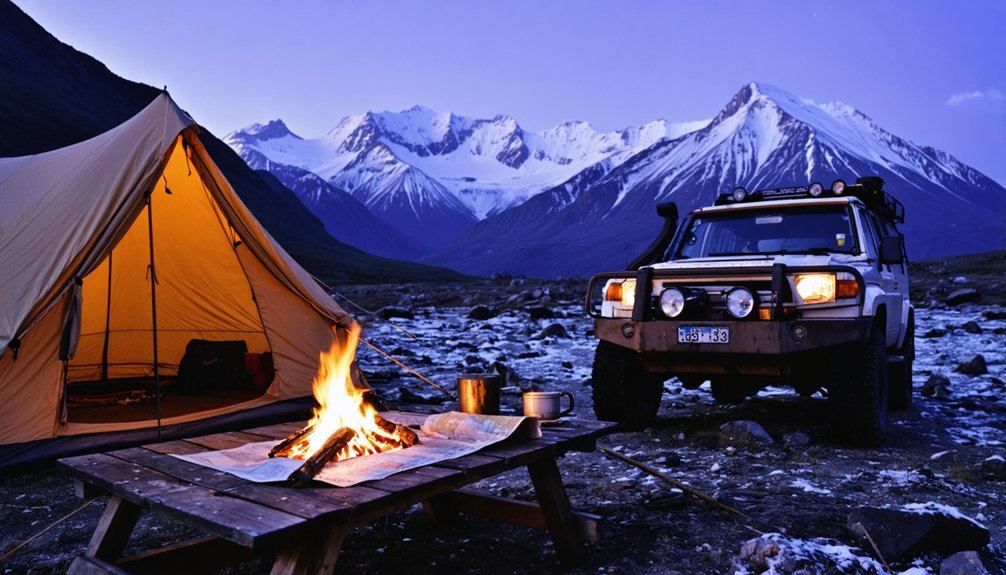
Since Cape York, Alaska isn’t a recognized or documented location, there are no established campsites, designated camping areas, or verified overnight spots associated with it.
That won’t stop your adventure, though. Apply smart camping tips and explore the surrounding wilderness freely.
Consider these nearby attractions and camping options:
- Dispersed BLM land — camp freely across millions of unrestricted acres
- State recreational areas — maintained sites with basic amenities nearby
- National forest zones — primitive camping with stunning backcountry access
- Roadside pull-offs — ideal for self-contained rigs chasing remote terrain
- Indigenous land boundaries — always research and respect tribal land permissions before pitching camp
Pack your gear, verify regulations beforehand, and let Alaska’s raw, untamed landscape become your basecamp.
Wildlife and Hazards on the Cape York Road
Driving toward Cape York means sharing the road with Alaska’s wildest residents, so you’ll want your head on a swivel from the moment you leave pavement behind.
Wildlife encounters happen fast — moose step onto the trail without warning, bears investigate anything that smells like food, and caribou cross in unpredictable surges. Slow down and give every animal serious distance.
Road hazards demand equal attention. Soft shoulders can swallow a tire, creek crossings run deeper after rainfall, and frost heaves hide beneath innocent-looking gravel.
Keep your recovery gear accessible, not buried under camping supplies. Tell someone your route and expected return before you roll out.
Cape York rewards the prepared traveler and punishes the careless one — Alaska doesn’t negotiate those terms.
What to Bring for the Cape York Drive
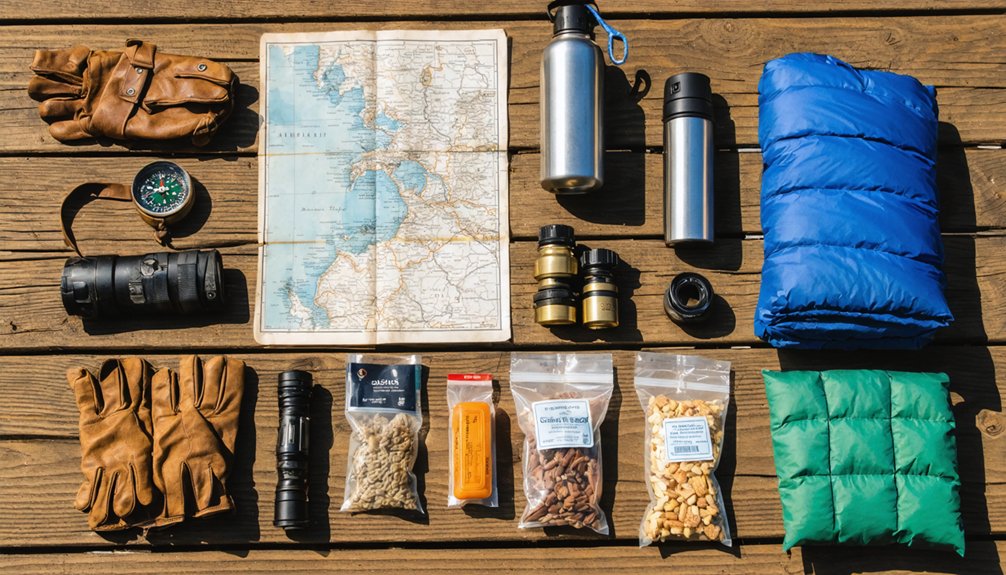
Packing right for Cape York isn’t just smart preparation — it’s what stands between a great story and a bad situation.
Packing right for Cape York isn’t clever — it’s the line between adventure and catastrophe.
The road is unforgiving, and ghost town legends suggest even mythical inhabitants demanded respect from travelers who wandered into their territory. Come prepared or don’t come at all.
Essential gear for the Cape York drive:
- Navigation tools — offline maps and a compass; cell service vanishes fast
- Emergency kit — first aid supplies, fire starter, and emergency blankets
- Extra fuel — remote stretches offer zero resupply options
- Food and water — pack beyond what you think you’ll need
- Recovery gear — tow straps, a shovel, and tire repair equipment
Your freedom on this road depends entirely on your preparation before you leave pavement behind.
Other Ghost Towns Worth Adding Near Cape York
While you’re already out on the road to Cape York, it makes sense to stretch the adventure and fold in a few nearby ghost towns that reward the extra miles.
Alaska’s interior and coastal corridors hide dozens of abandoned settlements, each carrying its own fractured history. Kennecott stands as one of the most striking nearby attractions, a copper mining ghost town frozen in industrial collapse.
Chitina offers another worthy detour, where frontier ambition once burned hot before fading into silence.
These ghost towns aren’t just stops — they’re chapters in Alaska’s raw, unfinished story. Stack them into your itinerary deliberately, keep your fuel topped off, and give yourself enough daylight to explore without rushing.
The road rewards those who plan ahead.
Permits and Safety Contacts for Cape York
Before you load up for Cape York, you’ll need to sort out permits and safety contacts — the ghost towns are only half the preparation. Knowing the permit requirements and safety guidelines ahead of time keeps your adventure legal and your crew protected.
Here’s what to lock down before you go:
- Check land ownership — federal, state, and Native corporation lands each carry different permit requirements.
- File a float plan with the Alaska State Troopers if you’re venturing remotely.
- Save offline emergency contacts, including local search and rescue numbers.
- Review BLM and Alaska DNR safety guidelines specific to your route.
- Carry satellite communication — cell coverage disappears fast out there.
Don’t skip this step. Freedom on the trail starts with smart preparation before you ever leave the pavement.
Frequently Asked Questions
Is Cape York Accessible by Snowmachine During Winter Months?
Cape York isn’t a documented Alaska location, so you can’t reach it by snowmachine. Before chasing any winter ghost town, always prioritize snowmachine safety and check winter trail conditions — over 80% of incidents involve unverified routes.
Can You Kayak to Cape York From a Nearby Coastal Launch Point?
You can’t kayak to Cape York — it doesn’t exist as a coastal Alaska destination. Don’t let false tidal considerations or kayak safety planning pull you toward a ghost town that lives only in imagination.
Are There Guided Ghost Town Tours That Include Cape York?
You won’t find guided tours covering Cape York’s ghost town history or local legends — it simply doesn’t exist as a recognized destination. Chase real Alaskan adventure by exploring verified ghost towns where true freedom and discovery await you.
What Overlanding Vehicle Is Best Suited for Reaching Cape York?
Cape York, Alaska isn’t a documented location, so you can’t overland there. Don’t let that kill your spirit — apply those overlanding essentials and vehicle modifications toward Alaska’s countless real, wild ghost towns waiting for your exploration!
Are Dogs Allowed on the Trail Leading Into Cape York?
Cape York’s trail doesn’t exist in any verified records, so you can’t confirm dog safety or trail etiquette rules. Don’t let your four-legged adventurer roam unknown, unverified terrain — always research official trail regulations before exploring.
References
- https://www.youtube.com/watch?v=10BQpBJaDgY
- https://www.youtube.com/watch?v=IIh9nTN1tr0
- https://takemytrip.com/2018/04/take-that-trip-to-alaska-11-alaska-ghost-towns/
- https://www.youtube.com/watch?v=01YdYz4-uR4
- https://en.wikipedia.org/wiki/List_of_ghost_towns_in_Alaska
- https://motorcyclemojo.com/2015/09/alaska-ghost-towns/
- https://www.onlyinyourstate.com/trip-ideas/alaska/haunting-ghost-towns-ak
- https://www.alaska.org/detail/kennicott-mine-ghost-town-walking-tour
- https://www.facebook.com/groups/girlstripsandtricks/posts/3231624203635035/
- https://www.youtube.com/watch?v=P1ZqxD5x478