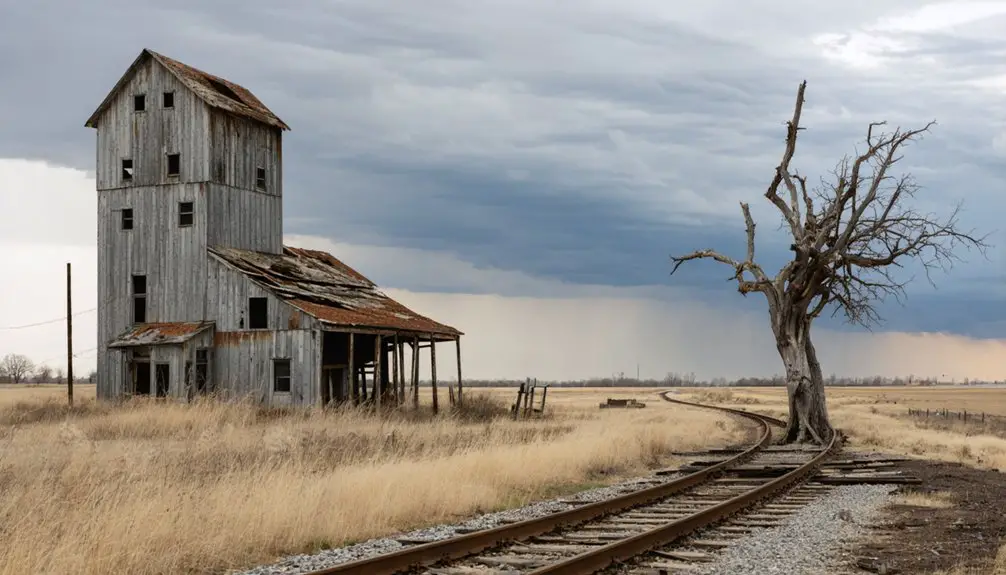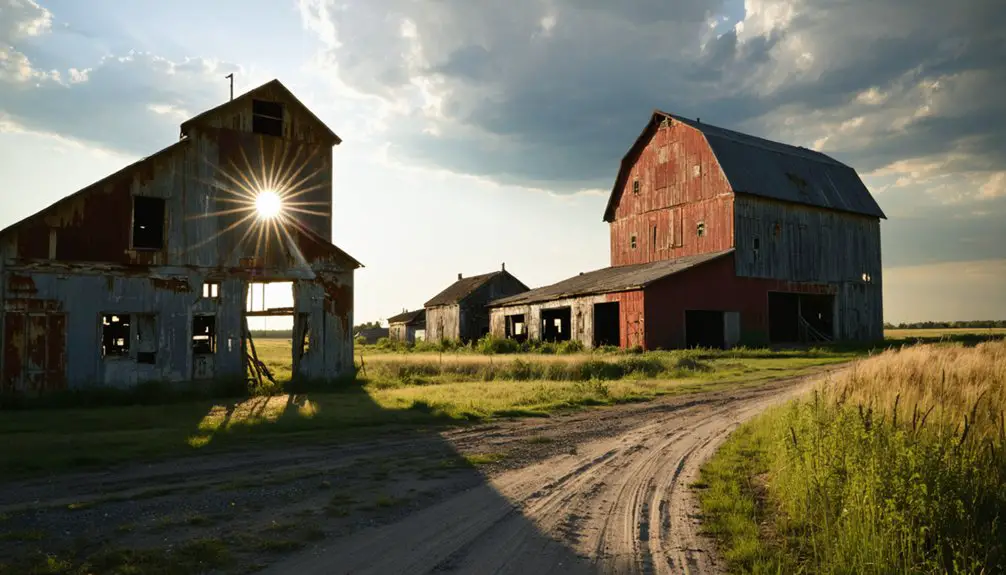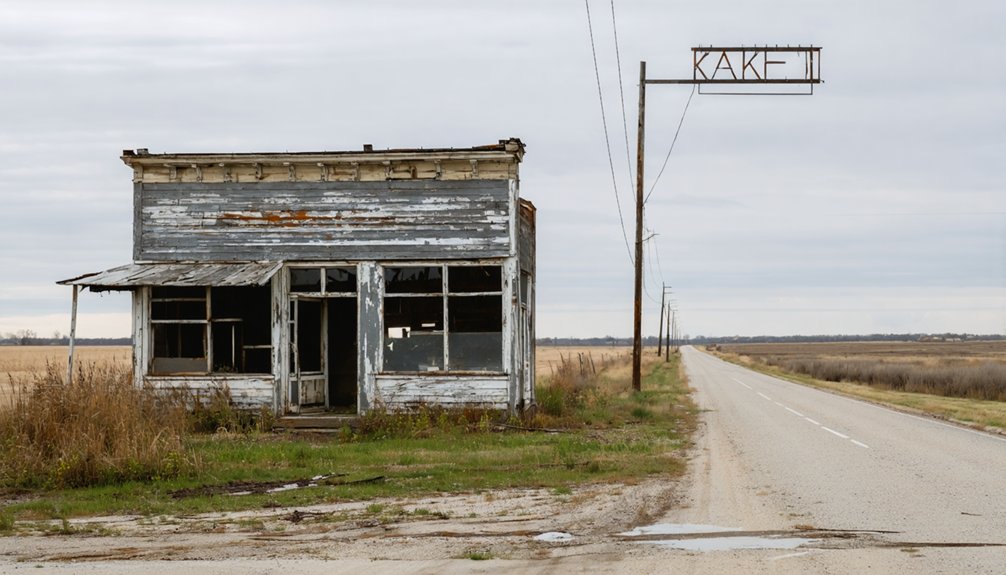
Cazenovia, Minnesota sits quietly in Dodge County, where open farmland now hides the faint outlines of a once-busy railroad town. You can drive here as part of a southern Minnesota ghost town loop connecting Dodge, Fillmore, and Mower counties. Plan your visit between late April and early October for the best conditions. Bring a county map, water, and a camera—because the story this landscape tells goes much deeper than it first appears.
Key Takeaways
- Cazenovia, located in Dodge County, Minnesota, is a railroad-era ghost town best explored between late April and early October.
- Visit Cazenovia as part of a broader ghost-town loop connecting Dodge, Fillmore, and Mower counties via efficient county roads.
- Bring a printed county road map, water, snacks, and a camera with an extra battery for the journey.
- Look for faint street grids, scattered foundations, and old trees that reveal Cazenovia’s once-thriving community history.
- Research Cazenovia’s history beforehand and combine the trip with visits to local diners and historical societies nearby.
What Is the Cazenovia Ghost Town?

Tucked into the rural landscape of Dodge County in southeastern Minnesota, Cazenovia is a ghost town that once functioned as a small railroad-era community serving the surrounding farm region.
Like many towns shaped by Cazenovia history, it rose during the late 1800s when rail access drove local commerce, then quietly faded as transportation patterns shifted and agricultural consolidation pulled residents toward larger nearby centers.
Rail access built it. Shifting transportation and agricultural consolidation quietly erased it.
The post office, depot functions, and general-store trade eventually moved elsewhere, leaving little behind on the landscape.
Today, the ghost town significance lies not in grand preserved structures but in what its absence reveals — a story of regional change, vanished community life, and the fragile economics that once built and dismantled dozens of small Minnesota towns.
You’re stepping into that story the moment you arrive.
Why This Railroad Town Vanished From Dodge County
When rail lines defined economic survival for small Minnesota towns, communities like Cazenovia thrived — and when those lines shifted priorities, they collapsed just as fast.
Railroad decline didn’t happen overnight, but the effects hit hard. Once freight and passengers stopped moving through Cazenovia, the businesses that depended on that traffic had no reason to stay.
You’ll notice this pattern repeating across Dodge County’s landscape. Agricultural consolidation pulled families toward larger towns offering more services, better roads, and stronger economic footing.
The post office closed. The depot lost its purpose. General stores relocated where the population actually was.
Community consolidation quietly erased Cazenovia from the working map.
What you find today isn’t failure — it’s evidence of how completely regional infrastructure shaped, and ultimately unraveled, small-town life across southern Minnesota.
What the Cazenovia Ghost Town Looks Like Today
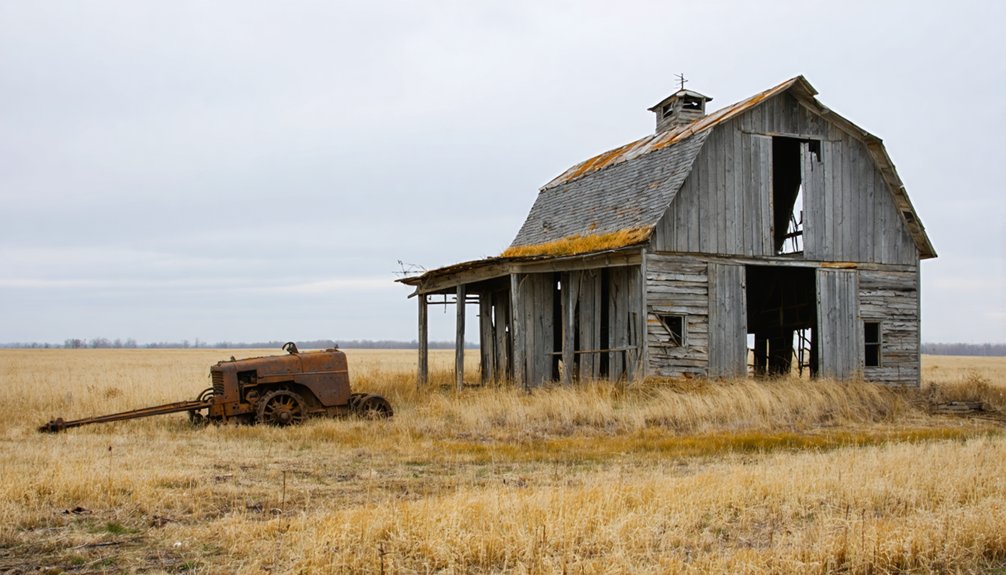
Arriving at Cazenovia today, you’ll find a landscape that looks more like open farmland than a former town. The current conditions offer few obvious landmarks, but that quiet absence tells the story better than any museum exhibit could.
The land remembers what the maps have forgotten — open fields where a whole community once stood.
Visual highlights are subtle yet powerful for those paying attention.
Look for these reminders of what once stood here:
- A faint street grid still readable beneath the grass and gravel
- Scattered foundations hinting at buildings long since collapsed
- Old trees planted by residents who believed this place would last
- Surrounding farmland that swallowed a community whole
You won’t need a guided tour. You just need curiosity and a willingness to see history in what’s no longer there.
Cazenovia rewards the traveler who slows down.
Build a Southern Minnesota Ghost Town Road Trip Around Cazenovia
Cazenovia makes the most sense when you treat it as one stop on a broader southern Minnesota ghost-town loop rather than a standalone destination.
Pair it with stops in Dodge, Fillmore, and Mower counties, where ghost town history runs deep and railroad significance shaped nearly every settlement’s rise and fall.
County roads connect these sites efficiently, so you’re rarely driving long stretches between stops.
Combine your route with small-town diners, county historical societies, and old depot sites to fill the day with genuine regional context.
Spring through early fall offers the best conditions for rural navigation and photography.
Plan your fuel and food stops in advance, since services thin out quickly once you leave the main highways behind.
When to Visit and What to Bring for the Drive
The best window for this drive runs from late April through early October, when county roads are clear, daylight stretches long enough for multiple stops, and the rural landscape rewards photography rather than fights it.
Late April through early October opens the roads, extends the light, and turns the landscape into something worth photographing.
These best seasons let you move freely through southern Minnesota without weather cutting your plans short.
Pack these packing essentials before you leave:
- A printed county road map, because cell service disappears exactly where the history gets interesting
- Water and snacks, since ghost-town country offers no convenient stops between sites
- A camera with extra battery, so fading foundations and empty fields don’t go undocumented
- A notebook, because standing in a vanished town raises questions worth chasing later
You’re not just driving through history — you’re feeling what disappears when a community loses its reason to stay.
Where to Eat, Refuel, and Stop on Your Ghost Town Route
Because ghost-town country offers almost nothing in the way of roadside services, you’ll want to plan your fuel stops, meals, and rest breaks around the small towns anchoring either end of your route rather than hoping something appears between sites.
Dodge Center and Mantorville both sit within easy reach and offer reliable fuel stops before you head into rural Dodge County backroads. Mantorville carries extra appeal since its historic downtown includes local diners worth stopping at before or after your exploration.
Rochester, slightly farther south, gives you full services if you’re starting fresh or finishing late.
Pack snacks and water regardless, because flexibility keeps the drive enjoyable when schedules shift. Knowing your service points in advance means you spend time exploring history instead of scrambling for basic necessities.
How to Research Cazenovia Before You Hit the Road

Once you’ve locked down your service stops and mapped your fuel breaks, you’ll want to spend some time actually learning what Cazenovia was before you pull onto those county roads.
Solid ghost town research transforms a quiet rural drive into something that actually hits you when you’re standing there.
Dig into these resources before you go:
- Dodge County Historical Society — local records, plat maps, and population data that bring Cazenovia history to life
- Minnesota Digital Library — digitized newspapers and photographs that show what daily life looked like
- Minnesota Historical Society — post office records and rail service timelines that explain the town’s disappearance
- Google Earth historical imagery — lets you trace the original street layout before you arrive
You’ll feel the loss differently when you actually know what vanished.
Frequently Asked Questions
Is There an Admission Fee or Permit Required to Visit Cazenovia?
You don’t need an admission fee or permit to visit Cazenovia. It’s a freely accessible roadside stop where you can explore its cultural significance and absorb the historical context of Minnesota’s vanished railroad communities independently.
Are Pets Allowed When Exploring the Cazenovia Ghost Town Site?
Over 60% of rural heritage sites welcome leashed pets. You’ll likely enjoy pet friendly activities at Cazenovia’s open landscape, but practice ghost town etiquette — keep your dog leashed, pack out waste, and respect the surrounding private farmland.
Is the Cazenovia Townsite on Public or Private Property?
The Cazenovia townsite’s ownership isn’t clearly documented, so you’ll want to verify before exploring. Respecting ghost town preservation protects Cazenovia history for future visitors, ensuring you’re not accidentally trespassing on private rural farmland.
Are There Any Guided Tours Specifically Focused on Cazenovia?
You won’t find guided tours specifically focused on Cazenovia’s ghost town history or local legends. You’ll need to explore independently, so research the site beforehand and let your own curiosity drive your discovery.
Can You Access the Cazenovia Site Year-Round by Vehicle?
You can reach Cazenovia year-round by vehicle, but you’ll find road conditions most favorable during spring through early fall. Seasonal access challenges like snow and mud can make winter visits tricky on rural county roads.
References
- https://minnesotasnewcountry.com/check-out-this-mn-ghost-town-thats-now-a-state-park/
- https://thievesriver.com/blogs/articles/ghost-towns-in-minnesota
- https://www.islands.com/2166672/minnesota-once-thriving-ghost-town-abandoned-now-banning-state-park/
- https://www.fws.gov/story/ghost-town-carver-rapids
- https://www.youtube.com/watch?v=5bCG6B2rzZY
- https://mnprairieroots.com/tag/ghost-towns/
- https://www.youtube.com/watch?v=Naciyj05E1Y
- https://www.facebook.com/minnesotafamilydestinations/posts/theres-a-hidden-trail-that-leads-to-a-mysterious-ghost-town/122257595096164814/
- https://krforadio.com/found-four-of-six-ghost-towns-on-our-trip/
- https://www.kittsonarea.com/2019/11/07/ghost-towns-of-kittson-county/