Planning a ghost town road trip to Egypt, Texas puts you in the heart of Wharton County, where the Colorado River once kept early settlers alive. You’ll find weathered abandoned buildings, a historic cemetery, and a colorful billboard mural at the old mill. This resilient little community earned its biblical name by feeding neighbors through devastating drought. Pack a paper map since Egypt isn’t always on digital navigation, and everything you need to explore it awaits just ahead.
Key Takeaways
- Egypt, Texas, located in Wharton County near the Colorado River, earned its biblical name through agricultural resilience during severe drought conditions.
- The town was established in 1892 at a historic crossroads, making it a significant early Texas settlement worth exploring.
- Key attractions include an aged historic cemetery, abandoned buildings, and a colorful billboard mural at the Old Mill.
- Egypt isn’t easily found on digital maps, so bring a paper map to navigate this hidden ghost town successfully.
- Nearby Wharton County offers additional stops, including the El Campo Museum, county courthouse, and authentic Texas comfort food restaurants.
What Makes Egypt, Texas Worth the Drive?
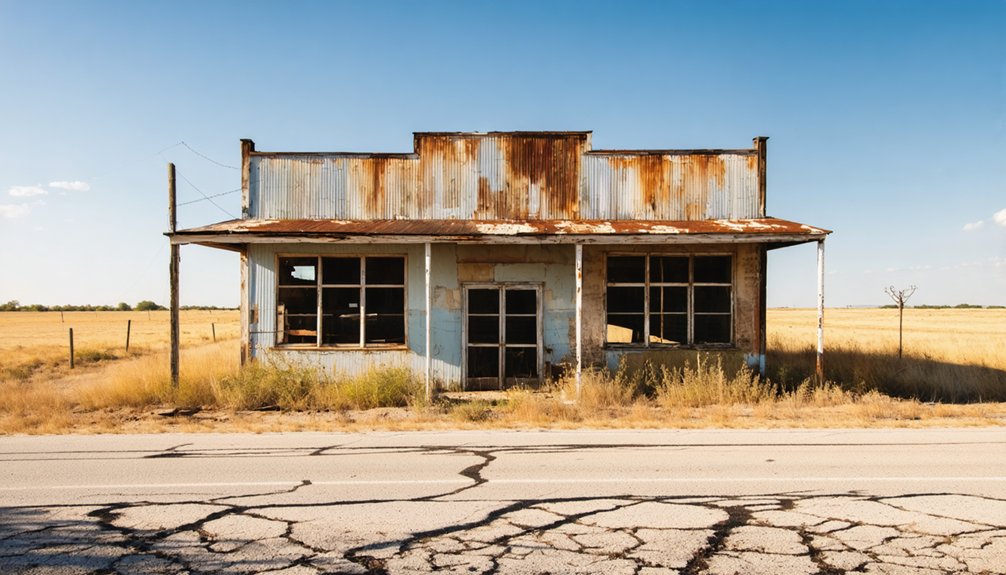
Egypt represents community resilience — a tiny settlement that survived drought, time, and isolation.
These cultural insights into early Texas life make it one of those rare hidden gems that freedom-seeking travelers genuinely treasure.
Where Egypt, Texas Is and How to Get There
Tucked away in Wharton County, this ghost town sits near the Colorado River at the historic intersection of the old Matagorda-to-Columbus and San Felipe-Texana roads — the same crossroads where Eli Mercer once ran his ferry in the 1890s.
Nestled in Wharton County near the Colorado River, Egypt marks the crossroads where history and forgotten roads quietly converge.
You won’t find Egypt on every digital map, so pull out a paper map and plan your scenic routes deliberately. The backroads leading here reward you with open farmland, quiet skies, and a genuine sense of stepping off the grid.
Use local landmarks like the old mill and cemetery to confirm you’ve arrived. Egypt works perfectly as a day trip from nearby towns in southeastern Texas.
Pack a full tank, keep your eyes open, and enjoy the freedom of wandering where most travelers never think to go.
The History Behind Why Egypt, Texas Has Its Name
Few place names in Texas carry as much biblical weight as this quiet stretch of Wharton County farmland.
During a devastating drought, local farmers maintained an abundant corn supply that fed surrounding communities — mirroring the biblical significance of ancient Egypt feeding starving nations. That powerful parallel gave this small settlement its unforgettable name.
Here’s what shaped Egypt’s identity:
- 1892 founding — Eli Mercer established the settlement at a critical river crossing, building a ferry operation that connected travelers.
- Fertile soil — The land naturally supported corn, cotton, and sugar cane production.
- Drought resilience — When others struggled, Egypt’s farmers stepped up, supplying corn regionally and earning their biblical namesake permanently.
You’re visiting a place where history literally named itself.
How Egypt, Texas Became a Ghost Town
Once upon a time, Egypt thrived as a bustling farming community, with settlers working the fertile land along the Colorado River to grow corn, cotton, and sugar cane.
Over time, however, shifting economic conditions, modernization, and the lure of larger towns pulled residents away, leaving the community a shadow of its former self.
Today, you’ll find a population that barely cracks double digits, with only a handful of families carrying on the farming traditions that once made Egypt an essential part of Wharton County.
Egypt’s Thriving Early Settlement
Before Egypt, Texas became the quiet ghost town you can visit today, it was a genuinely thriving settlement with roots stretching back to 1892. Eli Mercer established the original community at a critical crossroads, operating a ferry across the Colorado River.
The region’s rich farming heritage drew settlers who cultivated:
- Corn — the crop that would eventually define Egypt’s legendary name
- Cotton — a staple driving economic growth across the settlement
- Sugar cane — evidence of the area’s remarkably fertile soil
That community spirit kept residents working together, especially during severe drought when local farmers supplied corn to surrounding areas.
This act of resilience earned the settlement its distinctive biblical name, connecting a small Texas crossroads to something much larger than itself.
Decline Into Ghost Town
Though Egypt, Texas once buzzed with ferries, farmers, and fresh-plowed fields, time and circumstance quietly drained its population down to the double digits you’d find today.
As transportation routes shifted and economic pressures mounted, families packed up and moved toward larger towns offering steadier livelihoods. The Colorado River crossings that once made Egypt a crucial hub gradually lost their strategic importance, leaving behind abandoned structures that now stand as weathered monuments to a busier era.
You’ll notice the silence when you arrive — it speaks louder than any history book. Local legends still circulate among the remaining families, keeping Egypt’s story alive through oral tradition.
That stubborn persistence of memory is exactly what makes this forgotten corner of Wharton County worth pulling off the road to discover.
What’s Actually Left to See in Egypt, Texas
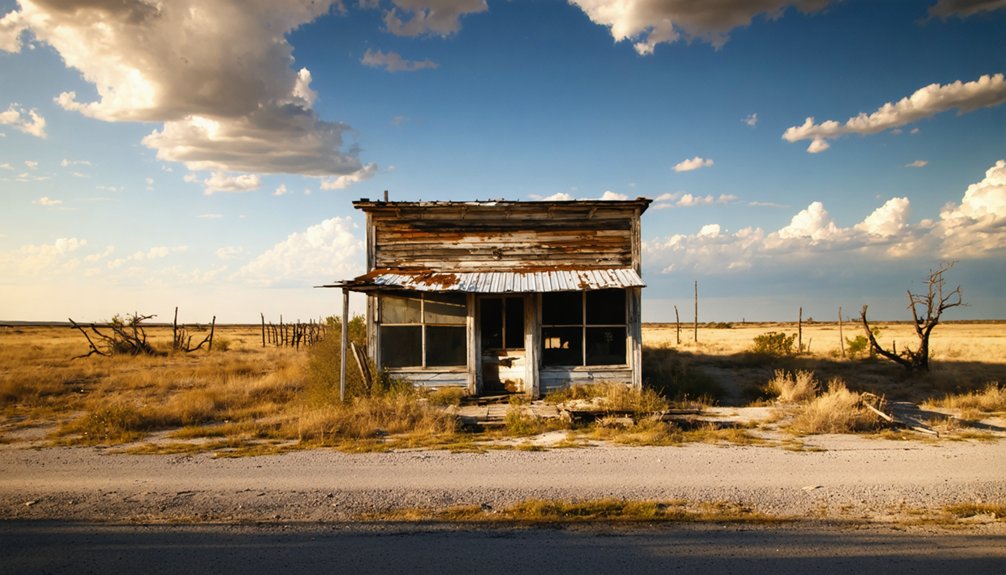
Despite its tiny population, Egypt still offers a handful of genuine treasures worth pulling over for. You’ll find authentic glimpses of early Texas life scattered across this quiet crossroads community.
- Historic Cemetery – Walk among the aged headstones where some of Texas’s earliest residents rest. Each marker tells a story that no museum can replicate.
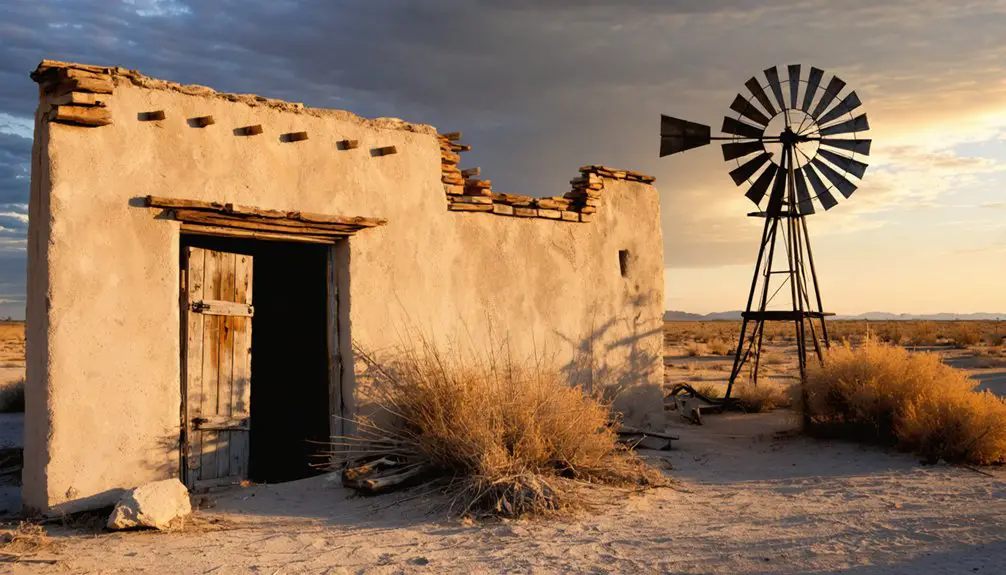
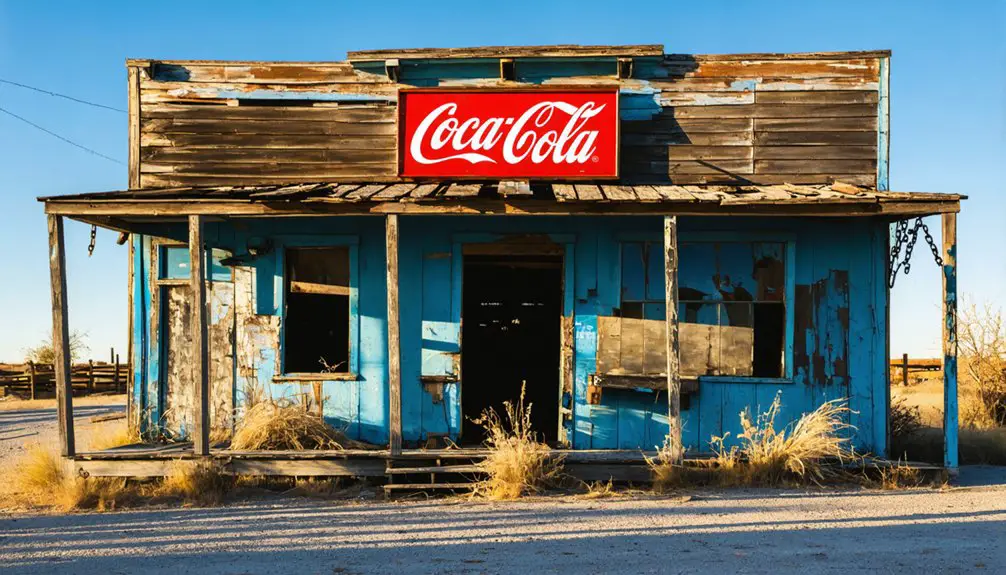
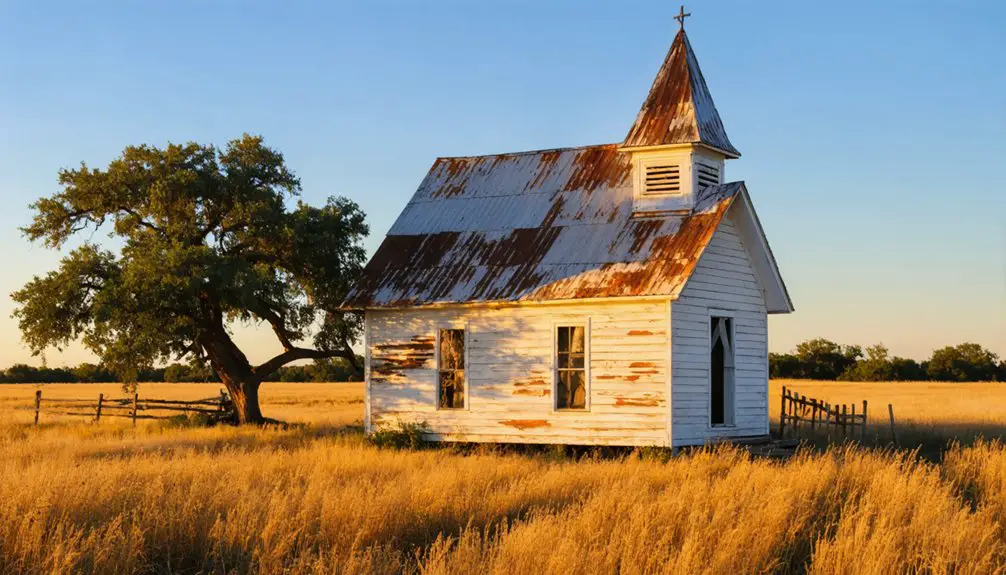
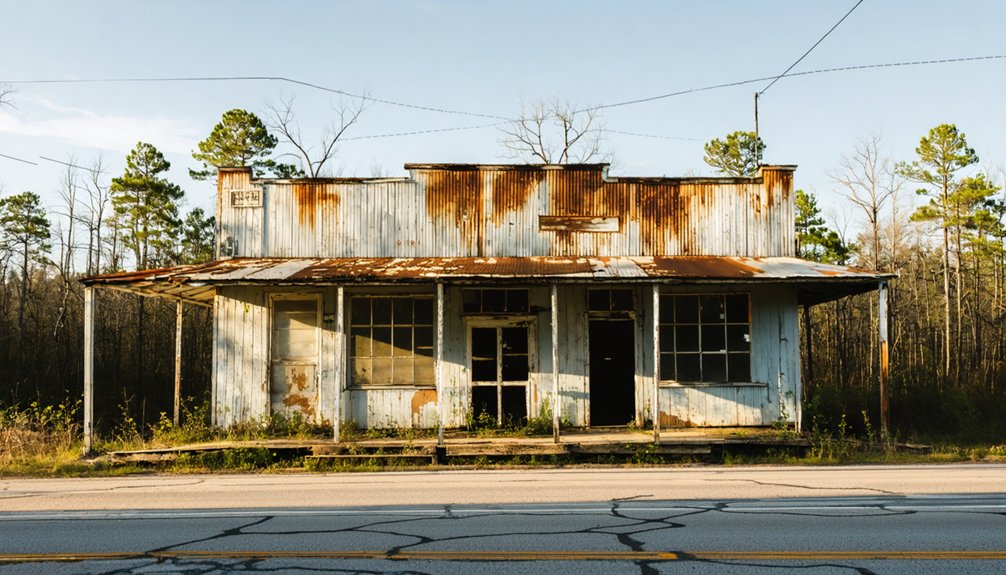
- Abandoned Buildings – Explore the weathered structures still standing throughout Egypt. Their worn facades whisper tales of a once-thriving farming community.
- Billboard Mural at the Old Mill – This colorful artwork adds an unexpected and vibrant surprise to your visit, making it a perfect photo opportunity.
You’re not just passing through Egypt — you’re stepping into living history.
Slow down, look around, and let this forgotten town speak for itself.
Plan Your Day Trip to Egypt, Texas
Now that you know what’s waiting for you in Egypt, a little planning goes a long way toward making the most of your visit.
Egypt sits in Wharton County near the Colorado River, accessible via backroads that reward explorers willing to venture off the beaten path. Spot it on a paper map before your road trip for that satisfying old-school navigation experience.
Plan your day trip as a leisurely outing from nearby towns. Walk slowly through the cemetery, studying headstones that connect you directly to early Texas history.
Take time at the old mill mural, then wander among the weathered buildings. Finish by soaking in the surrounding countryside.
Pack water, wear comfortable shoes, and bring a camera — Egypt’s quiet beauty deserves more than a hurried glance.
What Else to Explore in Wharton County While You’re There
Why stop at Egypt when Wharton County has more to offer? You’ll find hidden gems and local attractions that make extending your road trip worthwhile.
Explore scenic routes through fertile farmland, discover cultural experiences rooted in Texas heritage, and uncover historical sites that tell compelling stories.
- El Campo Museum of Natural History – Dig into regional history and nature trails showcasing local wildlife and geology.
- Wharton County Courthouse – A stunning architectural landmark offering cultural experiences and historical insight into early Texas governance.
- Local Eateries in Wharton – Satisfy your appetite at unique eateries serving authentic Texas comfort food that fuels your adventurous spirit.
Whether you’re planning family activities or solo exploration, Wharton County rewards curious travelers who venture beyond the main roads.
Frequently Asked Questions
Are There Any Guided Tours Available in Egypt, Texas?
There aren’t any formal guided tours available, but you’ll enjoy exploring Egypt’s rich local history on your own terms. Embrace guided exploration by wandering freely through the old cemetery, historic buildings, and colorful mill mural.
Is Egypt, Texas Privately Owned or Open to the Public?
Surprise — you don’t need a secret handshake! Egypt, Texas is open to the public. Explore its ghost town history, uncover local legends, wander the cemetery, and roam old buildings freely on your own adventure.
What Is the Best Season to Visit Egypt, Texas?
Spring offers you the best weather to explore Egypt, Texas! You’ll enjoy mild temperatures while wandering the cemetery and old buildings. Fall’s also great, though there aren’t many local events — just peaceful, free-spirited countryside adventures!
Are There Any Restaurants or Restrooms Near Egypt, Texas?
Since Egypt’s a tiny ghost town, you won’t find local eateries or restroom availability there. You’ll want to stock up on supplies and plan bathroom stops in nearby Wharton before hitting those backroads!
Can Visitors Take Photographs Inside the Egypt, Texas Cemetery?
When in Rome — follow cemetery etiquette! You’ll likely photograph freely here, but always respect the grounds. No official photography permissions exist, so you’re free to capture Egypt’s historic headstones while honoring this sacred, storied space.
References
- https://exploretexas.blog/2019/01/30/road-trip-to-egypt/
- https://www.youtube.com/watch?v=ASLXsJM4xFQ
- https://www.tripadvisor.com/Attraction_Review-g28952-d18978171-Reviews-Glenrio_Ghost_Town-New_Mexico.html
- https://www.traveltexas.com/articles/post/spooky-roadtrip/
- https://myfamilytravels.com/the-spookiest-road-trips-in-texas-with-abandoned-landmarks
- https://www.youtube.com/watch?v=h8FN6G59q0k
- https://texashighways.com/travel/the-quest-to-resurrect-a-ghost-town/