Planning a road trip to Herbert, Idaho starts with a 10-mile drive south of Rexburg on mostly paved roads with a short gravel stretch at the end. You’ll find the crumbling two-story store, an old schoolhouse, and six scattered houses waiting among the farmland. It’s best to visit from late spring through fall when roads are clear. Stick around, because there’s plenty more to know before you go.
Key Takeaways
- Herbert Ghost Town is located about 10 miles south of Rexburg, Idaho, accessible via Poleline Rd. and 7800 S. on a gravel road.
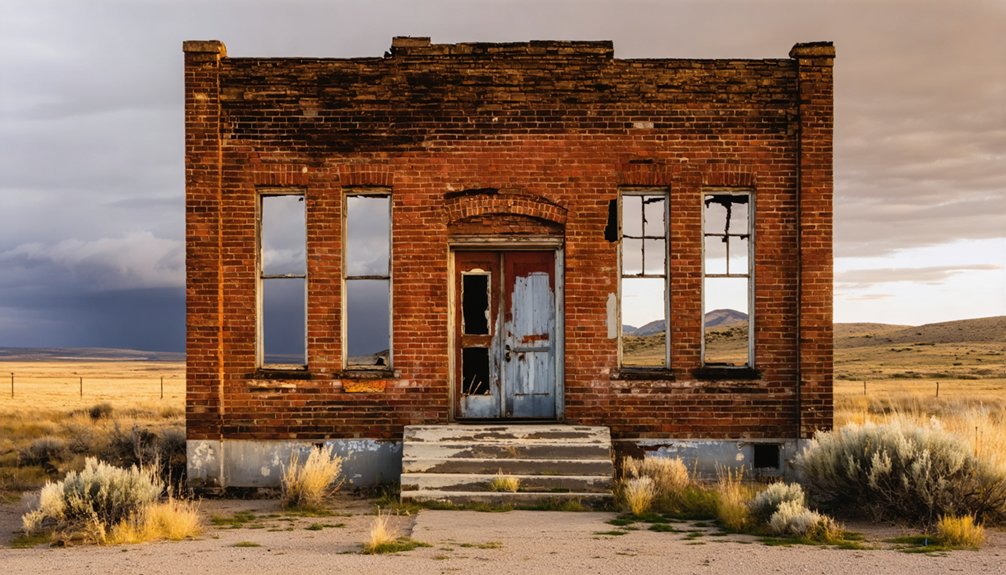
- The site features a two-story store, a schoolhouse, and six remaining houses, most hidden from the road.
- Visit during late spring, summer, or fall, as winter snow makes access difficult and potentially dangerous.
- Exercise caution inside the store due to broken floorboards and unstable stairs; stick to main structural beams.
- Respect the surrounding active farmland, cross fences carefully, and treat the historic site thoughtfully during your visit.
What Was Herbert, Idaho?
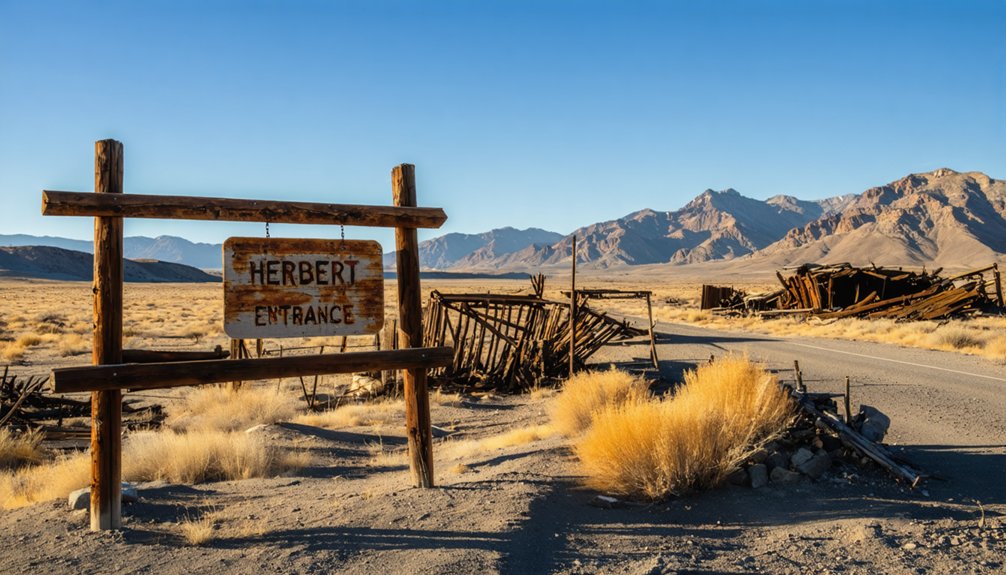
Herbert, Idaho was a small farming town in Madison County that once supported around 150 residents before quietly fading into history by the 1940s. Understanding Herbert history helps you appreciate what you’re actually seeing when you visit.
Residents farmed the land, ran a local store, and sent their kids to a neighborhood schoolhouse — everything a self-sufficient rural community needed.
Town decline came gradually as the automobile changed everything. Once cars made Rexburg and Rigby easy to reach, Herbert lost its purpose. Residents simply packed up and moved toward larger towns with more opportunity.
How to Reach Herbert Ghost Town From Rexburg
Reaching Herbert takes only a few turns from downtown Rexburg, and the whole drive covers roughly 10 miles heading south.
Start on S 2nd E, then turn onto Poleline Rd., followed by 7800 S. You’ll eventually reach a gravel road that leads directly to the site — no four-wheel drive required since the road is classified as 2WD accessible.
Take S 2nd E to Poleline Rd., then 7800 S to a gravel road — standard 2WD gets you there.
For your directions overview, keep a map handy because signage is minimal once you leave the main roads.
A few solid travel tips before you go: visit during late spring, summer, or fall to avoid heavy snowfall that makes access difficult.
You’ll also cross areas near private land, so stay alert for fences, active fields, and crops as you navigate toward the ruins.
The Store, Schoolhouse, and Houses Still Standing at the Site
A few structures still standing at Herbert give the site enough visual interest to justify the detour.
The store history here runs deep — this two-story building on the bluff served residents until the early 1930s before falling quiet. Today you’ll find weak floorboards and a narrow stairwell inside, so step carefully on the main beams if you explore it.
The schoolhouse significance becomes clear when you consider it once anchored a community of around 150 people living and farming this stretch of Idaho.
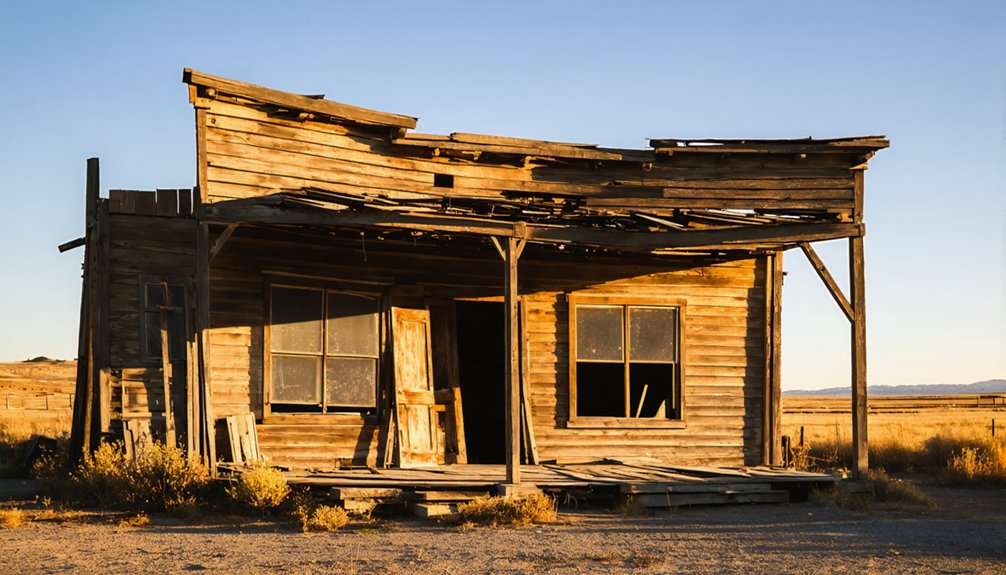
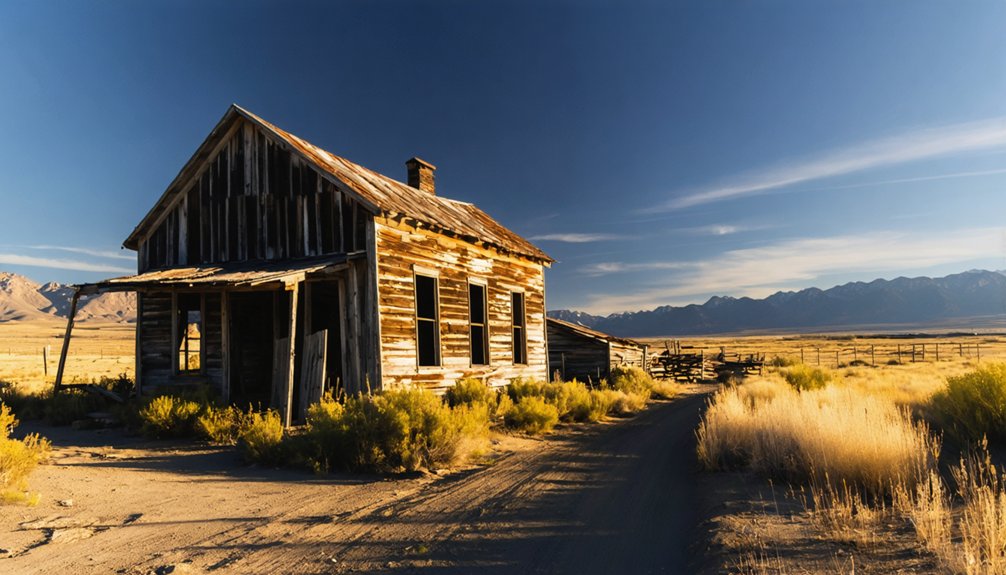
Beyond those two landmarks, six houses remain scattered along the creek, though most aren’t visible from the road. You’ll need to cross a barbed wire fence and walk through a farmer’s field to reach them, so respect the land as you go.
Broken Floors, Barbed Wire, and Private Land: What to Know Before You Go
Knowing what the ruins look like is one thing — knowing how to approach them safely and respectfully is another.
Inside the store, broken floorboards and a narrow stairwell make every step a calculated decision. Stick to the main beams and avoid the stairs entirely if they feel unstable. Basic safety precautions matter here — one wrong step could mean a serious injury far from help.
To reach the house sites, you’ll cross a farmer’s field and a barbed wire fence. Tread carefully, leave gates as you find them, and respect the active agricultural land around you.
Watch for local wildlife moving through the creek corridor. Herbert rewards curious travelers who move through it thoughtfully — not those who treat it like a playground.
The Best Season to Visit Herbert, Idaho
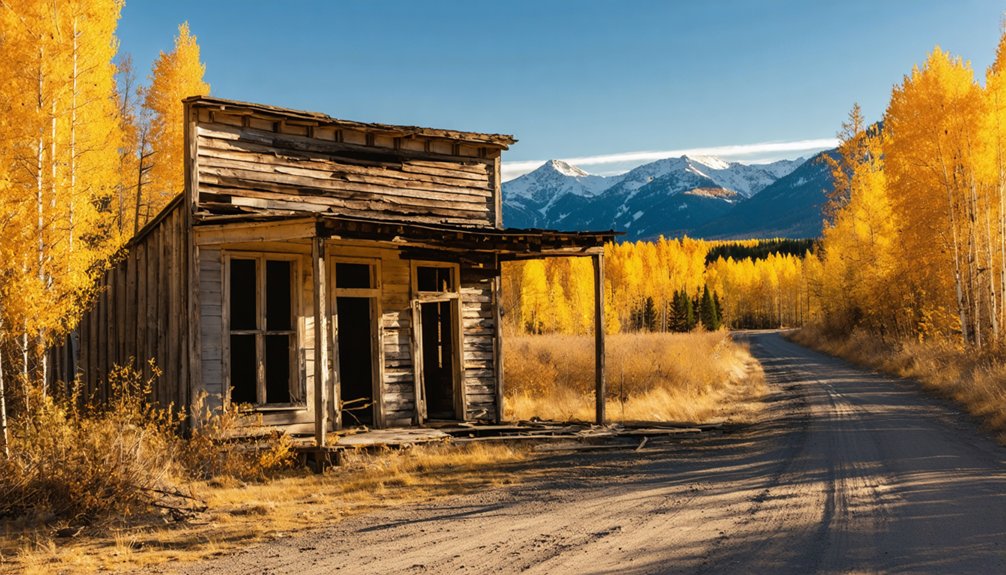
Herbert sits in a part of Idaho that gets buried under serious snow each winter, so timing your visit matters. Your best window runs from late spring through fall, when the roads stay clear and the site stays reachable by a standard 2WD vehicle.
Late spring brings ideal weather for exploring the store, school ruins, and house sites without fighting mud or ice.
Summer opens up the most seasonal activities, letting you walk the farmer’s field, cross the barbed wire fence, and poke around the creek-side foundations at a relaxed pace.
Fall keeps conditions dry while adding crisp air and quieter roads.
Skip winter entirely. Snow closes off the gravel access road and makes the already-hazardous interior of the old store genuinely dangerous.
Frequently Asked Questions
Can You Combine a Herbert Visit With Other Nearby Idaho Ghost Towns?
You can build a thrilling ghost town itinerary around Herbert! Explore nearby attractions like Rigby and Rexburg’s forgotten outposts, weaving through Madison County’s haunted history. Your freedom-fueled adventure awaits just beyond each forgotten bend.
Is There a Fee or Permit Required to Visit Herbert?
You don’t need a fee or permit to explore Herbert’s ghost town preservation site, but respect private land boundaries as you discover Herbert history firsthand — it’s free, accessible, and waiting for your adventurous spirit.
Are Pets Allowed When Exploring the Herbert Ghost Town Site?
No official pet-friendly policies exist for Herbert, but 150 people once called it home! You’ll want to practice ghost town etiquette — keep pets leashed, respect private farmland, and avoid disturbing the fragile remaining structures.
How Long Does a Typical Visit to Herbert Ghost Town Take?
You’ll typically spend 30–60 minutes exploring Herbert’s historical significance. Wander the crumbling store, uncover local legends, and scout house ruins at your own free pace — it’s a short but richly rewarding stop.
Is Photography Allowed at the Herbert Ghost Town Ruins?
No official Herbert site restrictions ban ghost town photography, so you’re free to shoot the haunting store ruins and weathered houses. Just respect private land boundaries and active farmland as you capture the decay.
References
- https://therestofthestory.weebly.com/family/herbert-ghost-town
- https://rexburgfun.com/herbert-ghost-town/
- https://www.ghosttowns.com/states/id/hibbard.html
- https://ptrca.org/2003hertel/
- http://archives.idgenweb.org/history-ghost+towns.html
- https://history.idaho.gov/wp-content/uploads/2018/08/0064.pdf
- https://en.wikipedia.org/wiki/List_of_ghost_towns_in_Idaho
- https://www.ghosttowns.com/states/id/idalpha.html
- https://www.rexburgonline.com/things-to-do/idaho-ghost-towns/
- https://objects.lib.uidaho.edu/ir/ir0004.pdf