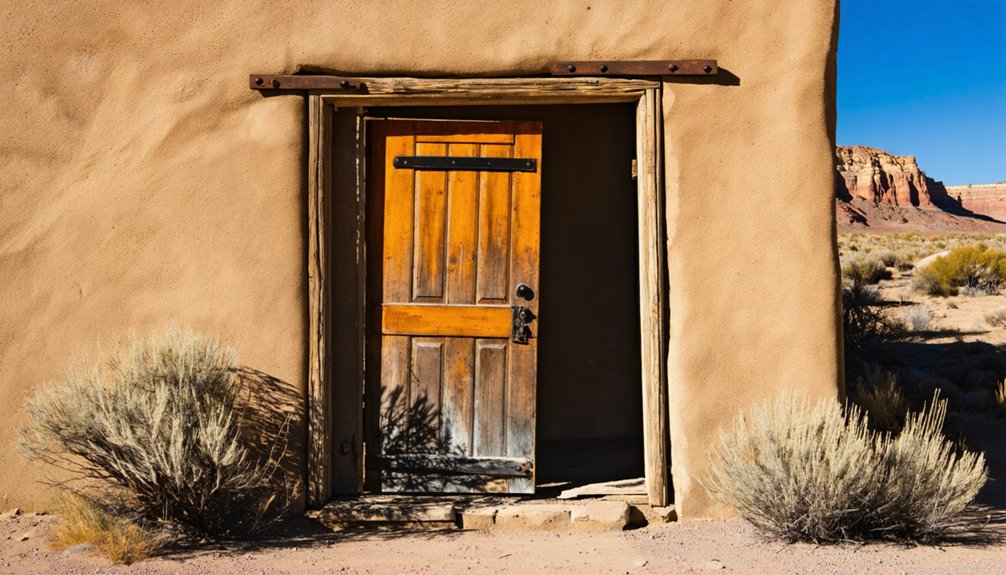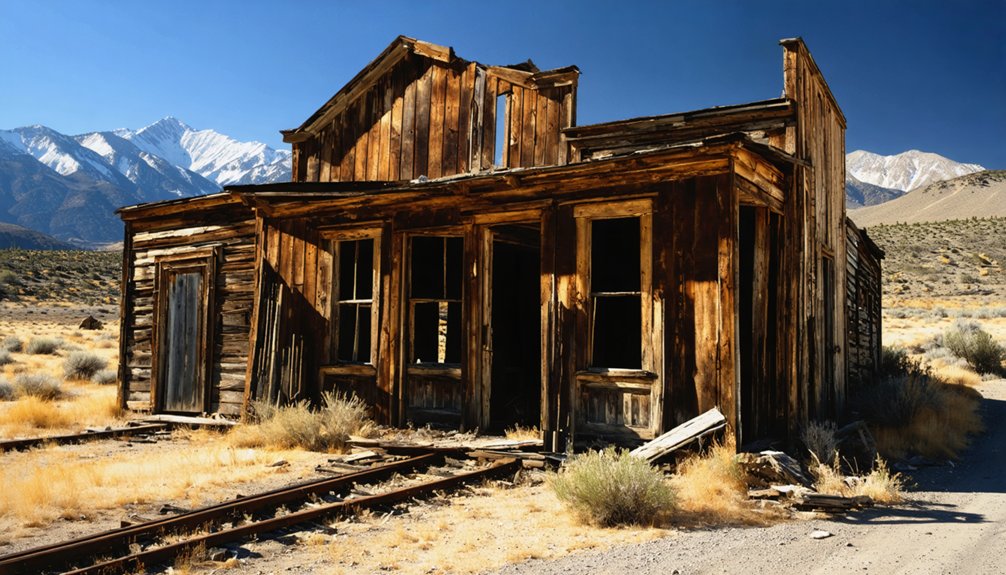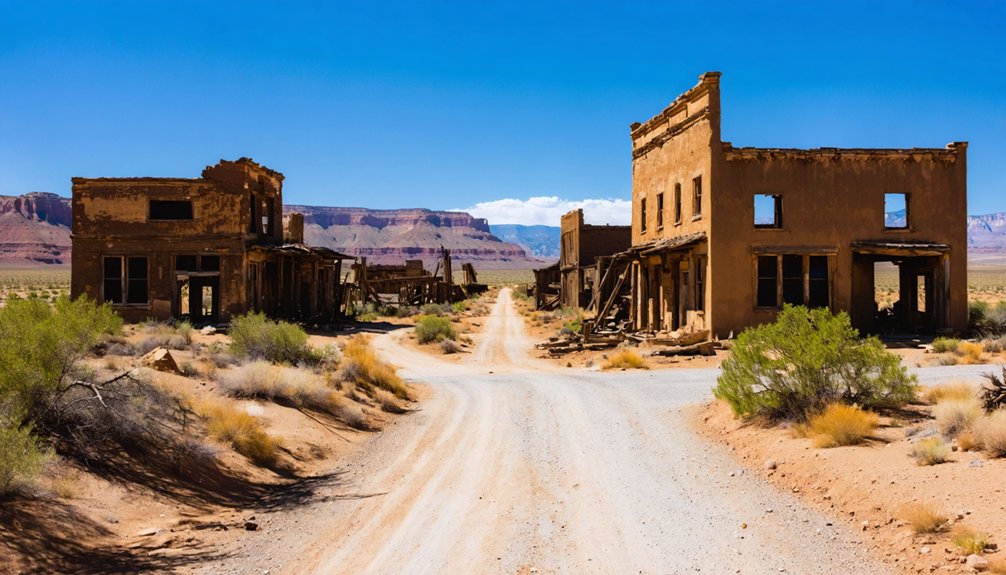
To plan your ghost town road trip to Hite, Utah, drive State Route 95 through Glen Canyon Recreation Area, where drought has slowly exposed the ruins of a once-thriving ferry town swallowed by Lake Powell. Visit between March and May or late September through November to avoid brutal summer heat. Pack extra water, offline maps, and a spare tire — cell service disappears fast out here. There’s a lot more haunting history waiting just around the next canyon bend.
Key Takeaways
- Hite Ghost Town sits along Utah State Route 95 in Glen Canyon Recreation Area, partially revealed by receding Lake Powell waters after years of submersion.
- The best times to visit Hite are late September through November or March through May, avoiding extreme summer temperatures exceeding 100°F.
- Before departing Hanksville, check Utah DOT for road conditions and pack water, food, offline maps, and a spare tire for this remote journey.
- Book primitive BLM campsites through Recreation.gov early, as spots fill quickly; Bullfrog Marina and Blanding motels serve as reliable backup accommodations.
- Combine Hite with nearby ghost towns like Grafton, Sego, and Cisco for a comprehensive multi-day southern Utah historical road trip loop.
What Makes Hite Ghost Town Worth the Drive?
Tucked along Utah State Route 95 in the Glen Canyon Recreation Area, Hite Ghost Town rewards the long drive with layers of history you won’t find anywhere else in the American Southwest.
Hite history runs deep here — this was Utah’s oldest ferry crossing site, now partially swallowed by Lake Powell’s rising waters. You’ll spot ruins still visible from the overlook, remnants of a world the reservoir couldn’t completely erase.
Along the route from Hanksville, canyons deepen dramatically, revealing petroglyphs, ancient pit-house dwellings, and outlaw inscriptions carved into canyon walls.
Ghostly legends follow Hite closely — visitors report phantom footsteps and shadowy figures drifting near pioneer graves.
If you crave raw, unfiltered history wrapped in stunning desert scenery, Hite absolutely earns every mile.
How to Get to Hite Through Glen Canyon’s Back Roads
Getting to Hite means embracing the journey itself. From Hanksville, follow Utah State Route 95 — the Bicentennial Highway — as it winds southward through deepening canyons toward Glen Canyon. The road narrows, the walls rise, and civilization fades behind you.
You’ll cross the Dirty Devil River, pass ancient petroglyphs, and spot pit-house dwellings tucked into side canyons — hidden gems most travelers never slow down enough to notice. Each bend reveals something raw and unfiltered.
Each bend rewards the patient traveler — petroglyphs, pit houses, and river crossings most rushing tourists never pause long enough to find.
The Hite Overlook appears roadside, delivering sweeping views of the abandoned townsite against Glen Canyon’s dramatic backdrop.
No crowds, no entrance kiosks, no itinerary pressure. Just open road, layered sandstone, and history waiting beneath the desert sky. That’s exactly the kind of freedom this drive delivers.
How Hite City Went From Ferry Crossing to Flooded Ghost Town
Before Lake Powell swallowed it whole, Hite City held the oldest ferry crossing in Utah — a rough-and-ready lifeline that connected settlers, miners, and outlaws across the Colorado River‘s churning current.
That ferry history shaped southern Utah’s wild corridors long before paved roads existed.
Then came the dams. Glen Canyon Dam‘s construction flooded the canyon, and Hite City surrendered to rising water.
The flood impact didn’t erase everything — ruins still surface when drought drops Lake Powell’s levels, exposing ghostly remnants of a town that once buzzed with prospectors chasing gold dreams.
When you stand at the Hite Overlook today, you’re peering into layered time.
What the water reveals shifts year to year, making every visit feel like uncovering something the modern world forgot to bury completely.
What You’ll See at the Hite Overlook: Ruins, Views, and Submerged History
Standing at the Hite Overlook, you’re rewarded with one of southern Utah’s most quietly haunting panoramas — fractured canyon walls dropping toward a reservoir that’s both erased and preserved the ghost town below.
Lake Powell’s fluctuating water levels dictate what you’ll actually see. When levels drop, ruins of Hite City’s oldest ferry crossing emerge like bones surfacing through skin.
The Hite Overlook frames this contradiction beautifully — a landscape where pioneer ambition met an uncompromising river, then met an uncompromising dam.
Scan the shoreline for structural remnants, submerged foundations, and the silhouettes of canyon walls that once sheltered outlaws and settlers alike.
The historical significance here isn’t just preserved in ruins; it’s written into the water itself. You’re reading Utah’s layered past in real time.
Petroglyphs, Pit Houses, and Hidden Stops Near Hite on UT-95
The drive along UT-95 toward Hite doesn’t just deliver a ghost town — it hands you an entire archaeological corridor if you know where to slow down.
Pull off near the side canyons and you’ll find petroglyphs whose significance stretches back centuries, carved by people who understood this landscape far longer than any settler ever did.
Look closer and you’ll notice pit house architecture carved into the earth — ancient subterranean dwellings that reveal sophisticated adaptation to desert extremes.
Outlaw inscriptions surface here too, layered alongside indigenous marks like competing footnotes in the same stone ledger.
You’re not just passing through — you’re reading Utah’s deep timeline.
Bring water, wear sturdy shoes, and give yourself permission to wander off-schedule. The canyon rewards curiosity.
When to Visit Hite to Avoid Extreme Heat and Road Closures
You’ll want to time your visit to Hite between late September and early November or in March through May, when desert temperatures stay manageable and the canyon roads along UT-95 remain reliably open.
Summer heat in this stretch of southern Utah can push well past 100°F, turning the exposed overlooks and rocky side canyons into punishing terrain with little shade or water.
Always check road conditions through Glen Canyon Recreation Area before you go, since flash floods and seasonal closures can shut down UT-95 without much warning.
Best Seasonal Visit Windows
Timing your visit to Hite makes all the difference between a rewarding desert adventure and a grueling ordeal.
Southern Utah’s weather patterns swing dramatically — summers along UT-95 regularly push past 100°F, turning canyon walls into radiating ovens that drain energy and supplies fast.
Spring and fall offer the ideal seasonal windows. April through early June delivers mild temperatures, wildflower blooms, and manageable roads through the canyons approaching Dirty Devil River.
September and October bring cooler clarity, perfect for photographing the ruins and petroglyphs without brutal midday heat.
Winter closures occasionally affect UT-95, so check road conditions before committing.
Seasonal activities like photography, rock art exploration, and canyon hiking all perform best outside summer’s extremes.
Plan accordingly, and Hite rewards you generously.
Summer Heat Precautions
Summer in Hite isn’t just uncomfortable — it’s genuinely dangerous. Temperatures regularly breach 105°F, turning canyon rock into a radiating furnace that punishes the unprepared.
If you’re chasing this wild, sun-scorched corner of Utah, go in April, May, or October when the desert breathes easier.
If summer’s your only window, master these summer hydration tips: carry one liter per hour of activity, start drinking before thirst hits, and electrolytes aren’t optional.
Sun safety essentials mean a wide-brim hat, UV-blocking layers, and sunscreen reapplied relentlessly.
Flash floods also spike June through September, occasionally closing UT-95 without warning.
Check road conditions through Utah’s UDOT app before departing Hanksville. The ghost town’s ruins reward the strategic traveler — not the reckless one.
Road Closure Considerations
Before you roll out, check Utah’s UDOT traffic site and current travel advisories — they’ll tell you what’s passable and what isn’t.
Cell service disappears fast once you leave Hanksville, so download offline maps and advisory updates beforehand.
Early October hits a sweet spot: summer’s fury fades, monsoons quiet down, and the canyon light turns golden.
The road opens up, and Hite’s haunted silence is entirely yours.
Road Conditions, Cell Service, and What to Pack for Hite
Driving UT-95 toward Hite puts you on one of Utah’s most dramatic and isolated stretches of pavement, where canyon walls close in and cell service vanishes long before you reach the overlook.
Road conditions can shift seasonally, so check Utah DOT before leaving Hanksville. Once you’re out there, you’re genuinely on your own.
Pack accordingly: extra water, food, a paper map, and a spare tire. Desert temperatures swing hard between morning and afternoon, so layer your clothing. A portable battery bank keeps your camera and emergency contacts charged when signal disappears.
Bring more water than you think you need, a spare tire, and a battery bank. The desert doesn’t negotiate.
You’re trading convenience for raw, unfiltered canyon country, and that’s exactly the point. Hite rewards the prepared traveler with petroglyphs, pioneer ruins, and silence thick enough to remind you what freedom actually feels like.
Where to Stay Near Hite and Glen Canyon Recreation Area
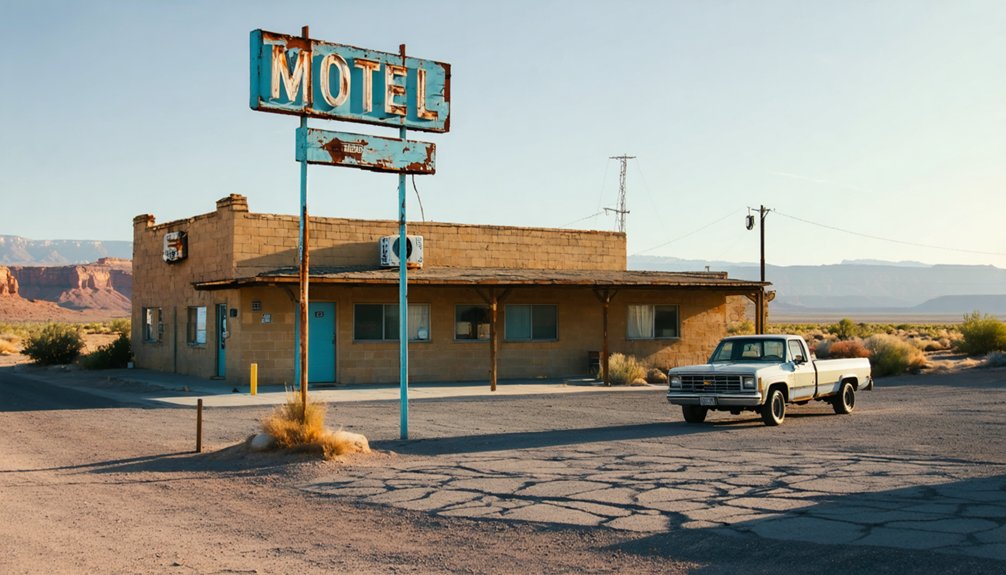
When you’re exploring Hite and the Glen Canyon Recreation Area, you’ll find that camping options range from primitive BLM sites near the canyon rim to more developed campgrounds within the recreation area itself.
If you prefer a roof over your head, Hanksville—your likely launching point along the route—offers modest lodges and motels that serve as solid base camps for early morning departures into the canyons.
Book ahead during peak season, especially if you’re targeting weekends, since remote Utah destinations fill faster than most travelers expect.
Nearby Campgrounds and Lodges
Scattered across the Glen Canyon Recreation Area, a handful of campgrounds and rustic lodges give you a base for exploring Hite’s windswept ruins and the canyon country surrounding it.
Primitive campground amenities at Dirty Devil and Hite Marina keep things honest — vault toilets, no hookups, and skies thick with stars. You’re roughing it the way Utah’s earliest settlers did.
If you’d rather sleep indoors, lodge options in nearby Hanksville offer simple, no-frills rooms that put you within striking distance of UT-95’s ghost town corridor.
Bullfrog Resort, about an hour south, adds more comfort without sacrificing remoteness.
Whichever you choose, wake early, pack water, and let the canyon silence remind you why places like Hite still pull travelers off the map.
Booking Tips for Visitors
Booking a campsite or room near Hite requires more planning than most Utah destinations — availability moves fast, especially in spring and fall when canyon country weather turns cooperative.
Use Recreation.gov for Hite Campground reservations; it’s your primary tool among booking strategies for federal sites. Primitive spots fill within hours of release dates, so set alerts and book early.
If Hite’s full, pivot to Bullfrog Marina or Blanding motels — solid backup options.
Pack your travel essentials: water filtration, extra fuel, paper maps. Cell service disappears along UT-95, and you won’t find last-minute help in these canyons.
This isn’t a destination that forgives poor preparation. Book deliberately, arrive self-sufficient, and you’ll experience Glen Canyon’s raw freedom on your own terms.
How to Combine Hite With Grafton Ghost Town on a Multi-Day Loop
Planning a multi-day southern Utah ghost town loop lets you link Grafton’s restored homesteads near Zion with Hite’s half-submerged ruins in Glen Canyon, covering over 14 hours of total driving distance across some of the West’s most dramatic canyon country.
Start in Rockville, where Grafton History unfolds across five preserved structures dating to 1862, including the iconic adobe schoolhouse framed against pink cliffs. Spend your first day exploring the cemetery and homesteads before heading south along Scenic Routes toward Capitol Reef Country.
On day two, follow UT-95 through narrowing canyon corridors to Hite Overlook, where Lake Powell has partially swallowed the old ferry crossing.
This loop rewards curious travelers who crave wide-open roads, layered history, and landscapes that feel genuinely untamed.
Ghost Towns Worth Adding to Your Hite Road Trip
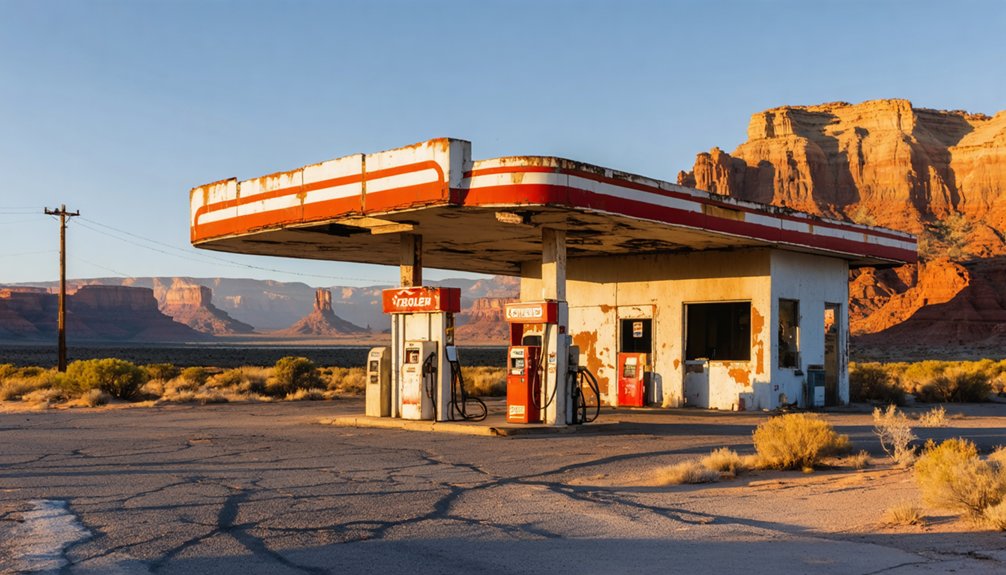
While you’re already threading through canyon country on your way to Hite, a handful of ghost towns cluster close enough to fold into your route without backtracking.
- Grafton near Rockville delivers rich Grafton history alongside jaw-dropping scenic photography opportunities against Zion’s pink cliffs — five restored homesteads still stand.
- Sego, Cisco, and Thompson Springs sit within five miles of each other off I-70, founded during 1880s coal mining booms and easily combined into one stop.
- Old Irontown makes a worthy leg-stretch between destinations, adding industrial pioneer grit to your canyon narrative.
Each site rewards curiosity differently — crumbling adobe, pioneer graves, outlaw inscriptions.
Keep your camera ready and your schedule loose. Canyon country doesn’t rush, and neither should you.
Frequently Asked Questions
Is Hite Ghost Town Suitable for Young Children or Elderly Visitors?
Hite’s rugged canyon terrain presents safety considerations for elderly visitors and young children. You’ll find limited family friendly activities here, so plan carefully, embrace the adventure, and guarantee everyone’s comfort before exploring this remote, historically-rich ghost town.
Are Drones Allowed for Photography Over Hite’s Ruins and Overlook?
The knowledge doesn’t confirm drone regulations at Hite, so check with Glen Canyon Recreation Area before flying. You’ll capture stunning photography tips by shooting from the overlook, where history’s freedom spirit soars above ancient ruins.
Can You Swim or Boat Near the Submerged Hite City Ruins?
You can boat and swim near Hite’s submerged history, though Lake Powell’s fluctuating levels affect access. Strap on your GoPro, immerse yourself in these water activities, and you’ll feel the ghostly pioneer spirit beneath you!
Are There Guided Tours Available Specifically for Hite Ghost Town?
You won’t find formal guided tours at Hite, but that’s the adventure — you’ll explore its historical significance independently, uncovering local legends of outlaws and ancient petroglyphs on your own liberated, self-directed terms.
Is Hite Ghost Town Accessible for Visitors With Mobility Limitations?
Hite’s rugged terrain is a wild river to navigate with mobility challenges — but you’ll find the overlook on UT-95 offers accessible accessibility features, letting you soak in canyon views without strenuous effort.
References
- https://www.visitutah.com/places-to-go/parks-outdoors/zion/outdoor-experiences/grafton-trail
- https://myhikes.org/trails/grafton-ghost-town
- https://www.onlyinyourstate.com/trip-ideas/utah/road-trip-ut-ghost-towns
- https://www.tripadvisor.com/Attractions-g28965-Activities-c47-t14-Utah.html
- https://www.canyoneeringusa.com/zion/hikes/grafton
- https://www.youtube.com/shorts/N3-7XLgZBAk
- https://www.utahlifemag.com/blog/post/4-ghost-towns
- https://capitolreefcountry.com/blog/off-the-beaten-path-hanksville-to-hite/
- https://eldergibbous.substack.com/p/learning-from-hite