Marys Igloo isn’t a road trip — it’s an expedition into Alaska’s raw past. There are no paved roads leading to this Seward Peninsula ghost town, so you’ll navigate the Kuzitrin River by boat in summer or cross frozen overland trails from Teller in winter. What awaits you are abandoned gold rush structures, ancient Inupiat heritage, and wilderness that hasn’t changed much since 1900. Stick around to uncover everything you need to plan your journey.
Key Takeaways
- Marys Igloo has no paved road access, requiring wilderness travel by boat in summer or snowmachine in winter.
- Use Teller, located 40 miles northwest, as your base for supplies, guides, and local knowledge.
- Summer access is via the Kuzitrin River by boat; winter travel follows frozen overland paths from Teller.
- The ghost town features abandoned gold rush-era structures, including old stores and churches, with no living community.
- Hire a local guide familiar with seasonal terrain conditions to navigate safely to Marys Igloo.
What Makes Marys Igloo Alaska Worth the Trip?
Tucked into the remote Seward Peninsula of northwestern Alaska, Marys Igloo rewards the adventurous traveler with something increasingly rare — a place where history hasn’t been curated or commercialized, just left to exist.
You’ll walk through a ghost town born from the 1900 gold rush, where abandoned structures still whisper stories of miners seeking fortune.
The indigenous heritage runs deep here — the Inupiat people called this place Kauwerak long before prospectors arrived.
Beyond the history, you’ll find yourself drawn into the rhythm of seasonal activities that locals from Teller still practice today — fishing, hunting, and connecting with land that demands respect.
Here, the land doesn’t entertain you — it calls you into its seasonal rhythms of fishing, hunting, and quiet belonging.
This isn’t a packaged experience. It’s raw, honest, and entirely yours to discover.
The Gold Rush History That Turned Marys Igloo Into a Ghost Town
Before you can fully appreciate what Marys Igloo has become, you need to understand what turned it into a ghost town in the first place.
In 1900, gold mining transformed this quiet Inupiat settlement into a regional hub almost overnight.
Three milestones defined its historical significance:
- 1900 — Prospectors flooded the Kuzitrin River basin, launching the first wave of gold mining activity.
- Peak Era — Trade stores and a post office opened, making Marys Igloo a crucial supply point for miners and trappers.
- Decline — When the gold dried up, so did the population, leaving behind empty buildings and silence.
What remains today is raw, unfiltered history waiting for you to explore it on your own terms.
How to Actually Get to Marys Igloo
Getting to Marys Igloo isn’t like plugging a destination into Google Maps and cruising down a highway. No paved roads connect this ghost town to the outside world, so you’ll need to embrace the wilderness on its own terms.
Your primary access routes depend heavily on seasonal conditions. In summer, the Kuzitrin River becomes your highway, navigable by boat from the surrounding Seward Peninsula lowlands.
Winter opens frozen overland paths used by hunters and fishermen traveling from Teller, roughly 40 miles northwest.
Most travelers base themselves in Nome or Teller before heading out. Local guides familiar with the terrain are invaluable here.
The river shifts, the landscape challenges, and the isolation demands respect. This isn’t a casual detour — it’s a deliberate journey into Alaska’s raw, unfiltered frontier.
What’s Left at Marys Igloo Today?
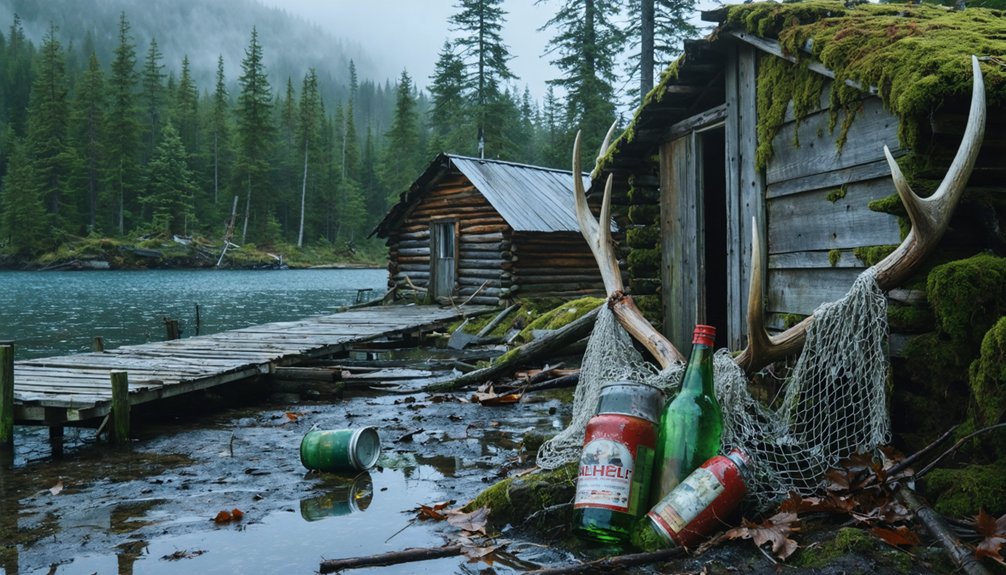
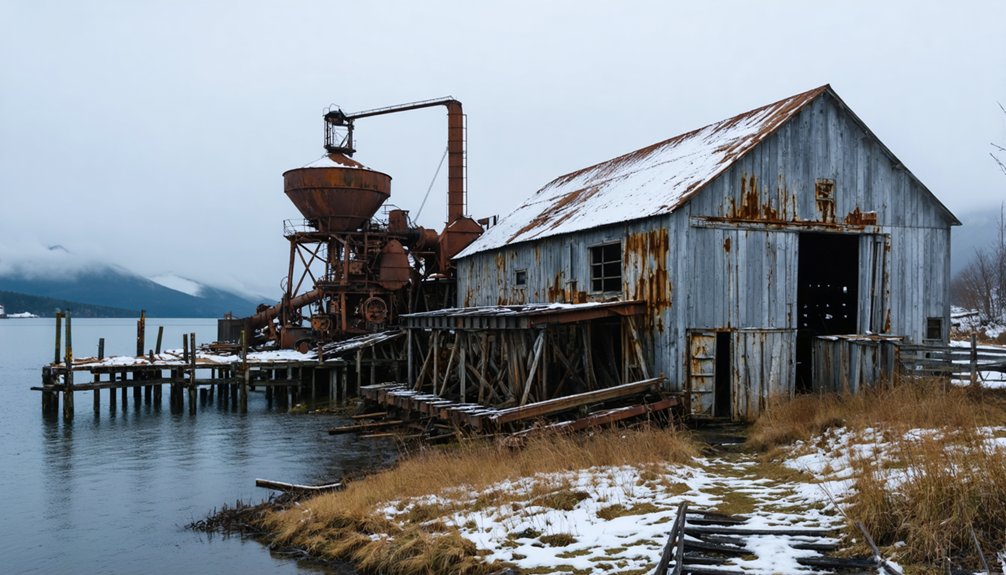
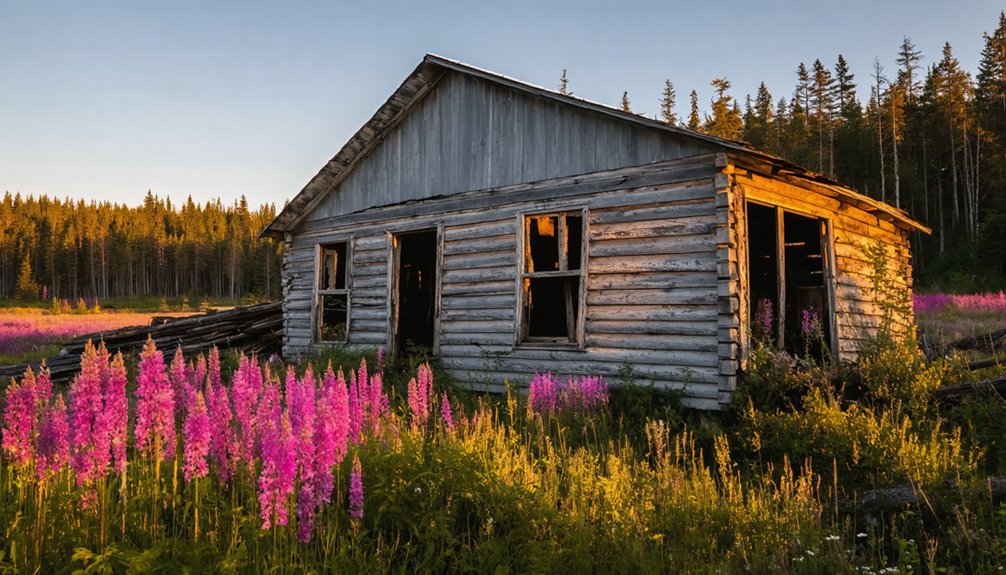
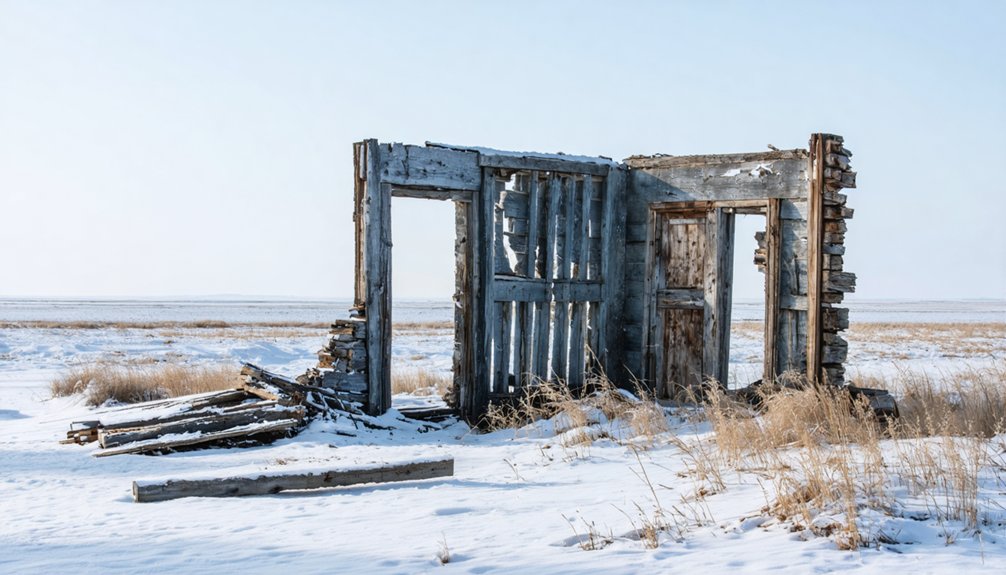
What remains at Marys Igloo today is a ghost town in the truest sense — abandoned structures scattered across the Kuzitrin River bank, silent witnesses to a gold rush era that burned bright and faded fast.
You won’t find a living community here, but you’ll find layers of history worth exploring:
- Abandoned structures — weathered buildings, including remnants of old stores and churches, still stand as raw monuments to the 1900 mining boom.
- Seasonal activities — Teller residents return each summer for fishing and hunting, keeping the land alive despite the silence.
- Indigenous roots — the ancient Inupiat settlement of Kauwerak predates every gold rush story told here.
This place doesn’t perform for visitors. It simply exists, unapologetically wild and forgotten.
How to Use Teller as Your Base for Marys Igloo
Teller sits roughly 40 miles northwest of Marys Igloo, and it’s the closest thing to a launchpad you’ll find in this remote corner of the Seward Peninsula.
Use Teller amenities to stock up on supplies before heading southeast toward the ghost town. The village offers basic provisions, local knowledge, and connections to guides who know the Kuzitrin River terrain intimately.
Seasonal activities shape your timing here — summer opens river access by boat, while winter transforms the landscape into a frozen corridor for snowmachines.
Many Teller residents are descendants of the original Kauweramiut people who once called Marys Igloo home, so conversations here carry real historical weight.
Respect that connection, travel prepared, and let Teller anchor your expedition into Alaska’s forgotten gold rush past.
Frequently Asked Questions
What Is the Best Time of Year to Visit Marys Igloo?
Summer’s your golden window! You’ll find the best weather for traversing the Kuzitrin River, and seasonal activities like fishing and hunting echo the freedom of those bold 1900s gold rush pioneers who first called this place home.
Are There Any Permits Required to Visit Marys Igloo Today?
No official permit requirements exist for visiting Mary’s Igloo, but you’ll want to respect visiting regulations and private property. This ghost town’s freedom-filled, historically-grounded spirit welcomes adventurous souls who tread lightly on its sacred, abandoned ground.
What Should Visitors Pack for a Trip to Marys Igloo?
Pack essential gear for Arctic survival—you’ll need layered clothing for brutal weather considerations, sturdy boots, fishing tackle, and hunting supplies. Don’t forget provisions; Mary once kept coffee ready, but you’re forging your own frontier freedom here.
Is Marys Igloo Protected as a Historical or Cultural Landmark?
No official landmark status exists, but Mary’s Igloo carries undeniable historical significance and rich cultural heritage. You’ll discover an Inupiat legacy frozen in time, where gold rush echoes and indigenous traditions still breathe life into this untamed Alaskan wilderness.
Can Visitors Camp Overnight Near the Marys Igloo Site?
You can camp overnight near Mary’s Igloo, but check Alaska’s camping regulations first. No formal overnight accommodations exist, so you’ll embrace true wilderness freedom where gold rush ghosts once roamed this hauntingly remote Kuzitrin River basin.
References
- https://www.pilgrimhotsprings.com/kauweramiut
- https://en.wikipedia.org/wiki/Pilgrim_Hot_Springs
- https://en.wikipedia.org/wiki/List_of_ghost_towns_in_Alaska
- https://alaska.guide/village/marys-igloo
- http://wikimapia.org/17630623/Mary-s-Igloo-AK
- https://www.youtube.com/watch?v=7Jc-AooqtiA
- http://soundprint.org/global_perspectives/nature_in_balance/mary_igloo.phtml
- https://www.reddit.com/r/abandoned/comments/1mmh1wv/abandoned_igloo_in_alaska/
- https://live.laborstats.alaska.gov/sites/default/files/trends/may24art2_0.pdf
- https://www.mapquest.com/us/alaska/marys-igloo-traditional-council-536774792