Planning a ghost town road trip to Old Orogrande means committing to a three-hour, 62-mile drive from Elk City through rugged Idaho backcountry. You’ll navigate gravel forest roads to reach a site where the 1894 gold rush left behind weathered cabins, scattered relics, and the crumbling 1899 Colgrove Hotel. Go in summer, pack emergency supplies, and bring a capable vehicle. There’s far more to know before you hit that gravel road.
Key Takeaways
- Old Orogrande is located 62 miles from Elk City via State Highway 14, taking approximately three hours on gravel forest roads.
- Summer months, particularly July through early September, offer the best access, long daylight hours, and optimal road conditions for visiting.
- Use a capable vehicle, avoid large RVs or trailers, and carry offline maps, water, food, a first-aid kit, and a spare tire.
- The 1899 Colgrove Hotel stands as the town’s centerpiece, but visitors should avoid entering due to rotted floors and fragile walls.
- Combine your visit with nearby Elk City, Dixie, and Buffalo Hump for an immersive backcountry mining history circuit.
Old Orogrande: Idaho’s Forgotten Gold Rush Oasis
At its peak, the town buzzed with commerce fueled by both placer and lode mining, with roughly $70,000 in recorded gold production flowing through by the 1930s.
Today, ghost town preservation efforts keep its memory alive — most especially through the surviving 1899 Colgrove Hotel.
When you visit, you’re not just sightseeing. You’re stepping into living mining heritage, reading the landscape like a chapter of Idaho’s wild, unfiltered past.
The History Behind Old Orogrande and the Buffalo Hump Mining Boom
When you trace Orogrande’s origins back to 1894, you’ll find a Frenchman named Pete Johnson staking the first claims in this remote Idaho wilderness.
The Buffalo Hump mining boom that followed transformed the area into a roaring trade corridor, earning Orogrande its reputation as the “Oasis of Trade” for the entire district.
You’re fundamentally walking ground where miners once spent their hard-won gold, with an estimated $70,000 passing through the town’s economy before the boom finally faded.
Pete Johnson’s 1894 Discovery
Here’s what made his find remarkable:
- Mining techniques Johnson used drove production that reportedly yielded $69,598 in gold between 1894 and 1923.
- Local legends surrounding the strike drew prospectors from across the West, fueling the Buffalo Hump boom.
- Orogrande quickly earned the title “Oasis of Trade” for an entire mining district.
When you stand on that ground today, you’re standing where one man’s gamble reshaped Idaho’s backcountry forever.
Buffalo Hump Mining Boom
Johnson’s discovery didn’t exist in a vacuum — it ignited something much larger. The Buffalo Hump Mining Boom of the late 1890s transformed this remote Idaho wilderness into a buzzing corridor of ambition and sweat.
Miners flooded the region, hauling in evolving mining technology — sluice boxes, stamp mills, and hydraulic equipment — to wring gold from stubborn terrain.
Orogrande sat at the heart of it all, earning its reputation as the district’s “Oasis of Trade.” You can almost hear the deals being struck and local legends being born in the hotel corridors and canvas saloons.
Orogrande’s Trade Legacy
Here’s what made Orogrande’s trade legacy remarkable:
- $640,000+ in estimated mining output flowed through the district.
- Both placer and lode mining techniques sustained production from 1894 into the 1940s.
- The town served as the primary commercial hub connecting Buffalo Hump’s scattered claims.
When you stand in that quiet meadow today, remember — this wasn’t just a mining camp. It was a living, breathing frontier economy carved from wilderness.
What’s Left to See at Old Orogrande Today?
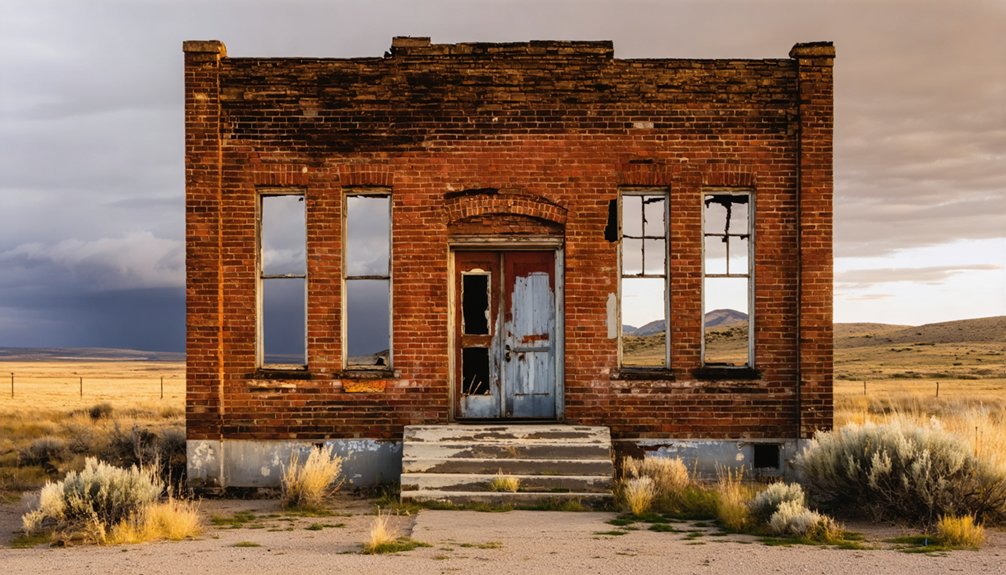
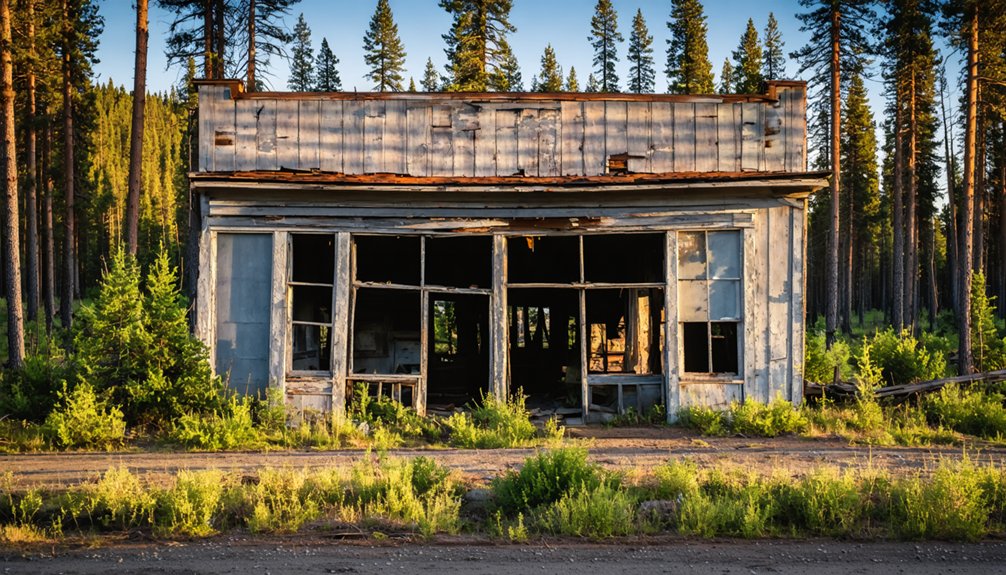
Though time and wilderness have reclaimed much of Old Orogrande, you’ll still find enough standing to spark your imagination. The crown jewel is the Colgrove Hotel, a two-story structure built in 1899 that still commands attention amid the surrounding forest.
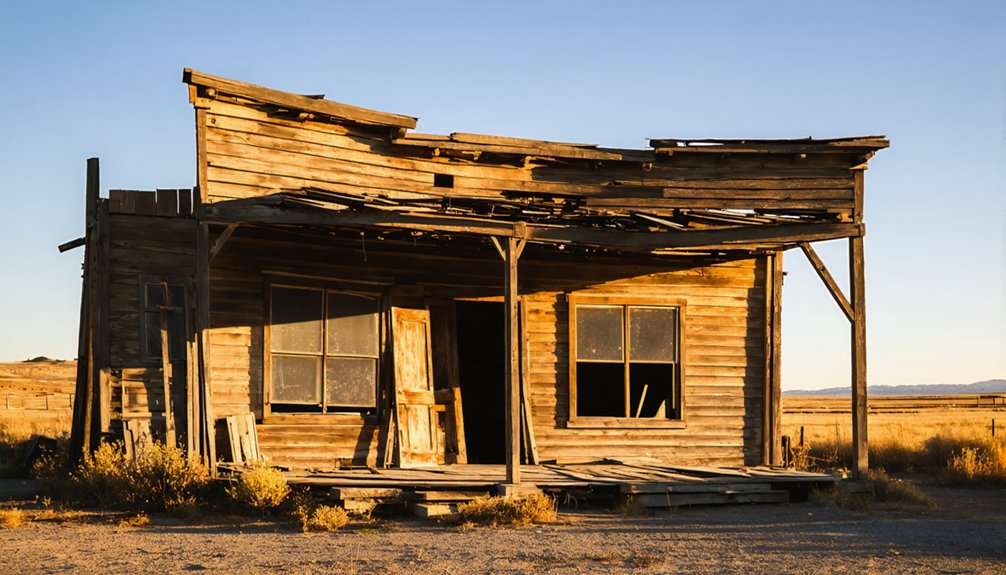
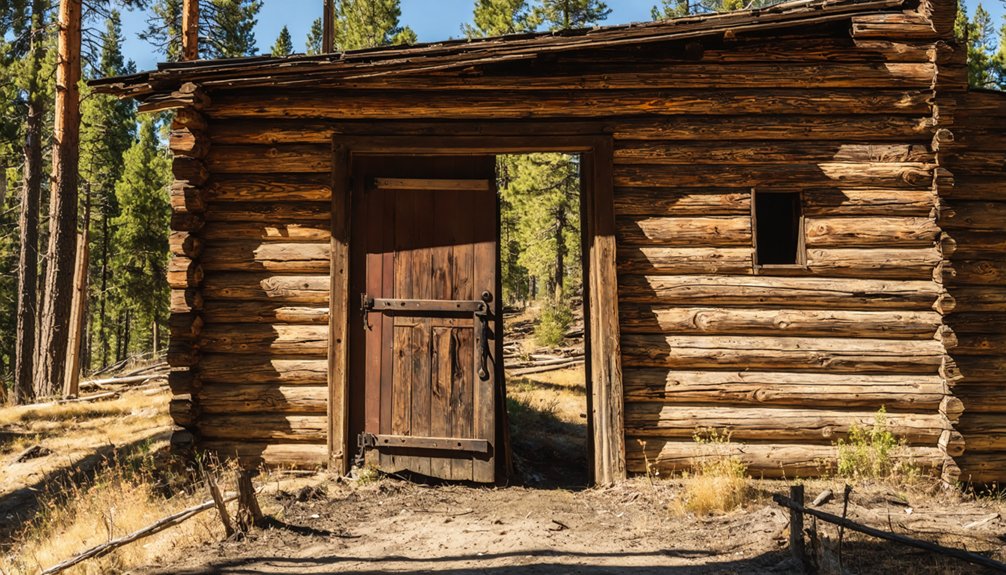
Several cabins dot the meadow, their weathered logs telling quiet stories of miners who once traded gold for supplies in this remote boomtown. Mining relics scattered across the site reward those willing to look closely.
You’ll walk forest trails that once carried pack mules loaded with Buffalo Hump ore. It’s raw, unpolished history — no interpretive center, no gift shop. Just crumbling wood, mountain air, and the satisfying weight of standing somewhere most people will never bother to find.
How to Get to Old Orogrande From Elk City
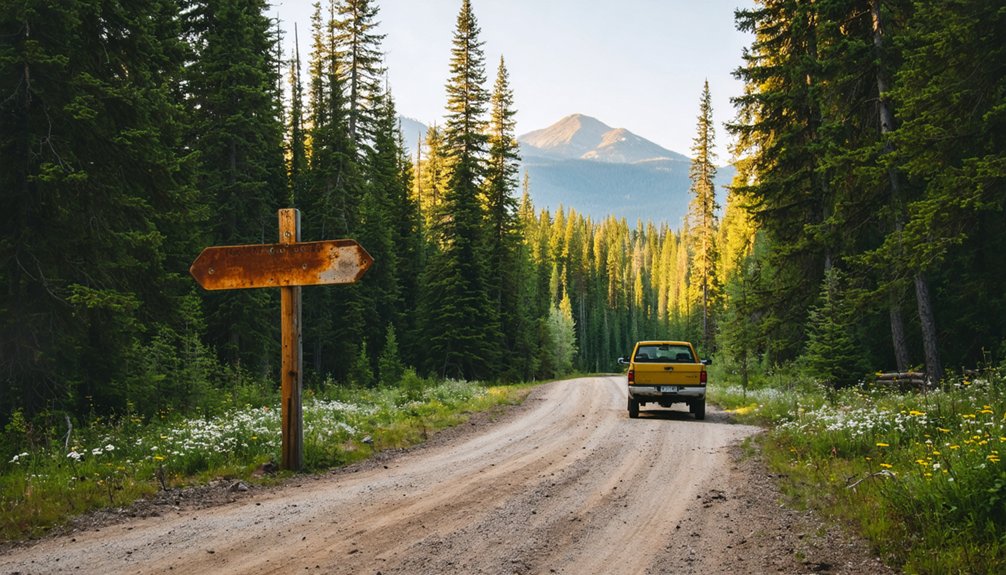
Getting there’s half the adventure. From Elk City, you’ll follow State Highway 14, then wind onto gravel forest roads toward Old Orogrande. The 62-mile route takes roughly three hours, threading through dense timber, local flora, and mountain terrain that hasn’t changed much since miners hauled gold out on horseback.
Watch for these essentials before you go:
- Skip the large RV or trailer — tight corners and rough gravel will punish oversized rigs
- Expect logging traffic — blind corners demand your full attention
- Watch for wildlife sightings — elk, deer, and other backcountry residents share this road
You’re not driving to a tourist stop. You’re pushing into remote Idaho history, and the road makes sure you earn it.
Can a Regular Car Make This Drive?
Most regular cars can handle this drive, but you’ll want to be honest about your vehicle’s clearance and your comfort with gravel roads before you commit to the full route.
The 62-mile stretch runs mostly gravel, takes around three hours, and throws blind corners and occasional logging trucks into the mix. Low-clearance sedans risk scraping bottom on rougher sections, especially after spring runoff softens the road bed.
Leave the trailer behind — the tight corridors don’t forgive wide loads. If you’re rolling in something sensible and capable, you’ll reach the meadow, the standing cabins worth your attention for cabin preservation alone, and the gold panning history embedded in every creek bend.
The road demands respect, but it rewards anyone willing to push past pavement.
When Should You Actually Go to Old Orogrande?
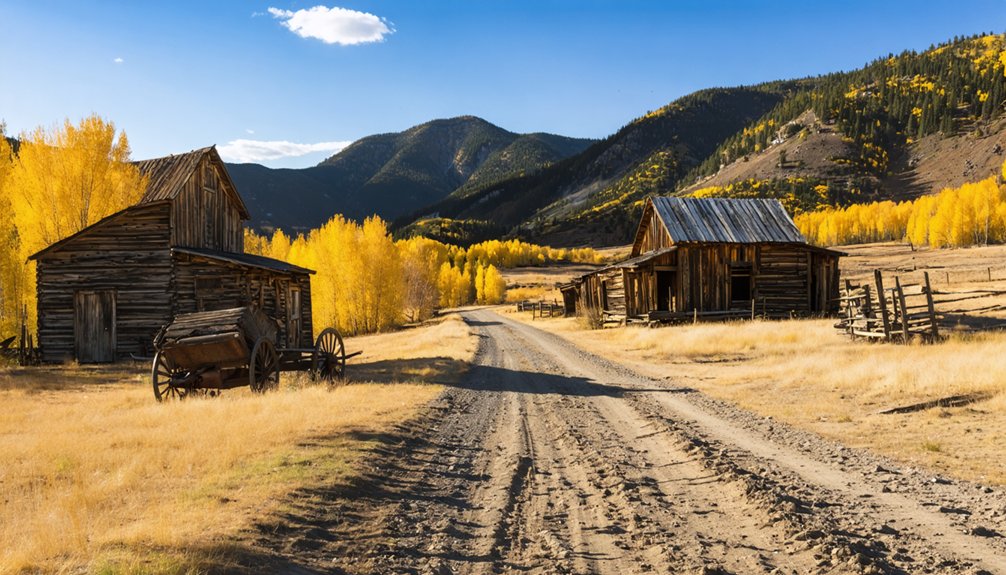
Summer is your window for this trip — typically July through early September, when the gravel roads have dried out and the mountain passes are clear.
Spring snowmelt and fall storms can close forest service roads with little warning, and winter shuts the route down entirely.
Time your visit right, and you’ll trade mud and ice for open roads, wildflower meadows, and the ghost town exactly as it deserves to be seen.
Best Season To Visit
Because Old Orogrande sits deep in Idaho’s remote backcountry, timing your visit makes the difference between a memorable adventure and a frustrating dead end. Snow locks these mountain roads well into spring, and winter erases any trace of the gold rush legends that once drew miners hauling primitive mining technology through these same passes.
Your best window runs late June through September. Here’s what each phase offers:
- Late June – Snowmelt clears routes, wildflowers peak, and crowds stay minimal.
- July–August – Peak access, longest daylight, best cabin and hotel photography conditions.
- Early September – Cooler temperatures, fall color beginning, logging traffic drops markedly.
Don’t gamble on shoulder seasons. Check road conditions with Idaho County before you commit.
Winter Road Closures
Winter doesn’t politely knock before arriving in Idaho County — it slams the door on those gravel roads and doesn’t reopen them until late spring, sometimes June. Snow buries everything: the mining equipment scattered across the landscape, the historical markers along the Crooked Creek corridor, the Colgrove Hotel itself.
You won’t reach Old Orogrande between November and May without serious backcountry winter gear and genuine risk. Plan your visit for late June through early September, when the 62-mile gravel route becomes manageable and the meadows surrounding the townsite open up.
July and August give you the longest daylight windows and the driest road conditions. Don’t gamble on a shoulder-season run — the mountains here don’t negotiate, and getting stranded means real consequences.
What to Pack for the Old Orogrande Drive
Before you head out on this 62-mile gravel route into Idaho’s remote backcountry, pack like someone who takes the road seriously. Blind corners, logging traffic, and shifting forest road conditions don’t forgive light preparation.
- Navigation tools – Cell service vanishes fast. Carry a paper map or downloaded offline GPS route from Highway 14 to the Orogrande corridor.
- Emergency supplies – Pack water, food, a first-aid kit, and a spare tire. The nearest help is hours away.
- Camera and respect – Document the Colgrove Hotel and remaining cabins thoughtfully. Active preservation efforts depend on visitors honoring historical artifacts rather than disturbing them.
You’re not just driving into wilderness. You’re driving into a story that gold built and time nearly erased.
Downed Structures and No Trespassing: What to Know On-Site
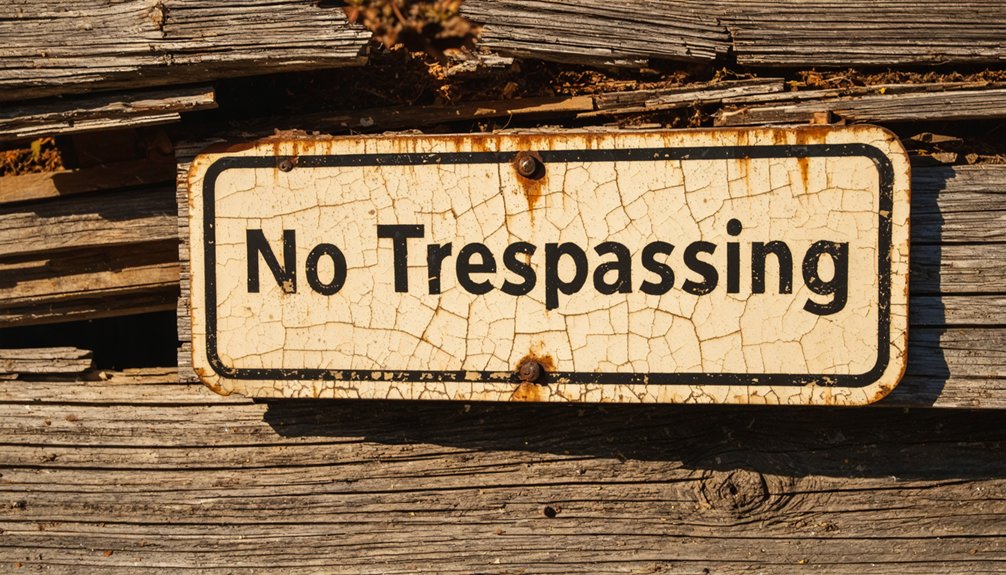
Once you’ve pulled off Highway 14 and the gravel has turned to something rougher and quieter, you’re entering ground that hasn’t answered to much oversight in decades. The Colgrove Hotel still stands, two stories of 1899 timber holding its shape, but don’t push your luck inside. Rotted floors and compromised walls don’t negotiate. Posted signs mean what they say — respect them.
Watch where you step around the remaining cabins. Wildlife encounters happen here; this is their terrain more than yours. Don’t disturb mineral preservation sites or pocket anything. Federal and state laws protect historic artifacts, and that includes ore samples and structural remnants.
Photograph everything. Touch very little. The freedom this country offers comes with an unspoken agreement — leave it as intact as you found it.
Nearby Ghost Towns to Combine: Elk City, Dixie, and Buffalo Hump
Old Orogrande doesn’t have to be a destination — it can be an anchor. Build your route around it and suddenly you’ve got a full backcountry circuit through Idaho mining history.
Three nearby stops worth adding:
- Elk City – A living gateway town with interpretive history on the Buffalo Hump boom, mining relics, and forest trails leading deeper into the district.
- Dixie – Remote, quiet, and raw. One of Idaho’s most isolated communities, still wearing its gold-rush bones.
- Buffalo Hump – The district’s namesake and its wildest chapter, where the rush peaked hard and collapsed just as fast.
Each stop adds context.
Together, they turn a single ghost town visit into something that actually feels like discovery.
Frequently Asked Questions
Is There Cell Service Along the Route to Old Orogrande?
Don’t count on cell service out here — signal strength drops fast once you leave civilization behind. You’re venturing into Idaho’s wild backcountry, where miners once roamed free, completely untethered. Embrace it.
Are There Any Camping Spots Near Old Orogrande?
With $640,000 in gold mined nearby, you’ll find dispersed camping close to historical landmarks and local legends. Pitch your tent freely along forest service roads — you’re in Idaho’s rugged backcountry, where adventure’s always yours to claim.
Who Owns the Land Where Old Orogrande Currently Sits?
The land ownership history of Old Orogrande blurs private vs. public lines—you’ll find it’s largely under Forest Service jurisdiction. So you’re free to explore this rugged, untamed slice of Idaho’s golden past!
Is Old Orogrande Listed on Any Historic Preservation Registers?
The knowledge doesn’t confirm Old Orogrande’s listing on historic registers, but its historical significance and surviving architectural features like the 1899 Colgrove Hotel make it worthy of your independent exploration and preservation advocacy.
Are Guided Tours of Old Orogrande Available Through Any Organization?
No guided tours exist—because who needs historical significance explained when you can forge your own path? You’ll uncover local legends yourself, wandering freely through Orogrande’s rugged, gold-dusted silence like a true backcountry adventurer.
References
- https://dustywindshield.wordpress.com/2016/09/10/orogrande-mining/
- https://www.youtube.com/watch?v=sAmGw5H1VBQ
- https://history.idaho.gov/wp-content/uploads/2018/08/0064.pdf
- https://visitidaho.org/things-to-do/ghost-towns-mining-history/
- https://www.ghosttowns.com/states/id/oldorogrande.html
- https://www.facebook.com/groups/397526214154529/posts/1228273061079836/
- https://www.youtube.com/watch?v=84TgcOoREK8
- https://en.wikipedia.org/wiki/List_of_ghost_towns_in_Idaho
- https://ceb.wikipedia.org/wiki/Old_Orogrande_Mine