Perkins Township on Swan Island, Maine, is one of New England’s most hauntingly preserved ghost towns — and it’s worth every paddle stroke to reach it. You’ll cross the Kennebec River by boat, explore five colonial homes frozen in arrested decay, and wander an overgrown cemetery thick with memory. The island’s open from May through October, and wildlife roams freely where families once farmed. Everything you need to plan your visit is just ahead.
Key Takeaways
- Perkins Township on Swan Island is a ghost town with five historic homes, a cemetery, and colonial ruins open May through October.
- Access requires crossing the Kennebec River by kayak, canoe, motorboat, or chartered ferry from Richmond’s boat ramp.
- No food or water resupply exists on the island; pack all essentials including life jackets and waterproof maps.
- Historic structures cannot be entered, but hiking trails, dirt roads, and grassy fields are open for exploration.
- Ten campsites with fireplaces and lean-tos are available; reservations required through Maine Department of Inland Fisheries and Wildlife.
What Is Perkins Township on Swan Island, Maine?
Perkins Township is a ghost town frozen in time on Swan Island, a remote stretch of land in the Kennebec River near Richmond, Maine. Established in the 1700s as an agricultural community, it once supported nearly 100 residents before economic hardship and river pollution quietly drove the last families away by the 1940s.
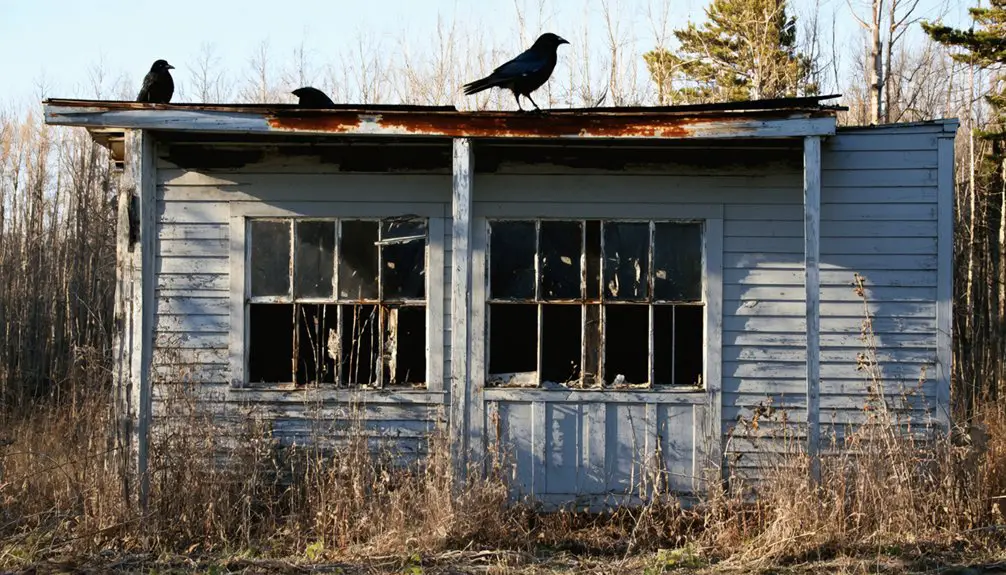
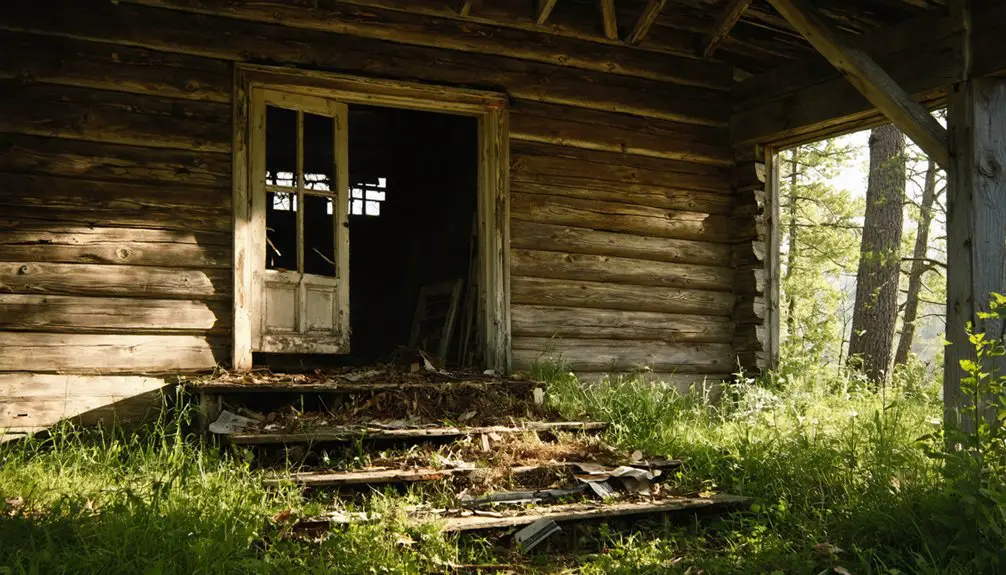
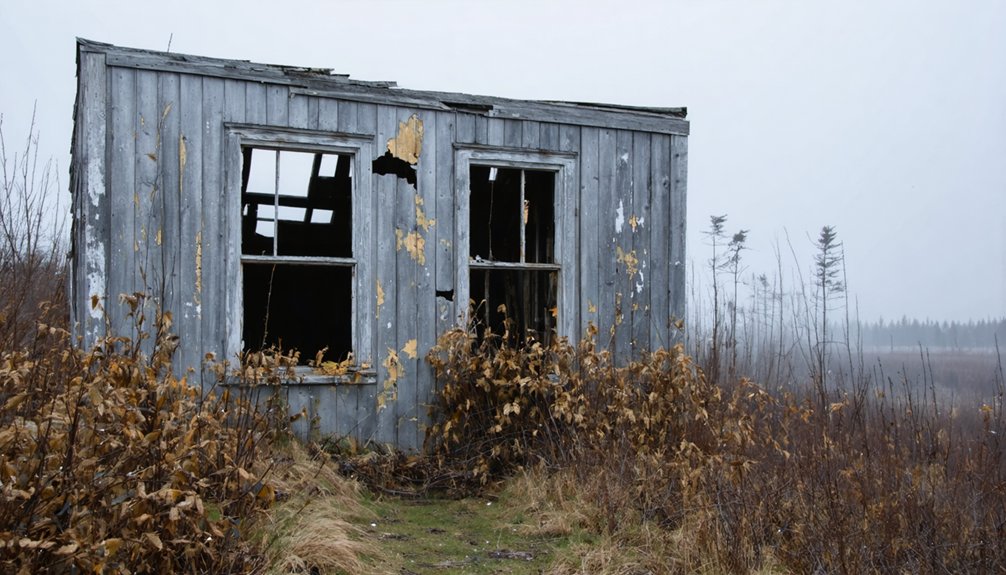
What remains are five preserved historic homes, an island cemetery, colonial-era ruins, and a landscape that’s surrendered itself to arrested decay. Nobody restored it. Nobody demolished it. Swan Island simply stopped, and the wilderness moved back in.
For travelers who crave untamed history and genuine solitude, Perkins Township offers something increasingly rare — a place where the past isn’t curated for comfort, but left raw, honest, and completely your own to discover.
Best Time of Year to Visit Swan Island
Swan Island opens its gates each year from May 1 through the end of October, and that window isn’t arbitrary — it mirrors the rhythms of a place still governed by seasons rather than schedules.
The best visiting months fall between late May and early September, when the Kennebec River runs cooperative and the island’s wetlands pulse with seasonal wildlife activities — nesting birds, browsing deer, and the quiet theater of a recovering ecosystem.
Autumn visits carry their own gravity; October’s light falls differently on abandoned houses, and the thinning foliage reveals structural details that summer conceals.
You’ll want to arrive prepared, unhurried, and genuinely curious. Swan Island rewards those who understand that visiting a ghost town isn’t tourism — it’s bearing witness.
How Swan Island Became a Ghost Town
What’s now a ghost town was once a living, breathing community — Perkins Township, established in the 1700s along the Kennebec River, incorporated in 1763 and named after Boston merchant Thomas Handasyd Perkins, who personally funded its official recognition.
Its ghost town origins unfolded through a series of blows that stripped away its historical significance:
- Population peaked near 100 residents during the mid-1800s before steadily declining.
- Economic shifts forced disincorporation in 1918, transferring control to the state.
- Kennebec River pollution devastated livelihoods dependent on clean water.
- The Great Depression delivered the final blow, emptying the island entirely by the 1940s.
What remains are frozen remnants — standing houses, quiet ruins — reminders of a community that once freely flourished.
How to Get to Swan Island by Boat
To reach Swan Island’s storied shores, you’ll need to cross the Kennebec River by boat, canoe, or kayak, as no vehicle access exists.
You can launch from the boat ramp in Richmond, paddling northwest toward the island’s landing — the same waters that once carried settlers, merchants, and fishermen to Perkins Township’s bustling wharves.
While a primary ferry service once connected Richmond to the island, you’ll now navigate those quiet river currents on your own, arriving much as the town’s earliest inhabitants once did.
Ferry and Boat Options
Since no bridge or road will ever carry you to Swan Island, the river itself becomes your only passage—and there’s something fitting about that.
Ferry schedules no longer guarantee regular crossings, so you’ll want to plan your own approach. Boat rentals offer flexibility when commercial options fall short.
Your four crossing options:
- Personal kayak or canoe launched from Richmond’s boat launch to the northwest landing
- Rented watercraft sourced locally before your departure
- Private motorboat docked at Richmond for a quicker crossing
- Chartered ferry when seasonal service occasionally operates
Each method demands self-reliance—a quality this abandoned township seems to quietly require of every visitor who paddles toward its weathered shores and silent, standing homes.
Launching From Richmond
Richmond, Maine serves as your staging ground—a quiet riverfront town where the Kennebec’s current still carries the memory of the ferry crossings that once linked the living to what’s now a ghost.
Launch your canoe or kayak from Richmond’s public boat launch, paddling northwest toward Swan Island’s landing. Essential kayaking tips: read the current before pushing off, stay aware of tidal shifts, and keep your gear dry-bagged. The river rewards the prepared.
Local wildlife accompanies your crossing—herons lifting from the shallows, osprey tracing wide arcs overhead. You’re entering managed wilderness, so paddle deliberately and respectfully.
Once you touch the northwest shore, you’ve crossed more than water. You’ve crossed time itself, arriving where America’s rural past still stands, weathered but unyielding.
What to Pack for a Day Trip to Swan Island
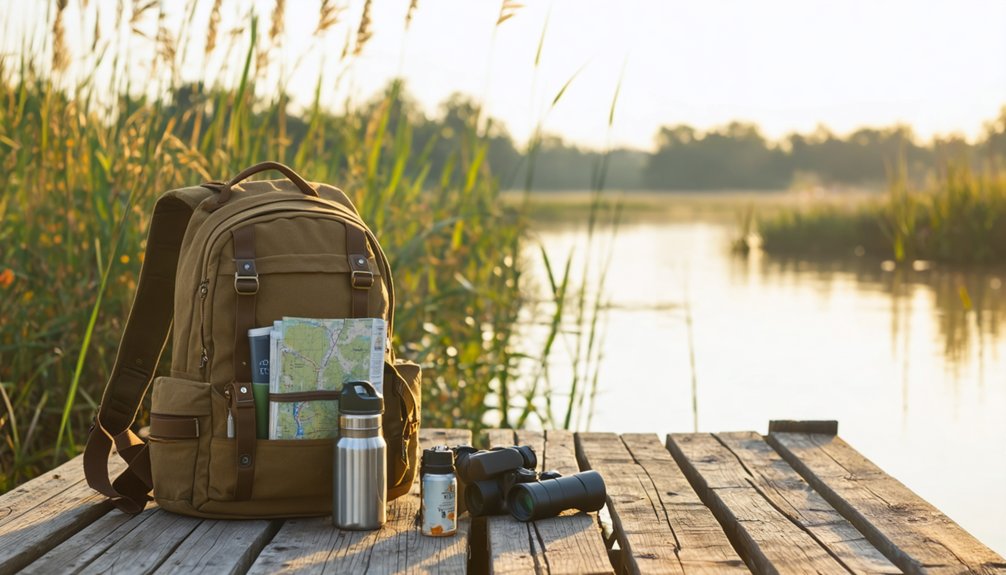
Because Swan Island offers no concessions, stores, or vehicle access, you’ll need to arrive fully self-sufficient for your day on the water and island grounds.
These packing essentials guarantee your day trip remains focused on exploration rather than survival logistics:
- Water and food — Carry enough drinking water and meals for your entire visit; there’s nowhere to resupply once you’ve crossed the Kennebec.
- Navigation and safety gear — Life jackets, a waterproof map, and a whistle are non-negotiable for the river crossing.
- Weather-appropriate clothing — Layering protects against unpredictable coastal Maine conditions.
- Camera or journal — The arrested decay of colonial-era homes deserves documentation.
Arriving prepared means you’ll move freely through the island’s forests, ruins, and forgotten streets without compromise.
Island Layout, Landing Zones, and Visitor Rules
Once you step off your canoe or kayak onto Swan Island’s northwest landing, you’ll find yourself traversing a landscape shaped by centuries of habitation and decades of deliberate stillness.
The island’s campground landing sits on the east side, reserved for overnight visitors, while day-trippers work their way inland along dirt roads and hiking trails that thread past colonial-era homes frozen in arrested decay.
You’re welcome to peer through the windows of preserved structures like the Robinson House and Tubbs-Reed House, but entering them remains strictly off-limits, honoring the quiet dignity of what time has chosen to leave standing.
Island Layout Overview
Swan Island’s layout greets visitors with a quiet logic shaped by its history and geography.
You’ll find the island organized around four distinct features that define its ghost town character and historical significance:
- Western Landing – Your primary entry point from Richmond, facing the mainland.
- Eastern Campground Landing – Overnight visitors arrive here, tucked along the river’s quieter edge.
- Dirt Roads and Trails – Colonial-era paths connecting preserved structures and open fields.
- Trout Pond and Wetlands – Natural areas framing the island’s forested interior.
You move freely through grassy fields and wooded corridors, encountering ruins left exactly as the last residents abandoned them.
The island doesn’t hide its past; it presents it openly, letting you read the landscape like a living document.
Landing Zones And Rules
Arriving at Swan Island means choosing your entry point deliberately, because the island maintains two distinct landing zones that serve different purposes. The northwest landing welcomes day visitors paddling across from Richmond’s boat launch, while the east-side campground landing receives overnight guests settling in for a longer stay.
Once ashore, visitor rules shape how you’ll move through this preserved ghost town. You’re free to hike the trails, bicycle the dirt roads, and wander the grassy fields — but the historic structures remain closed to entry.
You can peer through windows of the Robinson House and Tubbs-Reed House, absorbing their arrested decay from the threshold. No pets are permitted, protecting the wildlife that has quietly reclaimed what the departed residents left behind.
The Historic Buildings Still Standing on Swan Island
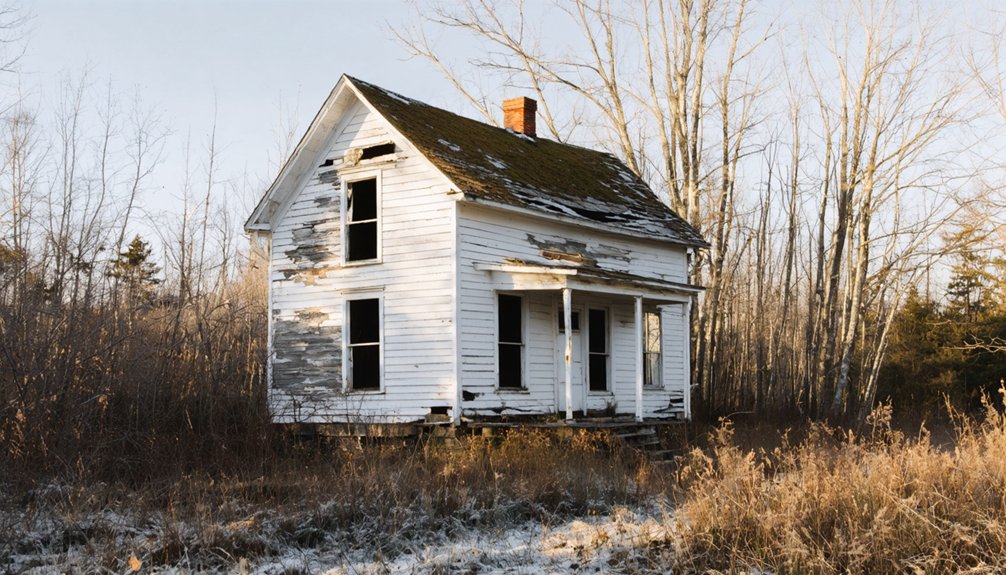
Few ghost towns offer what Swan Island does: historic structures still standing, frozen in the quiet decades since the 1940s.
You’ll find remarkable historic preservation here, where arrested decay reveals genuine architectural significance across colonial-era buildings untouched by modern renovation.
Explore these key structures on your visit:
- Robinson House – A preserved colonial home dating to the 1700s
- Tubbs-Reed House – Once connected to a former Massachusetts Militia mayor
- Colonial outbuildings – Scattered along hiking trails and dirt roads
- Island cemetery – A sobering, atmospheric reminder of those who lived and died here
You can’t enter these buildings, but peering through their original windows delivers something rare: unfiltered contact with a vanished world still refusing to disappear.
What Wildlife You’ll Encounter on Swan Island’s Trails
Beyond the silent houses and weathered gravestones, Swan Island pulses with a different kind of life. White-tailed deer move freely through former farm fields, unbothered by the hum of modern civilization.
Swan Island pulses with life — white-tailed deer roaming freely, unbothered by the noise of modern civilization.
Bald eagles patrol the Kennebec’s shoreline, making this one of Maine’s finest birdwatching opportunities for those who appreciate nature’s quiet grandeur.
You’ll walk trails where wild turkey, osprey, and migratory waterfowl share the landscape with history itself. Bring a quality camera — wildlife photography here rewards patience, particularly at dawn when mist rolls off the river and deer emerge from the tree line.
Because pets aren’t permitted, the island’s fauna remains remarkably undisturbed. Swan Island doesn’t just preserve the past; it actively protects the wildness that once surrounded those vanished lives.
How to Camp on Swan Island
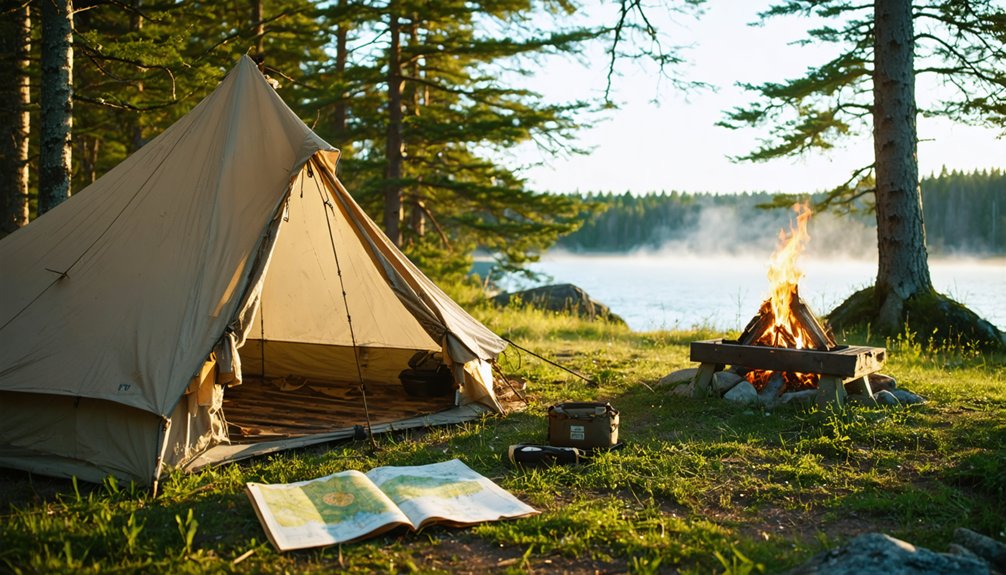
Camping on Swan Island means sleeping where an entire community once lived and faded — ten campsites, each equipped with a fireplace and a three-sided lean-to sheltering up to six people, scattered across grounds that haven’t known permanent human habitation since the 1940s.
Reservations are required, so plan ahead. Follow these campsite regulations and camping essentials:
- Pack all water, food, and safety gear — the island offers no resupply points.
- Reserve your site in advance through Maine Department of Inland Fisheries and Wildlife.
- Leave no trace — fires restricted to provided fireplaces only.
- No pets permitted — wildlife protection isn’t negotiable here.
The season runs May through October.
You’re camping inside a ghost town; respect what silence the land has reclaimed.
Fishing Swan Island’s Trout Pond and the Kennebec River
Swan Island offers two distinct fishing experiences that reward patience differently — Trout Pond, stocked with brook trout and open to anglers 15 and younger with gear provided on-site, and the surrounding Kennebec River, where the same waters that once sustained Perkins Township’s farming families still run cold and fishable today.
Trout fishing at the pond feels intimate, almost pastoral, echoing the self-sufficient rhythms of the community that once thrived here.
The Kennebec itself tells a deeper story through its river ecology — once polluted enough to drive residents away, it’s now recovered, offering you a living measure of environmental restoration.
Cast your line knowing you’re fishing waters that shaped and ultimately outlasted an entire ghost town.
Frequently Asked Questions
Can Visitors Bring Bicycles to Swan Island for Exploring Dirt Roads?
Yes, you can bring bicycles to explore Swan Island’s dirt roads! Grab your trail maps, pedal freely past colonial echoes, and since bicycle rentals aren’t available, you’ll want to transport your own bike across the river.
Are There Fees to Visit Swan Island for a Day Trip?
You don’t need to pay fees for a day visit to Swan Island. While guided tours aren’t offered, you’ll find no parking options needed — just paddle freely across the Kennebec and explore history’s haunting, beautiful remnants.
Is Swan Island Accessible to Visitors With Mobility Limitations?
Swan Island’s wheelchair access is limited, as you’ll navigate water-based transportation options—canoe, kayak, or boat—to reach its shores. Unpaved trails and historic terrain may challenge mobility, so plan your journey thoughtfully.
Can Children Fish at Trout Pond Without Bringing Their Own Gear?
Yes, your children don’t need to bring gear! Trout Pond’s fishing regulations provide equipment for young anglers 15 and under, offering gear rentals that echo simpler times when rivers freely nourished communities and childhood wonder flourished naturally.
Are Pets Allowed on Swan Island During Seasonal Visits?
Don’t bark up the wrong tree — you can’t bring pets to Swan Island. The pet friendly policies enforce strict seasonal restrictions, protecting the island’s wildlife so you can roam its storied, untamed landscapes freely.
References
- https://gravereviews.com/2021/04/30/perkins-township-a-new-england-ghost-town/
- https://wjbq.com/watch-this-abandoned-island-in-maine-is-like-a-ghost-town-that-you-can-camp-in/
- https://ghost-towns.close-to-me.com/states/maine/perkins-township-me/
- https://en.wikipedia.org/wiki/Perkins_Township
- https://au.hotels.com/go/usa/ghost-towns-maine
- https://www.youtube.com/watch?v=5kZDIszHAlU
- https://en.wikipedia.org/wiki/List_of_ghost_towns_in_Maine
- https://visitmaine.com/articles/swan-island/
- https://wjbq.com/boat-trip-worthy-visit-a-mysterious-abandoned-town-in-swan-island-maine/
- http://www.youtube.com/watch?v=mX730dkG6q0