Despite the name, you can’t actually road trip to Portlock, Alaska — there’s no road connecting this remote ghost town on the southern Kenai Peninsula. You’ll reach it only by boat or bush plane from Seldovia, roughly 16 miles north. Once there, expect dense wilderness, decaying cannery ruins, and zero tourism infrastructure. Secure permission from Nanwalek tribal authorities before you go. Everything you need to plan this unforgettable off-grid adventure is just ahead.
Key Takeaways
- Portlock is only accessible by boat or bush plane from Seldovia, approximately 16 miles north, with no docks or tourism infrastructure available.
- Secure permission from the Native village of Nanwalek before visiting, as unannounced visits risk trespassing and damaging cultural relationships.
- Pack waterproof boots, bear spray, GPS, moisture-wicking layers, high-calorie food, and a first aid kit for this off-grid adventure.
- The best visiting seasons are July through August, or late May to June for longer daylight and increased wildlife activity.
- Nearby sites worth exploring include Seldovia’s Old Boardwalk District, Jakolof Bay Logging Camp, and Port Graham’s Historic Cannery Ruins.
Can You Actually Visit Portlock, Alaska?
Reaching Portlock isn’t as simple as punching an address into your GPS and hitting the road — this ghost town sits on the remote southern edge of the Kenai Peninsula, accessible only by boat or bush plane.
You’ll depart from nearby Seldovia, roughly 16 miles north, traversing Port Chatham Bay’s cold, unforgiving waters.
Before your ghost town exploration begins, you’ll need permission from Nanwalek tribal authorities, who hold private ownership of the land. Respect that boundary — it’s non-negotiable.
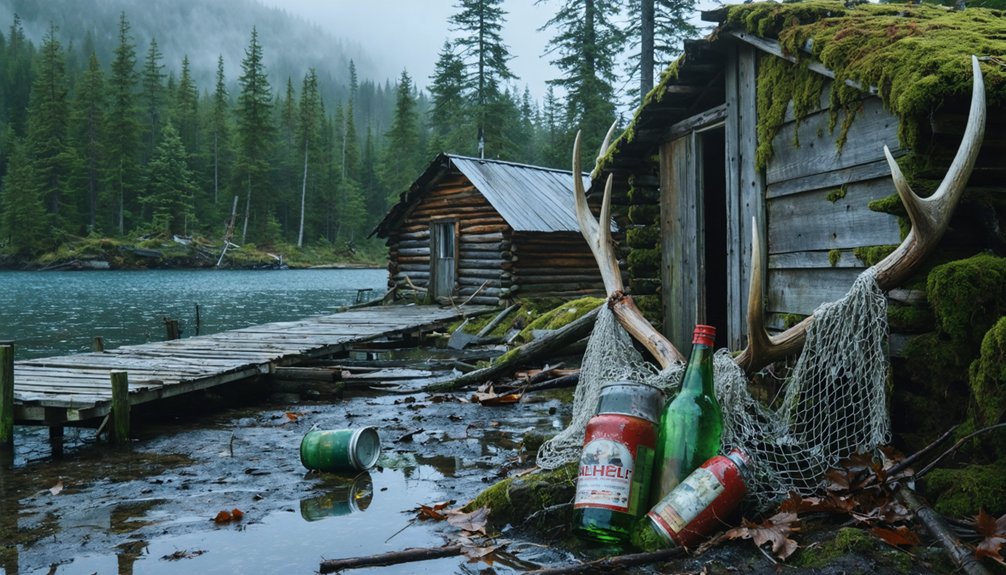
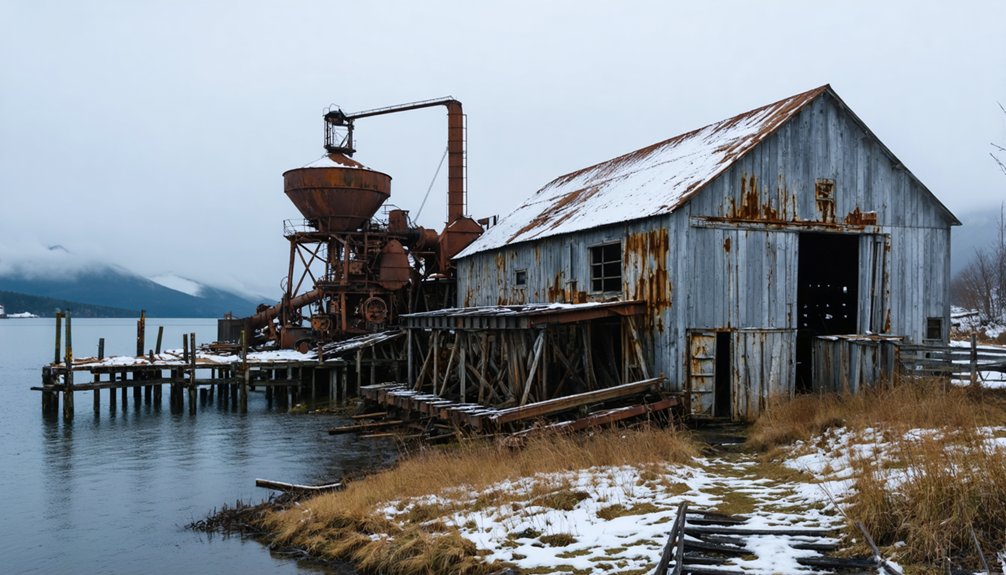
No docks, no trails, no ranger stations greet you upon arrival. Just decaying cannery equipment, collapsed pilings, and dense Alaskan wilderness swallowing everything whole.
The Alaskan myths surrounding this place add psychological weight to every step you take through the overgrown ruins. Come prepared, or don’t come at all.
How Portlock Went From Boomtown to Ghost Town
When you trace Portlock’s history, you’ll find a classic Alaskan boom-and-bust story rooted in the salmon cannery industry that once drove the local economy.
As highway construction reshaped regional transportation, the port lost its strategic value, and residents found it easier to relocate to nearby coastal villages than to stay.
The cannery’s decline sealed Portlock’s fate, transforming a once-thriving settlement with a post office, school, and mine into the weathered ghost town you’re now exploring.
Portlock’s Economic Rise
Though it’s hard to imagine today, Portlock once hummed with industry, ambition, and the sharp smell of processed salmon drifting across Port Chatham Bay.
At its peak, the town supported three pillars of frontier commerce:
- Cannery operations that processed and exported salmon across the Pacific
- A functioning mine extracting resources from the peninsula’s rugged terrain
- Essential civic infrastructure, including a post office and school
You’d have recognized Portlock as a self-sufficient community carved from wilderness by sheer determination. Residents built something real here — independent, productive, and alive with purpose.
But economic shifts rarely announce themselves. New highway construction redirected trade routes, the salmon industry declined, and the port lost its strategic value. What thrived slowly starved, leaving only pilings and rust behind.
Decline And Abandonment
Every boomtown carries the seeds of its own unraveling, and Portlock was no different. When a new highway reshaped regional transportation, the port lost its strategic value almost overnight. Economic shifts dismantled what the cannery industry had built, pulling residents toward better-connected coastal villages with steadier opportunities.
You’d expect a dramatic ending — fire, flood, violence — but Portlock’s story is quieter and somehow sadder. Families simply packed up and left, one by one, until only the postmaster remained standing among empty buildings. By 1950, even he was gone.
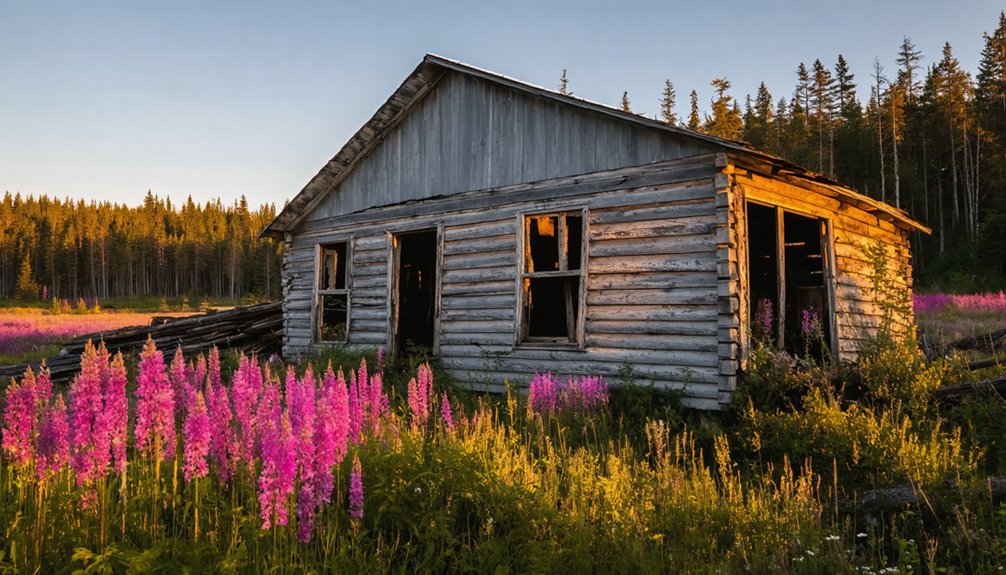
The harsh Alaskan climate and local wildlife moved in quickly, reclaiming wooden structures and rusted equipment alike. What thrived as a working community became, without ceremony, a skeleton slowly swallowed by forest and tide.
What’s Left to See in Portlock Today
Ruins tell their own kind of story, and Portlock’s are no exception. These ghost town remnants reward the bold explorer willing to navigate its remote shores.
Here’s what you’ll discover:
- Rusted cannery equipment — skeletal machinery slowly surrendering to salt air and coastal vegetation.
- Weathered house pilings — wooden stumps scattered across the bay, marking where families once lived.
- Dense overgrown trails — reclaimed pathways winding through forest that’s steadily erasing every human footprint.
For solid exploration tips, always secure permission from Nanwalek tribal authorities before you set foot here — it’s privately owned land.
Bring your own supplies since zero tourism infrastructure exists. You’ll arrive by boat or bush plane, making this adventure genuinely off-grid and completely unforgettable.
The Nantiinaq Legend: Bigfoot or Portlock Folklore?
As you explore Portlock’s ruins, you’ll likely encounter the legend of the Nantiinaq, a hairy, Bigfoot-like creature that locals claim stalked and murdered villagers before the town’s abandonment.
Stories describe mutilated animals, unexplained disappearances, and monstrous tracks pressed into the forest floor — eerie details that inspired countless paranormal documentaries and TV shows.
Skeptics, however, point out that the Nantiinaq narrative traces back to a single source, told years after the fact, while historical records suggest economics — not a creature — drove residents away.
Origins Of The Legend
When you dig into the origins of the Nantiinaq legend, you’ll find the story is far murkier than the TV documentaries let on. Skeptics trace these Nantiinaq origins to a single source, decades after abandonment — a classic folklore evolution built on rumor rather than record.
Before accepting the creature narrative, consider what researchers actually uncovered:
- No documented fatalities or official reports linked any creature to Portlock’s desertion.
- Economic collapse — highway construction and cannery decline — drove residents away steadily.
- The “Alaskan Killer Bigfoot” label emerged primarily through paranormal entertainment media.
You’re free to believe whatever calls to you on this untamed coastline. Just know the real story behind Portlock’s abandonment is rooted in economics, not monster tracks disappearing into the Alaskan forest.
Creature Sightings And Claims
Despite the economic paper trail explaining Portlock’s decline, the Nantiinaq legend doesn’t die easily — and that’s partly what makes exploring this coastline so unsettling.
Local sightings describe a massive, hair-covered figure moving through the dense coastal forest, leaving oversized tracks and mutilated animals in its wake. Creature encounters weren’t whispered casually — residents allegedly fled in genuine terror.
You’ll want to approach these claims critically, though. Skeptics trace the Nantiinaq narrative back to a single source, surfacing years after abandonment. No documented fatalities support the supernatural theory.
Still, when you’re standing among rusted pilings at dusk, dense spruce pressing close, something about this coastline resists easy explanation.
The legend sticks because Portlock itself sticks — raw, remote, and completely indifferent to your presence.
Myth Versus Historical Reality
declining cannery profits, a new highway rerouting commerce, and residents quietly relocating to better-connected coastal villages — that’s the real story behind Portlock’s abandonment.
Historical accounts point to economics, not mythical creatures, as the culprit. Before you let folklore hijack your adventure, consider these facts:
- No documented fatalities linked to the Nantiinaq exist in official records.
- Skeptics trace the creature narrative to a single storyteller, years post-abandonment.
- Economic decline — not supernatural terror — systematically emptied the town by 1950.
You’re free to chase the legend, but you’ll find crumbling cannery equipment and overgrown pilings tell a quieter, truer story.
Portlock’s haunting power doesn’t need a monster — reality’s already unsettling enough.
Get Permission From Nanwalek Before You Visit Portlock
Before you pack your gear and charter a bush plane or boat to Portlock, you’ll need to secure permission from the Native village of Nanwalek, which holds private ownership over the abandoned site.
The permits process isn’t bureaucratic red tape — it’s a meaningful step toward respectful tribal engagement with a community deeply connected to this land.
Reach out to Nanwalek village authorities well before your planned visit, since response times vary and approvals aren’t guaranteed.
Showing up unannounced risks trespassing and damaging your relationship with the tribe.
Approach the conversation honestly, explaining your intentions and demonstrating genuine respect for their cultural ties to Portlock.
Earn that access, and you’ll explore these haunting ruins with a clear conscience and the freedom to roam.
How to Reach Portlock by Boat or Bush Plane
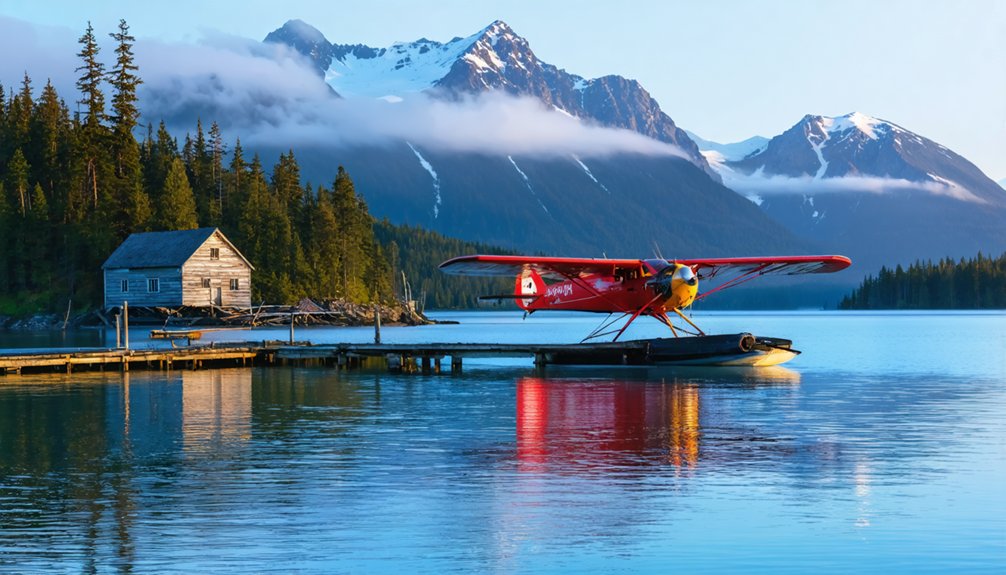
Getting to Portlock means committing to a genuine wilderness journey — there’s no road, no ferry, and no easy shortcut into this remote corner of the Kenai Peninsula.
You’re choosing between two raw, rewarding options:
- Boat navigation from Seldovia covers roughly 16 miles south through Port Chatham Bay — respect tidal shifts and coastal weather before departing.
- Bush plane logistics connect you through Homer or Seldovia airstrips, dropping you near the bay with minimal gear restrictions.
- Local outfitters in Homer offer guided water taxi services, cutting navigation guesswork for first-timers.
Either route demands preparation — tide charts, weather windows, and emergency supplies aren’t optional.
But that earned remoteness is exactly the point. Portlock doesn’t welcome the unprepared, and that’s precisely what makes reaching it worthwhile.
What to Pack Specifically for Portlock’s Terrain and Climate
Portlock’s rugged coastline and dense Alaskan forest will test every piece of gear you bring, so pack with brutal honesty about what earns its weight. Your hiking gear should include waterproof boots with aggressive soles, moisture-wicking layers, and a rain shell you’d trust in a sideways storm. The rocky terrain punishes anything less.
For wildlife safety, carry bear spray and keep it accessible, not buried in your pack. You’re moving through active bear country, and hesitation costs you.
Bring a GPS device since cell service doesn’t exist out here. Pack high-calorie food, a compact first aid kit, and a dry bag protecting everything critical. The climate shifts fast, the forest closes in quickly, and self-reliance isn’t optional — it’s the entire point.
Best Time of Year to Visit Portlock
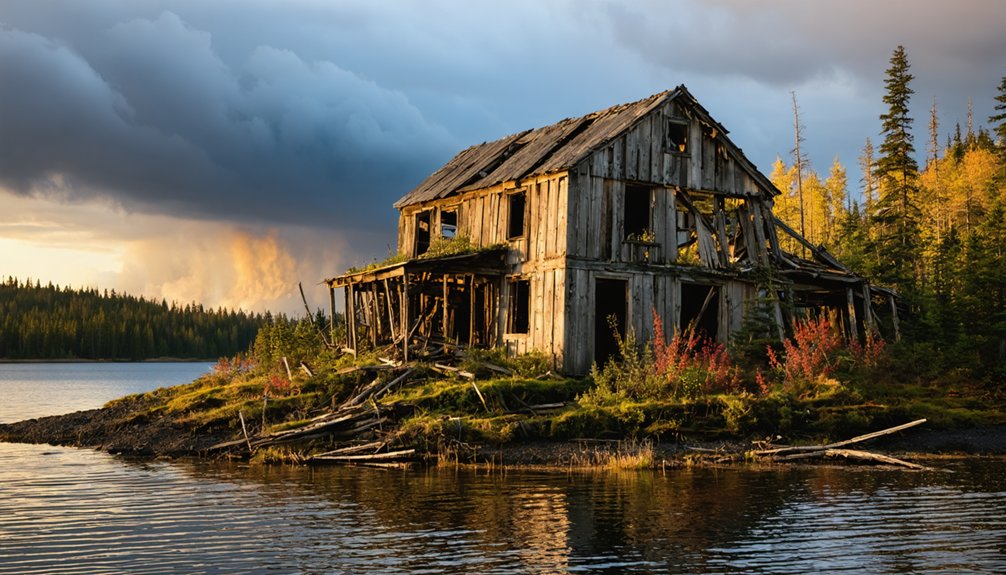
Summer months, particularly July and August, offer your best shot at reaching Portlock, when calmer seas make boat access more predictable and lingering daylight stretches your exploring time well past evening.
You’ll still face Southcentral Alaska’s notorious rain and fog, so don’t mistake “best season” for “easy conditions.”
Spring and fall visits are possible but demand serious flexibility, as sudden storms can strand you or block access entirely.
Ideal Visiting Seasons
When you’re planning a trip to Portlock, timing can mean the difference between an unforgettable adventure and a miserable slog through rain and mud. Alaska’s southern coast rewards those who choose wisely.
Your three best windows are:
- Late May–June: Longer daylight hours illuminate the ruins beautifully, and local wildlife emerges from winter dormancy.
- July–August: Peak summer offers calmer bay waters, ideal fishing opportunities, and accessible trails through the overgrowth.
- Early September: Crowds thin, temperatures stay manageable, and the turning foliage adds dramatic atmosphere to the decaying structures.
Avoid winter entirely — brutal storms and near-darkness make exploration dangerous and pointless.
You’ll want clear skies and cooperative seas when traversing by boat into Port Chatham Bay’s rugged shoreline.
Weather and Accessibility Considerations
Alaska’s remote southern coast doesn’t forgive poor planning, and reaching Portlock demands you respect both the calendar and the elements. Weather patterns here shift fast — clear skies surrender to fog banks and driving rain within hours.
Summer months offer your best window, with calmer seas supporting the boat or bush plane accessibility routes you’ll rely on entirely. Expect cool temperatures even in July, hovering around 50–60°F, with persistent moisture coating every surface.
Autumn accelerates weather deterioration rapidly, making September a hard cutoff for most travelers. Winter renders access nearly impossible, with violent storms battering the coastline relentlessly.
Always monitor marine forecasts before departing, file a float plan, and carry emergency gear. Portlock rewards the prepared adventurer — it punishes the careless one without hesitation.
Other Abandoned Sites Near Portlock Worth the Trip
While you’re making the trek out to Portlock, the remote southern Kenai Peninsula rewards explorers willing to push a little further.
Abandoned structures dot this coastline beyond Port Chatham Bay, and local wildlife thrives undisturbed among the ruins. Pack extra supplies and keep your eyes open.
Three nearby sites deserve a spot on your itinerary:
- Seldovia’s Old Boardwalk District – Pre-1964 earthquake remnants frame a hauntingly beautiful waterfront just 16 miles north.
- Jakolof Bay Logging Camp – Rusted machinery and collapsed bunkhouses sit frozen in time deep within coastal forest.
- Port Graham’s Historic Cannery Ruins – Crumbling industrial skeletons overlook pristine Kachemak Bay waters, telling Alaska’s commercial fishing story through decay.
Each site extends your adventure without requiring additional permits beyond Nanwalek’s authorization.
Is Portlock Actually Safe to Explore?
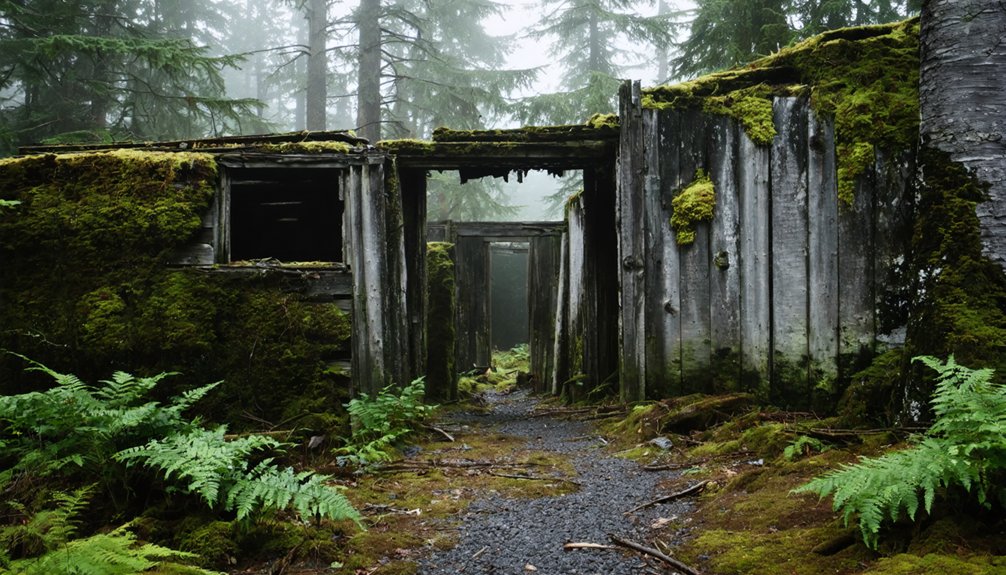
Safety at Portlock isn’t about Bigfoot—it’s about the real hazards that come with exploring a site the Alaskan wilderness has spent decades actively dismantling.
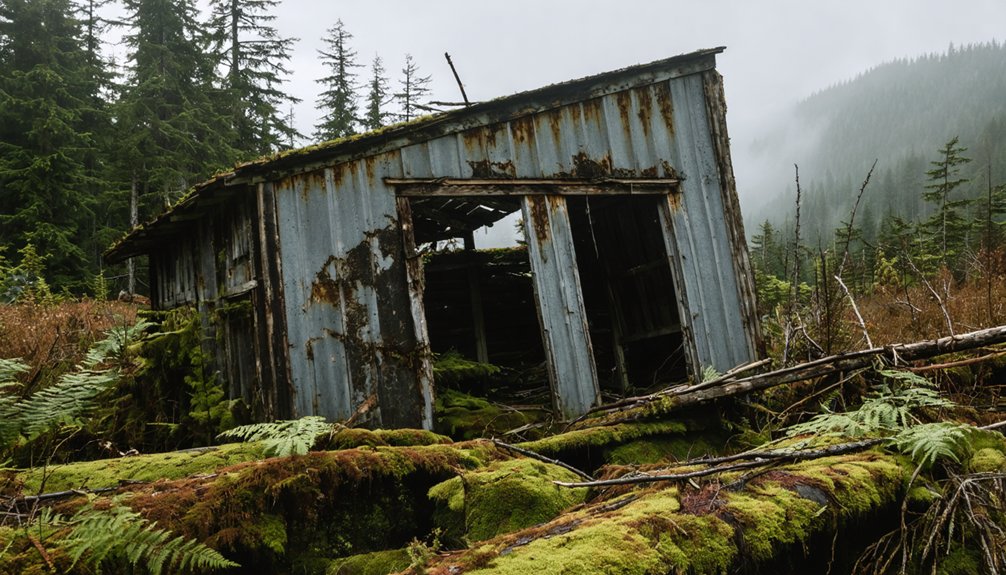
Rotting timber, collapsed flooring, and rusted cannery metal create serious safety concerns throughout the property. Structures that look stable often aren’t.
Before you go, follow these essential exploration tips: wear puncture-resistant boots, bring a first aid kit, and never explore alone.
Puncture-resistant boots, a first aid kit, and a buddy—non-negotiables before setting foot in Portlock.
You’re accessing a remote location reachable only by boat or bush plane, so communication gear isn’t optional—it’s survival-critical.
Frequently Asked Questions
Who Currently Owns the Land Where Portlock Once Stood?
You’d think land ownership here would be murky, but it’s surprisingly clear! The Native village of Nanwalek actively owns this historically significant land, connecting you to Portlock’s rich past before you adventure through its evocative, decaying ruins.
What GPS Coordinates Should I Use to Locate Portlock?
You’ll find Portlock’s abandoned settlements near 59.0°N, 152.5°W — coordinates unveiling ghost town history shrouded in Alaskan wilderness. Chart your course boldly, but remember you’ll need Nanwalek tribal permission before exploring these hauntingly remote, forgotten ruins.
Was Portlock Ever Officially Recognized by the US Census?
Yes, Portlock held Census recognition until the 1980s, when population decline finally erased it from official records. Its Census history ended decades after you’d have found just one soul — the postmaster — holding the ghost town together.
Who Was Captain Nathaniel Portlock and Why Does It Matter?
You’re tracing Captain’s Legacy when you explore Portlock — Nathaniel Portlock, a Royal British Navy captain, landed here in 1787, giving the ghost town its name. That Historical Significance means you’re walking ground history’s adventurers claimed first.
Are There Any Fees Associated With Visiting Portlock Ghost Town?
No official ghost town fees exist, but visiting regulations require you to secure permission from Nanwalek tribal authorities before exploring. Respect their sovereignty, honor the land, and you’ll access this hauntingly beautiful, forgotten frontier freely.
References
- https://en.wikipedia.org/wiki/Portlock
- https://www.youtube.com/watch?v=UHmDhtHfedM
- https://www.youtube.com/watch?v=SZnsuSjdc5Y
- https://www.youtube.com/watch?v=zh0iTApzFdA
- https://www.onlyinyourstate.com/experiences/alaska/this-abandoned-ghost-town-is-downright-bone-chilling-ak
- https://www.youtube.com/watch?v=G3OuC6x1-AM
- https://www.youtube.com/watch?v=5Mx_J7mhH8M
- https://www.youtube.com/watch?v=7uFiZDNiWys
- https://www.reddit.com/r/Cryptozoology/comments/ztewsq/the_true_and_frightening_story_of_portlock_alaska/
- https://vocal.media/horror/mysteries-of-portlock-alaska-and-the-abandonment-of-the-small-town-in-the-1900s