Planning a ghost town road trip to Print, Michigan means embracing the unknown. You won’t find marked trails or welcome signs — just crumbling foundations, rusted machinery, and old apple trees that once shaded workers’ homes. Tucked in the Upper Peninsula, Print collapsed after the 1929 stock market crash and was never preserved. It’s raw, atmospheric, and entirely self-guided. Stick around, and you’ll uncover everything you need to find it and explore it confidently.
Key Takeaways
- Print, Michigan, located in the Upper Peninsula, is an unmarked ghost town with no trails or signs, requiring local storytelling to find.
- Look for old apple trees planted by workers as natural markers indicating where former residential homes once stood.
- Explore nearby Central Mine, Fayette State Park, and Laurium Manor Inn for preserved historical contrast to Print’s raw decay.
- Respect fragile ruins, stay on existing paths, and leave structures untouched to preserve Print’s crumbling foundations and rusted machinery.
- Print’s collapse followed the 1929 stock market crash, leaving behind only foundations, machinery, and forests slowly reclaiming the site.
What Is Print, Michigan and Why Do People Still Seek It Out?
Tucked into Michigan’s rugged Upper Peninsula, Print is a ghost town that once thrived as a company-owned industrial hub before the 1929 stock market crash gutted its economy and emptied its streets. Workers lived under strict corporate control, and families faced immediate eviction when breadwinners died. That harsh history left behind abandoned structures, local legends, and a landscape reclaimed by maple, birch, and pine forests overlooking Lake Superior’s dramatic bluffs.
People still seek Print out because it represents something raw and unfiltered. Unlike preserved sites with guided tours and gift shops, Print offers you unscripted exploration.
Historical legends surrounding its collapse draw those who crave authenticity over convenience. You’ll find no markers here — just bedrock bluffs, forest silence, and the freedom to piece together a forgotten story yourself.
How Did Print Go From Boom Town to Ghost Town?
Print’s rise followed a familiar Upper Peninsula arc: forests fell, industry moved in, and a corporation built an entire world around its workforce. By 1888, metal manufacturing and textiles had replaced lumber as Print’s economic engine, and workers lived entirely under corporate control — company housing, company rules, company everything.
Then 1929 hit. The stock market crash triggered rapid industrial decline, gutting the manufacturing operations that had kept Print alive. Businesses collapsed, buildings emptied, and families faced immediate eviction if their breadwinner died. Freedom wasn’t part of the deal here.
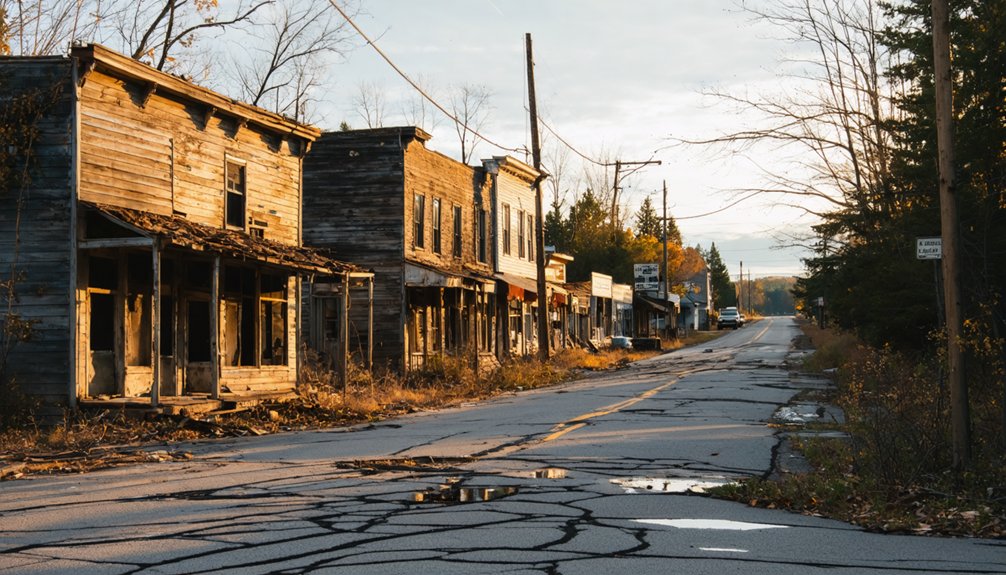
Without historical preservation efforts to document or protect what remained, Print quietly disappeared from public memory. Unlike Fayette, which earned state park status, Print was simply abandoned — left to the forests, weather, and silence of Lake Superior’s shoreline.
How to Find Print, Michigan and Explore the Site Safely
Finding Print isn’t like pulling up directions to a state park — there’s no welcome sign, no marked trailhead, and no ranger station to point you in the right direction. You’ll need to rely on local storytelling, so strike up conversations with longtime Upper Peninsula residents who carry generations of knowledge about these forgotten places.
Look for old apple trees scattered through the woods — townspeople planted them as backyard food sources, and they still mark where homes once stood. When you explore the site, practice environmental preservation by staying on existing paths, leaving structures untouched, and packing out everything you bring in.
The Lake Superior shoreline and surrounding maple and pine forests are stunning, but Print’s fragile remains deserve your respect and restraint.
What’s Left to See at the Print, Michigan Ghost Town Site?
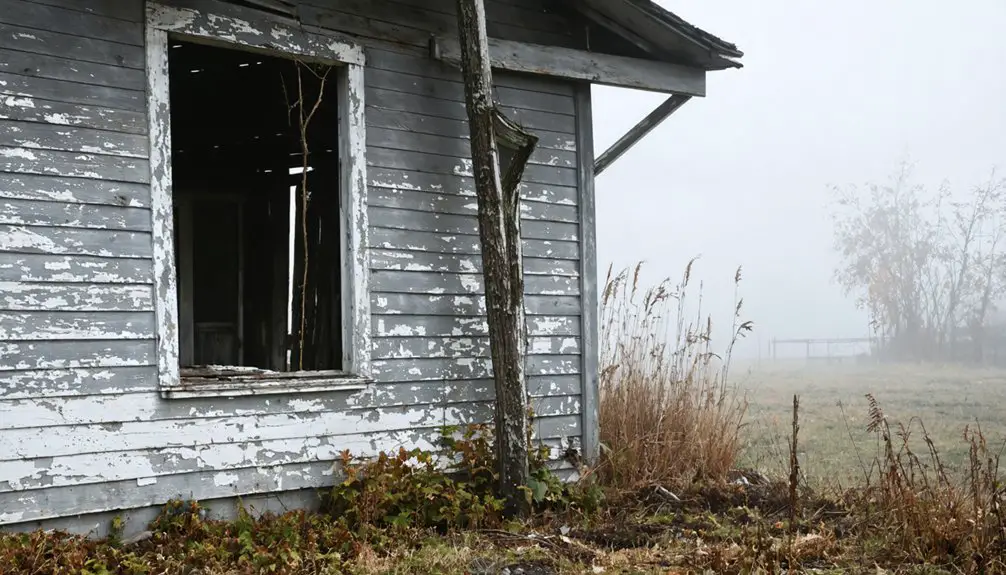
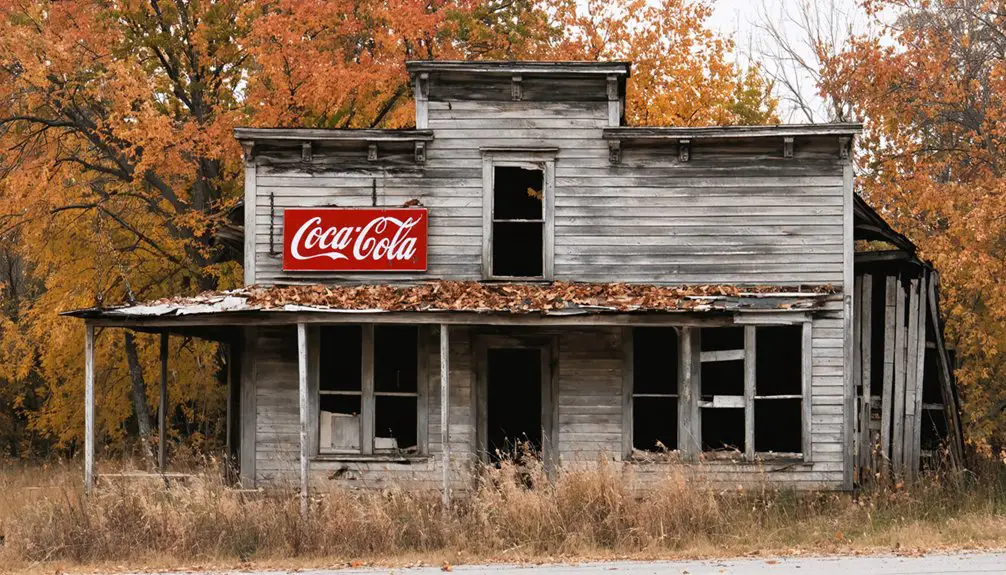
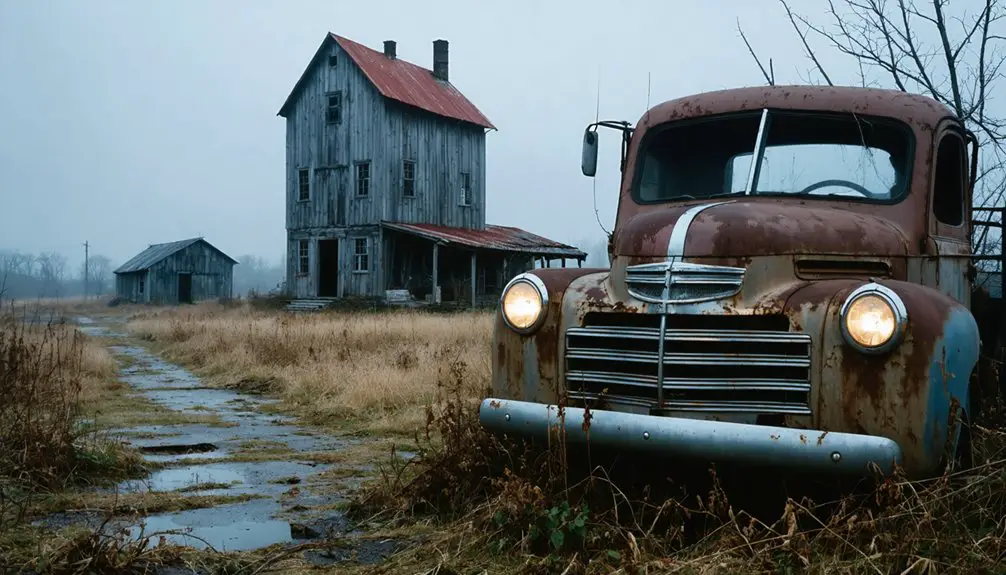
What remains at Print tells a fragmented but haunting story of industrial ambition and sudden collapse. Environmental decay has claimed much of the site, but sharp eyes still catch powerful remnants of the past.
Historical preservation never reached Print, leaving it raw and unfiltered for those willing to explore.
Look for these surviving features:
- Abandoned industrial structures — crumbling foundations and rusted machinery scattered throughout the tree line
- Old apple trees — planted by workers as backyard food sources, now marking where homes once stood
- Bedrock bluffs overlooking Lake Superior — dramatic natural backdrops framing the forgotten townsite
- Forest reclamation — maple, birch, and pine slowly consuming what workers built
You’re walking through living history here — unpolished, unprotected, and entirely real.
What Other Ghost Towns Are Worth Visiting Near Print, Michigan?
Once you’ve finished exploring Print, Michigan’s Upper Peninsula rewards you with several other ghost towns worth tracking down. Head to Central Mine, located north of U.S. 41, where restored buildings and a visitor center house compelling historical artifacts that bring copper-era life into sharp focus. You’ll find real stories embedded in every structure.
Central Mine brings copper-era history into sharp focus through restored buildings and artifacts that tell real stories.
The Laurium Manor Inn showcases grand homes built during the copper mining and lumbering heydays, letting you walk through spaces where industrial wealth once flourished.
Don’t overlook Fayette, a state park featuring 20 preserved buildings that contrast sharply with Print’s unprotected decay.
Talk to locals wherever you stop — they carry local legends that no museum can fully capture. These conversations often reveal hidden sites that’ll make your road trip genuinely unforgettable.
Frequently Asked Questions
What Were the Daily Working Conditions Like for Print’s Company Town Residents?
You’d earn low wages, endure dangerous work, and surrender your freedom under strict corporate rule. Print’s historical labor and living conditions stripped workers daily of dignity, autonomy, and choice—harsh realities you’d couldn’t escape.
Why Has Print Never Received Formal State Park or Preservation Designation?
Print hasn’t secured formal designation because preservation challenges overwhelmed community efforts. You’ll find its historical architecture crumbling without protection, unlike Fayette’s state park status. No organized strategies ever emerged, leaving Print vulnerable to relentless environmental decay and forgotten freedom.
Are There Any Local Guided Tours Specifically Focused on Print, Michigan?
You won’t find dedicated guided tours spotlighting Print’s artistic murals or local folklore just yet, but you can freely connect with knowledgeable locals who’ll passionately share the town’s hidden, untamed stories and rich abandoned legacy.
What Role Did Textile Production Play in Print’s Industrial Economy?
Textile industry production shaped Print’s economic impact alongside metal manufacturing, driving the town’s late 1800s boom. You’d have witnessed bustling mills transforming raw materials until the 1929 crash shattered everything, leaving only silence and crumbling structures behind.
Can Visitors Legally Access the Print, Michigan Ghost Town Site Today?
Unlike Fayette’s 20 preserved buildings, Print’s site lacks formal historic preservation protection. You can explore through urban exploration, but you’ll find no marked trails or legal visitor infrastructure guiding your journey through its decaying, forgotten landscape.
References
- https://en.wikipedia.org/wiki/List_of_ghost_towns_in_Michigan
- https://kids.kiddle.co/List_of_ghost_towns_in_Michigan
- https://www.nps.gov/slbe/learn/historyculture/ghosttowns.htm
- https://www.mlive.com/life-and-culture/erry-2018/10/44feaa944c473/historic-photos-of-michigan-gh.html
- https://www.visitkeweenaw.com/things-to-do/museums-history/ghost-towns/