Planning a ghost town road trip to Ruidosa, Texas means embracing one of the Lone Star State’s most isolated and hauntingly beautiful destinations. You’ll navigate rugged terrain, adobe ruins, and open-range cattle along routes like Pinto Canyon Road or HWY 170. Pack extra water, fuel, and a spare tire, since the nearest gas station sits more than 60 miles away. Visit in spring or fall for the best conditions. Everything you need to plan your adventure is covered ahead.
Key Takeaways
- Ruidosa is best visited in spring or fall to avoid extreme heat and ensure safer road conditions on remote, rugged terrain.
- Choose between scenic Pinto Canyon Road from Marfa or paved HWY 67 through Presidio, depending on your vehicle and adventure preference.
- Bring a high-clearance vehicle stocked with a spare tire, extra fuel, and sufficient water, as services are virtually nonexistent along FM 170.
- Key attractions include adobe ruins, the stabilized Misión del Sagrado Corazón church, Ghost Town Inn, and nearby Chinati Hot Springs.
- Drive only during daylight hours, carry offline maps, and prepare for open-range cattle, flash floods, and disappearing cell service.
Why Ruidosa, Texas Is Worth the Remote Drive
Tucked along the Rio Grande near the Chinati Mountains, Ruidosa is one of Texas’s most hauntingly beautiful ghost towns — and it’s worth every mile of remote driving to get there. Its Spanish name means “noisy,” a nod to rushing waters and desert winds that once filled this now-quiet valley.
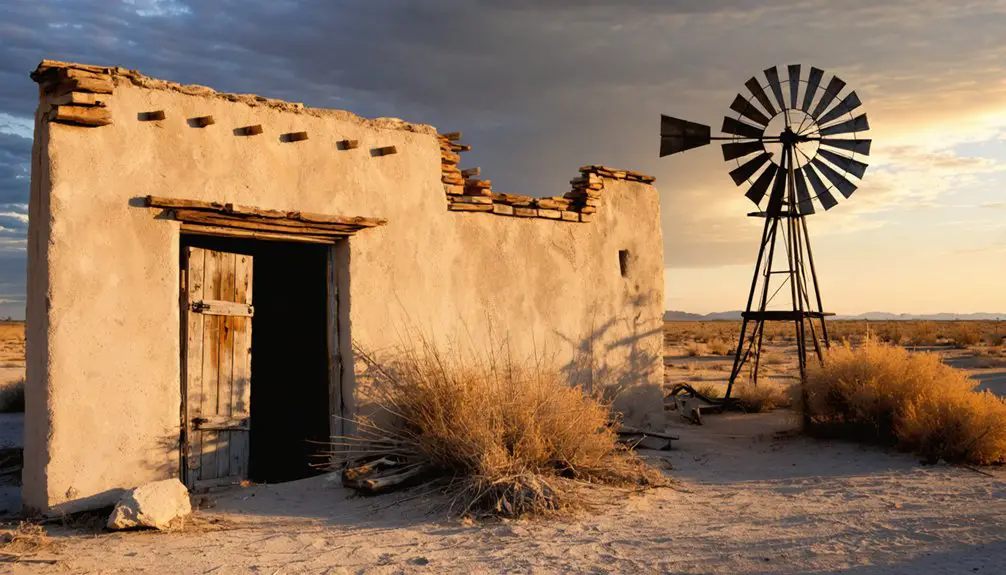
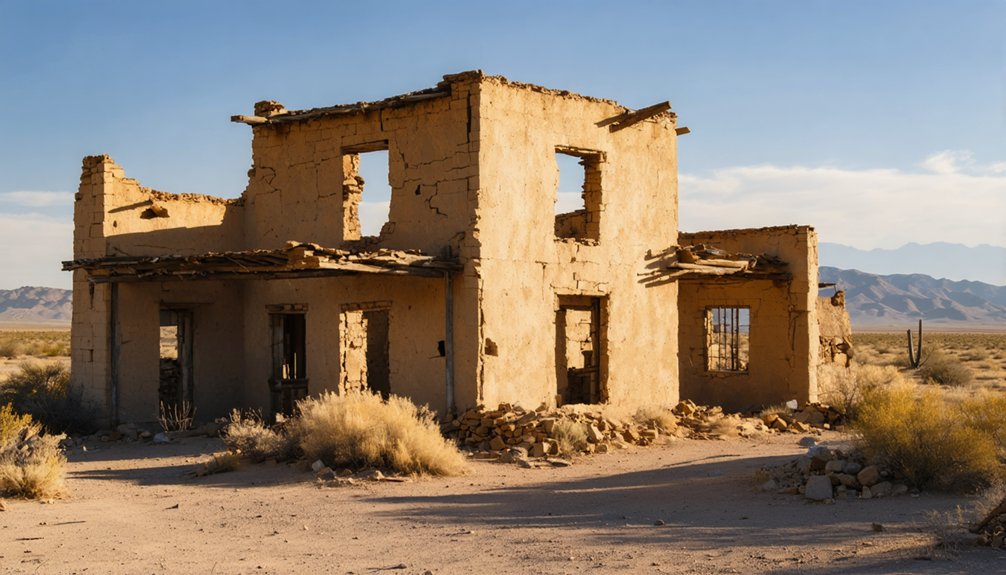
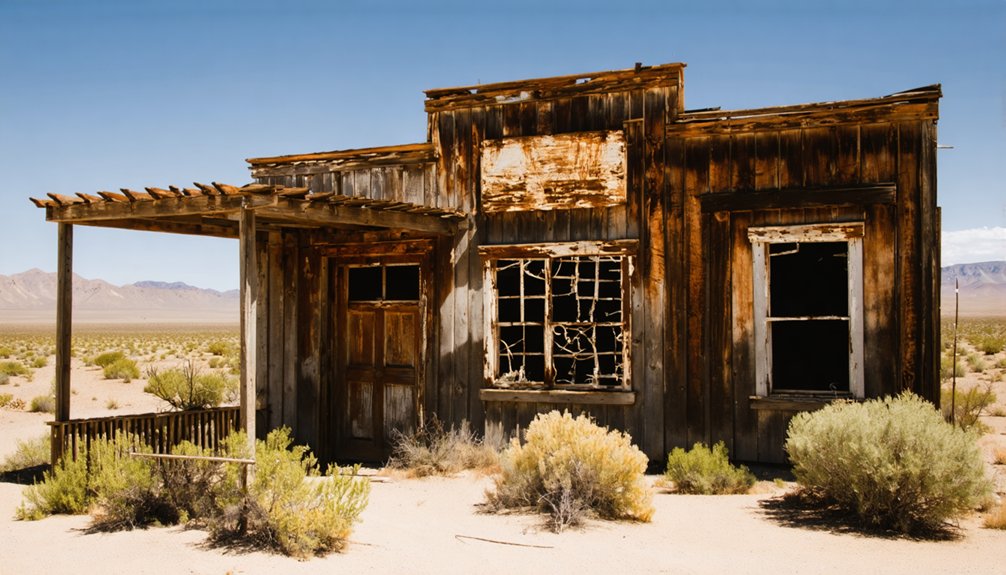
You’ll find weathered adobe ruins, a stabilized Catholic church representing remarkable historical preservation, and a landscape that feels frozen in time.
Weathered adobe ruins and a stabilized Catholic church stand quietly preserved against a landscape frozen in time.
The cultural significance here runs deep — from 19th-century Comanche raids that slowed settlement to cotton farming families who built a thriving community by 1914.
Ruidosa doesn’t advertise itself. It simply exists, raw and unapologetic, waiting for travelers willing to leave the pavement behind and experience far West Texas on its own uncompromising terms.
Best Time To Plan Your Ruidosa Road Trip
Planning a road trip to Ruidosa means thinking carefully about weather, road conditions, and daylight — all of which can make or break your experience in this remote corner of far West Texas. Spring and fall offer the sweetest windows for your visit.
Mild temperatures make the long drive comfortable, local flora blooms across the Chinati Mountains, and wildlife spotting becomes genuinely rewarding along Pinto Canyon Road and the River Road.
Avoid summer if you can — heat turns the dirt roads punishing and the exposed landscape unforgiving.
Winter brings cold snaps and unpredictable conditions that challenge even high-clearance vehicles.
Whatever season you choose, arrive with enough daylight to navigate open-range cattle, unmarked turns, and the stunning but disorienting landscape before darkness swallows every landmark whole.
Pinto Canyon Road vs. HWY 67: Which Route To Take to Ruidosa
Once you’ve locked in your timing, your next decision shapes the entire tone of your trip — because getting to Ruidosa is half the adventure. Two routes connect you to this remote ghost town, and each delivers a completely different experience.
Pinto Canyon Road (FM 2810) south from Marfa demands a high-clearance vehicle and road condition assessment before departure. Its 30 miles of dirt and gravel cut through multiple Chinati Mountain ecosystems — raw, rugged, and unforgettable.
HWY 67 south to Presidio, then west on HWY 170, offers paved road with open-range cattle hazards. This smoother route still rewards you with River Road scenery and historical preservation landmarks like weathered adobe ruins between Ruidosa and Candelaria.
Both routes work. Choose based on your vehicle, your nerve, and how deep you want the adventure.
How To Drive Pinto Canyon Road to Ruidosa Safely
Pinto Canyon Road earns its reputation — and if you’re not prepared, it’ll remind you fast. Bring a high-clearance vehicle, a spare tire, and enough fuel to cover roughly 65 miles of combined pavement and rough gravel.
The first 35 miles flow smoothly, but once you drop into the canyon, the road turns raw and unforgiving.
Check road condition updates before you leave Marfa — flash floods and washouts can make sections impassable without warning.
Wildlife encounters are common through the Chinati Mountains, so slow down and stay alert.
Drive during daylight hours only; there are no streetlights, and the terrain becomes disorienting after dark.
When the road dead-ends at HWY 170, turn right.
The Ghost Town Inn sits just 100 yards ahead.
HWY 170 from Presidio to Ruidosa is open range country, and that means cattle own the road as much as you do. These aren’t wildlife crossings with warning signs and fencing — livestock simply wander freely, appearing around blind curves without notice. Keep your speed low and your eyes scanning both shoulders constantly.
You’ll cover 36 miles of raw, winding terrain before reaching Ruidosa, so treat every bend as a potential obstacle.
Watch for roadside landmarks like fence lines and cattle guards, which signal areas of heavier livestock activity. When you spot a herd, slow completely and wait — they’ll move on their own schedule, not yours.
The blue-and-yellow Ghost Town Inn appears on your right roughly half a mile into Ruidosa, just before the road curves left.
The Adobe Ruins and Church You’ll Find in Ruidosa
Ruidosa doesn’t announce its history — it simply surrounds you with it. Adobe architecture rises from the desert floor in various states of beautiful decay, each crumbling wall a testament to the cotton families who built a life here after 1914.
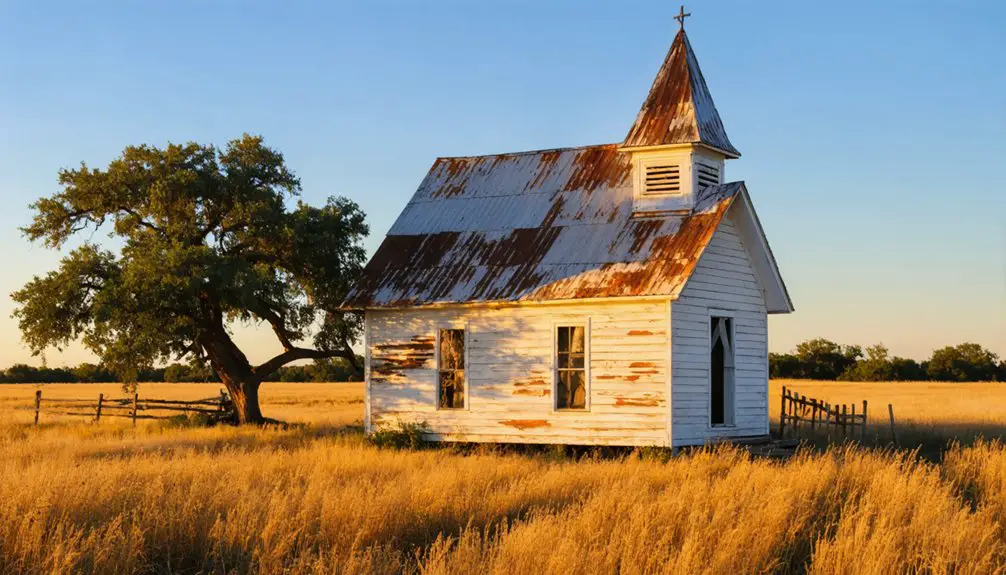
The crown jewel of historic preservation here is Misión del Sagrado Corazón, a weather-worn Catholic church stabilized enough to remain standing against time and wind.
Don’t miss these key sites:
- Misión del Sagrado Corazón — one of Texas’s most significant adobe religious structures
- Adjacent adobe ruins beside the Ghost Town Inn
- The blue-and-yellow inn itself, framing the historic landscape
- Scattered adobe remnants visible along FM 170 between Ruidosa and Candelaria
Walk slowly. These walls won’t last forever.
How To Spot the Ghost Town Inn When You Arrive
After you’ve taken in the adobe ruins and the quiet weight of Ruidosa’s past, finding your base for the visit is straightforward — if you know what to look for.
As you enter Ruidosa on FM 170, the speed limit drops — respect it. Within about half a mile, before the road bends left, you’ll spot a distinctive blue-and-yellow one-story building. That’s the Ghost Town Inn.
It sits adjacent to the old adobe church ruins, grounding you immediately in historical preservation and the local legends that shaped this isolated stretch of far West Texas.
Arrive before dark — there are no streetlights, and the building’s colors are harder to read at night. Once you see it, pull in carefully; open-range cattle sometimes wander close.
Chinati Hot Springs and Candelaria: River Road Stops Near Ruidosa
Once you’ve settled in at the Ghost Town Inn, FM 170’s River Road stretches onward toward two stops worth building your itinerary around. Chinati Hot Springs offers refurbished 1930s stone cabins alongside soaking pools fed by natural springs.
FM 170’s River Road leads to Chinati Hot Springs, where 1930s stone cabins and natural soaking pools await.
Candelaria rewards curious travelers with examples of architectural styles rarely seen outside this remote corridor.
Don’t leave without exploring these four highlights:
- Chinati Hot Springs cabins — restored 1930s stone structures worth studying for their historical preservation
- Candelaria’s Catholic church — a modest but striking adobe landmark
- The former cotton gin — a weathered reminder of the region’s agricultural past
- Adobe houses along FM 170 — raw, honest structures shaped by desert necessity
Pavement ends shortly beyond Candelaria, marking your natural turnaround point.
What To Pack for the Drive to Ruidosa
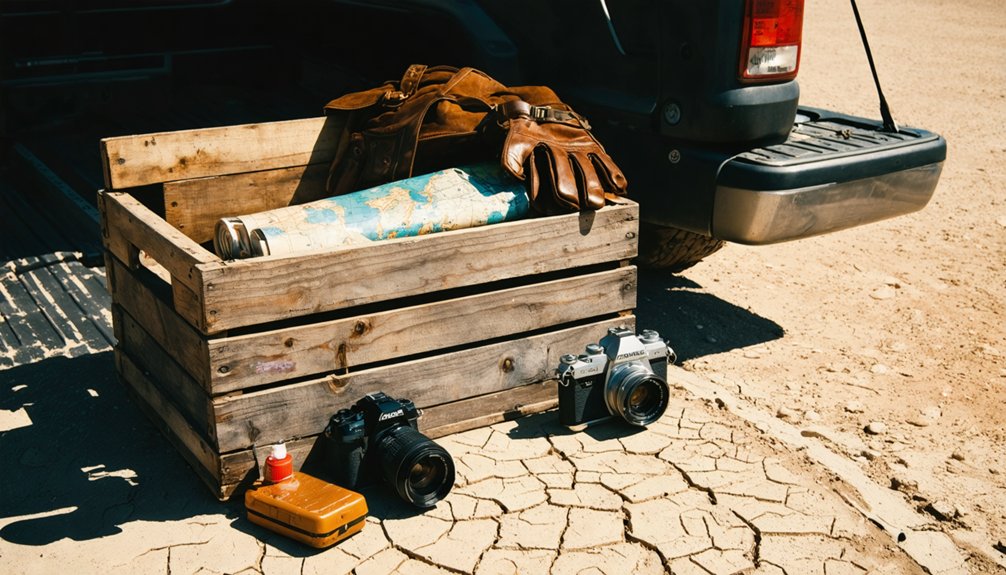
Before you head out to Ruidosa, you’ll want to pack smart because this remote stretch of far West Texas offers no services, no streetlights, and no easy rescue if something goes wrong.
Toss in a high-clearance vehicle’s worth of essentials: a spare tire, jumper cables, extra water, non-perishable snacks, and a paper map since cell service is nearly nonexistent along FM 170 and Pinto Canyon Road.
A basic first aid kit, flashlight, and emergency blanket round out a safety checklist that could make the difference between a great adventure and a dangerous situation.
Essential Road Trip Gear
Planning a road trip to Ruidosa means preparing for one of the most remote and unforgiving stretches of far West Texas, so packing the right gear isn’t optional — it’s survival strategy. Open range roads mean wildlife encounters are guaranteed, and you’ll want to stop at scenic viewpoints without worrying about being stranded.
Pack smart with these essentials:
- Spare tire and jack — dirt roads and sharp gravel destroy tires fast
- Extra water and food — no services exist between Presidio and Candelaria
- Paper maps or downloaded offline GPS — cell service disappears quickly
- Flashlight and emergency kit — darkness falls hard with zero streetlights
Freedom out here tastes real, but only if you’ve prepared for what the desert demands.
Safety Supplies Checklist
Knowing what to pack is one thing — having it organized and within reach when the desert tests you is another. Before you roll toward Ruidosa, stock your vehicle with these road trip non-negotiables:
Vehicle Maintenance Essentials
- Spare tire (fully inflated), jack, and lug wrench
- Jumper cables or portable jump starter
- Basic tool kit and duct tape
- Extra fuel — there are no gas stations on FM 170
Safety and Survival Supplies
- Minimum one gallon of water per person, per day
- First aid kit with snake bite protocols for wildlife encounters
- Flashlight and extra batteries
- Physical map — cell service disappears fast
- Emergency blanket and fire starter
Keep everything accessible. The Chinati wilderness doesn’t wait while you dig through your trunk.
Frequently Asked Questions
Is There Cell Phone Service Available Along the Drive to Ruidosa?
Like a lone wolf howling into vast wilderness, your cell service fades into silence on this remote drive. Don’t expect signal strength here — you’re embracing true freedom, disconnected from the grid.
Are There Any Gas Stations Near Ruidosa or Along FM 170?
You won’t find fuel stations or roadside amenities along FM 170 or near Ruidosa. Fill up your tank in Marfa or Presidio before heading out — you’re venturing into gloriously remote, off-grid West Texas freedom!
Can Visitors Stay Overnight at the Ghost Town Inn in Ruidosa?
Beneath vast desert skies, you can stay overnight at the blue-and-yellow Ghost Town Inn, surrounded by crumbling adobe ruins offering incredible historic landmarks and photography opportunities, letting you truly experience Ruidosa’s hauntingly beautiful, untamed spirit.
Is the Ghost Town Inn in Ruidosa Privately Owned or Open Publicly?
The Ghost Town Inn’s privately owned, yet you’re welcome to explore its historic preservation story and whisper-worthy local legends. It’s a blue-and-yellow beacon inviting free spirits seeking far West Texas’s rugged, untamed beauty!
Are There Restroom Facilities Available Anywhere Along the Ruidosa Route?
The knowledge doesn’t confirm restroom availability or facility locations along the Ruidosa route. You’ll want to plan ahead—stop in Presidio before heading out, as remote stretches offer no guaranteed public restroom access.
References
- https://texastimetravel.com/cities/ruidosa/
- https://ruidosaghosttowninn.com/directions.htm
- https://www.youtube.com/watch?v=eW7OzcGqOYs
- https://www.youtube.com/watch?v=QnFpNNY_A54
- https://www.facebook.com/txchronicles/posts/ruidosa-texas-is-a-tiny-unincorporated-community-tucked-away-in-presidio-county-/1325801469202223/