Planning a ghost town road trip to Joinerville, Texas starts just seven miles west of Henderson on State Highway 7. You’ll find this unincorporated East Texas community where roughly 140 residents now quietly inhabit a once-roaring oil boomtown. Named after “Dad” Joiner, who struck oil in 1930 and sparked the second-largest U.S. oil field outside Alaska, Joinerville’s layered history runs deep. Stick around, and there’s far more to this forgotten town than meets the eye.
Key Takeaways
- Joinerville, Texas, is an unincorporated ghost town in Rusk County, named after oil discoverer Columbus Marion Joiner following the 1930 East Texas oil boom.
- Travel seven miles west from Henderson on State Highway 7 for a straightforward rural drive with scenic wildlife sightings along the route.
- Visit the Gaston Museum to explore boom-era memorabilia, antique radios, and the preserved Sid White family home from the 1930s–1960s.
- Spring (March–May) and fall (September–November) offer the best weather for outdoor exploration, hiking, and experiencing Joinerville’s layered history.
- Contact the Gaston Museum before visiting at gastonmuseum1930@gmail.com or 903-722-9016 to plan your tour of the historic grounds.
What Is Joinerville, Texas?
Nestled in western Rusk County, Joinerville is a small unincorporated community in East Texas, sitting just seven miles west of Henderson. With only 140 residents and four businesses, it’s the kind of place where the open road leads you somewhere time seems to stand still.
You won’t find flashy local cuisine or packed community events here, but that’s exactly the point. Joinerville sits within Texas’s Forest Trail Region, near the site of a former Cherokee Indian village, giving it layers of history worth exploring.
It earned its name in 1930, honoring Columbus Marion Joiner, the man who discovered the legendary East Texas Oil Field. If you crave authentic, off-the-beaten-path freedom, Joinerville delivers a raw, unhurried experience you simply can’t manufacture elsewhere.
How Did the 1930 Oil Discovery Put Joinerville on the Map?
Before 1930, Joinerville was just a quiet East Texas community with a schoolhouse and a handful of residents. Then Columbus Marion “Dad” Joiner struck oil, and everything changed overnight. His discovery unleashed the East Texas Oil Field, transforming sleepy backroads into boomtown chaos — and leaving behind local folklore and ghost stories that still echo through the pines today.
Here’s what made that discovery legendary:
- The East Texas Oil Field spans 140,000 acres across five counties
- It holds 30,340 historic and active oil wells
- It ranks as the second-largest U.S. oil field outside Alaska
You’re essentially standing on one of America’s greatest energy discoveries when you visit. That kind of history doesn’t just fade — it haunts the landscape and fuels the curiosity of every road tripper who passes through.
How to Get to Joinerville From Henderson
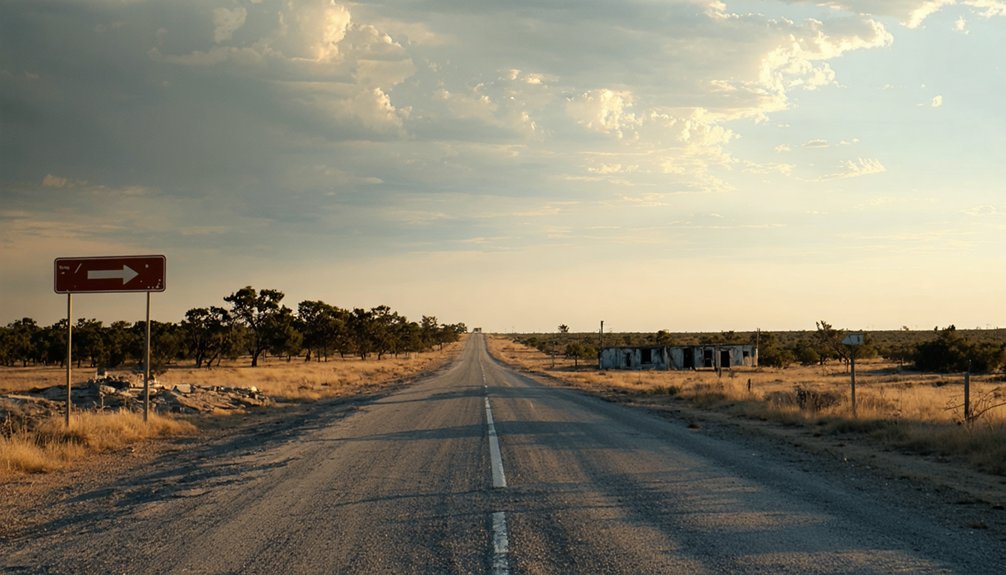
Getting to Joinerville couldn’t be simpler if you’re starting from Henderson, just seven miles to the east. You’ll take State Highway 7 heading west, and the drive takes only a few minutes through the quiet East Texas landscape.
Keep your eyes open, though — this tiny unincorporated community is easy to miss if you’re not paying attention.
Route From Henderson
Since Joinerville sits just seven miles west of Henderson, you’ll find the drive quick and straightforward. Head west on State Highway 7, and you’ll reach this quiet ghost town in minutes.
Keep your eyes open for wildlife sightings along the rural roadside — deer and native birds frequently appear through this stretch of East Texas countryside.
Before leaving Henderson, consider grabbing local cuisine from one of the city’s restaurants to fuel your exploration.
- Start: Henderson city center, heading west on State Highway 7
- Distance: Approximately seven miles
- Landmarks: Watch for rural East Texas forest scenery signaling your approach to Joinerville
The route demands no complex navigation — just open road, freedom, and anticipation of discovering one of East Texas’s most historically rich communities.
Highway 7 Access
Reaching Joinerville couldn’t be simpler — hop on State Highway 7 just outside Henderson and drive west for seven miles until the rural East Texas landscape opens up around this quietly historic community.
You’ll cover that distance quickly, but the shift in atmosphere feels significant. Henderson’s familiar businesses fade behind you, replaced by towering pines and open fields carrying echoes of oil-boom energy.
Local legends about wildcatters and sudden fortunes still circulate here, and ghost stories tied to the boom-and-bust era give the drive an eerie, adventurous edge.
No complicated turns or confusing detours slow you down — Highway 7 delivers you directly into Joinerville’s story.
Pack your curiosity, point your vehicle west, and let this straightforward route carry you somewhere genuinely worth discovering.
When to Visit Joinerville and How Long to Stay
East Texas springs and falls offer the most comfortable weather for exploring Joinerville’s open-air sites, so you’ll want to avoid the sweltering summer months if possible.
You can honestly cover everything Joinerville has to offer — including the Gaston Museum and surrounding historic grounds — in a half-day visit.
Though pairing it with a stop in nearby Henderson makes for a fuller day trip.
Call the Gaston Museum at 903-722-9016 before you head out to confirm hours, since small-town museums like this one don’t always keep predictable schedules.
Best Seasons To Visit
Although Joinerville welcomes visitors year-round, spring and fall offer the most comfortable conditions for exploring this quiet East Texas community. Mild temperatures let you roam freely, sample local cuisine, and enjoy wildlife viewing along the Forest Trail Region’s wooded landscapes.
- Spring (March–May): Wildflowers bloom across East Texas, temperatures stay mild, and wildlife viewing peaks as animals emerge.
- Fall (September–November): Cooler air, vibrant foliage, and harvest-season local cuisine make this an ideal road trip window.
- Summer and Winter: Expect intense heat in summer and occasional cold snaps in winter, though both seasons remain manageable for determined travelers.
Plan your visit during spring or fall to get the most out of Joinerville’s outdoor scenery and unhurried, open-road atmosphere.
Ideal Trip Duration
Once you’ve picked the right season, you’ll want to think about how much time to carve out for Joinerville itself. Honestly, half a day covers the Gaston Museum and surrounding historic sites comfortably. But why rush freedom?
Extend your trip to a full day by exploring nearby outdoor activities along the Forest Trail Region’s scenic landscapes. Hike, wander, and breathe in East Texas’s pine-scented air before heading into Henderson for local cuisine that reflects the region’s deep cultural roots.
A weekend gives you breathing room — museum in the morning, outdoor exploration in the afternoon, and a relaxed dinner showcasing East Texas flavors. Joinerville rewards slow travelers who appreciate history without a rigid schedule.
Pack light, stay curious, and let the open road dictate your pace.
Planning Your Arrival
Spring and fall offer the most comfortable conditions for exploring Joinerville, when East Texas temperatures stay mild and the surrounding Forest Trail Region’s pine and hardwood canopy bursts with seasonal color. You’ll find fewer crowds and richer opportunities to absorb local folklore surrounding the 1930s oil boom that transformed this quiet community.
Plan your arrival around the Gaston Museum’s operating hours by contacting them at 903-722-9016 before you go.
- Spring (March–May): Wildflowers frame historic sites, making ghost stories feel alive against a vivid backdrop.
- Fall (September–November): Cooler air and dramatic foliage create the perfect atmosphere for uncovering Joinerville’s layered past.
- Weekdays: You’ll move freely through exhibits without weekend visitor traffic slowing your exploration.
What Historic Sites Can You Still See in Joinerville?
While Joinerville may be a ghost town today, it still holds a few historic gems worth stopping for. The Gaston Museum stands as the community’s crown jewel, transporting you back to East Texas oil field life from the 1930s through the 1960s. You’ll find boom-era memorabilia, antique radios, and the preserved Sid White family home, which illustrates what tent-house living actually looked like during the oil rush.
Beyond the museum, the land itself tells stories. You’re standing near a former Cherokee Indian village site, and local legends suggest the region carries ghost stories tied to both Native history and desperate wildcatters who gambled everything here. Walk the grounds, breathe the piney East Texas air, and let Joinerville’s layered past speak for itself.
What Does the Gaston Museum Display About Oil Boom Life?
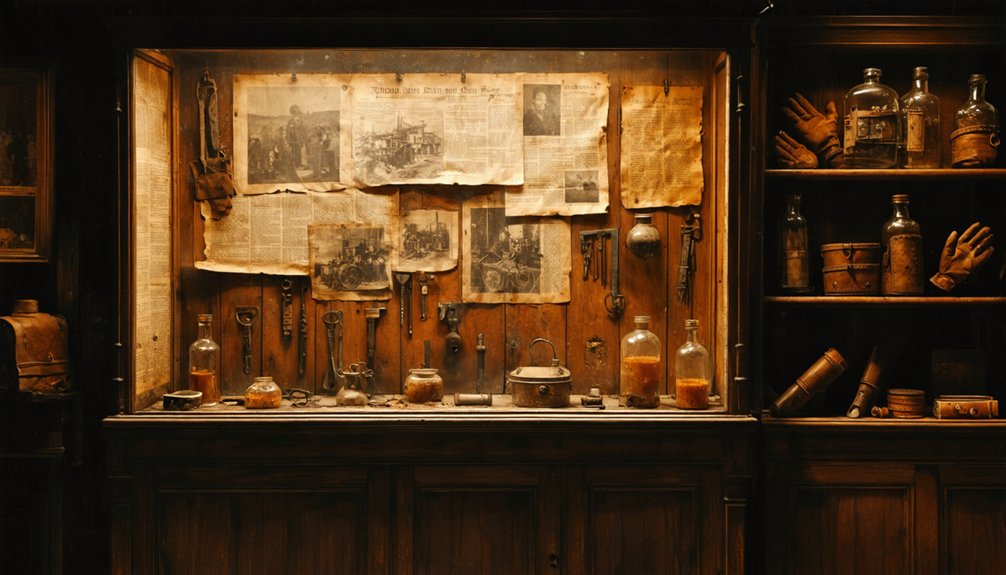
Step inside the Gaston Museum and you’ll find most of its exhibits zeroing in on a single, pivotal era: East Texas oil field life from the 1930s through the 1960s. Beyond local legends and ghost stories, this place delivers tangible history you can absorb at your own pace.
You’ll encounter:
- Boom-era memorabilia capturing the raw energy of Joinerville’s oil rush days
- An antique radio display transporting you back to how families stayed connected during the boom
- The Sid White family home on museum grounds, illustrating authentic tent-house living from that transformative period
The museum also highlights local family histories, grounding big oil industry events in deeply personal stories.
Contact the museum at gastonmuseum1930@gmail.com or call 903-722-9016 before visiting.
What Was Daily Life Like During the 1930s Oil Rush?
When the East Texas oil boom hit in the 1930s, daily life in Joinerville transformed almost overnight. Workers flooded the area, creating a raw, bustling community where tent-houses replaced permanent structures.
You’d have found families adapting quickly, blending their cultural traditions with the chaotic energy of a boomtown.
Local cuisine reflected that resourcefulness — cooks stretched simple ingredients to feed hungry roughnecks and growing families crowded into makeshift camps.
The Sid White family home, preserved on the Gaston Museum grounds, gives you a firsthand glimpse into that tent-house existence.
Life moved fast and hard during those years. People built community from scratch, turning a small East Texas crossroads into a thriving hub practically overnight — then watched it quiet down just as quickly when the boom faded.
Frequently Asked Questions
What Was Joinerville Called Before It Was Renamed in 1930?
Before 1930, you’d have known this freedom-filled frontier spot as Cyril, then Miller Schoolhouse — historical name origins tied to the Miller family. Renaming reasons honored oil legend “Dad” Joiner, forever changing its identity.
How Many Residents Does Joinerville Have Today?
You’ll find Joinerville’s population sitting at just 140 residents, a proof to ghost town preservation amid rich oil industry history. Don’t let its tiny size fool you—this legendary community’s spirit remains powerfully alive!
How Can I Contact the Gaston Museum Before Visiting?
Ready to explore history? You can reach the Gaston Museum’s contact information by calling 903-722-9016 or emailing gastonmuseum1930@gmail.com before your visit to confirm museum hours and plan your adventure freely!
How Large Is the East Texas Oil Field in Total Acreage?
You’ll discover the East Texas Oil Field spans an impressive 140,000 acres, making it one of America’s most significant historic landmarks for oil extraction, stretching across five counties and fueling your spirit of exploration and freedom!
Was Joinerville Ever Located Near a Native American Settlement?
Yes, you’ll find it’s true! Joinerville sits near the site of a former Cherokee Indian village, connecting you directly to rich Native American history and ancient Indigenous settlements that once thrived across this fascinating East Texas land.
References
- https://www.tshaonline.org/handbook/entries/joinerville-tx
- https://en.wikipedia.org/wiki/Joinerville
- https://texastimetravel.com/cities/joinerville/
- https://www.youtube.com/watch?v=zP–um0ygiA
- https://www.youtube.com/watch?v=xbPq7B65ogk