You’ll find what’s left of Sowers, Texas in a quiet cemetery off Highway 183, about 11 miles from Dallas. Once a self-sufficient frontier community of 121 residents, Sowers faded into the Irving suburbs after its post office closed in 1905. Today, weathered headstones and native vegetation are all that remain of this honest slice of Texas history. Stick around and you’ll uncover everything you need to plan your own ghost town road trip through North Texas.
Key Takeaways
- Sowers Cemetery, located in Irving off Highway 183, about 11 miles from Dallas, is the only remaining remnant of the original frontier town.
- Spring (March–May) and fall (October–November) offer the most comfortable weather for exploring outdoor ghost town sites in North Texas.
- No signage marks the cemetery, so prepare directions in advance and plan visits during daylight hours for safety.
- Extend your road trip by visiting nearby ghost towns Thurber, Millsap, and Rhome, each offering historic remnants and quiet atmosphere.
- Walk slowly, respect barriers, and approach the site with a reflective mindset to fully appreciate its contemplative, authentic atmosphere.
What Was Sowers, Texas?
Once a modest but self-sufficient rural community, Sowers, Texas traces its roots back to 1848, when E. D. Sowers first settled the land in Dallas County. By 1881, a post office made it official, and the town earned its place on the map.
Sowers, Texas began with one settler in 1848 — and a post office that made it real by 1881.
You’d have found local architecture built around everyday necessity — a store, a school, and two physicians serving a growing population that once reached 121 residents.
Community stories from Sowers reflect a classic Texas frontier spirit — neighbors relying on each other before modern conveniences arrived. But by 1905, the post office closed, and the population steadily thinned.
Today, the town sits absorbed within Irving’s boundaries, leaving only a cemetery behind. It’s a place where Texas history quietly disappeared into the surrounding city.
How Sowers Went From Frontier Town to Ghost Town
When E. D. Sowers settled the area in 1848, he planted the seed of a community that would eventually support a store, a school, two physicians, and a post office by 1881.
At its peak, Sowers claimed 121 residents, but the post office closed in 1905, and the population quietly drained away over the following decades, dropping to just 30 by 1956.
Today, you won’t find a town center or historic main street waiting for you — only a cemetery marks the spot where a frontier community once stood.
Frontier Roots And Growth
Though it’s little more than a memory today, Sowers once had all the makings of a thriving frontier community. When E. D. Sowers settled the area in 1848, he planted the seed for something real — a place where people built lives far from city noise.
By 1881, a post office made it official, and the town grew to support a store, a school, and two physicians. Local legends paint a picture of neighbors who depended on one another across open Texas land.
At its peak, 121 residents called Sowers home. You can trace that growth through preservation efforts centered on its surviving cemetery — the one place that still anchors the town’s story to something you can actually stand beside and feel.
Decline Into Abandonment
Every thriving frontier town carries the seeds of its own unraveling, and Sowers was no exception. When the post office closed in 1905, the community lost its civic anchor. Residents drifted away, businesses shuttered, and the population tumbled from 121 to just 30 by 1956.
Urban development steadily absorbed the surrounding land, pulling Sowers into Irving’s expanding boundaries until almost nothing recognizable remained.
What you’ll find today is a place swallowed by progress, its streets erased, its storefronts long gone. Historical preservation efforts couldn’t save the town center, but they did protect one lasting remnant — the cemetery.
That quiet burial ground now stands as your only tangible connection to a community that once supported families, physicians, and a schoolhouse on the Texas frontier.
What’s Left to See in Sowers Today
As you make your way through modern Irving, it’s easy to forget that a small frontier community once took root here — but the Sowers cemetery remains as the sole surviving piece of that lost world. No town center, no original storefronts, and no schoolhouse greet you.
What you’ll find instead is a quiet burial ground framed by local flora, where native grasses and scattered trees soften the weight of time. Modern signage in the surrounding area reflects Irving’s growth, making the cemetery feel like a quiet defiance against erasure.
It’s a stripped-down destination, but that rawness is exactly what draws ghost-town seekers. If you crave unfiltered history without crowds or tourist infrastructure, Sowers delivers something rare — a single, honest remnant worth finding.
How Do You Get to Sowers From Dallas?
Getting to Sowers from Dallas is a straightforward drive — roughly 11 miles northwest — and the route itself carries a quiet sense of shift, pulling you away from the city’s glass towers and into the older, quieter fabric of Irving.
Head northwest along Highway 183, and you’ll cross into territory where the cultural significance of early Texas settlement still lingers beneath the modern surface. The former townsite sits fully within Irving’s boundaries now, so don’t expect signage announcing your arrival. You’re orienting yourself by intention here.
The cemetery remains the landmark worth finding, a place where preservation efforts — however modest — have kept the community’s memory from disappearing entirely. Keep your directions ready, travel light, and give yourself an unhurried morning to absorb what little remains.
What the Sowers Cemetery Looks Like Today
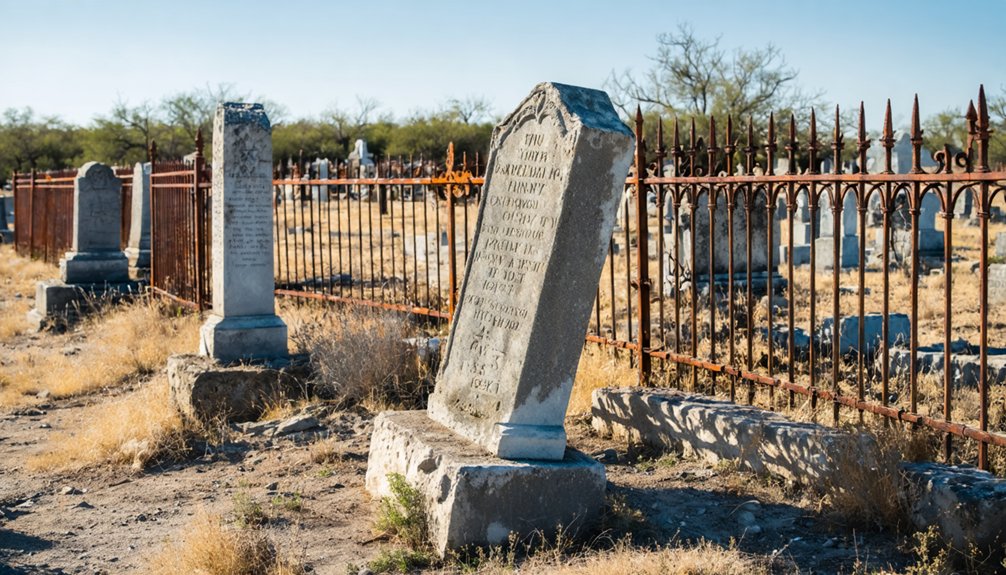
When you arrive at the Sowers Cemetery, you’ll find a modest, weathered burial ground that stands as the sole surviving remnant of what was once a living, breathing community.
You can still make out individual headstones and markers, some worn by over a century of Texas weather, each one quietly anchoring a name to this otherwise vanished town.
Walking the grounds today feels less like sightseeing and more like bearing witness to the people who built Sowers from nothing.
Cemetery’s Current Physical Condition
Though the town itself has long since faded into Irving’s suburban sprawl, the Sowers Cemetery still stands as a quiet, weathered remnant of what once was. When you visit, you’ll find historical artifacts etched into time through aging headstones and faded inscriptions that carry the weight of frontier-era lives.
Preservation efforts have kept the site accessible, though nature continues its slow reclamation.
Here’s what you can expect to encounter:
- Worn grave markers dating back to the community’s earliest decades
- Modest fencing that defines the cemetery’s small but meaningful footprint
- Native vegetation growing naturally around the perimeter, adding to its solitary atmosphere
You’re stepping into a place where history breathes quietly, demanding nothing except your attention and respect.
Surviving Headstones And Markers
Step closer to the headstones at Sowers Cemetery, and you’ll find yourself reading the earliest chapters of Dallas County’s frontier story carved directly into stone. Markers from the mid-to-late 1800s still stand here, some weathered thin by Texas heat and wind, others surprisingly legible.
You’ll notice a mix of simple limestone slabs and more ornate carved stones, each reflecting the local architecture and craftsmanship available to settlers of that era. Names, dates, and brief epitaphs connect you directly to the families who built Sowers from nothing.
Historic preservation efforts have kept the cemetery accessible, letting you wander freely among the graves without barriers. It’s a compact but deeply honest snapshot of a community that flourished, shrank, and ultimately surrendered everything except these quiet, enduring markers.
Visiting The Grounds Today
Beyond the headstones themselves, the broader grounds tell their own quiet story. You’ll find a modest, quietly maintained space where preservation efforts have kept the site from disappearing entirely.
Local legends tied to Sowers’ frontier past feel tangible when you’re standing here among the weathered markers and open Texas sky.
When you visit, keep these three things in mind:
- Walk slowly — the grounds reward careful attention over rushed exploration.
- Respect any fencing or barriers protecting fragile sections.
- Visit during daylight for the clearest views of remaining markers.
The cemetery carries a reflective stillness that suits the solitude-seekers and history-driven travelers who make the trip.
It’s small, unpretentious, and honest — exactly what a genuine ghost town remnant should feel like.
Best Time of Year to Visit Sowers, Texas
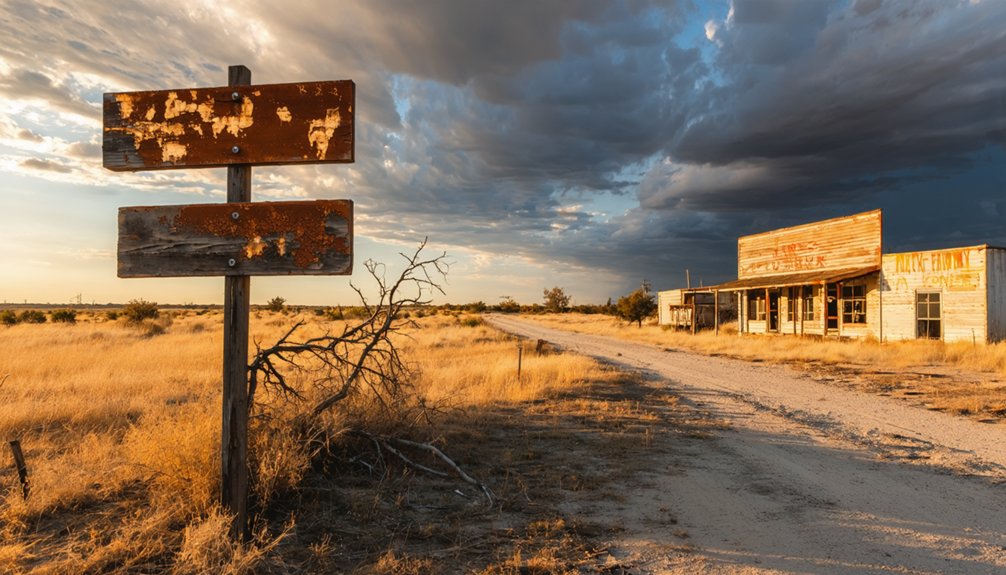
Since Sowers is little more than a quiet cemetery tucked inside modern Irving, you won’t need to plan around seasonal attractions or crowds — but the time of year still shapes your experience.
Weather patterns in North Texas make spring and fall the most comfortable windows for an outdoor visit. From March through May, mild temperatures and blooming local flora give the grounds a softer, almost reverent atmosphere.
October and November offer cooler air and fewer blistering afternoons. Summer sends brutal Texas heat that makes even a short stop feel punishing, while winter brings unpredictable cold snaps.
If you’re chasing that nostalgic, unhurried feeling that ghost town visits deserve, aim for a weekday morning in April or October — you’ll likely have the whole place to yourself.
Texas Ghost Towns Near Sowers Worth a Detour
Sowers may be your starting point, but North Texas and its surrounding regions hold a quiet collection of forgotten towns worth folding into your itinerary. Each stop carries local legends, crumbling historic architecture, and the kind of stillness that makes the past feel close.
- Thurber, Texas – Once a booming coal town, it’s now home to a smokestack standing like a lonely sentinel.
- Millsap, Texas – A faded rural community where worn storefronts whisper stories of busier days.
- Rhome, Texas – A small town with deep roots and remnants that reward curious travelers.
String these together and you’ve built a road trip that trades crowded attractions for open roads, honest history, and the freedom to explore at your own pace.
Frequently Asked Questions
Is There an Admission Fee to Visit the Sowers Cemetery?
You’ll find no admission fee to visit Sowers Cemetery. It’s a freely accessible site where preservation efforts honor its historical significance, letting you roam and connect with this nostalgic, vanished Texas community on your own terms.
Are Pets Allowed When Visiting the Sowers Cemetery Grounds?
The available knowledge doesn’t confirm pet policies or cemetery rules for Sowers. You’ll want to check with local Irving authorities before bringing your furry companion along to explore this hauntingly beautiful, historic ground.
Is the Sowers Cemetery Privately Owned or Publicly Accessible?
Scroll down for the deets! You’ll find the Sowers Cemetery’s ownership and public accessibility details aren’t clearly documented, so contact Irving city officials directly to confirm historical preservation efforts and cemetery maintenance responsibilities before you visit.
Can You Find Sowers Labeled on Modern GPS or Mapping Apps?
You might spot Sowers on modern mapping apps, but don’t count on GPS accuracy to guide you reliably — this forgotten Texas ghost town has nearly vanished from today’s digital landscape, much like it faded from memory itself.
Are There Any Local Guided Tours Covering Sowers Ghost Town?
Once home to 121 souls, Sowers lacks formal guided tours today. You’ll likely explore its historical significance independently, discovering preservation efforts through the cemetery’s quiet, weathered stones — your own freedom to uncover this forgotten Texas community.
References
- https://en.wikipedia.org/wiki/Sowers
- https://kids.kiddle.co/Sowers
- https://mytexasstateonline.com/ghost-towns-in-texas/
- https://www.tshaonline.org/handbook/entries/sowers-tx
- https://en.wikipedia.org/wiki/List_of_ghost_towns_in_Texas