Planning a ghost town road trip to Winnipeg Junction, Minnesota starts with heading east on US-10 from Fargo into Hawley, then continuing into section 22 of Highland Grove Township. You won’t find welcome signs or restored buildings here — just mature trees, private homes, and silence where saloons and hotels once stood. The Northern Pacific Railroad rerouted its tracks in 1909, and the town vanished almost overnight. There’s far more buried history here than you’d first expect.
Key Takeaways
- Winnipeg Junction sits just east of Hawley, Minnesota, roughly 25 miles from Fargo—follow US-10 east, then navigate into Highland Grove Township.
- Use GPS coordinates 46°53’38″N, 96°14’52″W to locate the site, as no visible landmarks, signs, or restored buildings remain.
- The town peaked between 1900–1910 before the Northern Pacific Railroad rerouted tracks one mile north, triggering rapid abandonment by 1910.
- Most land is privately owned, so visitors must respect property boundaries while exploring this historically rich but visually subtle site.
- Archaeological artifacts excavated near Ole Gol’s Saloon offer the clearest tangible connection to Winnipeg Junction’s brief but vibrant past.
Winnipeg Junction: The Minnesota Town the Railroad Left Behind
Once a thriving railroad town in Clay County, Minnesota, Winnipeg Junction lived and died by the tracks that defined it. You’ll find this ghost town just east of Hawley, where local legends still echo the community’s dramatic rise and fall.
Platted in 1885 on the Northern Pacific Railroad, the town peaked between 1900 and 1910, boasting churches, saloons, hotels, and bustling storefronts.
Then, in 1909, the railroad relocated its tracks one mile north for a more favorable grade. Businesses vanished. People followed.
What once stood as one of west-central Minnesota’s historic landmarks quietly faded into vegetation and memory. Today, residential homes and trees cover most of the original site, leaving explorers like you to piece together its remarkable story from the ground up.
The Railroad Decision That Killed Winnipeg Junction
When the Northern Pacific Railroad shifted its tracks one mile north in 1909, it effectively signed Winnipeg Junction‘s death warrant. Railroad expansion once built this town — now it destroyed it.
The railroad’s pursuit of a “more favorable grade” stripped the community of its lifeline almost overnight.
Here’s what that single decision triggered:
- Businesses relocated to nearby Manitoba Junction and Dale
- The post office closed permanently in 1910
- Residents abandoned the town, leaving homes and streets empty
You can still feel the weight of that injustice visiting today. The community fought the railroad change but lost.
Town decline followed swiftly — the saloons, hotels, and grain elevator all vanished. What railroad expansion built in decades, one corporate decision dismantled in months.
What’s Left to See at Winnipeg Junction Today?
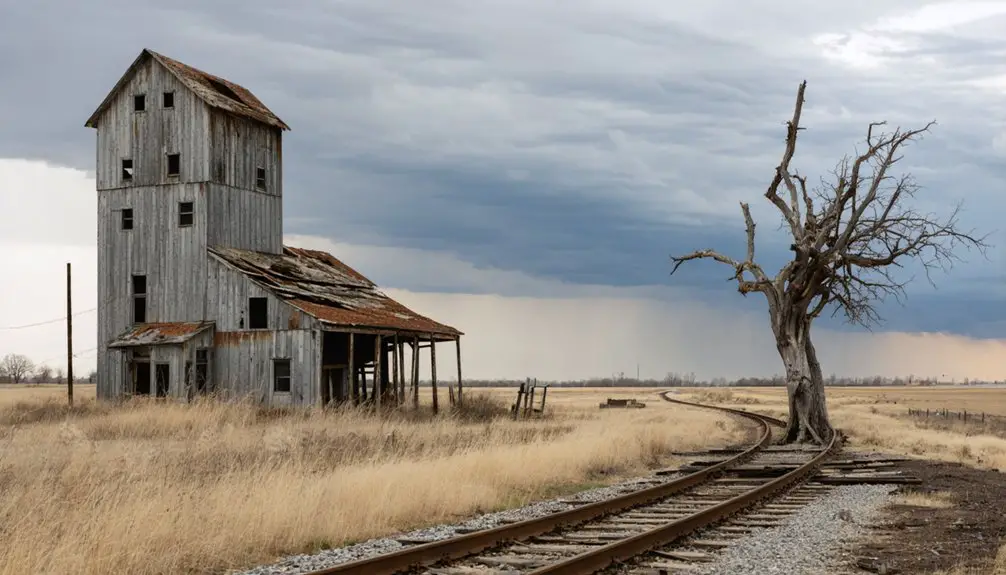
Arriving at section 22 of Highland Grove Township today, you’ll find little evidence that a bustling railroad town ever existed here. Residential homes and mature trees now blanket the landscape, concealing decades of history beneath ordinary suburban scenery. Don’t expect restored buildings or interpretive signs — Winnipeg Junction offers a quieter kind of discovery.
What draws serious explorers are the archaeological sites slowly yielding their secrets. Researchers from Minnesota State University Moorhead have unearthed fascinating historical artifacts behind Ole Gol’s Saloon, including refuse pits packed with objects from the town’s 1900–1910 peak. These digs reveal everyday life in raw, tangible detail.
If you’re someone who values digging deeper than tourist traps, Winnipeg Junction rewards curiosity. You’re not sightseeing here — you’re reading history written in soil.
How to Get to Winnipeg Junction, Minnesota
Getting to Winnipeg Junction means heading toward Hawley, Minnesota, a small city in Clay County sitting roughly 25 miles east of Fargo, North Dakota. From there, you’ll navigate just east of Hawley into section 22 of Highland Grove Township. Here’s how to make the most of your journey:
Winnipeg Junction lies just east of Hawley, Minnesota — a small Clay County city about 25 miles from Fargo.
- Follow US-10 east from Fargo directly into Hawley, your primary landmark.
- Research local legends beforehand — stories about Ole Gol’s Saloon and the railroad relocation add rich context to what you’ll observe.
- Mark coordinates 46°53’38″N, 96°14’52″W on your GPS to pinpoint the historic site accurately.
Don’t expect visible historic landmarks — trees and residential homes now cover most of the original townsite. You’re chasing history, not architecture.
What to Know Before Visiting Winnipeg Junction
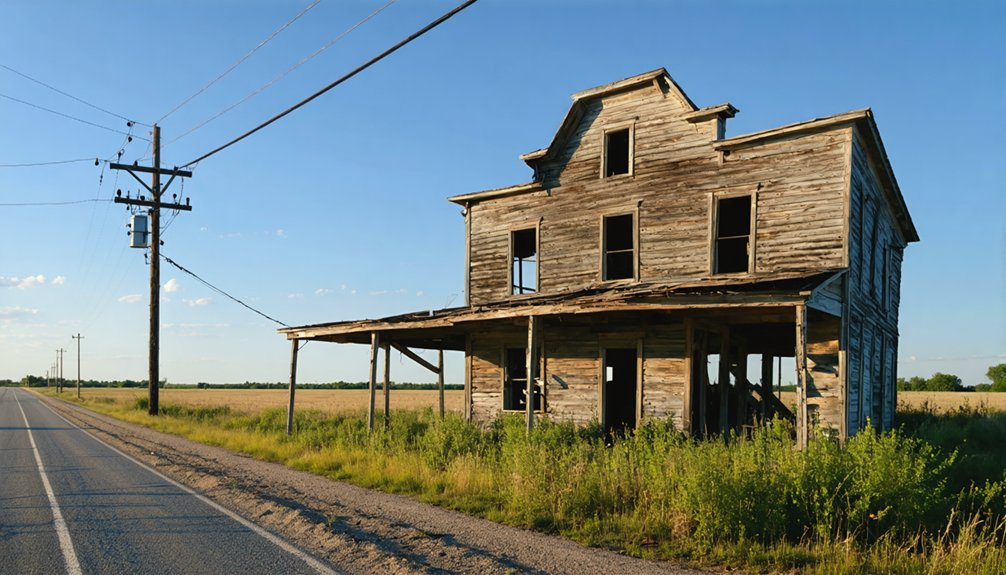
Before you pack the car and point your GPS toward Clay County, there are a few things you’ll want to know about visiting Winnipeg Junction. No grand structures greet you here — most of the original townsite sits buried beneath residential yards and overgrown trees. You’re basically walking through history without a map.
Archaeologists have uncovered historical artifacts from refuse pits behind Ole Gol’s Saloon, offering rare glimpses into daily life during the town’s 1900–1910 peak.
Local legends surrounding the railroad’s controversial rerouting still shape how people remember this community’s collapse.
Respect private property, since much of the land is occupied. Come curious, not expecting spectacle.
Winnipeg Junction rewards those who appreciate quiet, layered stories over obvious landmarks. It’s a thinking person’s destination.
Frequently Asked Questions
Can Visitors Participate in Ongoing Archaeological Digs at Winnipeg Junction?
You can’t officially join digs, but you’ll find the historical preservation efforts fascinating. Your visitor experience deepens knowing Minnesota State University Moorhead students actively uncover Winnipeg Junction’s buried secrets, revealing saloon artifacts and forgotten pioneer stories beneath the soil.
What Artifacts Have Been Recovered From Ole Gol’s Saloon Excavations?
You’ll find that excavation discoveries from Ole Gol’s Saloon haven’t been fully detailed yet, but historical artifacts emerged from four pit features uncovered in twelve excavation units, revealing fascinating glimpses into Winnipeg Junction’s thriving 1900–1910 saloon culture.
Are There Guided Ghost Town Tours Available Near Hawley, Minnesota?
Like a needle in a haystack, guided tours near Hawley are rare, but you’ll find haunted legends and historic landmarks waiting to be uncovered independently—so chart your own course through Minnesota’s enthralling ghost town history!
What Other Ghost Towns Can Be Combined Into a Clay County Road Trip?
You’ll discover Clay County’s rich historical preservation by pairing Winnipeg Junction with nearby forgotten settlements, each carrying local legends waiting to be uncovered. Explore freely, chase those untold stories, and craft your own unforgettable ghost town adventure!
Is Winnipeg Junction Located on Any Private Property Requiring Access Permission?
The available knowledge doesn’t confirm private property access or permission requirements for Winnipeg Junction. You’ll want to research local landowner details before visiting, as most of the original town’s site now sits beneath residential homes and trees.
References
- https://www.inforum.com/news/minnesota/archaeologists-are-uncovering-history-in-a-minnesota-ghost-town
- https://www.youtube.com/watch?v=8oB0oNsN2IQ
- https://en.wikipedia.org/wiki/Winnipeg_Junction
- https://kids.kiddle.co/Winnipeg_Junction
- http://wikimapia.org/13661548/Winnipeg-Junction-Minnesota-Ghost-Town
- https://www.youtube.com/watch?v=upsu4KmzhO4
- https://mapcarta.com/22451988
- https://en.wikipedia-on-ipfs.org/wiki/List_of_ghost_towns_in_Minnesota