Planning a ghost town road trip to Kalakaket, Alaska means committing to raw wilderness, Cold War history, and genuine isolation. You’ll need to time your visit between late June and August, pack survival-grade gear, and accept there are no roads directly connecting this abandoned radar station to civilization. Weathered structures, rusted artifacts, and tundra-swallowed ruins await those willing to make the journey. Keep going, and you’ll discover everything needed to plan this unforgettable Alaskan adventure.
Key Takeaways
- Kalakaket is a Cold War-era radar station ghost town in Alaska, abandoned after technological advancements made it obsolete.
- Access requires navigating rough terrain via McCarthy Road; carry offline maps and GPS due to limited cell service.
- The best time to visit is late June through August, offering long daylight hours and temperatures between 50–70°F.
- Pack navigation tools, layered clothing, emergency supplies, water filtration, and high-calorie food for this remote wilderness journey.
- When exploring structures, test floorboards carefully, wear a hard hat, use thick gloves, and never explore alone.
What Is Kalakaket and Why Should You Visit?
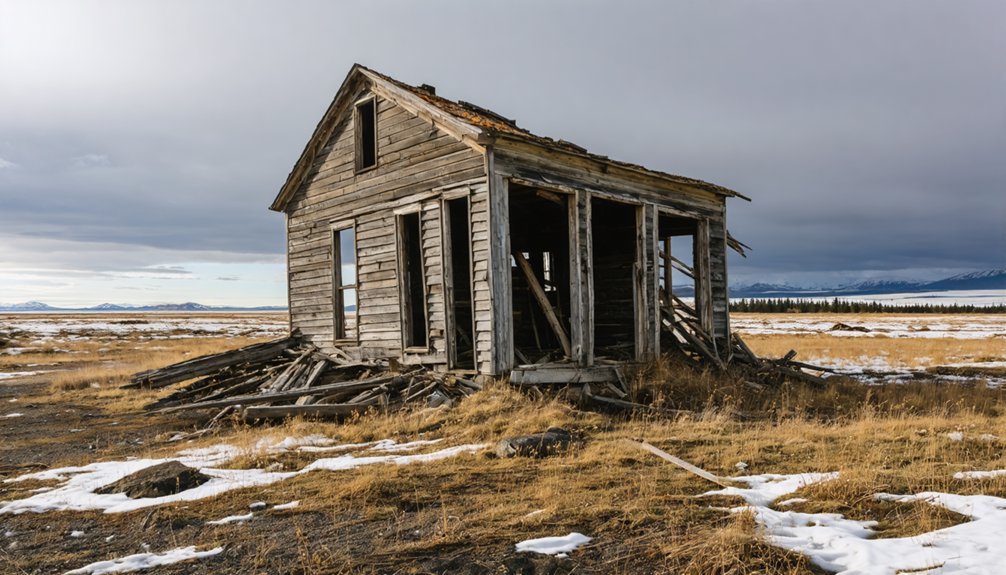
Kalakaket is one of Alaska’s forgotten corners — a ghost town that doesn’t just whisper history, it roars it. Tucked deep into Alaska’s wilderness, this abandoned settlement carries genuine historical significance that most travelers never discover.
Unlike crowded tourist destinations, Kalakaket rewards the curious and the bold. You won’t find manicured pathways or gift shops here. Instead, you’ll encounter raw Alaska — a place where mining heritage shaped entire communities before the land reclaimed everything. The silence itself tells a story.
Visiting means stepping outside the ordinary road trip and into something authentically wild. You’re not just observing history; you’re standing inside it.
For travelers craving unscripted adventure and genuine discovery, Kalakaket delivers exactly the kind of experience that reminds you why Alaska exists on your bucket list.
Why Kalakaket Was Built: and Why Everyone Left
Kalakaket Creek AFS didn’t spring up by accident — the U.S. Air Force built it during the Cold War as a critical radar and communication relay station, part of a broader network designed to detect Soviet aircraft approaching North American airspace.
You’d have found a surprisingly self-contained community there, with military personnel and support staff living, working, and enduring brutal Interior Alaska winters in near-total isolation.
But when advancing technology made remote manned stations obsolete, the Air Force walked away virtually overnight, leaving buildings, equipment, and an eerie silence that the tundra has been steadily reclaiming ever since.
Kalakaket’s Strategic Military Origins
During the height of the Cold War, the U.S. military carved Kalakaket Creek AFS out of Alaska’s remote interior for one urgent purpose: to watch the sky.
You’re stepping into a site where military significance shaped Alaska’s Cold War defense network. Stationed here, airmen operated radar systems scanning for Soviet aircraft crossing the Arctic corridor — America’s most vulnerable frontier.
The historical context is stark: Kalakaket wasn’t built for comfort or permanence. It was built for vigilance. Crews endured brutal Interior Alaska winters, complete isolation, and psychological strain, all to maintain America’s early warning shield.
When missile technology made ground-based radar stations obsolete, the military walked away. You’re now free to walk in, exploring what strategic necessity built and modern irrelevance abandoned.
Life In Kalakaket Camp
Life at Kalakaket Creek AFS wasn’t glamorous — it was functional, deliberate, and relentlessly demanding.
Like a miner’s daily grind, every hour served a mission-critical purpose. Community life revolved around radar operations, survival routines, and tight-knit camaraderie forged by brutal isolation.
Here’s what defined existence at Kalakaket:
- Extreme isolation — No roads connected personnel to civilization
- Weather warfare — Temperatures dropped to life-threatening lows regularly
- Constant vigilance — Radar monitoring never stopped, regardless of conditions
- Supply dependency — Airlifts delivered everything soldiers needed to survive
You’re visiting a place where ordinary people performed extraordinary work under extraordinary pressure.
That tension between duty and desolation still echoes through Kalakaket’s abandoned structures today.
The Town’s Sudden Abandonment
Built during the early Cold War as part of the Distant Early Warning network, Kalakaket Creek AFS served one urgent purpose: detecting Soviet aircraft before they reached American skies.
When missile technology made radar stations like this one obsolete, the Air Force didn’t negotiate — they simply walked away. By 1963, personnel packed out, and the wilderness moved back in.
Unlike ghost town legends born from mining tales of busted gold rushes or exhausted copper veins, Kalakaket’s abandonment wasn’t gradual. It was surgical.
One decade it buzzed with classified operations; the next, silence. Nature doesn’t wait for explanations. Spruce trees press against fencing, snow collapses rooftops, and the tundra slowly swallows what Cold War urgency built.
You’re walking into a place history simply stopped caring about.
How To Reach Kalakaket on Your Alaska Road Trip
The McCarthy Road is your gateway to Kalakaket, and it doesn’t pull any punches — rough terrain, glacial lakes, and bone-chilling conditions are all part of the journey.
Built under brutal conditions reaching -40°F, this road demands respect but rewards your curiosity about Kalakaket’s historical significance.
Pack smart and travel free with these essentials:
- Prepare your vehicle for rough, unpaved McCarthy Road conditions
- Download offline maps since cell service disappears fast out here
- Time your drive to catch potential Northern Lights views along the route
- Combine stops at nearby Kalakaket attractions and other ghost towns for a full abandoned Alaska experience
The road isn’t just a route — it’s the first chapter of your ghost town adventure.
Where To Stay Near Kalakaket Before and After Your Visit
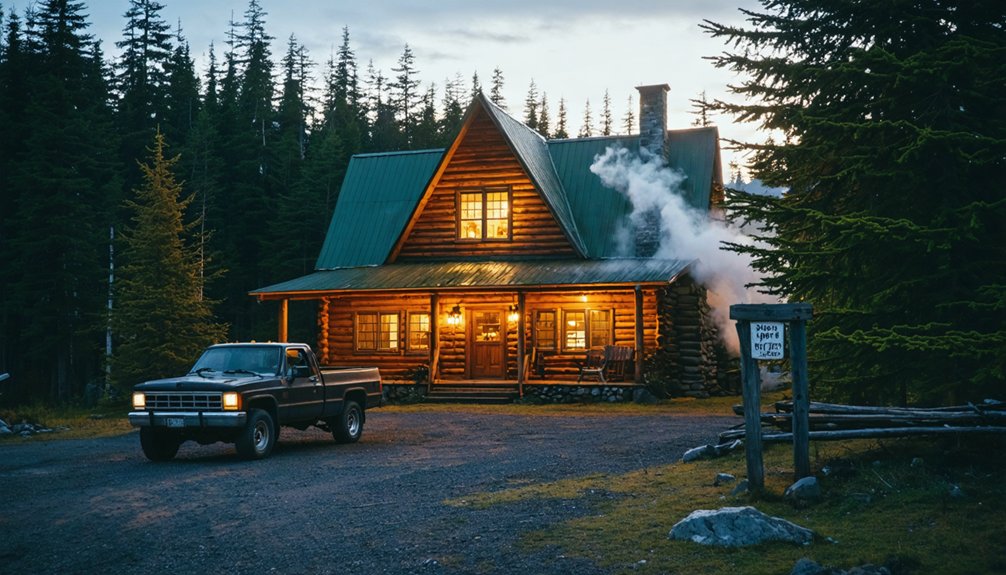
Since Kalakaket sits deep in Alaska’s remote interior, you’ll need to plan your overnight stays carefully before and after your visit.
A handful of lodging options exist in nearby villages and along the road corridors leading to the area, ranging from rustic roadhouses to small inns that cater to wilderness travelers.
If you’re traveling light and built for adventure, dispersed camping near the surrounding wilderness offers a raw, unfiltered Alaska experience under skies that may reward you with the Northern Lights.
Nearby Lodging Options
Reaching Kalakaket means embracing Alaska’s raw wilderness, so you’ll want a comfortable base camp before and after your ghost town exploration. Lodging options near this remote corridor are sparse but memorable, rewarding travelers who plan ahead with authentic frontier experiences and local cuisine worth savoring.
- Fairbanks Hotels – Stock up on supplies and rest well before heading into the bush.
- Ruby Village Accommodations – Small-town lodging closest to Kalakaket’s abandoned airstrip territory.
- Wilderness Cabins – Rent remote cabins through Alaska State Parks for true off-grid immersion.
- Bush Plane Fly-In Lodges – Several lodges offer fly-in packages, combining transportation and shelter seamlessly.
Book accommodations early, especially during summer, when Alaska’s midnight sun draws adventurers from everywhere.
Camping Near Kalakaket
Beyond a warm bed in Fairbanks or Ruby, camping near Kalakaket puts you directly inside Alaska’s wilderness rhythm, where silence runs deep and the aurora might paint your tent walls green.
You’re entering bear country, so pack your camping essentials carefully — bear canisters, layered clothing, and a reliable water filtration system aren’t optional here.
Wildlife encounters happen without warning, from moose wandering into clearings to foxes investigating your campsite at dawn.
The Yukon River corridor offers primitive sites where regulations stay minimal and freedom runs maximum.
Keep your camp clean, store food properly, and carry a satellite communicator since cell service doesn’t exist out here.
Kalakaket rewards self-sufficient travelers who arrive prepared and leave nothing behind.
What Remains at Kalakaket Today
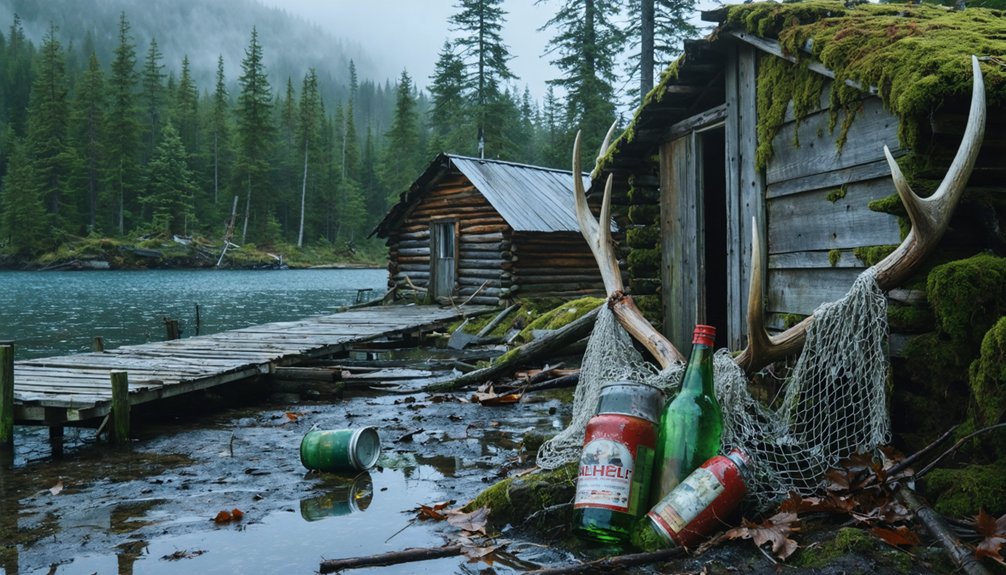
Though nature has spent decades quietly reclaiming Kalakaket, the bones of this once-thriving mining camp still stand as a reflection of Alaska’s copper rush era.
You’ll find raw, unfiltered history waiting for you in every weathered structure and rusted artifact. The historical significance of this site runs deep, and ongoing preservation efforts guarantee future explorers can experience its haunting beauty.
Here’s what you’ll discover on-site:
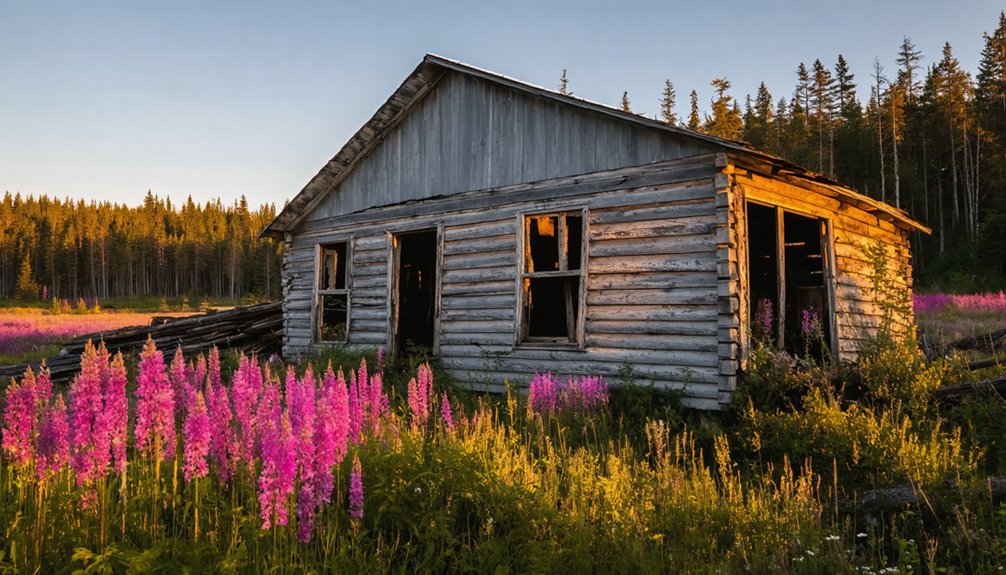
- Collapsed cabin foundations half-swallowed by spruce and tundra growth
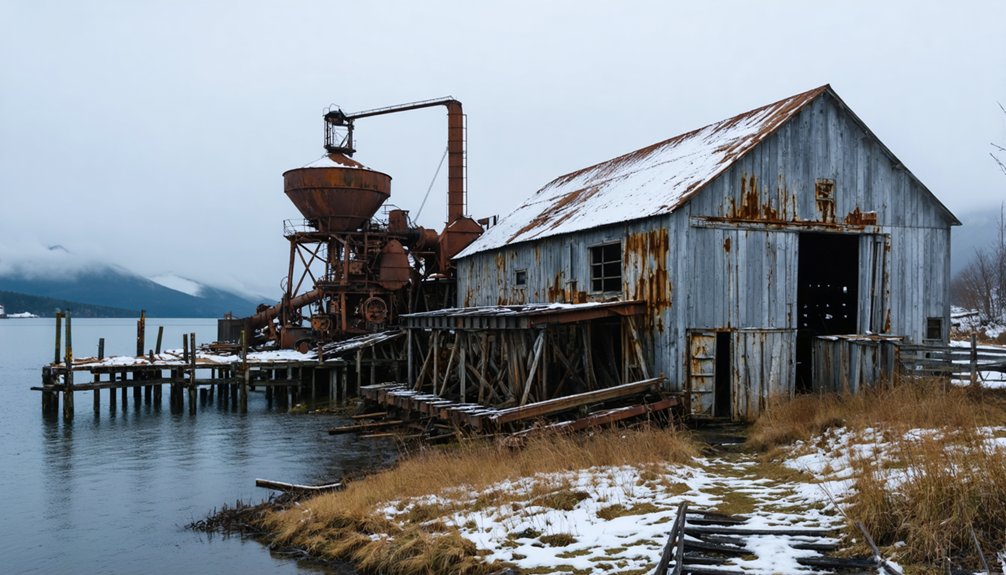
- Rusted mining equipment frozen mid-operation, abandoned when ore ran dry
- Remnant trail corridors that once connected working sections of camp
- Scattered structural timber revealing original construction techniques
Walk carefully, document everything photographically, and respect what remains. This place rewards the curious and the bold.
The Best Time of Year To Visit Kalakaket
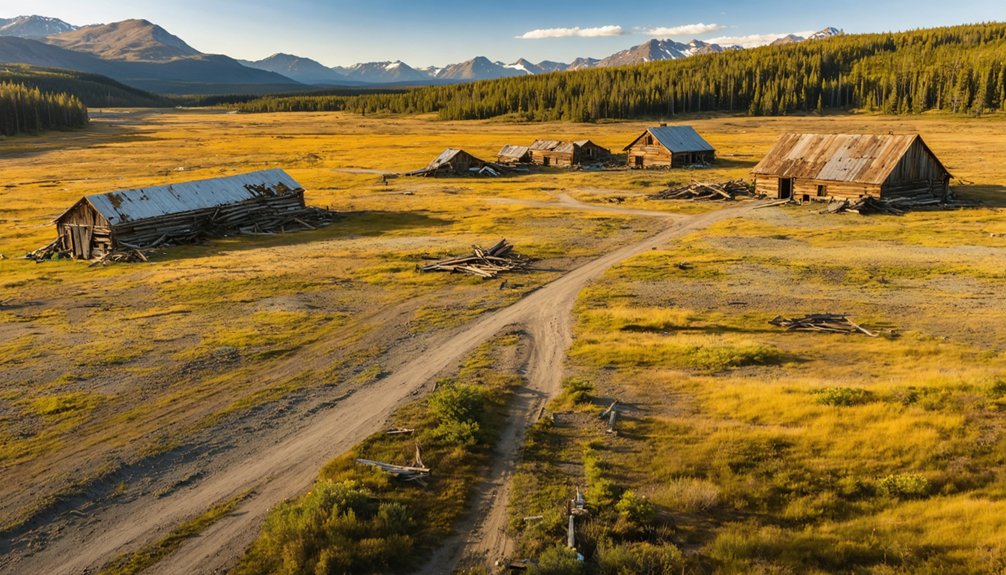
Timing your visit to Kalakaket can make or break the experience. The best visiting season runs from late June through August, when daylight stretches nearly 20 hours and temperatures hover between 50–70°F. You’ll navigate trails without battling frozen ground or whiteout conditions that define the brutal Alaskan winter.
Seasonal weather considerations matter deeply here. Spring thaws create unstable terrain and swollen waterways that block access routes.
Fall arrives fast — by September, early snowfall can strand unprepared travelers. Winter temperatures plunge well below zero, making exploration genuinely dangerous without specialized gear.
If you’re chasing the Northern Lights, late August and early September offer a compelling window — darkness returns while temperatures remain manageable.
Plan your departure flexibility carefully; Alaska’s weather answers to nobody’s itinerary.
What To Pack for Your Kalakaket Ghost Town Visit
Packing for Kalakaket demands the same respect you’d give any remote Alaskan wilderness — mistakes here don’t come with easy corrections.
No stores, no rangers, no safety nets exist along this route. Understanding the ghost town history means accepting that isolation defined life here long before you arrived. Your packing essentials determine whether you explore freely or retreat early.
- Navigation tools — Offline maps, compass, and GPS device
- Weather protection — Layered clothing, waterproof gear, and emergency shelter
- Emergency supplies — First aid kit, fire starters, and signaling equipment
- Sustenance — High-calorie food, water filtration system, and extra fuel
Pack deliberately, move confidently, and treat Kalakaket’s silence as both your reward and your warning.
How To Stay Safe Exploring Kalakaket’s Abandoned Structures
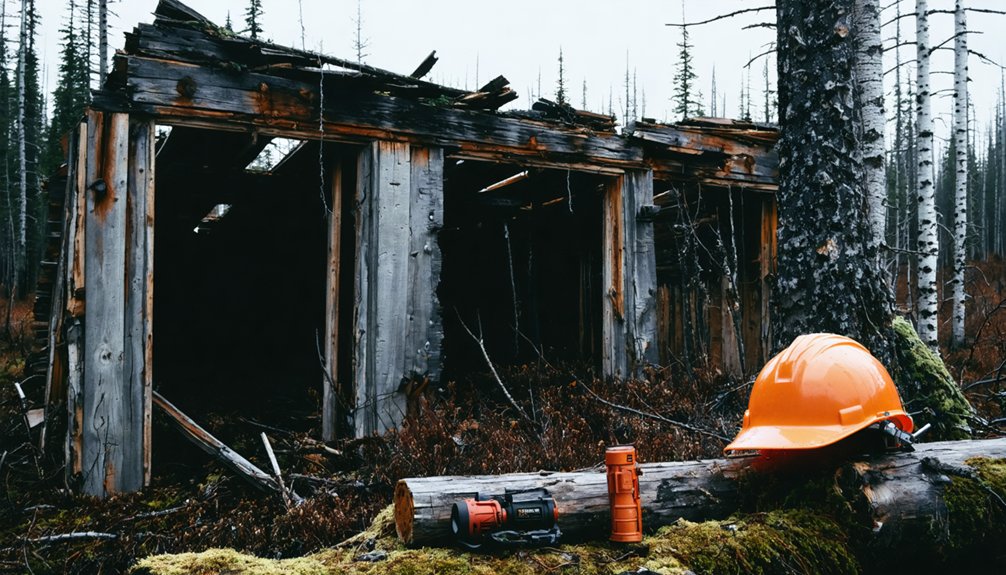
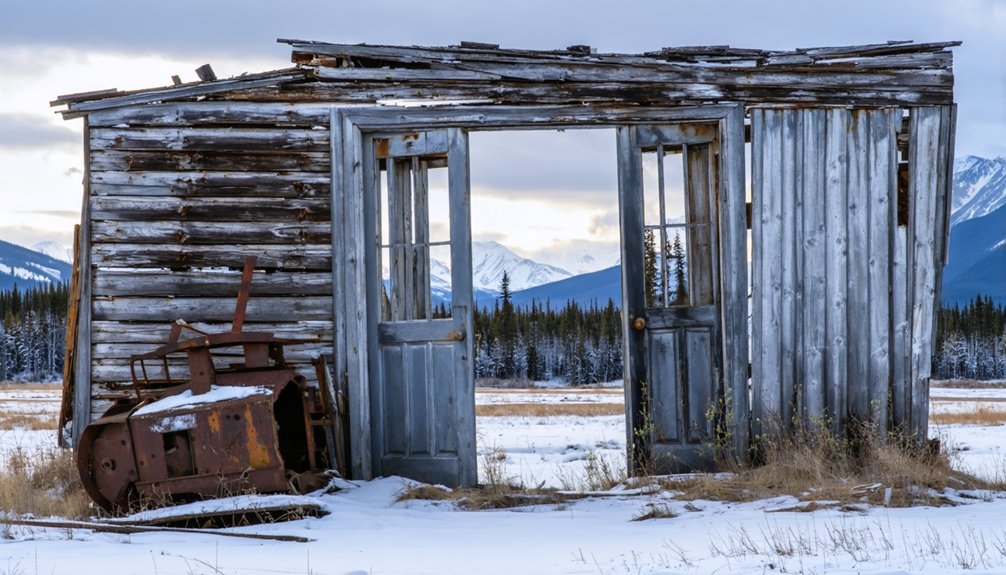
Kalakaket’s abandoned structures carry a century of decay beneath their surfaces, and you’ll want to treat every threshold like a potential trap.
Ghost town safety starts before you step inside — test every floorboard with your boot before committing your full weight. Rotted joists hide beneath convincing surfaces.
Test every floorboard before trusting it — rotted joists hide beneath surfaces that look perfectly solid.
Never explore alone. A partner watching from outside can alert rescuers if something collapses beneath you.
Wear a hard hat; ceilings surrender without warning. Bring thick gloves, because rusted metal and broken glass lurk everywhere.
When exploring structures, trust your instincts. If a room feels unstable, it probably is. Photograph doorways from outside rather than crossing questionable floors.
Kalakaket rewards the cautious explorer with extraordinary discoveries — but only if you respect what a century of abandonment actually means.
Alaska Ghost Towns Worth Pairing With Your Kalakaket Visit
Alaska’s ghost towns don’t exist in isolation — they form a fractured map of boom-and-bust ambition stretching across the state, and pairing Kalakaket with a few strategic stops transforms a single-site visit into a full archaeological road trip.
Each destination carries its own historical significance and rewards serious ghost town exploration.
- Kennecott — Tour the iconic 14-story red mill building above Kennicott Glacier, a National Historic Landmark frozen mid-collapse.
- Treadwell Ruins — Wander Juneau’s sunken gold mine infrastructure, swallowed by earth and time.
- Chicken — A barely-alive town of seven near the Pedro Gold Dredge, raw and unpolished.
- Portage — Earthquake-shattered ruins where nature aggressively reclaims every structure the 1964 Good Friday disaster left standing.
How To Build a Kalakaket Alaska Road Trip Route
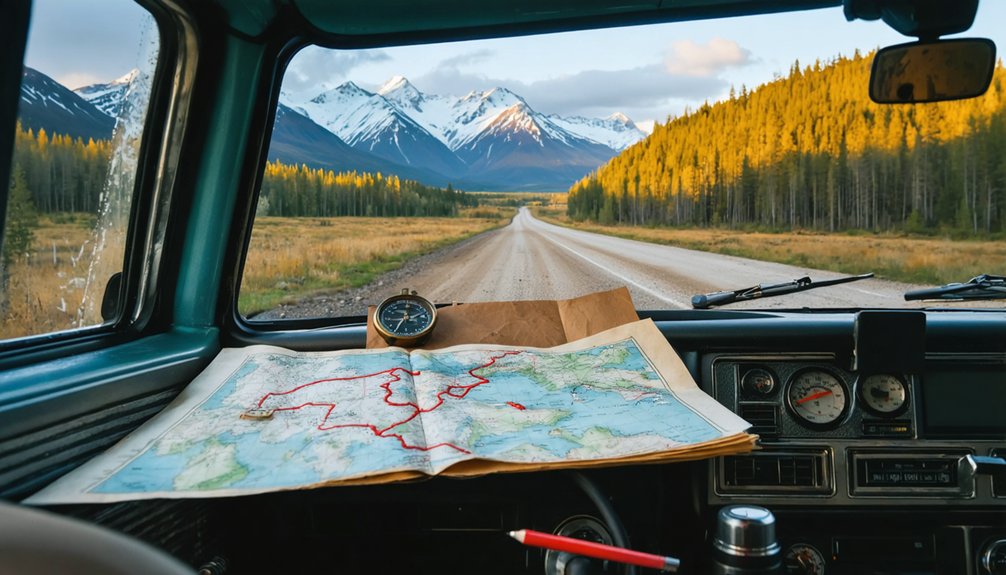
Building a Kalakaket road trip means accepting Alaska’s fundamental condition: distances are brutal, infrastructure is sparse, and the reward belongs entirely to those who plan with precision.
Anchor your route around Kalakaket history and the legends that drew missionaries and traders into this unforgiving interior. Start in Fairbanks, where supplies and fuel are reliable. Move west along the Elliott Highway, then push into remote terrain where pavement dissolves and commitment becomes mandatory.
Pair your visit with Kennecott for contrast — industrial copper-mining ambition versus wilderness isolation. Time your departure for late summer when daylight stretches and access windows open.
Every stop you choose should earn its place on your map. Alaska doesn’t forgive lazy itineraries, but it generously rewards those who respect its terms.
Frequently Asked Questions
Is There Cell Phone Service Available Along the Road to Kalakaket?
Don’t count on cell coverage along this remote route—signal strength drops dramatically as you venture into Alaska’s vast wilderness. You’ll embrace true freedom out there, untethered from connectivity, so prepare offline maps before departing.
Are Drones Permitted for Photography Over Kalakaket’s Abandoned Structures?
Drone regulations aren’t here to kill your adventure — they’re protecting it. Before you launch aerial photography over Kalakaket’s abandoned structures, you’ll want to check current FAA rules and local land management policies first.
Can Visitors Legally Take Artifacts or Souvenirs From Kalakaket’s Grounds?
You can’t legally take artifacts from Kalakaket’s grounds. Legal regulations strictly protect every relic for artifact preservation. Respect history’s silent whispers, leave souvenirs untouched, and you’ll carry something far richer — unforgettable memories of Alaska’s raw, untamed past.
Are Pets Allowed When Exploring the Kalakaket Ghost Town Site?
The knowledge base doesn’t confirm pet policies for Kalakaket, but you’ll want to research ghost town etiquette and pet safety rules beforehand. Contact the National Park Service directly to guarantee your adventure stays compliant and worry-free.
Does Kalakaket Have Any Documented Paranormal or Haunted History?
We don’t have documented ghost sightings or local legends specifically tied to Kalakaket’s paranormal history. You’d want to dig deeper into regional Alaska folklore and firsthand explorer accounts to uncover any haunting stories surrounding this mysterious abandoned site.
References
- https://www.alaska.org/detail/kennicott-mine-ghost-town-walking-tour
- https://www.thealaskalife.com/blogs/news/this-historic-abandoned-alaska-road-trip-will-transport-you-back-in-time
- https://www.youtube.com/watch?v=P1ZqxD5x478
- https://www.atlasobscura.com/things-to-do/alaska/ghost-towns
- https://www.youtube.com/watch?v=Cz0IGc2Uy0E
- https://www.youtube.com/watch?v=2WnyUP_SOb0