Planning a ghost town road trip to Whitewash Village starts in Chatham, Massachusetts, where you’ll catch a boat to Monomoy Island. Founded around 1710, this submerged colonial settlement reveals brick foundations and timber fragments only at low tide. You’ll want to visit between late spring and early fall for the best conditions. September offers fewer crowds and an eerily atmospheric experience. Keep exploring to uncover everything this hauntingly beautiful destination has to offer.
Key Takeaways
- Whitewash Village sits on Monomoy Island, accessible only by boat from Chatham, Massachusetts, making it a unique water-access ghost town destination.
- Book local charters or water taxis in advance, especially during summer, and confirm tidal conditions with your boat operator beforehand.
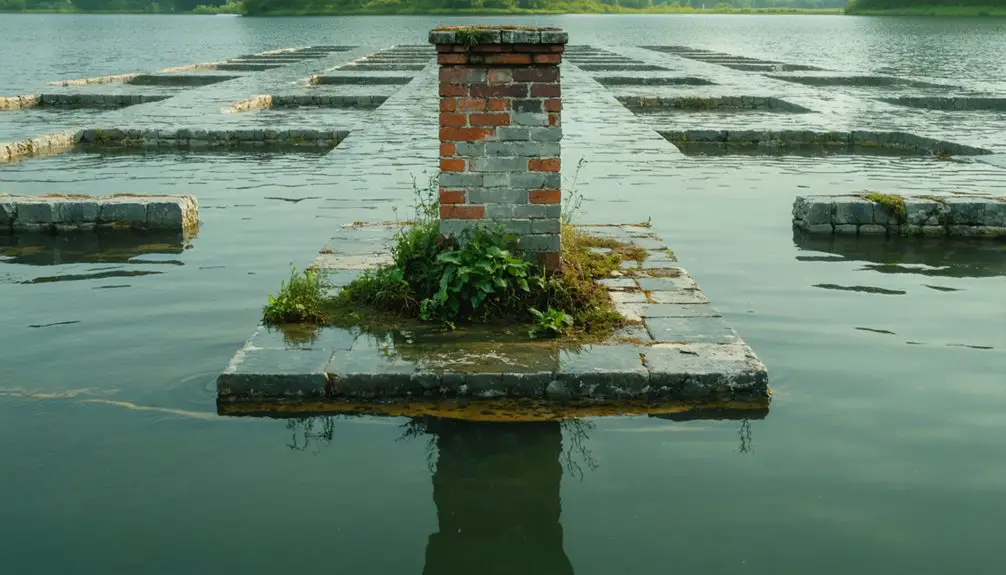
- Visit during low tide to see submerged brick foundations and timber fragments of former homes and structures from this colonial settlement.
- September offers the best balance of favorable weather, fewer crowds, and an atmospheric mood ideal for exploring the ruins.
- The Monomoy Point Light is the island’s only standing structure, offering additional historical context alongside the submerged colonial remains.
What Is Whitewash Village and Why Does It Still Matter?
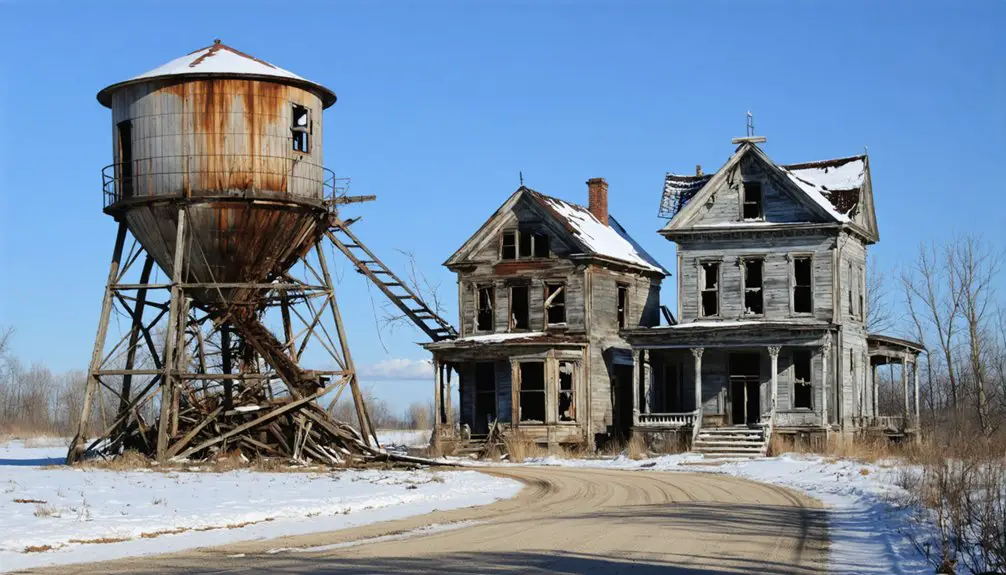
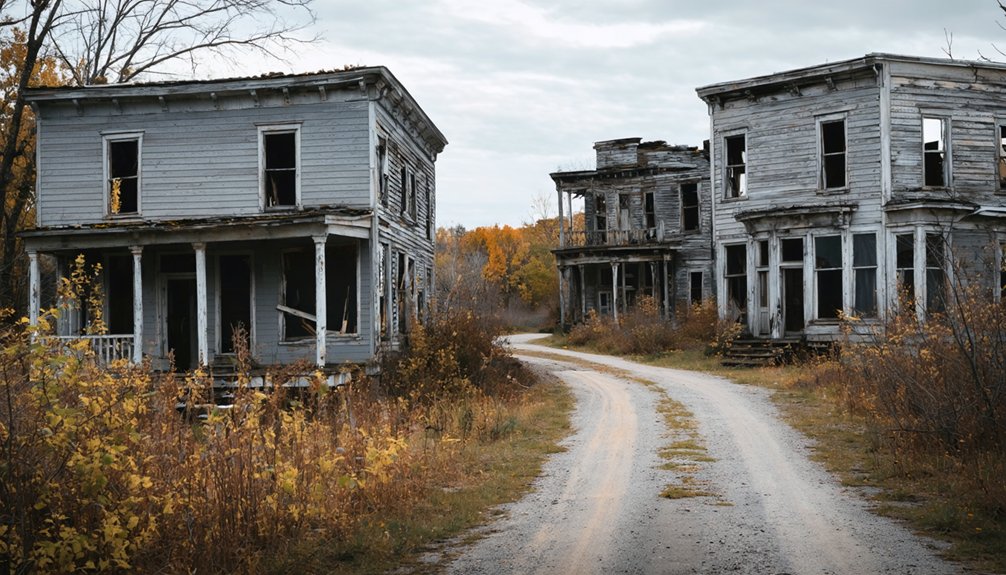
Tucked beneath the elbow of Cape Cod on Monomoy Island, Whitewash Village is one of Massachusetts’ most fascinating ghost towns — a settlement that once housed nearly 200 people before the sea swallowed its livelihood whole.
Founded around 1710, it thrived as a harbor community built on fishing, sheltering shipwrecked sailors, and maritime legends passed down through generations.
A harbor born in 1710, built on fish, wreck, and whispered legend passed from hand to hand.
By the early 1860s, a hurricane buried Powder Hole Harbor under sand, cutting residents off from the sea entirely. Families floated their dismantled homes across the water and never returned.
Today, preservation efforts remain minimal — only the Monomoy Lighthouse still stands. Brick foundations and timber fragments emerge at low tide, reminding you that entire lives once unfolded here.
This place matters because it shows exactly how quickly the sea can erase everything.
The Best Time of Year To Visit Whitewash Village
Because Whitewash Village sits on an isolated, boat-access-only island, timing your visit makes all the difference between a rewarding trip and a miserable one. Late spring through early fall offers the most accessible conditions, with calmer waters and longer daylight hours giving you more time to explore the ruins visible at low tide.
Plan around low tide specifically — that’s when coastal erosion reveals brick foundations and timber fragments that’d otherwise stay submerged. Summer draws fellow history enthusiasts and local fishermen who carry maritime legends about the sunken village, making conversations richer and navigation advice easier to find.
Avoid winter entirely; harsh Atlantic storms make the crossing dangerous. September strikes the perfect balance — manageable seas, fewer crowds, and a moody atmosphere that suits a ghost town perfectly.
How To Reach Monomoy Island by Boat
Getting to Monomoy Island requires a boat, and your departure point will be Chatham, Massachusetts, the closest mainland town to the island. From Chatham’s waterfront, you’ll find local charter services and water taxis that ferry visitors across the short but historically rich passage.
As you cross, you’re traveling through waters thick with maritime legends — shipwrecks, stranded sailors, and the ghosts of a thriving fishing community.
Coastal erosion has dramatically reshaped Monomoy over the centuries, so no two visits look identical from the water.
Book your charter in advance, especially during summer months when demand peaks.
Tidal conditions affect landing spots, so confirm timing with your operator beforehand.
Once ashore, low tide reveals the submerged ruins that salt air and shifting sands have slowly reclaimed.
Brick Foundations, Submerged Ruins, and What Survives at Low Tide
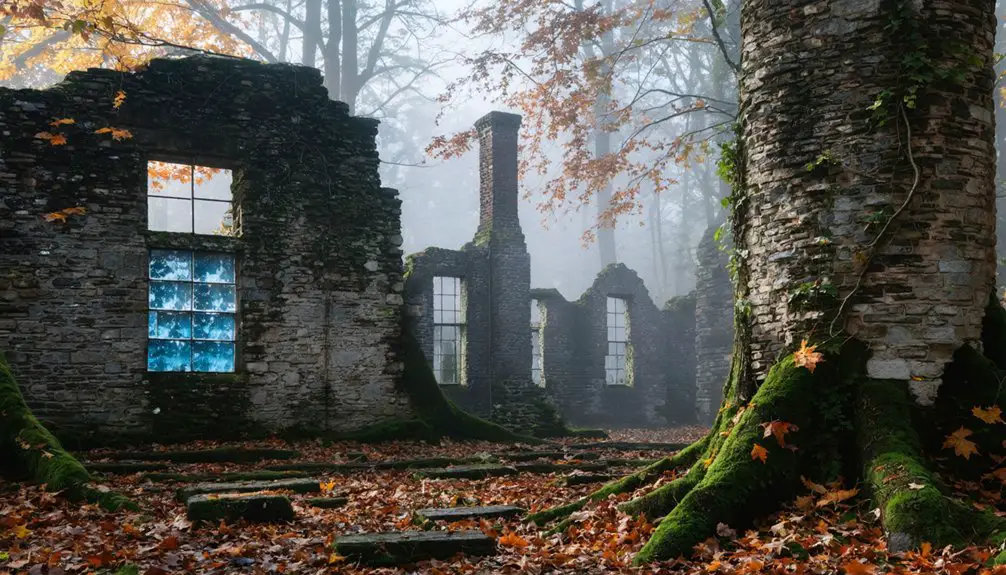
Once you step ashore, the real discovery begins beneath your feet. Whitewash Village doesn’t announce itself dramatically — it reveals itself quietly through brick foundations peeking above the sand and waterlogged timber fragments exposed during low tide.
Coastal erosion has both buried and uncovered the settlement over generations, making each visit slightly different from the last. Maritime archaeology enthusiasts will recognize the significance immediately — these scattered remnants represent one of New England’s most authentic submerged colonial sites.
When the tide pulls back, you’ll spot structural debris that once formed homes, shacks, and working infrastructure supporting 200 residents. Local fishermen have long known these ruins mark exceptional fishing grounds.
Bring waterproof boots, time your arrival around low tide, and stay alert — the village rewards the observant visitor.
Other Historical Landmarks Worth Exploring on Monomoy Island
While Whitewash Village draws most of the attention, Monomoy Island holds one more landmark worth your time — the Monomoy Point Light. This historic lighthouse stands as the island’s only surviving structure, offering a striking contrast against the surrounding wilderness and open water.
It’s deeply woven into maritime legends tied to shipwrecks, stranded sailors, and the unforgiving Atlantic coastline. Local folklore connects the light to the broader story of coastal communities that once thrived here and vanished.
You’ll need to arrive by boat, but that journey itself feels like stepping into another era. Exploring the lighthouse grounds gives you a tangible connection to Monomoy’s past — one that no submerged ruin can fully offer. Don’t skip it.
Frequently Asked Questions
How Did Whitewash Village Get Its Unusual Name?
You’ll find Whitewash Village’s unusual name shrouded in mystery — it’s possibly inspired by whitewashed rocks along the shore or whitewashed historical architecture built by early settlers, with local legends leaving historians unable to confirm the exact origin.
How Many People Lived in Whitewash Village at Its Peak?
You’d have walked among roughly 200 souls at Whitewash Village’s peak in the mid-1800s, where historical architecture lined bustling wharves and local legends thrived, painting a vibrant, free-spirited maritime community you wouldn’t want to miss.
Is Whitewash Village Considered an Official Massachusetts Ghost Town?
Yes, Whitewash Village is one of Massachusetts’ 13 officially recognized ghost towns. You’ll find it’s a remarkable site for historical preservation, though it’s not among typical tourist attractions since it’s only accessible by boat.
Who Wrote the Only Firsthand Written Account of Whitewash Village?
Schoolmaster Giddings Ballou wrote your only firsthand glimpse into this ghost town history, capturing local legends and exhausted mariners in his vivid 1864 Harper’s Monthly Magazine article — it’s your closest connection to Whitewash Village’s vanished world.
What Happened to the Homes When Residents Abandoned Whitewash Village?
Some residents didn’t surrender to urban decay — they fought for historical preservation by dismantling their homes, floating them on rafts, and sailing them across the harbor, choosing freedom over abandonment when Whitewash Village’s economic lifeline vanished forever.
References
- https://www.youtube.com/watch?v=cQrtZnfl0Yw
- https://historyofmassachusetts.org/ghost-towns-massachusetts/
- https://www.fiftyplusadvocate.com/2026/04/09/abandoned-ghost-towns-are-scattered-across-massachusetts/
- https://en.wikipedia.org/wiki/Whitewash_Village
- https://www.youtube.com/watch?v=_UNjC7EDpAE
- https://bostonuncovered.com/ghost-towns-massachusetts/